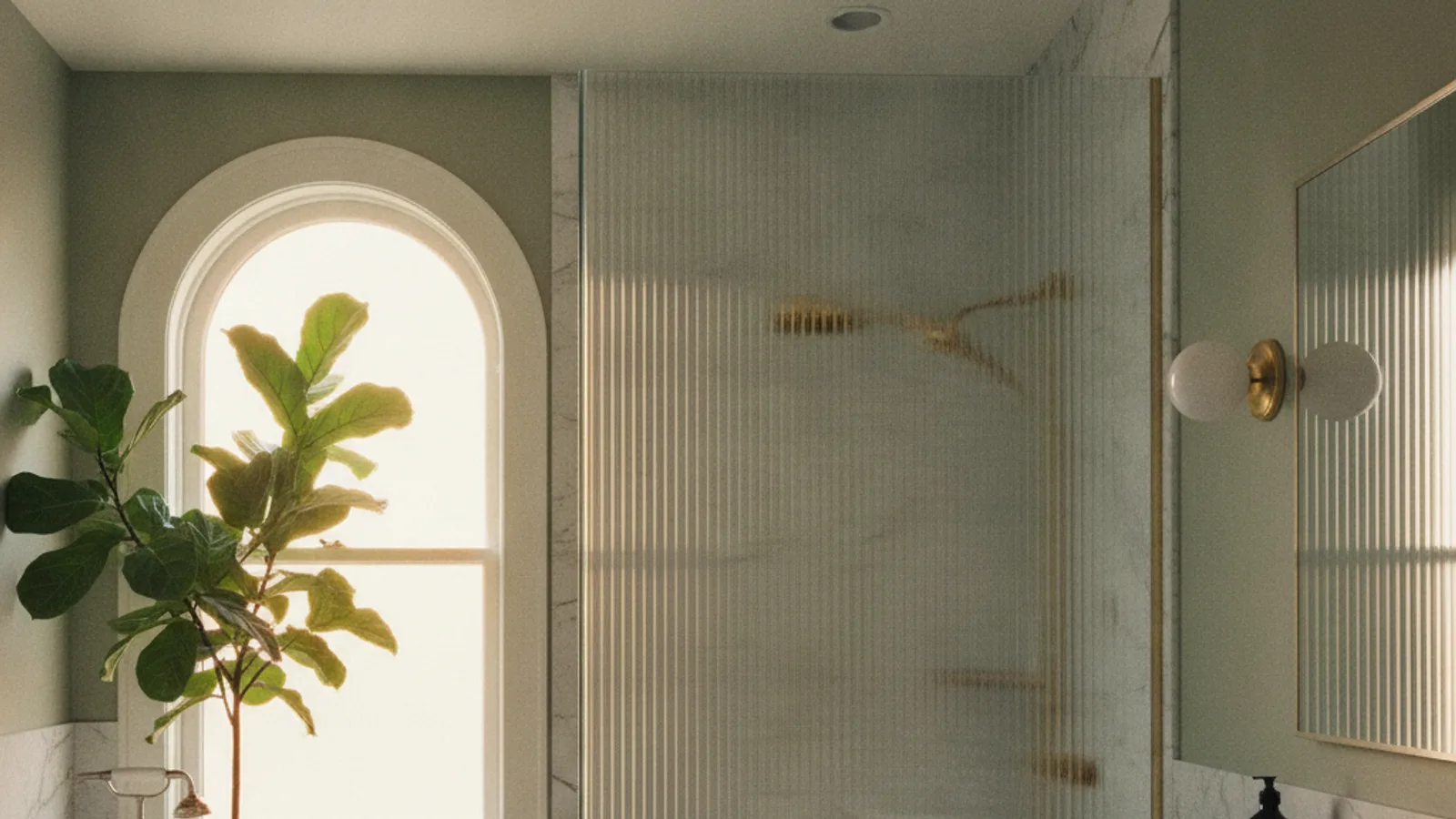
A full bathroom remodel in San Francisco typically runs $39,000 to $65,000 according to the Renology Cost Index for 2026. This range reflects a mid-range project in a single-family home. The cost for a bathroom san francisco project can start lower, from $25,000 to $35,000, for a cosmetic refresh in a modern condominium with existing, compliant plumbing and electrical systems. The median project cost, however, lands near $52,000, driven by the city's high labor rates, complex permitting, and the frequent need for structural or system upgrades in older housing stock.
In a Nutshell: San Francisco Bathroom Costs
- Total Cost Range: $25,000 (cosmetic refresh) to $110,000+ (high-end expansion). A typical mid-range remodel falls between $39,000 and $65,000.
- Median Mid-Range Project: Approximately $52,000 for a 5-foot by 8-foot full bathroom gut renovation with new fixtures, tile, vanity, and lighting.
- Typical Timeline: Four to eight weeks for construction, following a one to three month design and permitting phase.
- Biggest surprise cost driver: Abatement for hazardous materials like asbestos and lead paint, which can add $3,000 to $10,000 before any remodeling work begins.
What does a bathroom remodel actually cost in San Francisco?
In San Francisco, the cost for a bathroom remodel ranges from $39,000 to $65,000 for a mid-range project (Renology Cost Index, updated 2026-05). This scope typically includes replacing all fixtures, new tile, a standard vanity, and updated lighting. Costs are driven by high labor wages, stringent building codes, and logistical challenges inherent to the city.
| Tier | Cost Range | Scope |
|---|---|---|
| Basic (Refresh) | $25,000, $38,000 | Painting, new vanity/top, new toilet and faucet, reglazing existing tub/shower, new light fixture. No layout changes. Assumes a modern building with no hazardous materials. |
| Mid-Range (Full Remodel) | $39,000, $65,000 | Full gut of a 40-60 sq. ft. bathroom. New tub/shower with tiled walls, new toilet, single vanity with stone top, new flooring, updated electrical and ventilation. |
| Premium (Custom/Expansion) | $66,000, $110,000+ | Expanding footprint, moving walls/plumbing. Custom double vanity, natural stone slabs, frameless glass shower, heated floors, high-end fixtures, smart home integration. |
A mid-range project's budget, according to data from the National Kitchen & Bath Association (NKBA), typically breaks down as follows:
- Labor: 35-45%
- Cabinetry & Vanity: 15-20%
- Fixtures (tub, toilet, sinks): 10-15%
- Tile & Surfaces: 10-15%
- Plumbing & Electrical: 10-12%
- Finishes (faucets, lighting): 5-8%
- Permits & Design Fees: 3-5%
The bottom-of-range figures often apply to cosmetic updates in newer condominium buildings, where plumbing and electrical systems are modern and accessible, and there is no risk of encountering hazardous materials like asbestos or lead paint common in San Francisco's older housing stock.
Why is it more expensive in San Francisco than the Bay Area suburbs?
Remodeling costs in San Francisco are consistently 20-35% higher than in surrounding Alameda or Contra Costa counties. This premium is a function of three primary factors: labor rates, logistics, and regulatory complexity.
First, labor costs are among the highest in the nation. According to the California Department of Industrial Relations prevailing wage data for San Francisco County (2026), a journey-level plumber's total compensation package is specified at $130-$155 per hour, while a licensed electrician is $125-$150 per hour. These state-mandated rates for public works projects heavily influence residential pricing, as contractors must compete for the same skilled labor pool. This compares to rates that can be 15-25% lower in other parts of the Bay Area.

Second, urban logistics add significant costs. Parking for trade vehicles is scarce and expensive, often requiring daily fees or special permits. Getting materials to the job site, especially in multi-story buildings or homes on steep hills with no driveway, requires more time and manpower. Debris removal is similarly complex, with dumpster permits from SFMTA costing hundreds of dollars and having strict placement rules. These logistical frictions translate directly into higher labor hours billed to the project.
Finally, neighborhood premiums and building codes add another layer of cost. Projects in affluent areas like Pacific Heights, the Marina, or Noe Valley often see higher bids from contractors anticipating more demanding client service and complex site conditions., San Francisco's building code includes specific seismic upgrade requirements, especially when walls are opened. This can trigger the need for shear wall installation or foundation anchoring, adding thousands of dollars that wouldn't be required for a similar project in a less seismically active region.
What do real San Francisco homeowners spend in 2026?
Three representative projects from 2026, scoped similarly, reconstructed from Renology's Project of the Day network and used here in aggregate form:
Project 1: The Noe Valley Victorian Full Bath - $62,500
This project involved a 5-foot by 9-foot bathroom in a 1905 Victorian. The layout was kept the same to minimize plumbing costs. The budget included a classic clawfoot tub, pedestal sink, and period-appropriate hex tile flooring. The primary cost driver was unforeseen: upon demolition, significant dry rot was discovered in the floor joists beneath the old leaking toilet, requiring $7,500 in structural repairs and pest control work. The project also required asbestos abatement for the old vinyl flooring and wall texture, adding another $4,800. These two items accounted for nearly 20% of the total cost before any new materials were installed.
Project 2: The SoMa High-Rise Condo Bath - $41,000
This was a 5-foot by 8-foot bathroom in a 15-year-old building. With no hazardous materials or structural issues, the cost was lower. The owner selected a pre-fabricated vanity, a high-quality acrylic tub, and porcelain tile. The main cost inflators were logistical. The building's HOA had strict rules on working hours (9 AM to 4 PM, Monday-Friday), extending the project timeline. All debris had to be bagged and carried down a service elevator, and all material deliveries had to be scheduled 48 hours in advance, increasing labor hours for coordination and transport. The total project duration was six weeks, two weeks longer than a comparable single-family home project.
Project 3: The Richmond District Mid-Century Remodel - $54,000
This project tackled a 6-foot by 8-foot hall bathroom in a 1950s home. The scope included a full gut, replacing the tub with a walk-in shower featuring a frameless glass door. The homeowners chose mid-range materials, including ceramic tile and a quartz-topped vanity. The San Francisco Department of Building Inspection (SFDBI) required the installation of a new, higher-powered ventilation fan ducted directly to the exterior to meet current code, which added $1,800. Electrical work included adding a dedicated GFCI circuit for the bathroom outlets, costing an additional $1,200. The project stayed close to the city's median cost for a full bathroom remodel.
Where does the money actually go? The hidden costs
A contractor's initial quote often covers the visible aspects of the remodel, but several necessary line items may not be explicitly detailed. San Francisco homeowners should budget for these common hidden costs to avoid surprises.
- Permit Fees: The San Francisco Department of Building Inspection (SFDBI) charges for permits based on project valuation. For a mid-range bathroom, expect permit and plan review fees to be $1,500, $3,000.
- Hazardous Material Testing & Abatement: For any home built before 1980, testing for asbestos and lead paint is a prudent and often legally required step. Testing costs $500, $1,000. If found, abatement can add $3,000, $10,000 or more, depending on the extent.
- Structural Repairs: Water damage is common in old bathrooms. Repairing rotted subfloors, joists, or wall studs can cost $2,000, $8,000. This is almost never included in a standard quote and is discovered only after demolition.
- Plumbing & Electrical Upgrades to Code: Old homes may have galvanized pipes or knob-and-tube wiring. Bringing these systems up to current code (e.g., copper pipes, grounded circuits with GFCI protection) is not optional and can cost $2,500, $7,000.
- Waterproofing: Modern code requires extensive waterproofing systems in showers, like liquid-applied membranes or foam backer board systems. Proper installation is critical and adds $800, $2,000 in materials and labor compared to older methods.
- Site Protection & Dust Control: Protecting the rest of your home from construction dust with plastic barriers, floor coverings, and negative air machines is essential. This can add $500, $1,500 to the labor cost.
- Waste Disposal & Dumpster Fees: A dumpster on a San Francisco street requires a permit from the SFMTA, which can cost $300-$500 per week. Total disposal fees for a bathroom can run $1,000, $2,500.
What stops a San Francisco bathroom project from running over budget?
3 San Francisco bathroom remodelers, editor-screened. 4 questions.
See my 3 matchesBudget overruns in San Francisco bathroom remodels are common, but they typically stem from three predictable causes. Understanding them is the first step to controlling project costs.
The most significant cause is unforeseen site conditions. San Francisco's housing stock is predominantly old, with many homes over 75 years old. Once walls and floors are opened, it's common to find outdated plumbing, ungrounded electrical wiring, dry rot from slow leaks, or even structural deficiencies. These issues must be corrected to meet modern building codes before the remodel can proceed, adding thousands of dollars in unplanned expenses. For this reason, The National Association of Home Builders recommends a ten to fifteen percent contingency on renovations in homes over thirty years old. For a $50,000 project, this means having an extra $5,000 to $7,500 set aside.
Second is scope creep. This happens when homeowners make changes or additions to the plan after work has begun. Deciding to add a heated floor, upgrade from ceramic to marble tile, or change the vanity size mid-project can have a cascading effect. It not only increases material costs but also labor costs for re-work and can cause delays that impact the entire project schedule. Locking in all material selections and design decisions before signing a contract is the most effective defense against scope creep. A reputable bathroom contractor in San Francisco will insist on this.
Third, material and fixture selections can derail a budget. A faucet can cost $200 or $2,000. Tile can be $5 per square foot or $50. Homeowners often underestimate the total cost of finishes. Creating a detailed budget that lists every single item, from the tub and toilet down to the drawer pulls and towel bars, with specific model numbers and prices, is crucial. This prevents 'allowance' items in a contract from becoming major sources of overage when the final selections are more expensive than the placeholder amount.
How do I handle permits for a bathroom remodel?
Navigating the permitting process with the San Francisco Department of Building Inspection (SFDBI) is a critical step for most bathroom remodels. A permit is generally required anytime you alter the framing, plumbing, or electrical systems. Simple cosmetic updates like painting or replacing a faucet often do not require a permit, but a full gut renovation always will. Failure to secure the proper permits can result in fines, stop-work orders, and significant problems when you eventually sell your home.
For many straightforward bathroom remodels that don't involve moving walls, you may qualify for an Over-the-Counter (OTC) permit. This is a streamlined process where plans can be reviewed and a permit issued on the same day, assuming all documentation is correct. However, for more complex projects involving structural changes, relocating fixtures significantly, or in buildings with specific historic designations, a full plan review will be necessary. This process is more involved and can take several weeks or even months. Your architect or contractor will typically handle the submission process, but understanding the requirements is essential for setting a realistic timeline. For a detailed walkthrough, see our guide: San Francisco Bathroom Permit Playbook 2026.
What should your San Francisco contractor include in the quote?
A detailed, professional quote is the foundation of a successful remodeling project. Vague estimates leave room for misunderstanding and cost overruns. Your bathroom contractor San Francisco quote should be a multi-page document that breaks down the project into specific, itemized line items. Insist on the following fourteen points being clearly articulated:
- Scope of Work: A detailed narrative describing the project from start to finish.
- Demolition: Specification of what will be removed and disposed of.
- Framing/Structural Work: Any changes to walls, joists, or addition of blocking for fixtures.
- Plumbing (Rough-in and Finish): Details on new pipes, drains, vents, and the installation of all fixtures.
- Electrical (Rough-in and Finish): Details on new wiring, outlets, switches, lighting, and ventilation fan installation.
- Insulation and Drywall: Type and R-value of insulation, and the level of drywall finish.
- Waterproofing: The specific waterproofing system to be used for the shower and tub surround.
- Tile and Stone Work: Includes surface preparation, installation, grout, and sealing.
- Cabinetry and Vanity Installation: Cost for setting and securing the vanity and any other built-in storage.
- Countertop Fabrication and Installation: Templating, cutting, and installing the vanity top.
- Painting and Finish Work: Details on surface prep, primer, and number of paint coats.
- Material Allowances vs. Supplied Items: A clear list of which materials are included in the price and which are covered by an allowance (a placeholder budget).
- Permitting and Site Management: The cost for pulling permits, site protection, and daily cleanup.
- Payment Schedule: A clear breakdown of payments tied to project milestones.
A quote lacking this level of detail should be considered a red flag. For more tips on material choices, refer to our complete guide to bathroom materials.
Information Gain: Navigating Title 24 and Water Use Requirements
What most national cost guides miss about San Francisco bathrooms is the significant impact of California's Building Energy Efficiency Standards (Title 24, Part 6) and the California Green Building Standards Code (CALGreen, Title 24, Part 11). These are not suggestions; they are mandatory regulations enforced by the SFDBI that directly affect your material choices and total project cost. Understanding them is key to a compliant and efficient remodel.
For lighting, Title 24 requires all permanently installed fixtures to be 'high-efficacy,' which essentially means using LEDs. Additionally, at least one light fixture in the bathroom must be controlled by a vacancy sensor, which automatically turns the lights off when the room is empty. This adds a small but mandatory cost to your electrical scope, typically $100-$250 for the sensor and additional wiring.
Ventilation is another critical area. The code requires a mechanical exhaust fan in every bathroom, and it must be ENERGY STAR rated and ducted to the outside. For bathrooms with a window, the fan must be controlled by a humidity sensor. This ensures the fan runs only when needed to control moisture, saving energy. A code-compliant fan with a humidity sensor can cost $200-$400, plus installation, compared to a basic fan at $50.
Water efficiency is paramount under CALGreen. Your new fixtures must meet low-flow standards: toilets must be rated at 1.28 gallons per flush (gpf) or less, showerheads at 1.8 gallons per minute (gpm), and lavatory faucets at 1.2 gpm. While many modern fixtures meet these standards, it restricts your choices and eliminates many older or specialty high-flow models. These regulations, while beneficial for long-term utility savings and environmental impact, add a layer of complexity and cost to the material selection and installation process that is unique to California projects. A contractor unfamiliar with these specific requirements can lead to failed inspections and costly rework.
How can I save money on my San Francisco bathroom remodel?
While San Francisco bathrooms are expensive, there are several strategies to reduce the total bathroom san francisco cost without compromising on quality. The most impactful approach is to maintain the existing layout. Moving a toilet, shower, or sink requires extensive and costly re-routing of plumbing supply lines and drains within walls and floors. Keeping the fixtures in their original locations can save $5,000 to $15,000 in plumbing and related structural work. This single decision has the largest influence on the bottom line.
Second, consider your material choices carefully. Instead of natural stone, which is expensive and requires regular sealing, explore high-quality porcelain or ceramic tiles that mimic the look for a fraction of the cost ($8-$15 per sq. ft. vs. $25-$50 per sq. ft.). For vanities, a stock or semi-custom unit from a reputable manufacturer can provide excellent quality and style for $800-$2,500, compared to a fully custom piece which can easily exceed $5,000. These material decisions, when made across the entire project, can reduce costs by 15-20%.
Third, perform some of the labor yourself, but only within your skill set. Non-skilled tasks like demolition (carefully, to avoid damaging hidden pipes), priming and painting, or acting as your own project manager to coordinate deliveries can save thousands in labor costs. However, leave the licensed trades, plumbing, electrical, and waterproofing, to the professionals. Errors in these areas are costly to fix and can cause catastrophic damage. Getting these key tasks right is essential, a topic we explore in our guide to other San Francisco renovation costs.
The Renology Take
The central challenge of a San Francisco bathroom remodel is not just the high baseline cost, but the high degree of uncertainty. The meta-pattern we observe is homeowners and even some contractors underestimating the 'complexity premium' inherent in the city's old, dense housing stock. A budget based on national averages or suburban projects will fail because it doesn't account for the high probability of discovering hazardous materials, rotted framing, or non-compliant systems once demolition begins.
The most successful projects are not those that find the cheapest contractor, but those that plan for the worst-case scenario. A solid contingency fund of 15-20%, a contractor with deep experience in renovating older San Francisco homes, and a design that is finalized before the first hammer swings are the three pillars of a project that finishes on time and on budget. The true cost is not just in materials and labor, but in managing the inevitable surprises that a century-old building will present.
Sources & Methodology
See the Renology Methodology for how sources are reviewed, ranges are normalized, and planning-data limits are handled.
Cost ranges in this guide draw on the following named industry sources, public agency datasets, and Renology editorial research.
- Renology Cost Index (2026-05)
- Remodeling Magazine, Cost vs. Value Report (2026)
- National Kitchen & Bath Association (NKBA), Market Outlook (2026)
- California Department of Industrial Relations, Prevailing Wage Determinations (San Francisco County) (2026)
- San Francisco Department of Building Inspection (SFDBI), Permit Fee Schedule (2026)
- National Association of Home Builders (NAHB), Remodeling Market Index (Q1 2026)
- U.S. Census Bureau, Construction Spending Survey (2026)
- Harvard Joint Center for Housing Studies (JCHS), Leading Indicator of Remodeling Activity (LIRA) (Q1 2026)
- California Building Standards Code (Title 24) (2022 Edition, effective 2023)
- Renology Project of the Day (POTD) Network Data (2025-2026)
This article is from The Renology Magazine, the renovation magazine and contractor-advisory for homeowners in Southern California, San Diego, and Greater Seattle. Want more renovation breakdowns? Search "The Renology Magazine" on Google.
Frequently Asked Questions
What is the return on investment for a bathroom remodel in San Francisco?
How long does a bathroom remodel take in San Francisco?
Do I need a permit for my San Francisco bathroom remodel?
What are the biggest differences between remodeling a bathroom in a condo versus a house in SF?
How much should I budget for a contingency fund in San Francisco?
Can I save money by buying the materials myself?
What are the most common surprises that increase bathroom san francisco cost?
How do I find a qualified bathroom contractor in San Francisco?
San Francisco · pre-screened
Get 3 San Francisco bathroom bids in 48 hours.
Our editors already vetted San Francisco bathroom remodelers. Answer 4 questions and we send 3 written bids inside 48 hours, with the real price for your scope, not their inflated first-call number.
- Free, no commission
- Pre-screened locally
- Bids inside 48 hours
Takes about 60 seconds. We'll text you when bids arrive.
Sources
- Renology Cost Index
- Remodeling Magazine, Cost vs. Value Report
- National Kitchen & Bath Association (NKBA), Market Outlook
- California Department of Industrial Relations, Prevailing Wage Determinations (San Francisco County)
- San Francisco Department of Building Inspection (SFDBI), Permit Fee Schedule
- National Association of Home Builders (NAHB), Remodeling Market Index
- U.S. Census Bureau, Construction Spending Survey
- Harvard Joint Center for Housing Studies (JCHS), Leading Indicator of Remodeling Activity (LIRA)
- California Building Standards Code (Title 24)
- Renology Project of the Day (POTD) Network Data