One room
$240 to $2k
- One room, from a 120 sq ft bedroom ($240 to $720) to a 330 sq ft living room ($700 to $2,000)
- Paint and materials included in the price
- Labor makes up 75% to 95% of the total
- An accent wall adds 20% to 30% to the cost
Define the surfaces before comparing painting quotes: walls, ceilings, doors and trim are different scopes. Specify preparation, the exact paint product, sheen and agreed coats. Test colors in your room’s light, then confirm protection, access and cleanup with the painter.
Match the budget to the work you need. Each tier is a published range for that scope, with its source listed at the end of this guide, and the local figures below show how your area compares. None of them is a quote. Confirm dimensions, preparation, materials, labor, fees and exclusions in each proposal.
$240 to $2k
$2.4k to $7.2k
$5k to $15k
Use the ranges to discuss scope and allowances. A site assessment and written proposals determine your actual cost. Material prices and service-life ranges below depend on product, installation and conditions; they are not warranties. References support their specific topics and do not validate all prices in this guide.
Compare project costs by areaWhole-home repaints, accent walls, and color consultation. Real cost data per room, brand picks, and vetted painters.
Interior paint is one of the lowest-cost ways to change how a home looks. The result depends on paint quality, color choice and prep work. Cut corners on any of the three and you get a result that looks DIY.
National pricing from HomeAdvisor: interior painting runs $2 to $6 per square foot including paint and materials, about $2.75 per square foot for walls alone and $4.70 for walls, trim and ceilings. A 120 sq ft bedroom runs $240 to $720, a 1,200 sq ft home $2,400 to $7,200 and a 2,500 sq ft home $5,000 to $15,000.
Labor makes up 75% to 95% of a painting bill, according to HomeAdvisor, so the paint itself is a small share of the total. A better paint that covers in fewer coats and stands up to scrubbing adds little to the whole job. Ask each painter to name the brand and product line in the bid, such as Sherwin-Williams Emerald or Benjamin Moore Aura, so you compare the same thing.
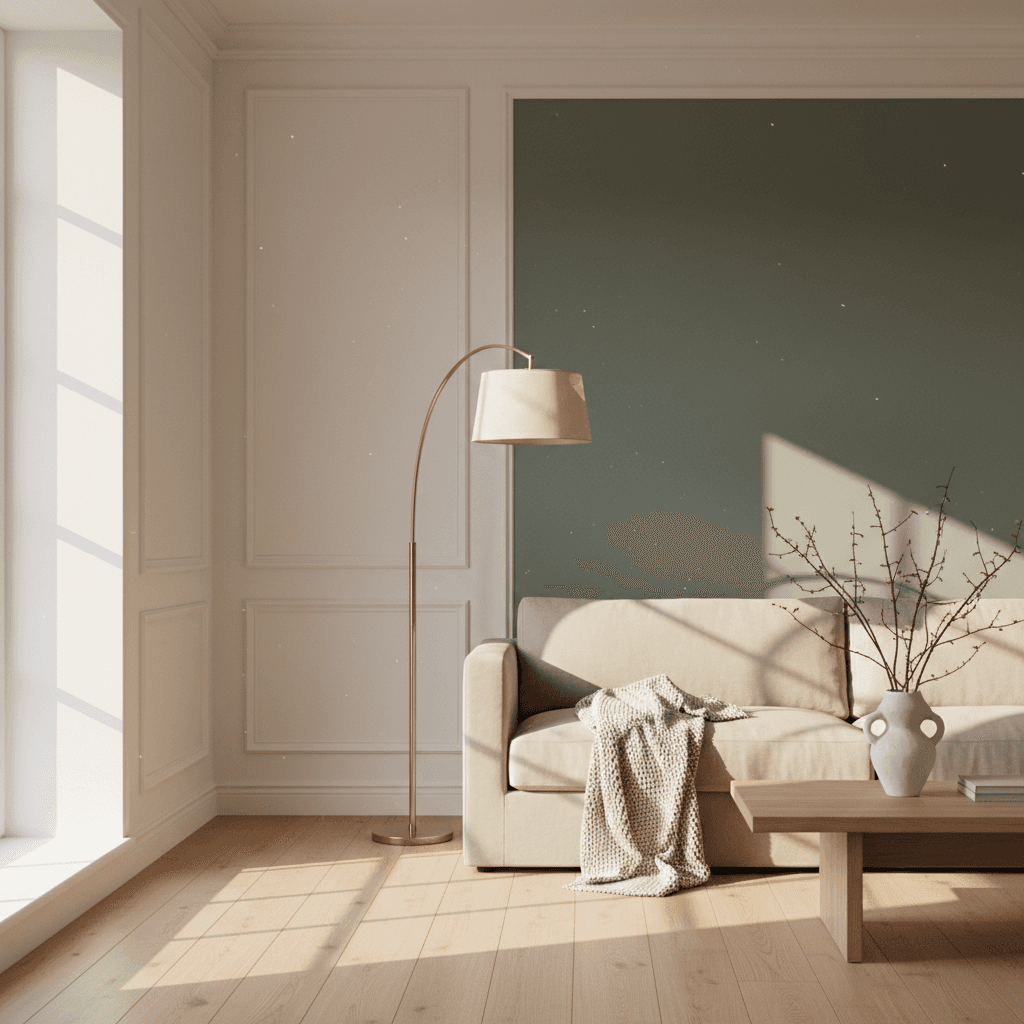
Warm whites are still dominant: Benjamin Moore Swiss Coffee, Sherwin Alabaster, Farrow & Ball Wevet. Saturated accent walls in deep green (Sherwin Pewter Green, Benjamin Hunter Green) and warm terracotta (Sherwin Cavern Clay) have replaced the navy blue trend of recent years. Earthy neutrals dominate.
Prep is what separates a paint job that looks professional from one that does not. Skipping nail-hole patching, glossy-surface sanding or proper masking shows in every photo of the room. Ask how much prep time the painter has scheduled before any paint touches the wall.
Ask for relevant work, current license or registration where required, and insurance. Get the product, surfaces, preparation and coat scope in writing. For work disturbing painted surfaces in pre-1978 homes, check whether EPA or state lead-safe renovation requirements apply before preparation begins.
Compare the complete specification, not just the price per unit. Ask which preparation, installation and finish work the allowance includes.
Typical service life: 3 to 10 years · Regional fit: Both
Hides wall flaws better than glossier sheens
Typical service life: 3 to 10 years · Regional fit: Both
Glossier sheens resist stains and are easier to clean
Typical service life: 3 to 10 years · Regional fit: Both
About $2 more per gallon for each step up in gloss
Typical service life: 3 to 10 years · Regional fit: Both
Priced about the same as high-gloss enamel
The guide’s planning timeline is 4 to 5 hours for a medium bedroom. Ask the contractor to separate design, approvals, ordering and construction in the schedule for your scope.
Test colors and sheens in the room’s actual light. Record the approved brand, product, color and sheen.
Agree on cleaning, patching, sanding and protection. Assess lead-safe requirements before disturbing old paint where applicable.
Follow the coating manufacturer’s preparation and primer requirements for the substrate, stains and color change.
Apply the specified coating system and review the finish before proceeding. Coverage depends on the product and surface.
Follow the product’s recoat instructions and agreed coat scope, accounting for conditions on site.
Complete the agreed trim and door work, inspect for touch-ups and confirm cleanup before closeout.
Give each contractor the same project description and product selections. Ask what is included, excluded or left as an allowance, who handles approvals, and how changes will be agreed in writing.
In NAR's 2025 Remodeling Impact Report, 50% of REALTORS said they recommend sellers paint the entire home before selling, the top answer, and 41% recommended painting one room. The report does not publish a cost-recovery figure for interior painting.
Work disturbing paint in pre-1978 housing may be covered by EPA or state lead-safe renovation requirements. Confirm the scope and firm credentials before sanding or demolition.
The prices here are HomeAdvisor's national figures: a per square foot rate of $2 to $6 with paint included, and the whole-project ranges it lists for a bedroom, a 1,200 sq ft home and a 2,500 sq ft home. Times come from HomeGuide's hours per room.
Start with the authority responsible for your property. Costs and requirements vary within a metro. Browse California city guides.
Editorial planning notes; confirm the current scope, requirements and prices locally.
The tier ranges above are national figures from HomeAdvisor. Labor is 75% to 95% of a painting bill, so local painter pay, wall height, texture and how much prep the walls need decide where a Los Angeles, Bay Area or San Diego quote lands. Get two or three itemized bids for the same scope.
The tier ranges above are national figures from HomeAdvisor. Labor is 75% to 95% of a painting bill, so local painter pay and the prep your walls need drive a Greater Seattle quote. Ceilings stained by smoke or water need a stain-blocking primer before the topcoat.
HomeAdvisor prices interior painting at $2 to $6 per square foot including paint and materials, and lists a 1,200 sq ft home at $2,400 to $7,200 and a 2,300 sq ft home at $4,600 to $13,800. A 1,500 sq ft house falls between those rows. Walls alone average about $2.75 per square foot, and walls, trim and ceilings about $4.70.
Both brands sell several product lines at different price points, with premium lines such as Sherwin-Williams Emerald and Benjamin Moore Aura. The line and sheen change the price more than the brand name does. Since labor is 75% to 95% of the bill, pick the line your painter knows well and ask for it by name in the written bid.
HomeGuide estimates 4 to 5 hours to paint a medium bedroom and 5 to 7 hours for a living room, including moving furniture, taping, covering floors, prep and cleanup. Trim and baseboards add 1 to 2 hours per room. A whole house takes several working days, and dry time between coats sets the pace. Empty homes paint faster than furnished ones.
Three cases need primer: new drywall, stain blocks (water marks, smoke), and major color shifts (dark to light or covering bright color). Same-color repaints on clean walls in good condition do not need primer if you use premium paint. Ask the painter to state in the bid whether primer is included and on which surfaces.
Flat or matte for ceilings and low-traffic bedrooms. Eggshell or satin for living rooms and hallways (washable, slightly warm). Semi-gloss for trim, doors, kitchens, and bathrooms (durable, scrubbable). Skip high-gloss except for accent doors or millwork. Glossier sheens show wall flaws more, so good patching matters more under them.
A Renology representative calls to understand your plans and connects you with suitable contractors.
Find a ProFree to request a match. No obligation to hire.