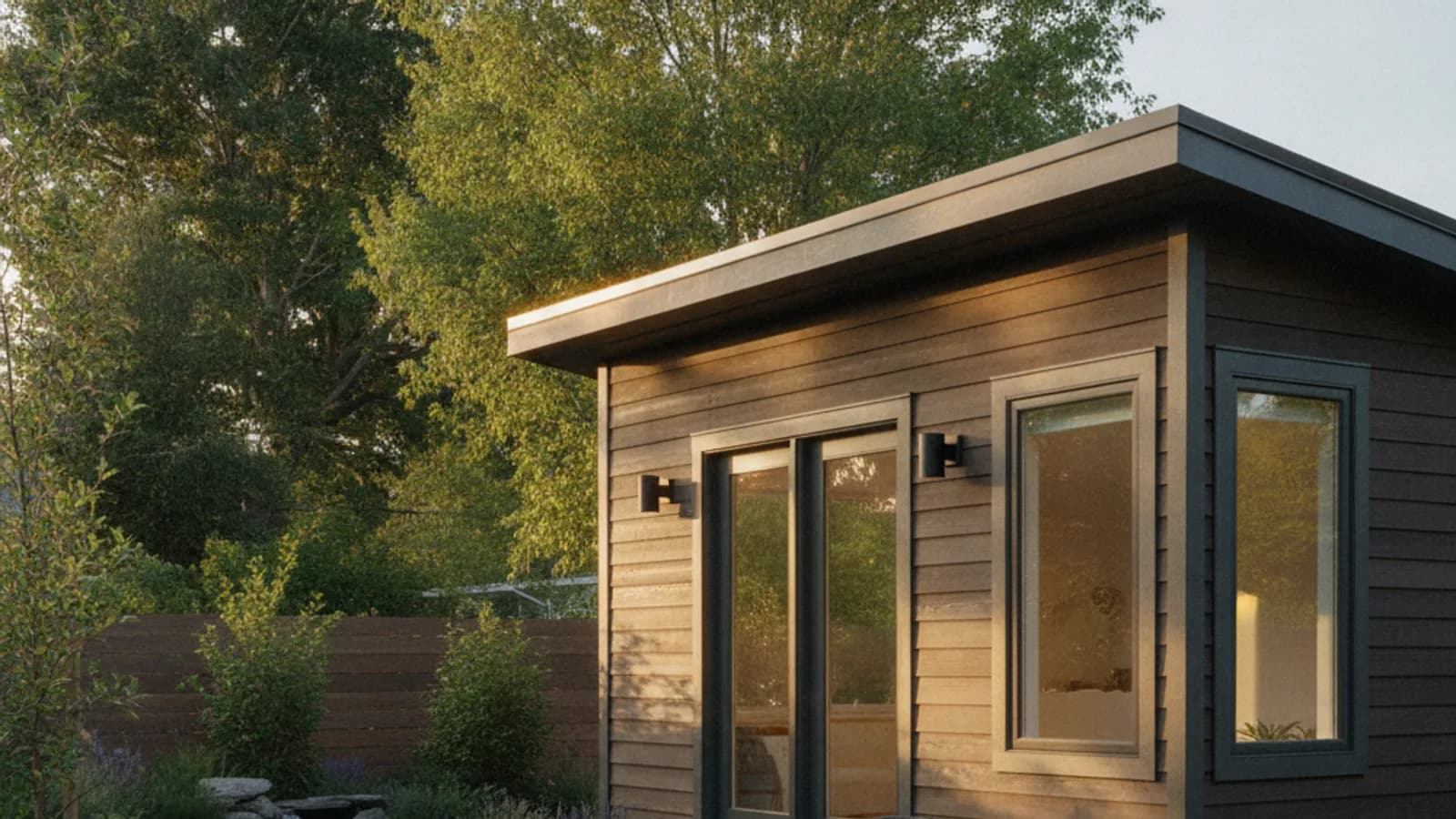
Homeowners looking to build an accessory dwelling unit (ADU) or convert a garage face vastly different timelines depending on where they live, a Renology analysis of permit data shows.
San Francisco is fastest, San Diego is slowest for ADU permits
San Francisco is the fastest city for securing these permits, with a median wait of just 69 days. At the other end of the spectrum, San Diego homeowners face the longest delays, with a median wait of 185 days. These differences of several months can significantly impact a project's budget, construction schedule, and a homeowner's financing costs.
The findings come from the Renology Permit Timelines dataset, which includes 64,427 permits for ADUs and garage conversions across Los Angeles, San Diego, San Francisco, and Seattle. Understanding these timelines is a critical first step for any homeowner embarking on a major renovation. A longer permit process means more time paying for a property before it can be used or generate rental income, and it can complicate scheduling with contractors who are often booked months in advance.
San Francisco sets the pace with a 69 day median
San Francisco's building department is the most efficient of the four cities we analyzed. The median time from application to an issued permit is 69 days. This means half of all homeowners get their permit in a little over two months. Our data shows that 55% of all ADU and garage conversion permits in the city are issued within 90 days, giving a majority of applicants a relatively quick path to starting construction.
However, the experience can vary widely. The spread between the fastest and slowest approvals is large. While 25% of permits are issued in a remarkably fast 14 days or less, another 25% take 219 days or longer. This highlights that while the system is fast for many, some projects still get stuck in lengthy reviews.
The key to San Francisco's speed appears to be its review tracks. Projects that qualify for an "otc alterations permit" (over the counter) see a median wait time of just 30 days, with 79% approved within 90 days. In contrast, more complex projects classified as "additions alterations or repairs" face a much longer median wait of 278 days, with a mere 1% issued within 90 days. This demonstrates how crucial it is for homeowners and their design professionals to prepare applications that meet the requirements for the fastest possible review track.
Seattle and Los Angeles occupy the middle ground
3 ADU builders, editor-screened. 4 questions.
See my 3 matchesSeattle's permit timeline is closer to the faster end of the scale. The city has a median wait of 112 days, or just under four months. Thirty-eight percent of permits are issued within the 90 day mark. For homeowners, this means a predictable, though not exceptionally fast, process. The 25th percentile is 63 days, while the 75th percentile is 187 days, showing less extreme variability than in San Francisco. Within Seattle, permits for an "Addition/Alteration" are quicker, with a median of 99 days, while permits for "New" construction take significantly longer at a 170 day median.
Los Angeles presents a more complex picture, with an overall median wait time of 144 days. Only 33% of permits are issued within 90 days. The city's timeline is highly dependent on the type of review process the application enters. This is the most important factor for any LA homeowner to understand. Projects that go through the standard "Regular Plan Check" face a lengthy median wait of 243 days, with only 9% approved in under 90 days. However, homeowners whose projects qualify for streamlined processes see much faster results. The "Expanded Counter Plan Check" has a median wait of 112 days, and the "Plan Check at Counter" is even faster at 106 days. For these faster tracks, 42% to 45% of permits are issued within 90 days, bringing the experience much closer to that of Seattle or San Francisco.
San Diego homeowners face the longest delays
Among the four cities analyzed, San Diego has the slowest permit processing times for ADUs and garage conversions. The median wait from application to issuance is 185 days, or just over six months. This extended timeline can pose significant challenges for homeowners trying to manage budgets and construction schedules. The data reveals that only 23% of applicants receive their permit within 90 days, the lowest share of any city in our report.

The range of outcomes in San Diego is also wide, indicating a less predictable process. While the fastest 25% of permits are issued in 94 days or less, the slowest 25% take 359 days or more to be approved. A potential year long wait for a permit can jeopardize a project entirely. In San Diego, the slowest city in our analysis, the median wait was 185 days, with only 23% of permits issued within 90 days. For homeowners, this means building a significant buffer into the project timeline is not just advisable, it is essential for a successful outcome. Planning for a six month wait, and being prepared for a longer one, is a realistic approach based on our data.
What homeowners should do now
Navigating the permit process is a critical phase of any ADU or garage conversion project. Based on our data, here are several steps homeowners should take:
- Investigate your local review tracks. As seen in Los Angeles and San Francisco, the specific type of permit you apply for can change your wait time by months. Work with your architect or designer to see if your project can be designed to meet the criteria for an over the counter or expedited review process.
- Build your timeline around the data. Use the median for your city as a baseline for your project schedule. For a more conservative plan, use the 75th percentile number. This gives you a realistic estimate of how long you may have to wait before construction can begin. A detailed timeline is essential for coordinating with a vetted contractor.
- Prepare a complete and accurate application. The primary cause of delays is an incomplete or incorrect application that requires multiple rounds of corrections and resubmissions. Double check every document before you submit to avoid unforced errors that can add weeks or months to your wait.
- Consult our resources. For more information on planning your project, see our comprehensive ADU guide, which covers costs, design, and construction considerations.
Methodology
How Renology builds this guide
Renology combines public permit and labor signals, supplier pricing, remodeler quote patterns, and editorial review of comparable projects. Cost references are planning ranges, not fixed bids, because site conditions, materials, access, permits, and finish level can change the final price.
- Benchmarked against the Renology Cost Index, related service guides, and the Renology Methodology.
- Reviewed for local market context when a local market is available.
- Focused on ADU scope, materials, timeline, contractor risk, and budget drivers.
Ready to find a pro?
Tell us about your project and location. A Renology advisor can help you explore contractor matching.
Free for homeowners. No obligation to hire.
Find a ProSources
Follow Renology on Google
Choose Renology as a preferred source and our guides show up more often in your Google results, including Top Stories and AI Overviews.