Service Guide
Roofing
in California
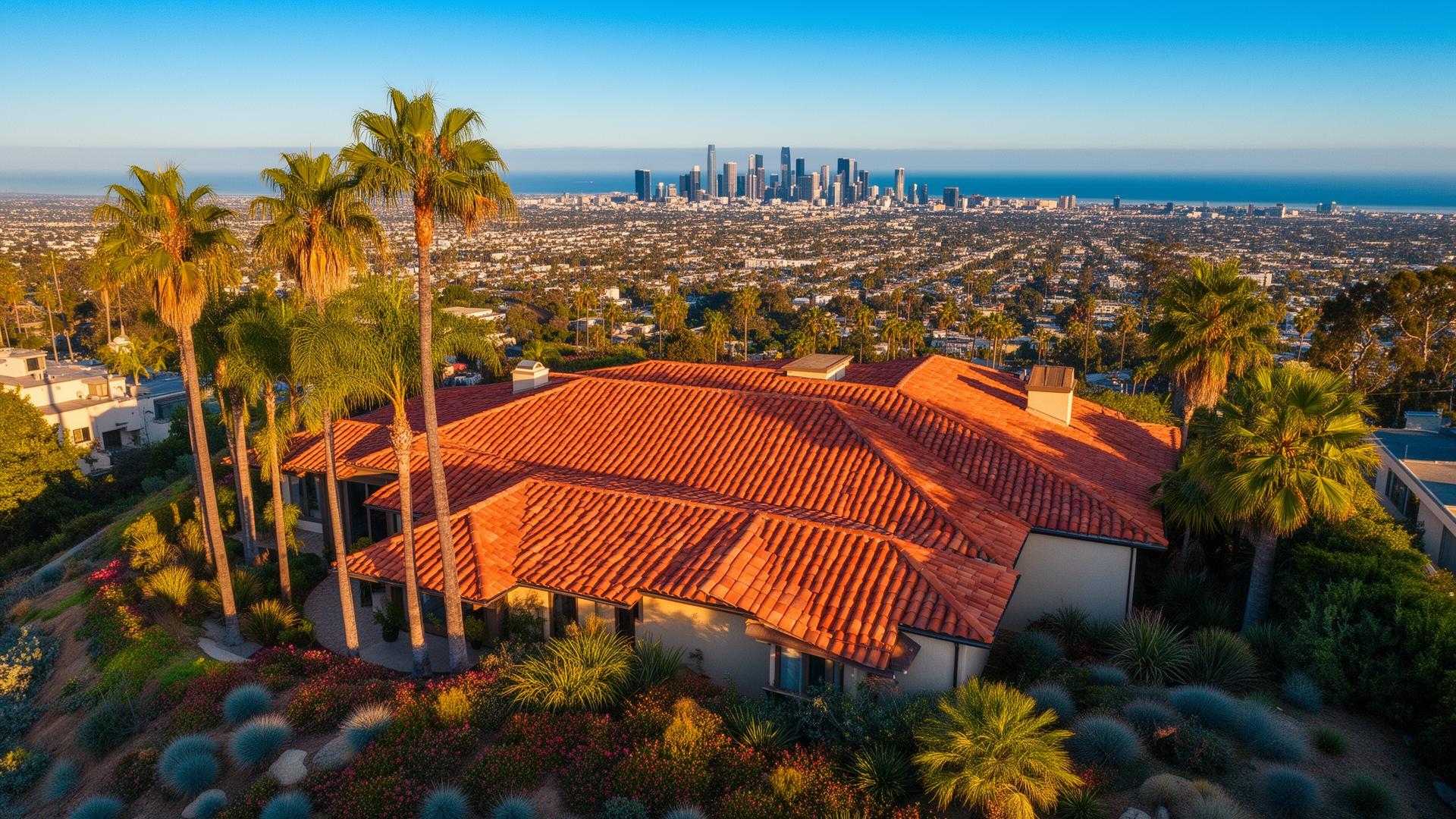
Fire-rated, energy-efficient roofs designed for the Southern California climate. From clay tile to cool metal, your complete guide.
$4 to $25
Per sq ft installed
1 to 8 Days
Installation time
Class A
Required in fire zones
50 to 100+ Yrs
Clay tile lifespan
Understanding California Roofing
Why Roofing in California Is Different
Your roof is your home's first line of defense, and in California, it faces a unique combination of extreme challenges. Long, dry summers mean California roofs take relentless UV radiation, and dark-colored roofs run far hotter than the air around them.
Fire is the other defining challenge. Large portions of California fall within designated Very High Fire Hazard Severity Zones, where enhanced fire-resistant roofing materials and construction methods are mandatory. California's Title 24 standards add another layer of requirements specific to California roofing.
Did You Know?
A cool-rated roof reflects solar heat instead of soaking it up. The EPA says a cool roof can cut peak cooling demand in air-conditioned homes by 11 to 27 percent.
How Much Does a New Roof Cost in California?
HomeGuide puts a new roof at $7,500 to $16,000 for architectural asphalt shingles, $10,500 to $47,500 for concrete tile, $20,000 to $55,000 for clay tile, and $13,500 to $40,000 for standing seam metal. Those are national installed ranges, and California sits near the top: Los Angeles metro households reported a median of $14,290 on roofing work in the Census Bureau's 2023 housing survey, against $10,000 nationally. When half or more of a steep roof is replaced, Title 24 requires a cool roof in Climate Zones 4 and 8 through 15, and inside a fire hazard severity zone the roof covering must be at least Class A.
California Fire Zones & Roof Material Requirements
Fire safety is the defining regulatory factor for roofing in California. The state maps every property into fire hazard severity zones, and the classification of your property directly determines which roofing materials are allowed, which construction methods are required, and what additional fire-hardening measures must be implemented.
Very High Fire Hazard Severity Zones (VHFHSZ)
Properties in VHFHSZ zones face strict roofing requirements. Class A fire-rated roofing is mandatory with no exceptions. Class A is the highest fire resistance rating, meaning the roof covering can withstand severe fire exposure without flame penetration or sustained burning. You can verify your property's fire zone classification using the CAL FIRE FHSZ map or, for properties in Los Angeles, the ZIMAS (Zone Information and Map Access System) tool at zimas.lacity.org.
Class A Fire-Rated Materials
The following materials carry a Class A fire rating and are approved for use in all California fire zones: concrete tile (inherently non-combustible), clay tile (inherently non-combustible), standing seam and metal panel roofing (non-combustible), fiberglass-based asphalt shingles (Class A when installed with proper underlayment), and synthetic slate and shake (engineered to Class A standards). Wood shakes and shingles are Class B or C and are prohibited in VHFHSZ zones. Even outside fire zones, many California insurers are dropping coverage for homes with wood roofing.
WUI (Wildland-Urban Interface) Building Standards
California's WUI standards go beyond the roof surface itself. In fire zones, the following additional measures are required: ember-resistant vents that keep burning embers out of the attic (the Department of Insurance describes 1/16 to 1/8 inch noncombustible metal mesh), non-combustible eaves and fascia or eaves enclosed with fire-resistant materials, and ignition-resistant materials near the roofline including gutters, trim, and any attached structures. These requirements exist because post-fire investigations consistently show that ember intrusion through roof vents and ignition of combustible eave materials are leading causes of home loss during wildfires.
Insurance Impact
A Class A fire-rated roof is one of the steps in the state's Safer from Wildfires program, and the California Department of Insurance says every action under that program qualifies for an insurance discount. In some fire-prone areas, the roof can also decide whether an insurer offers coverage at all.
Cool Roofs & Title 24 Compliance
California's Title 24 Building Energy Efficiency Standards include specific cool roof requirements that apply to most residential re-roofing projects. Understanding these requirements is essential because non-compliant roofing materials cannot be legally installed on California homes in affected climate zones.
What Title 24 Requires
When 50 percent or more of a steep-sloped roof is replaced, the Energy Commission's 2025 residential alterations form requires a cool roof in Climate Zones 4 and 8 through 15, which take in much of inland California. Several zones, including the mildest coastal ones, are not on that list, so check your address's climate zone before you pick a color. A cool roof must meet minimum performance values: aged solar reflectance of 0.20 and thermal emittance of 0.75, or a Solar Reflectance Index (SRI) of at least 16. These values mean the roof reflects a meaningful portion of solar energy rather than absorbing it as heat.
Cool Roof Material Options
Multiple material categories meet Title 24 cool roof requirements. Light-colored asphalt shingles with cool-rated granules are the most affordable option and are available from all major manufacturers (look for the CRRC or Energy Star label). Clay and concrete tile are naturally cool-rated due to their thermal mass and reflective properties, making them a preferred choice in California. Cool-coated standing seam metal with reflective paint finishes is widely available in rated colors and lasts 30 to 80+ years, per HomeGuide. Synthetic slate and shake products are also available in cool-rated formulations.
Energy Savings & Comfort Impact
Cool roofs deliver measurable energy savings in California's sunny climate. The EPA reports that in air-conditioned homes a cool roof can reduce peak cooling demand by 11 to 27 percent, and in homes without air conditioning it can lower maximum indoor temperatures by 2.2 to 5.9 degrees Fahrenheit. Beyond energy bills, cooler attics extend the lifespan of HVAC equipment, reduce thermal stress on roof deck materials, and improve indoor comfort in rooms directly below the roofline.
Title 24 Compliance Tip
When getting roofing quotes in California, always confirm that the proposed materials are CRRC (Cool Roof Rating Council) rated and meet Title 24 requirements for your climate zone. Non-compliant installations will fail inspection and must be replaced at the contractor's expense if specified correctly in the contract.
Why It Matters
6 Reasons California Roofing Is Different
Fire Protection for Your Family
Inside a fire hazard severity zone, California requires a Class A roof covering on new roofs and major re-roofs. Enhanced materials and ember-resistant construction provide critical protection during wildfire events.
Lower Cooling Costs
Cool-rated roofing materials reflect solar radiation instead of absorbing it. The EPA says a cool roof can cut peak cooling demand in air-conditioned homes by 11 to 27 percent.
Decades of Service
HomeGuide puts clay tile at 50 to 100+ years, concrete tile at 30 to 50+ years, and metal roofs at 30 to 80+ years. Your new roof may be the last roof your home ever needs.
Title 24 Compliant & Code-Ready
A quality installation meets California Title 24 cool roof requirements wherever they apply. No surprises at inspection, no code violations, no costly corrections.
Massive Curb Appeal Impact
Your roof is one of the largest visible surfaces of your home. A new roof dramatically transforms appearance and translates directly to property value in California's competitive market.
Solar-Ready Options
Modern California roofing can be designed for seamless solar panel integration or built-in solar tiles, preparing your home for clean energy without a future re-roof.
The Process
How a Roofing Project Works
HomeGuide says most roof replacements take 1 to 8 days of on-site work
Roof Inspection & Assessment
Day 1A comprehensive roof inspection using both physical assessment and drone photography evaluates the condition of the existing roof, identifies damage, assesses ventilation, and determines whether repair or replacement is the best option.
Material Selection & Proposal
PlanningBased on the home's architecture, budget, fire zone designation, and Title 24 requirements, the best roofing materials are recommended with detailed proposals, material specs, warranty info, and fixed pricing.
Permitting
Before Tear-OffA roof replacement needs a building permit from the local building department, which is LADBS in the City of Los Angeles. Applications are prepared and submitted, and the permit also triggers the Title 24 cool roof and fire zone checks.
Tear-Off & Installation
1 to 8 DaysExisting roofing is removed, the roof deck inspected and repaired as needed, new underlayment and ice/water shield installed, and new roofing material installed per manufacturer specifications.
Final Inspection & Warranty
CompletionA thorough quality inspection is conducted, city building inspection scheduled, the property cleaned, and warranty documentation provided. Get both the manufacturer warranty and the roofer's workmanship warranty in writing.
Compare Materials
Roofing Materials for California Homes
National installed prices and lifespans from HomeGuide
| Material | Cost/sqft | Typical Total | Lifespan | Fire Rating | Wind | California Climate | Best For |
|---|---|---|---|---|---|---|---|
| Cool Asphalt Shingles | $4 to $6/sqft | $7.5K to $16K | 20 to 30 years | Class A | Good | ★★★ | Budget re-roofs |
| Concrete Tile | $7 to $19/sqft | $10.5K to $47.5K | 30 to 50+ years | Class A | Excellent | ★★★★ | Spanish/Mediterranean |
| Clay Tile | $8 to $25/sqft | $20K to $55K | 50 to 100+ years | Class A | Excellent | ★★★★★ | Premium traditional |
| Standing Seam Metal | $9 to $16/sqft | $13.5K to $40K | 30 to 80+ years | Class A | Excellent | ★★★★★ | Modern/contemporary |
| Synthetic Slate | $9 to $12/sqft | Varies by roof | 30 to 50 years | Class A (check product) | Very Good | ★★★★ | Historic/Craftsman |
Cool Asphalt Shingles
Best for: Budget re-roofs
Concrete Tile
Best for: Spanish/Mediterranean
Clay Tile
Best for: Premium traditional
Standing Seam Metal
Best for: Modern/contemporary
Synthetic Slate
Best for: Historic/Craftsman
Editor's Pick: Clay tile is the quintessential California roof: fire-resistant, Title 24 compliant, long-lasting, and suited to Southern California architecture. For modern homes, standing seam metal offers a long lifespan and straightforward solar panel mounting.
California Local Guide
California-Specific Roofing Requirements
Title 24 Cool Roof Requirements
When 50 percent or more of a steep-slope roof is replaced in Climate Zones 4 and 8 through 15, the roof must meet cool roof standards: minimum aged solar reflectance of 0.20 and thermal emittance of 0.75, or an SRI of at least 16. Very dark-colored materials may not qualify unless they use special cool-pigment technology. Always verify Cool Roof Rating Council certification before purchasing.
Fire Zone Requirements
Inside a fire hazard severity zone, the California Residential Code requires at least a Class A roof covering on new roofs and when more than 50 percent of the roof is replaced within a year. In Very High Fire Hazard Severity Zones (Hollywood Hills, Pacific Palisades, Bel Air, Brentwood hills, Topanga Canyon), additional requirements apply: ember-resistant venting, non-combustible fascia and eave materials, and specific underlayment requirements.
Seismic Considerations
Heavy roofing materials like clay and concrete tile add significant weight. In earthquake-prone California, this weight must be properly supported. Older homes may need structural reinforcement before heavy tile installation. Lightweight materials like metal and synthetic products reduce seismic load.
Neighborhood Style Guide
Spanish Colonial & Mediterranean
Pasadena, Hancock Park, Los FelizClay tile in terracotta or earth tones is the authentic and expected choice.
Modern & Contemporary
Hollywood Hills, Westside, DTLAStanding seam metal in dark bronze, zinc, or matte black. Excellent solar integration.
Craftsman & Tudor
Pasadena, Highland Park, West AdamsSynthetic slate or shake provides textured look without maintenance or fire risk of real wood.
Ranch & Mid-Century
Valley, Westchester, CovinaCool-rated asphalt shingles offer the most budget-friendly option for low-pitch roofs.
Public reviews
How homeowners rate our roofing contractors
These are the public ratings of contractors on the Renology roster who do this work. Renology does not host or edit these reviews, so read them at the source.
- American Home Improvement
Woodland Hills
4.9out of 5 from 230 reviews
- Peak Builders & Roofers
San Diego
4.9out of 5 from 156 reviews
- Maingreen Remodel & Construction
Los Angeles
4.9out of 5 from 154 reviews
- Marina Bay Roofing
San Francisco
5.0out of 5 from 102 reviews
Read them on Google
- Top of Mind Home Remodeling
Valley Village
4.9out of 5 from 65 reviews
Read them on Google
- Summit Remodeling Group
Los Angeles
5.0out of 5 from 60 reviews
Read them on Google
FAQ
Frequently Asked Questions
Sources
- HomeGuide: Roof Replacement Cost (updated November 7, 2025)
- HomeGuide: Tile Roof Cost (updated April 5, 2023)
- HomeGuide: Slate Roof Cost (updated April 5, 2023)
- U.S. Census Bureau: American Housing Survey 2023, Home Improvement Costs (2023 survey data)
- California Energy Commission: CF1R-ALT-01-E, 2025 Single-Family Prescriptive Residential Alterations (dated January 1, 2026)
- International Code Council: 2022 California Residential Code, Chapter 9, Section R902.1.1 (2022 edition)
- U.S. EPA: Using Cool Roofs to Reduce Heat Islands (updated June 18, 2026)
- California Department of Insurance: Safer from Wildfires (accessed September 2026)
Find help with your roofing project
A Renology advisor calls to understand your project and connect you with suitable contractors. Discuss your scope and request quotes directly from the contractors.
- Tell us about your project
- Speak with an advisor
- Connect with contractors
The contractors provide your project quotes.
Keep reading
Related renovation guides.
Continue through adjacent scopes so bids, permits, and material choices make sense together.
Your Next Step: Finding a Roofing Contractor in California
Browse top-rated roofers in California, compare quotes, and get matched for free.
Find a Trusted ProAn advisor discusses your project · Contractors provide the quotes