Service Guide
Hardscaping
in California
Patios, walkways, retaining walls, and outdoor structures built to last. California's comprehensive guide to designing durable, beautiful hardscape features.
$10 to $45
Per sq ft installed
Over 4 Ft
Walls need engineering
50+ Yrs
Travertine and slate lifespan
46%
Patio cost recouped (CvV 2025)
Understanding Hardscaping
What Is Hardscaping?
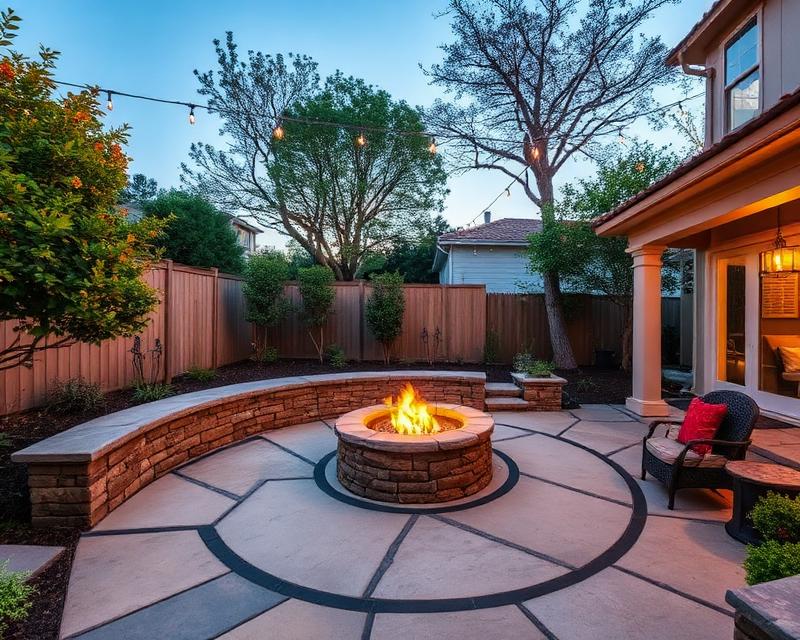
Hardscaping refers to the non-living, structural elements of your outdoor landscape: patios, walkways, retaining walls, steps, fire pits, outdoor fireplaces, seat walls, and decorative stone features. In California, hardscaping plays an outsized role because the climate allows year-round outdoor living.
A well-designed hardscape creates functional outdoor rooms that extend your home's livable area. Your patio becomes a dining room, your fire pit area becomes a living room, and your walkways become the hallways connecting them.
Did You Know?
A well-planned patio works like an extra room for much of the year in California, for far less per square foot than adding space indoors.
How Much Does Hardscaping Cost in California?
HomeGuide's national installed prices put most patio surfaces at $10 to $45 per square foot, depending on material and installation method. Paver patios run $10 to $17 per square foot. Stone patios run $16 to $35, and flagstone $15 to $45 depending on whether it is dry-laid or set in mortar or concrete. Retaining walls average $35 to $65 per square foot of wall. For a full build, Cost vs Value 2025 prices a backyard patio project with a flagstone patio, fire pit, pergola, and outdoor kitchen at $55,070 in Los Angeles.
Hardscaping Projects: Retaining Walls, Walkways & Fire Pits
Every hardscaping project in California falls into one of several categories, each with its own cost structure, permitting requirements, and design considerations. Understanding the specifics of each project type helps you budget accurately and communicate effectively with contractors.
Retaining Walls
Retaining walls are among the most common hardscaping projects in California, especially on hillside properties throughout the state. HomeGuide puts the average at $35 to $65 per square foot of wall, materials and labor included. Segmental block walls are the most economical type at $15 to $35 per square foot and handle heights up to 3 to 4 feet without additional reinforcement. Cantilevered walls run $40 to $80 and are the usual choice over 4 feet. Natural stone walls range from $20 to $95 per square foot depending on the stone, and blend naturally with California landscapes.
HomeGuide notes that walls 4 feet or higher usually need a structural engineer's design, and most cities require permits for walls over 3 to 4 feet tall. On California hillsides, the city may also ask for a soils report. Proper drainage behind the wall, including perforated pipe at the base, gravel backfill, and weep holes, is non-negotiable in any climate but especially critical in California where seasonal rains can saturate slopes rapidly.
Walkways & Pathways
HomeGuide puts a stone walkway at $16 to $35 per square foot installed and a paver walkway at $15 to $40. Dry-laid flagstone runs $15 to $32 per square foot and is a popular choice for natural-looking landscapes. Interlocking concrete pavers offer the widest range of colors and patterns. For homes with accessibility needs, the ADA Standards are a useful benchmark: accessible routes need at least 36 inches of clear width, a stable surface, and a running slope no steeper than 1:20.
Fire Pits & Outdoor Fireplaces
HomeGuide puts a gas fire pit installation at $3,500 to $8,000 for labor and materials, and a stone patio with a fire pit at $2,200 to $6,800. An outdoor fireplace costs $1,500 to $9,000 installed for a prefab unit or $6,000 to $20,000 for a custom build. Local fire rules can be strict: some jurisdictions restrict wood-burning fire pits, and gas-fueled units must keep required clearances from structures and property lines. Natural gas connections are often preferred over propane for permanent installations because they eliminate tank refills. Always verify local regulations before design, as rules vary significantly between California municipalities.
Seat Walls
Seat walls provide integrated seating around patios, fire pits, and garden areas. Build them at a comfortable chair height and deep enough to sit on, and top them with natural stone cap pieces for comfort and a finished look. Seat walls reduce the need for outdoor furniture in entertaining areas while adding permanent architectural definition to the space.
California Fire Pit Tip
Before investing in an outdoor fire feature, check your local fire district regulations. Some California cities restrict or ban wood-burning fire pits. Gas-fueled fire pits are more widely allowed and offer instant on/off control with no smoke or ash.
California Climate Advantages for Hardscaping
Much of California has a climate that is kind to hardscaping and makes it usable most of the year. Understanding these advantages helps you choose materials and plan how the space will be used.
No Freeze-Thaw Cycles: Materials Last Decades Longer
In cold-climate states, water seeps into tiny pores in stone and concrete, freezes, expands, and cracks the material from within. This freeze-thaw cycle is a major cause of hardscape damage in the Midwest and Northeast. Most of lowland California rarely sees it, and HomeGuide notes that stamped concrete, for example, lasts longer in moderate climates where the ground doesn't freeze. With good installation, HomeGuide rates travertine, slate, and marble pavers at 50 to 100+ years, so your initial investment is spread over a long period.
Sunshine: Year-Round Outdoor Living
Much of California is dry and sunny for most of the year, which means hardscaped outdoor living spaces see regular use across the seasons. A patio that sits under snow all winter in Minnesota can be in use most months in California, which is a big part of what you get for the money.
Seismic Considerations: Interlocking Systems Outperform Rigid Installations
California's seismic activity adds a unique engineering consideration to hardscaping. Interlocking paver systems and dry-laid natural stone significantly outperform rigid poured concrete in earthquake zones. Interlocking pavers flex with ground movement and resettle without cracking, while poured concrete slabs are prone to fracturing during seismic events. This is why experienced California hardscaping contractors strongly recommend paver and natural stone systems over stamped or poured concrete for patios and walkways in seismically active areas.
Low Impact Development (LID): Permeable Hardscaping for Stormwater Compliance
California municipalities increasingly require Low Impact Development (LID) practices for new construction and major renovations. Permeable hardscaping, including permeable interlocking concrete pavers, porous asphalt, and gravel-set flagstone, allows stormwater to infiltrate the ground rather than running off into storm drains. Beyond compliance, permeable hardscaping reduces irrigation needs by directing rainwater to plant root zones and helps recharge local groundwater supplies, an important consideration in drought-prone California.
Climate Advantage
The same patio gets more months of use in most of California than in a cold-climate state, and it is spared the freeze-thaw damage that shortens hardscape life there. At resale, Cost vs Value 2025 finds a backyard patio project recoups 46% of its cost nationally and 47.2% in Los Angeles, so plan it for how you will use it.
Why Hardscaping
6 Reasons California Homeowners Choose Hardscaping
Extends Your Living Space Year-Round
California's long dry season means your hardscaped patio, fire pit area, and outdoor dining space work as an extension of your home for most of the year.
Built for California: Earthquake & Heat Resistant
Well-built hardscaping uses flexible joints that let surfaces move with the ground instead of cracking as one slab, and light, cool materials keep surfaces comfortable.
Eliminates Hillside Erosion
Retaining walls and terraced hardscaping transform unstable hillside properties into beautiful, usable outdoor spaces while preventing erosion and soil movement.
Manages Stormwater & Meets Code
Permeable hardscape materials and integrated drainage systems help you comply with California's Low Impact Development requirements while preventing flooding and runoff.
Decades of Service
HomeGuide rates travertine pavers at 50 to 100 years or more with proper maintenance and concrete pavers at 25 to 50 years. Built well, a patio or wall outlasts most other home improvements.
Adds Value You Use
Cost vs Value 2025 finds a full backyard patio project recoups 46% of its cost at resale nationally and 47.2% in Los Angeles. Most of the return is in how you use the space.
The Process
How a Hardscape Project Works
Consultation & Site Analysis
First VisitA professional surveys your property, assesses slopes, drainage, soil conditions, and existing structures. Your vision, lifestyle needs, and budget are discussed. For hillside properties, retaining wall requirements are evaluated.
Design & Engineering
Design PhaseThe design team creates detailed plans including material selections, grading plans, drainage solutions, and structural engineering for retaining walls. Many designers also provide renderings of the finished project.
Permitting
Before Work StartsAll permit applications are managed. Standard patios and walkways typically don't require permits. Retaining walls over 3 to 4 feet, grading changes, and structures with footings usually do. Applications go to the local building department (LADBS in Los Angeles).
Construction
Build PhaseThe crew executes the project: excavation, grading, drainage installation, base preparation, material installation, and finish work. Regular quality inspections at every stage.
Final Walkthrough & Warranty
Final DayA detailed inspection is conducted together, the site is cleaned, maintenance instructions provided, and workmanship warranty activated. Your new hardscape is ready to enjoy.
Materials Guide
Comparing Hardscape Materials
Every material performs differently in the California climate. Installed prices and lifespans below are HomeGuide national figures.
| Material | Cost / sq ft | Lifespan | Heat | Seismic | California Climate | Best For |
|---|---|---|---|---|---|---|
Concrete PaversBEST VALUE | $10 to $17 | 25 to 50 years | Moderate | Excellent | Patios, walkways | |
Natural Flagstone | $15 to $45 | 10 to 50 years | Low to Moderate | Excellent | Organic/rustic look | |
Travertine | $13 to $45 | 50 to 100+ years | Low (stays cool) | Excellent | Pool decks, elegant areas | |
Decomposed Granite | $100 to $225 per cu yd (stabilized, material only) | Erodes over time | Very Low | Excellent | Pathways, Zen areas | |
Stamped Concrete | $8 to $19 | 25 to 50 years | High | Poor | Large flat areas |
Concrete Pavers
BEST VALUECost / sq ft
$10 to $17
Lifespan
25 to 50 years
Heat
Moderate
Seismic
ExcellentCalifornia Climate
Best For
Patios, walkways
Natural Flagstone
Cost / sq ft
$15 to $45
Lifespan
10 to 50 years
Heat
Low to Moderate
Seismic
ExcellentCalifornia Climate
Best For
Organic/rustic look
Travertine
Cost / sq ft
$13 to $45
Lifespan
50 to 100+ years
Heat
Low (stays cool)
Seismic
ExcellentCalifornia Climate
Best For
Pool decks, elegant areas
Decomposed Granite
Cost / sq ft
$100 to $225 per cu yd (stabilized, material only)
Lifespan
Erodes over time
Heat
Very Low
Seismic
ExcellentCalifornia Climate
Best For
Pathways, Zen areas
Stamped Concrete
Cost / sq ft
$8 to $19
Lifespan
25 to 50 years
Heat
High
Seismic
PoorCalifornia Climate
Best For
Large flat areas
Our recommendation: Natural flagstone and travertine are strong choices for California because they stay cooler underfoot and are laid as individual units. Concrete pavers provide good value and versatility.
California Local Guide
Permits, Seismic Design & Neighborhood Insights
Permits & Regulations
Standard at-grade patios and walkways often do not require permits in California cities. Retaining walls over 3 to 4 feet, grading changes, and new drainage connections usually do.
The city's Low Impact Development ordinance may require stormwater mitigation for projects creating significant new impervious surface area.
Hillside Considerations
Hillside rules, such as Los Angeles' Baseline Hillside Ordinance, add requirements for grading, retaining walls, and drainage on sloped properties.
Engineered retaining walls are essential for creating usable flat areas. Properly designed terracing can transform an unusable hillside into beautiful outdoor living levels.
Seismic Design
All hardscaping in California must account for seismic activity. Flexible paver and stone installations with sand-set joints can move with the ground, while rigid poured concrete tends to crack.
Engineered retaining walls should account for seismic loads. Proper base preparation allows surfaces to absorb ground movement.
Neighborhood Insights
Hollywood Hills / Bel Air
Hillside engineering essential. Multi-level terracing maximizes space. Natural stone complements organic hillside aesthetic. Views should guide design orientation.
Pasadena / Altadena
Craftsman and historic district guidelines may influence material choices. Brick and flagstone complement period architecture. Tree root protection required near established trees.
Valley (Sherman Oaks, Encino)
Larger flat lots allow expansive patio designs. Heat-resistant materials important. Fire pits are popular for cool Valley evenings.
Coastal (Santa Monica, Venice)
Salt air makes a quality sealer worth asking about. Plan for sand blowing into joints. Contemporary large-format pavers popular with coastal modern architecture.
Public reviews
How homeowners rate our hardscape contractors
These are the public ratings of contractors on the Renology roster who do this work. Renology does not host or edit these reviews, so read them at the source.
- Concierge Home Remodeling
Woodland Hills
5.0out of 5 from 133 reviews
Read them on Google
- Exodus Construction & Remodeling
Westlake Village
4.7out of 5 from 89 reviews
Read them on Google
- Moda Outdoor Living
Woodland Hills
5.0out of 5 from 80 reviews
Read them on Google
- My Outdoor Builder
Los Angeles
5.0out of 5 from 70 reviews
- HQ Remodeling & Design
Huntington Beach
4.9out of 5 from 69 reviews
Read them on Google
- Edri Construction
San Francisco
4.8out of 5 from 67 reviews
Read them on Google
FAQ
Frequently Asked Questions
Sources
- HomeGuide: 2026 Paver Patio Cost | Paver Installation Costs (updated September 18, 2024)
- HomeGuide: How Much Does a Stone Patio Cost? (2026) (updated December 19, 2025)
- HomeGuide: How Much Does a Flagstone Patio Cost? (2026 Prices) (updated October 6, 2023)
- HomeGuide: How Much Do Travertine Pavers Cost? (2026) (updated April 16, 2026)
- HomeGuide: How Much Does Stamped Concrete Cost? (2026) (updated December 23, 2025)
- HomeGuide: How Much Does Decomposed Granite Cost? (2026) (updated July 30, 2024)
- HomeGuide: How Much Does a Retaining Wall Cost? (2026) (updated January 16, 2026)
- HomeGuide: How Much Does a Paver Walkway Cost? (2026) (updated January 6, 2026)
- HomeGuide: How Much Does a Stone Walkway Cost? (2026) (updated December 19, 2025)
- HomeGuide: How Much Does a Fire Pit Cost? (2026) (updated February 4, 2026)
- HomeGuide: How Much Does an Outdoor Fireplace Cost? (2026) (updated January 2, 2026)
- Journal of Light Construction: Cost vs Value 2025: National Data (Backyard Patio) (2025 edition)
- Journal of Light Construction: Cost vs Value 2025: Los Angeles, California (2025 edition)
- Journal of Light Construction: Cost vs Value 2025: San Francisco, California (2025 edition)
- Journal of Light Construction: Cost vs Value: Backyard Patio (project description) (2025 edition)
- U.S. Access Board: ADA Accessibility Standards (2010 Standards, sections 403.3 and 403.5.1) (accessed September 26, 2026)
Find help with your hardscaping project
A Renology advisor calls to understand your project and connect you with suitable contractors. Discuss your scope and request quotes directly from the contractors.
- Tell us about your project
- Speak with an advisor
- Connect with contractors
The contractors provide your project quotes.
Keep reading
Related renovation guides.
Continue through adjacent scopes so bids, permits, and material choices make sense together.
Your Next Step: Finding a Hardscape Contractor in California
Browse top-rated hardscape contractors in California, read reviews, and get matched for free.
Find a Trusted ProAn advisor discusses your project · Contractors provide the quotes