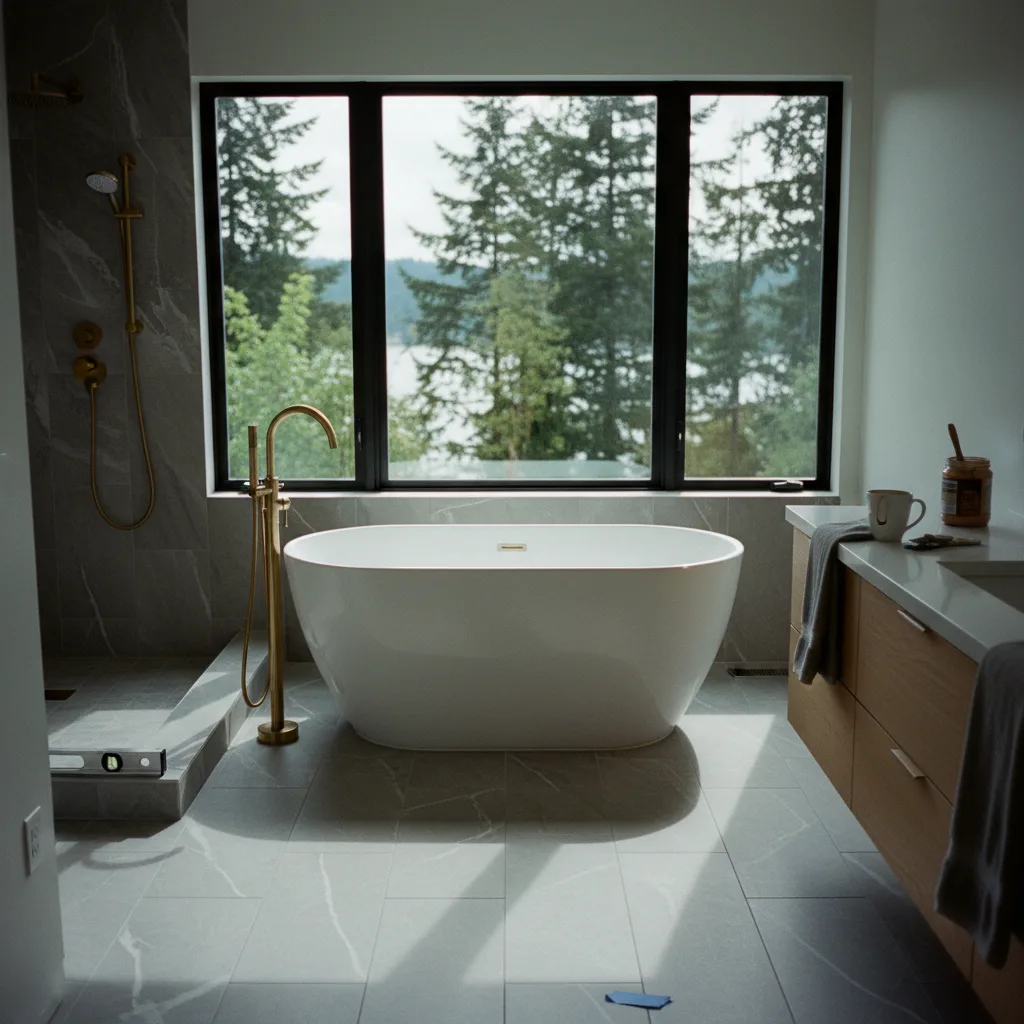
Planning a bathroom renovation in Mercer Island? A full project typically runs $30,000 to $50,000 in 2026. Cosmetic refreshes start near $18,000, while premium custom work can easily climb past $90,000. This is what your budget actually covers, what drives the price up, and how to vet a contractor who knows Mercer Island code.
The Honest 2026 Price for a Bathroom in Mercer Island
As the kitchens and baths editor for Renology, I review hundreds of project invoices each year. The data is clear: renovating on Mercer Island is a significant investment, with costs that reflect the area's premium real estate, skilled labor market, and discerning homeowner expectations. While national averages you see online might suggest lower figures, they fail to capture the specific economic and logistical realities of this unique community.
For 2026, a comprehensive, mid-range bathroom renovation in Mercer Island lands squarely between $30,000 and $50,000. This price point covers a full gut renovation of a standard five-by-eight-foot bathroom, including quality materials, professional design, and all necessary labor and permits. If you are looking for a simpler cosmetic update, swapping out a vanity and fixtures without changing the layout, you can expect to invest between $18,000 and $30,000. On the other end of the spectrum, a primary suite expansion involving structural changes, top-of-the-line materials like bookmatched marble slabs, and custom cabinetry will start at $60,000 and can readily exceed $90,000.
Understanding these tiers is the first step. The second is recognizing that the final invoice is a story told in labor, materials, and the complexities hidden behind your walls. Let’s break down the factors that will shape your final budget.
What Drives Bathroom Costs in Mercer Island
See what a bathroom remodel actually costs in your Mercer Island zip.
Take 4 questions →A bathroom budget is not just a list of fixtures and finishes. It is a complex equation of labor, materials, and local compliance. On Mercer Island, each of these variables carries a premium. The final cost is less about the price of a faucet and more about the expertise required to install it perfectly, the logistics of getting materials onto the island, and the rigor of the local building code.
Skilled Labor: The Premium for Island Expertise
The single largest component of any Mercer Island renovation budget, often accounting for 50 to 60 percent of the total cost, is skilled labor. This is not just about paying for a plumber or an electrician. It is about securing a team with a proven track record of working on the island. Experienced contractors understand the nuances of the housing stock, from mid-century ramblers to modern waterfront estates. They have established relationships with the City of Mercer Island’s Development Services department, which can smooth the permitting process., the simple logistics of getting a crew and their equipment to the island every day adds a marginal cost that is baked into every bid.
Materials and Finishes: From Builder-Grade to Bespoke
This is where your design vision directly translates to cost. The spectrum of material quality is vast, and your choices will significantly swing the budget.
- Tile: A standard ceramic subway tile might cost $8 per square foot, while a large-format porcelain slab designed to mimic Calacatta marble can run $45 per square foot. Natural stone, like Carrara or Thassos marble, requires specialized installation and sealing, adding to labor costs.
- Plumbing Fixtures: A faucet set from a big-box store might be $300. A high-end, solid brass set from a brand like Waterworks or Kallista in an unlacquered brass finish can cost $2,000 or more. The same applies to shower systems, with thermostatic valves and multiple body sprays adding thousands to the final price.
- Vanities and Cabinetry: A stock vanity from a supplier is the most budget-friendly option. A semi-custom piece allows for some personalization in size and finish. For a truly high-end bathroom, a fully custom, furniture-grade vanity built by a local cabinetmaker offers unparalleled quality and can become a statement piece, but it comes with a price tag to match.
The Unseen Costs: Permits, Waterproofing, and Code Compliance
Behind the beautiful finishes are the critical systems that make a bathroom function safely and last for decades. These are non-negotiable costs. Proper waterproofing, for example, is one of the most important investments you can make. A contractor using a modern, integrated system like Schluter-KERDI will charge more than one simply using a painted-on membrane over cement board, but the former offers superior, long-term protection against water damage. Upgrading ancient galvanized plumbing to copper or PEX, or bringing electrical wiring up to current code with dedicated GFCI circuits, can add thousands to a project but is often required by the Mercer Island City Code once walls are opened up.
Pro tip
Always budget for a 15 to 20 percent contingency fund. On Mercer Island, with its mix of older and newer homes, it is almost a guarantee that your contractor will uncover something unexpected during demolition, such as a rotted subfloor from a slow leak, outdated wiring, or uninsulated walls. This fund is not for upgrading your tile, it is for handling the unforeseen issues that could derail your project.
Mercer Island Bathroom by Tier: 3 Real Project Examples
To give you a clearer picture of what your investment gets you, we have analyzed recent project data from the Renology network. Here are three representative examples of bathroom renovations on Mercer Island, broken down by scope, cost, and timeline. These are based on a standard five-by-nine-foot secondary or guest bathroom.
| Tier | Typical Scope of Work | Cost Range (2026) | Timeline |
|---|---|---|---|
| Cosmetic Refresh | Keeping the existing layout and plumbing locations. Scope includes a new pre-fabricated vanity and top, new sink and faucet, new toilet, new light fixture and mirror, fresh paint, and new flooring (like luxury vinyl plank). No permit is typically required for this level of work. | $18,000 to $30,000 | 2 to 4 Weeks |
| Mid-Range Gut Renovation | A full demolition down to the studs. Includes a new tub or shower conversion with tiled walls (using quality porcelain), a new semi-custom vanity with a quartz countertop, all new plumbing fixtures, a new exhaust fan vented to the exterior, recessed lighting, and a heated tile floor. This work requires a permit. | $30,000 to $50,000 | 4 to 7 Weeks |
| Premium Primary Suite | Often involves reconfiguring the layout or expanding the footprint. Scope includes a custom-built vanity, natural stone countertops and tile, a curbless walk-in shower with a frameless glass enclosure and linear drain, a freestanding soaking tub, high-end fixtures from a designer brand, sophisticated lighting design, and premium features like a steam shower or smart toilet. | $60,000 to $90,000+ | 6, 10+ Weeks |
Permits and Local Code in Mercer Island
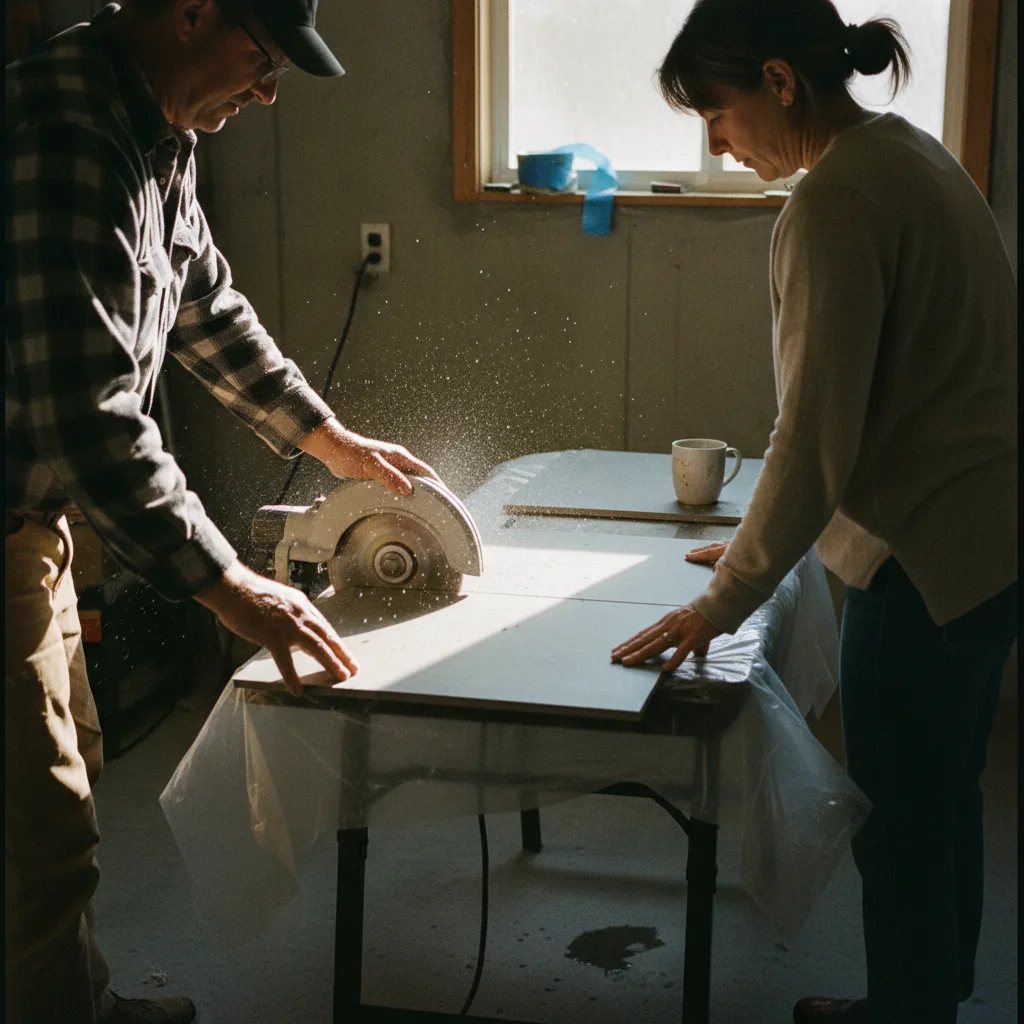
Any renovation that involves moving walls, altering plumbing supply or drain lines, or changing electrical wiring requires a permit from the City of Mercer Island Development Services. This is not a step to be skipped. The permitting process ensures that all work is performed to the standards of the Mercer Island City Code (MICC), which incorporates the Washington State Building Code. A final inspection provides a legal record that your bathroom is safe and compliant, which is critical for both your family's safety and your home's future resale value.
Navigating the Mercer Island Permitting Process
Your contractor should handle the entire permit application process. This involves submitting detailed architectural plans, plumbing diagrams, and electrical layouts for review. The city's plan checkers will verify that the project complies with all relevant codes, including the Washington State Energy Code, which dictates insulation and ventilation requirements. For a standard bathroom remodel, the permit review process in Mercer Island typically takes three to six weeks. More complex projects, especially those involving structural changes, may require additional engineering review and a longer timeline.
The most expensive part of any renovation is changing your mind after the work has begun.
Key Code Requirements to Know
While your contractor is the expert, it helps to be aware of a few key requirements. All new outlets must have Ground Fault Circuit Interrupter (GFCI) protection. New showers require a waterproof membrane that extends a specific height up the walls. A new, properly sized and ducted exhaust fan is mandatory to manage moisture and prevent mold growth, a critical consideration in the Pacific Northwest climate. An experienced local contractor will have these requirements built into their standard process.
The Mercer Island Neighborhoods Where Bathroom Costs Diverge
Not all renovations on the island are created equal. The age of the home, lot size, and predominant architectural style of a neighborhood can significantly influence the scope and cost of a bathroom project. Two areas exemplify this divergence: the North End and the South End.
The North End: Classic Homes, Complex Renovations
The North End of Mercer Island is known for its charming, established neighborhoods and a high concentration of mid-century modern homes. Renovating a bathroom here often becomes a study in respectful modernization. The challenge, and the cost, comes from integrating modern systems into older structures. It is common to discover original galvanized plumbing or knob-and-tube wiring once the walls are opened. Bringing these systems up to current code is not an optional upgrade, it is a requirement that adds significant labor and material costs., these homes often have smaller bathroom footprints, so achieving a more spacious feel might require clever design solutions or even moving walls, which immediately triggers more complex permitting and engineering.
In my last walkthrough in a 1960s home in the East Seattle neighborhood, a "simple" primary bath update quickly escalated. The plan was to install a larger, curbless shower. But demolition revealed the floor joists were undersized by modern standards to support the new structure and heavy tile. This required sistering new joists to the old ones, a costly and time-consuming change order that the homeowner's contingency fund thankfully covered.
The South End: Newer Builds and Waterfront Demands
In contrast, the South End features many larger, newer homes, including many waterfront properties. Here, the existing infrastructure is generally up to code, so renovations are less about remediation and more about high-end cosmetic upgrades. The budgets are driven by the pursuit of luxury. Homeowners in these areas are often specifying premium materials like bookmatched marble slabs for shower walls, custom floating vanities, and technologically advanced fixtures like smart toilets and digital shower controls. For waterfront homes, material selection is also key, with an emphasis on corrosion-resistant hardware and finishes that can withstand the moist, salt-tinged air. The scale of the bathrooms is also larger, meaning more square footage of expensive tile and stone to purchase and install.
Editor's note
Be mindful of material lead times, especially for high-end and European products. Custom cabinetry can take eight to twelve weeks to fabricate. Designer tile from Italy or Spain can have similar or longer lead times. A great contractor will insist on having every single material, from the tub to the tile, on-site before demolition begins to avoid costly delays.
Timeline: Realistic Week-by-Week Expectations
A successful renovation runs on a well-managed schedule. While the active construction may only take a few weeks, the total project timeline from your first call to a contractor to the final polish is much longer. Here is a realistic breakdown.
Phase 1: Design, Selections, and Bidding (4 to 8 weeks)
This is the most critical phase. Rushing here leads to expensive changes later. This period involves interviewing and selecting your contractor, finalizing the layout, and choosing every single finish. That means selecting the exact floor tile, wall tile, grout color, vanity, countertop, faucet, shower fixtures, toilet, lighting, and paint color. Your contractor will use these detailed selections to provide a fixed-cost bid.
Phase 2: Permitting and Procurement (4 to 12 weeks)
Once you sign a contract, your contractor will submit plans to the city for a permit. Simultaneously, they will begin ordering all your materials. As noted, long-lead items like custom vanities or imported tile can take several months to arrive. Construction should not begin until the permit is in hand and all materials are delivered and inspected.
Phase 3: Construction (3 to 8 weeks)
Once the crew arrives, things move quickly. A typical schedule for a mid-range gut renovation looks like this:
- Week 1: Demolition and Protection. The crew will seal off the work area to contain dust and tear out everything down to the studs and subfloor. This is when any hidden issues are discovered.
- Week 2: Rough-ins and Framing. The plumber and electrician will run new pipes, drains, and wires. Any framing changes for niches or new walls are completed. This week ends with the first inspection.
- Week 3: Insulation, Drywall, and Waterproofing. After the rough-in inspection passes, the walls are insulated and closed up with moisture-resistant drywall. In the shower area, waterproofing systems are installed.
- Week 4: Tile Installation. This is a meticulous, time-consuming process. The floor and wall tile are set, followed by grouting and sealing.
- Week 5: Painting and Cabinetry. The room is painted before the major fixtures are installed to ensure clean lines. The vanity and any other cabinetry are set in place.
- Week 6: Fixture Installation and Finishes. The plumber and electrician return to install the toilet, faucets, shower trim, lighting, and exhaust fan. The countertop and mirror are installed.
- Week 7: Final Touches and Punch List. The final details are handled: installing hardware, towel bars, and the shower door. You will do a final walkthrough with your contractor to create a "punch list" of any small items that need adjustment before you sign off and make the final payment.
How to Vet a Mercer Island Contractor
Choosing the right contractor is the single most important decision you will make. A great partner will guide you through the process, while a bad one can turn your dream project into a nightmare. Due diligence is essential.
Questions to Ask Every Potential Contractor
When you interview contractors, go beyond just asking for a price. Their answers to these questions will reveal their professionalism and experience.
- Are you licensed and insured in the state of Washington? Can you provide your L&I number and a certificate of insurance?
- How many bathroom renovations have you completed on Mercer Island in the last year?
- Can you provide three recent references from clients on the island?
- Who will be the dedicated project manager for my job? Will I be communicating with them daily?
- How do you handle unforeseen issues and change orders? Is the process clearly documented in writing?
- What is your approach to site protection and daily cleanup?
- What warranties do you offer on your workmanship?
Key takeaway
The cost of labor is the biggest variable and the most important investment. A detailed, professional bid from an experienced local contractor may be higher than one from a general handyman, but it reflects a deeper understanding of the code, logistics, and quality standards required for a successful, long-lasting renovation on Mercer Island.
Red Flags to Watch For
Be wary of contractors who exhibit these behaviors. They are often signs of inexperience or financial instability.
- An unusually low bid. This often means they have missed something in the scope or are using subpar materials or unlicensed labor. The costs will appear later in the form of constant, expensive change orders.
- A demand for a large upfront deposit. Washington state law has specific rules for contractor payments. A request for more than 25 percent of the project cost before work begins is a major red flag.
- Vague or lump-sum contracts. Insist on a detailed, itemized bid that breaks down the costs for labor, materials, and permits. If they will not provide this, walk away.
- High-pressure sales tactics. A good contractor is busy. They should not need to pressure you into signing a contract on the spot with a "special, one-time discount."
Renology Take
After analyzing thousands of bathroom projects, the most common mistake I see homeowners make is underinvesting in the design and planning phase. It is tempting to jump straight to demolition, but a rushed plan is the root of all budget overruns and schedule delays. The meta-pattern is clear: homeowners fixate on the tangible costs, like a specific faucet or tile, while overlooking the immense value of a detailed architectural plan. A well-documented plan, with every single material and finish specified before the first hammer swings, is the best insurance policy you can have. It forces all decisions to be made upfront, locks in pricing with your contractor, and transforms the construction process from a series of stressful improvisations into the simple execution of a shared vision. Spend the time and money here, and the rest will follow.
Sources & Methodology
These cost ranges are reconstructed from publicly available labor and permit data, the latest Remodeling Magazine cost-vs-value report, and Renology's own Project of the Day network, a rolling sample of real homeowner invoices we collect from Mercer Island-area contractors. Last refreshed April 2026.
- City of Mercer Island Development Services Permit Data, 2026
- Washington State Department of Labor & Industries (L&I) Contractor Database, 2026
- Remodeling Magazine, 2026 Cost vs. Value Report (Pacific Region)
- National Association of Home Builders (NAHB) Remodeling Market Index, Q1 2026
- King County Assessor's Office, Property Data
- Zillow Group, 2026 Mercer Island Home Values Index
- Renology Project of the Day Network, aggregated 2026 contractor invoices in Mercer Island
Methodology
How Renology estimates bathroom costs in Mercer Island.
Renology treats this page as a planning benchmark for Mercer Island, Washington, not a final quote. We compare published local guide data, contractor scope patterns, permit-sensitive work, climate or site constraints, and finish-level assumptions.
Cost range
$30,000-50,000
Timeline
3-8 weeks
Source type
Editorial dataset
Local factor: Pacific Northwest cool-wet (Köppen Csb): 38 inches annual rain, mild summers, frost-free winters near sea level.
Use these numbers to shape a scope and spot missing line items. Confirm permits, structural work, electrical, plumbing, gas, waterproofing, drainage, and code-sensitive details with the local building department and a licensed professional.
Compare against the full Renology Cost IndexMercer Island · pre-screened
Get 3 Mercer Island renovation bids in 48 hours.
Our editors already vetted Mercer Island contractors. Answer 4 questions and we send 3 written bids inside 48 hours, with the real price for your scope, not their inflated first-call number.
- Free, no commission
- Pre-screened locally
- Bids inside 48 hours
Takes about 60 seconds. We'll text you when bids arrive.