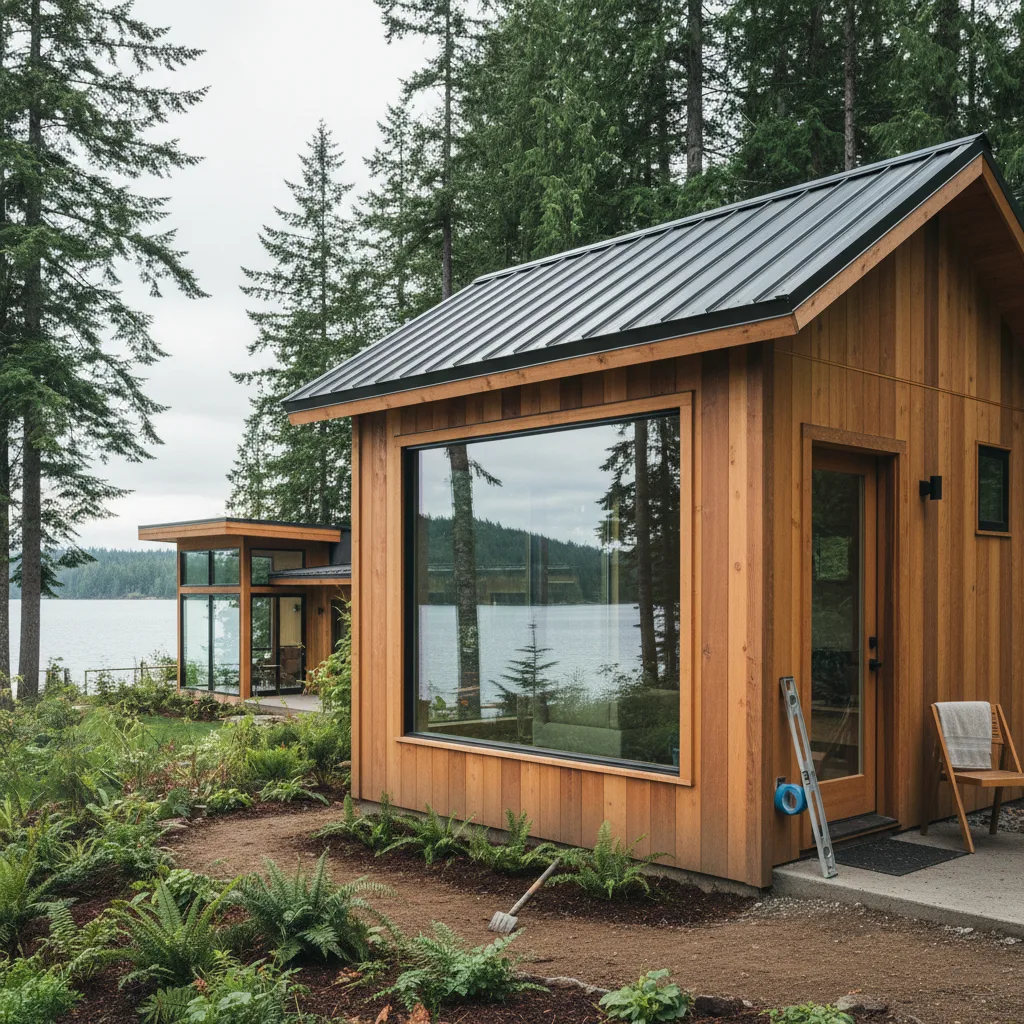
Planning an ADU and garage project in Mercer Island? A full build typically runs $180,000 to $320,000 in 2026. Simpler garage conversions start near $110,000, while premium custom work often climbs past $385,000. This is what your budget actually covers, what drives the price up, and how to vet a contractor who knows Mercer Island from the ground down.
The Honest 2026 Price for an ADU & Garage in Mercer Island
Let's get straight to the point. Building an Accessory Dwelling Unit (ADU), whether it’s a detached unit (DADU) in your backyard or a conversion of your existing garage, is a significant investment on Mercer Island. The numbers you see online are often national averages that don't account for the specific pressures of our local market. Here at Renology, we track real invoices from local projects, and the 2026 data shows a clear pattern. The final price tag isn't about square footage alone. It's a direct reflection of scope, site conditions, and finish level.
Think of the cost in three tiers. A basic garage conversion or cosmetic refresh might land between $110,000 and $180,000. The most common project, a well-built, mid-range DADU, falls squarely in the $180,000 to $320,000 range. For a high-end, architecturally distinct unit with premium materials and complex site work, you should budget $385,000 to $575,000 or more. The biggest mistake a homeowner can make is anchoring to a low number without understanding the structural, logistical, and regulatory realities of building on this island. This guide will walk you through those realities.
What Drives ADU & Garage Costs in Mercer Island
See what a ADU build actually costs in your Mercer Island zip.
Take 4 questions →The cost of your project is an equation with four key variables: labor, materials, permits, and the unique challenges of building on Mercer Island. Understanding how they interact is the first step to creating a realistic budget and avoiding painful surprises down the line.
Labor: The Premium for Island Talent
The Seattle area already has a competitive, high-cost market for skilled construction labor. Plumbers, electricians, framers, and foundation specialists are in constant demand. For Mercer Island projects, you add another layer of complexity. Every worker, every piece of equipment, and every delivery of materials has to cross a bridge. That adds travel time to every trade’s daily rate. Experienced contractors who know how to manage island logistics efficiently command a premium, but they earn it by preventing costly delays. Expect labor to account for 40 to 50 percent of your total project cost, a figure influenced by King County's prevailing wage standards and a persistent shortage of top-tier crews.
Materials: From Builder-Grade to Bespoke
Your choice of materials is the most direct way you control the budget, but it's not just about picking expensive tile. We live in the Pacific Northwest, which means every exterior component, from the siding and windows to the roof and foundation waterproofing, must be chosen to manage moisture. Cutting corners here leads to rot and repairs in less than a decade. Long lead times for critical items like custom windows, high-efficiency HVAC units, and cabinetry can also impact your timeline and budget. A good contractor will help you balance cost with durability and order long-lead items the moment your permits are approved.
Permits & Soft Costs: The Unseen Expenses
Before a single shovelful of dirt is moved, you will have invested thousands in "soft costs." These are the essential planning and administrative expenses that make a project possible. They include:
- Architectural and Design Fees: Typically 8 to 15 percent of the construction cost for a full set of plans.
- Structural Engineering: Non-negotiable for new structures, ensuring your ADU can handle roof loads, wind, and seismic activity.
- Geotechnical Report: Often required on Mercer Island due to slopes and soil conditions. This analysis determines foundation requirements and can uncover major costs early.
- Permit Fees: Paid directly to the City of Mercer Island for plan review and inspections.
These costs are the foundation of a successful build. Skimping here is the definition of being penny-wise and pound-foolish.
Mercer Island ADU & Garage by Tier: 3 Real Project Examples
To make the numbers tangible, we've broken down three common project archetypes based on Renology's network of recent Mercer Island invoices. These examples illustrate how scope, materials, and complexity directly influence the final cost and timeline. Most homeowners find their vision fits into one of these tiers, providing a solid baseline for planning conversations with architects and contractors.
Key takeaway
The timeline difference between tiers is significant. A premium build isn't just more expensive; it involves more design revisions, more complex permit reviews, and longer lead times for custom materials, easily doubling the project duration from your first call to final move-in.
| Tier | Scope of Work | Cost Range (2026) | Total Timeline |
|---|---|---|---|
| Garage Conversion / Refresh | Finishing an existing attached or detached garage. Includes insulation, drywall, electrical, and plumbing for a simple bathroom and kitchenette. New insulated garage door, epoxy flooring, and basic lighting. No structural changes or foundation work. | $110,000 - $180,000 | 5-8 months |
| Mid-Range DADU | New construction of a 600-800 sq. ft. detached ADU. Includes slab-on-grade foundation, standard 2x6 framing, fiber cement siding, composite roof, and vinyl windows. Interior has LVP flooring, quartz countertops, mid-grade appliances, and one full bathroom. | $180,000 - $320,000 | 9-14 months |
| Premium Custom ADU | Architect-designed 800-1,000 sq. ft. ADU, often with complex rooflines or a second story. Involves significant site work (retaining walls, drainage), high-end finishes (hardwood floors, custom cabinetry, stone countertops), premium appliance suite, and advanced systems like radiant floor heating. | $385,000 - $575,000+ | 14-20+ months |
Permits and Local Code in Mercer Island
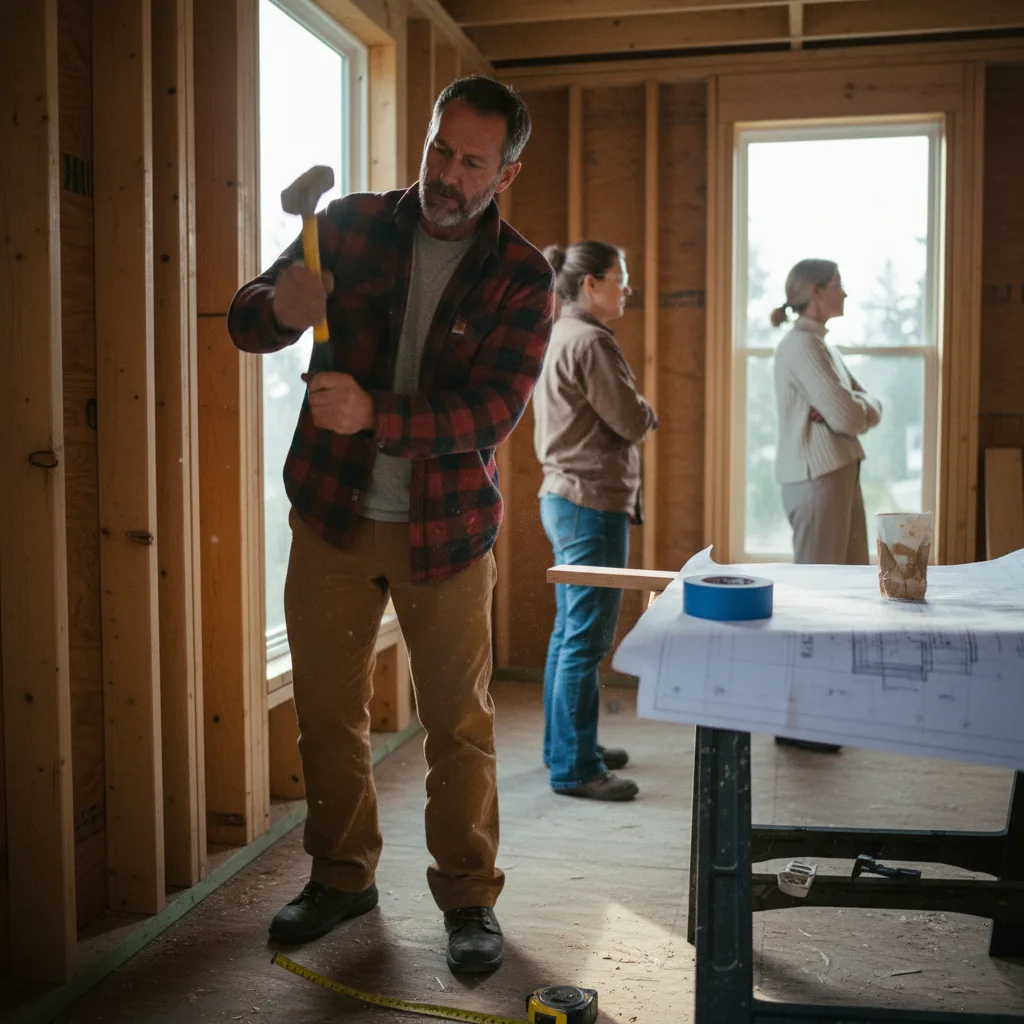
Every construction project lives and dies by its permits. On Mercer Island, the process is managed by the City of Mercer Island Development Services department. While not as famously complex as the "Seattle Process," Mercer Island has its own meticulous standards, driven by a desire to preserve the island's character, tree canopy, and environmental health.
Your project will be governed primarily by Mercer Island City Code (MICC) Title 19, which covers zoning and land use. For ADUs, this code specifies critical constraints you must know before you even start designing:
- Size Limits: ADUs are typically capped at 1,000 square feet of gross floor area.
- Setbacks: The structure must be a certain distance from your property lines, and these requirements can be stricter on smaller or irregularly shaped lots.
- Tree Preservation: The city has strong protections for significant trees. Your ADU's location may be dictated by the need to avoid the root zones of mature cedars or firs, often requiring an arborist's report.
- Parking: You may be required to provide an additional off-street parking space for the ADU, which can be a major design challenge on a tight lot.
The permit review process itself can take anywhere from eight to sixteen weeks, assuming your initial submission is complete and correct. Any missing information or required revisions will push that timeline out. A contractor with a proven track record on the island will anticipate the city’s requirements for things like drainage plans and site surveys, building them into the project plan from day one.
The Mercer Island Neighborhoods Where ADU & Garage Costs Diverge
Not all Mercer Island lots are created equal. The neighborhood you live in presents a unique set of challenges that can significantly affect your project's cost and complexity. A flat, open lot is the exception, not the rule. Understanding your neighborhood's specific character is key to anticipating hidden costs.
The North End: Tight Lots and Tricky Access
The North End, with its charming mix of mid-century and older homes, is characterized by smaller lots and narrow streets. The primary cost driver here is logistics. Site access is the name of the game. How do you get an excavator or a concrete truck onto a property with only a single-car driveway and mature landscaping? The answer often involves smaller equipment, more manual labor, and careful coordination, all of which add to the budget. Staging materials without disrupting neighbors becomes a critical part of the daily plan. A contractor who thinks they can treat a North End project like a wide-open suburban build will run into trouble fast.
The South End & Lakeridge: Larger Lots, Steeper Slopes
In the South End and parts of Lakeridge, properties are often larger, but the terrain is far more dramatic. Steep slopes are the defining challenge. Building on a hillside is exponentially more complex than building on flat ground. Your budget must account for significant earthwork, solid erosion control, and, most importantly, a more expensive and heavily engineered foundation. Poured-in-place concrete retaining walls can cost tens of thousands of dollars on their own. A geotechnical report isn't just a good idea here; it's a fundamental necessity to understand soil stability and determine if you need deep foundations like pin piles to anchor the structure safely to the hillside.
In my last walkthrough on a project in the South End, the homeowner was shocked that the foundation and site prep costs were nearly a third of the total ADU budget. They had focused entirely on the structure's interior finishes. But the reality was that creating a safe, level building pad on their 20-degree slope required a massive retaining wall and over 100 cubic yards of structural fill before a single piece of lumber could be delivered. This is the kind of site-specific reality that national cost calculators completely ignore.
Timeline: Realistic Week-by-Week Expectations
One of the hardest truths for homeowners to accept is the real-world timeline for a construction project. From your first call to a designer to the day your ADU is ready for occupancy, a standard project takes the better part of a year, and often longer. Patience is not just a virtue; it's a requirement.
The slowest part of any construction project is always the final five percent.
Here’s a realistic breakdown of the major phases:
- Phase 1: Design & Planning (4-12 weeks): This is where your vision takes shape. You'll work with an architect or designer to create construction-ready plans. This phase includes selecting a contractor and getting initial bids, as well as engaging a structural engineer.
- Phase 2: Permitting (8-16 weeks): Once your plans are complete, they are submitted to the City of Mercer Island. This period is mostly a waiting game. The city's plan reviewers will check your submission for code compliance, and they may come back with comments or required revisions that your design team must address.
- Phase 3: Site Prep & Foundation (4-6 weeks): Construction begins. This phase involves excavation for the foundation and utility trenches (water, sewer, power). It's highly weather-dependent; a week of heavy rain can bring everything to a halt. The foundation is formed, rebar is placed, and concrete is poured.
- Phase 4: Framing & Rough-ins (6-10 weeks): This is the most visually dramatic phase. The walls and roof structure go up, and the building is "dried in" with sheathing, house wrap, and windows. Once it's weather-tight, plumbers, electricians, and HVAC technicians run all the pipes, wires, and ducts through the walls.
- Phase 5: Insulation, Drywall & Finishes (10-20 weeks): The pace seems to slow down here, but this is where the house becomes a home. After insulation and drywall, the work moves to painting, flooring, tile, cabinet installation, and countertop templating. This phase is most susceptible to supply chain delays.
- Phase 6: Finals & Punch List (2-4 weeks): The final push involves installing light fixtures, plumbing fixtures, and appliances. A series of final inspections are scheduled with the city. Once those are passed, the contractor walks through the project with you to create a "punch list" of any small items needing correction.
How to Vet a Mercer Island Contractor
Choosing the right contractor is the single most important decision you will make. A great contractor is a partner who protects your investment, while a poor one can turn your project into a financial and emotional disaster. On Mercer Island, local experience is paramount.
The Right Questions to Ask
When interviewing potential contractors, go beyond "how much will it cost?" Their answers to these questions will reveal their experience and professionalism:
- How many ADUs have you built specifically on Mercer Island in the last three years? Can I see them and speak with the homeowners?
- Who is your typical point of contact at the City of Mercer Island Development Services? (A good answer shows they know the system and the people).
- Can you provide a sample of your standard contract and your change order form? Walk me through the process for handling unforeseen conditions.
- How do you plan for material staging and crew parking on a property with limited access?
- Please provide me with your Washington L&I registration number and a current certificate of insurance showing general liability and workers' compensation coverage.
Pro tip
Don't just take their word for it. Use the Washington State Department of Labor & Industries' public "Verify a Contractor" tool online. You can see if their license is active, if they have any infractions, and if their insurance and bond are current. It takes five minutes and is your best first line of defense.
Red Flags to Watch For
Be wary of contractors who exhibit any of these behaviors. They are often signs of inexperience or financial instability.
- The "Too Good to Be True" Bid: A price that is 15 percent or more below other detailed bids is a massive red flag. It almost always means they've missed something, are using substandard materials, or plan to make up the difference with expensive change orders.
- Vague Proposals: A professional bid is highly detailed, with line items for each phase of work. A one-page quote with a single lump-sum number is unacceptable for a project of this scale.
- High-Pressure Sales Tactics: Any contractor who pressures you to sign a contract immediately "to lock in a special price" is not someone you want to work with for the next year.
- Requests for Large Upfront Payments: A reasonable deposit is standard, but a request for 25 percent or more of the total project cost before work begins is a sign of cash flow problems.
Renology Take
After reviewing hundreds of ADU and garage projects in the Seattle area, the meta-pattern I see homeowners miss most often is a fundamental misunderstanding of site work. People fall in love with floor plans and finish materials, but they forget that the building has to be connected to utilities and anchored to the ground. On Mercer Island, with its challenging topography, abundant trees, and sensitive drainage, the site work is often the most complex and unpredictable part of the entire build. The cost of running a new sewer line, installing a proper drainage system, or building a retaining wall can easily eclipse the cost of your custom kitchen cabinets. My advice is simple: spend your money upfront on a thorough site analysis and a geotechnical report. Understanding the ground beneath your feet is the only way to build a realistic budget and a successful project.
Sources & Methodology
These cost ranges are reconstructed from publicly available labor and permit data, the latest Remodeling Magazine cost-vs-value report, and Renology's own Project of the Day network, a rolling sample of real homeowner invoices we collect from Mercer Island-area contractors. Last refreshed April 2026.
- City of Mercer Island Development Services, Permit Fee Schedule, 2026
- Washington State Department of Labor & Industries (L&I), Prevailing Wage Data, King County, 2026
- Master Builders Association of King and Snohomish Counties, 2026 Housing Market Report
- Remodeling Magazine, 2026 Cost vs. Value Report (Pacific Region)
- National Association of Home Builders (NAHB) Home Building Geography Index, Q1 2026
- Renology Project of the Day Network, aggregated 2026 contractor invoices in Mercer Island
Methodology
How Renology estimates adu / garage conversion costs in Mercer Island.
Renology treats this page as a planning benchmark for Mercer Island, Washington, not a final quote. We compare published local guide data, contractor scope patterns, permit-sensitive work, climate or site constraints, and finish-level assumptions.
Cost range
$180,000-320,000
Timeline
32-56 weeks
Source type
Editorial dataset
Local factor: Pacific Northwest cool-wet (Köppen Csb): 38 inches annual rain, mild summers, frost-free winters near sea level.
Use these numbers to shape a scope and spot missing line items. Confirm permits, structural work, electrical, plumbing, gas, waterproofing, drainage, and code-sensitive details with the local building department and a licensed professional.
Compare against the full Renology Cost IndexMercer Island · pre-screened
Get 3 Mercer Island ADU bids in 48 hours.
Our editors already vetted Mercer Island ADU builders. Answer 4 questions and we send 3 written bids inside 48 hours, with the real price for your scope, not their inflated first-call number.
- Free, no commission
- Pre-screened locally
- Bids inside 48 hours
Takes about 60 seconds. We'll text you when bids arrive.