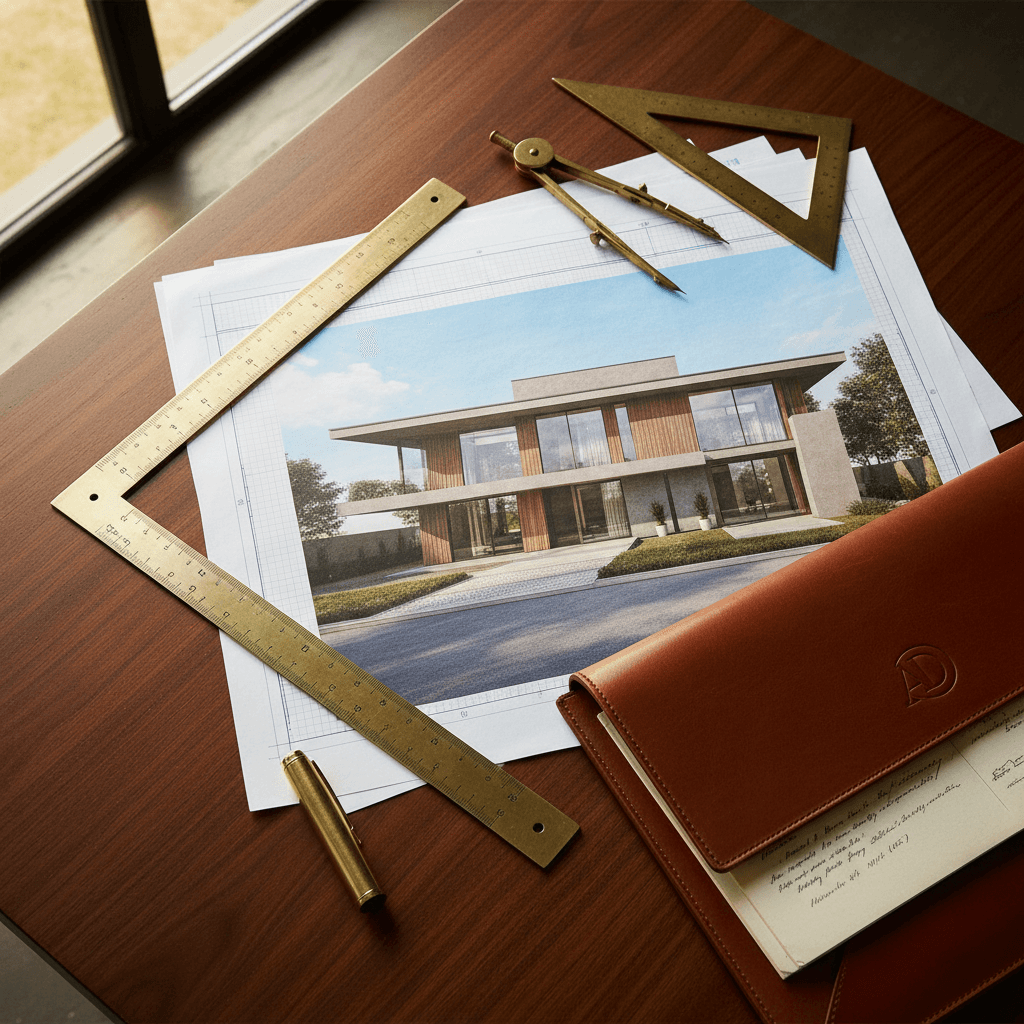
Talk to any homeowner who has remodeled and at some point in the conversation they will mention "the permit took forever." Sometimes that is true (some cities are genuinely slow). More often it reflects an avoidable failure: incomplete plans, missing energy-code documentation, surprise structural conditions, or a contractor who has never worked in that specific jurisdiction.
What actually requires a permit
The boundary varies by jurisdiction but generally:
No permit needed: Cosmetic refresh (paint, fixture swaps, like-for-like flooring), cabinet replacement in same footprint, countertop replacement, appliance swaps that do not change gas or electrical connections, drywall patches under 32 square feet, decks under 30 inches off grade and detached.
Permit required: Any plumbing relocation (moving a sink, toilet, dishwasher), electrical changes beyond like-for-like (new circuits, panel upgrades, outdoor outlets), gas line modifications, structural changes (wall removal, beam work, foundation), additions or new building footprint, deck or pergola attached to the house, roof replacement (most jurisdictions), HVAC equipment replacement, water heater replacement.
The pattern: anything that touches structure, water, gas, electrical past the point of socket, or building envelope. Cosmetic stays cosmetic; everything else needs a permit.
Why permits get delayed
Eight common failure modes, in order of frequency:
- Incomplete plan set. Plan-checker requests revisions because the submitted plans are missing details (insulation R-values, structural calculations, energy compliance forms, site plan dimensions). Each round of revision adds 1-3 weeks.
- Energy code (Title 24 in CA, similar in WA) noncompliance. The California Title 24 forms are notoriously detailed. Missing or incorrectly filled forms trigger immediate kickback.
- Hillside or coastal zone overlay. Properties in California Coastal Commission jurisdiction or hillside ordinance zones (LA Baseline Hillside, Berkeley Hillside Overlay) require additional review that adds 4-12 weeks.
- HOA approval pending. The city does not check HOA status before issuing permits, but the work cannot proceed without HOA sign-off. Get HOA approval in parallel with city permits, not after.
- Wrong jurisdiction. The City of Los Angeles is one jurisdiction; LA County (unincorporated areas like Topanga, La Crescenta) is another. Submitting to the wrong department wastes 2-4 weeks before you find out.
- Surprise structural conditions. Plan-checker flags an existing wall as load-bearing without engineering, requires a stamped structural calc. 3-6 weeks for a structural engineer to produce.
- Plan-checker turnover. The original plan-checker leaves the department mid-review. New plan-checker re-reviews and asks different questions. Adds 2-4 weeks.
- Contractor not licensed in this jurisdiction. Some cities require local business licenses on top of state contractor licenses. Without local registration, the permit cannot issue.
The pre-submittal checklist
Before submitting any permit application, verify all of the following are in the plan set:
- Site plan with property lines, setbacks, existing and new structures
- Floor plan with dimensions and room labels
- Elevations (front, back, side as applicable)
- Sections through any structural changes
- Roof plan if any roof work
- Electrical plan with circuit count and load calculation
- Plumbing schematic with fixture units
- Mechanical (HVAC) plan with equipment specs
- Energy compliance forms (CF1R, CF2R for CA Title 24)
- Structural calculations stamped by licensed engineer (if any structural work)
- Specifications for windows (U-value), insulation (R-value), water heater (efficiency rating)
- Exterior material and color specifications (some HOAs and design review boards)
Missing any of these guarantees a kickback on first review. Including all of them often results in permit issuance on first review.
Expedited paths in major cities
Most major US cities offer expedited permit review for an additional fee:
- Los Angeles LADBS: Express permit counter for projects under specific size/scope thresholds. Same-day issuance for like-for-like work; 1-2 weeks for moderate projects.
- San Francisco DBI: Over-the-counter permit for projects without structural changes. Typically same-week.
- Seattle SDCI: Subject-to-Field-Inspection (STFI) permits for routine work. 1-2 weeks vs 4-6 weeks standard.
- NYC Department of Buildings: Professional certification (PE/RA self-certification) bypasses plan check entirely for many alteration types.
- Chicago, Boston, Philadelphia: Self-certification programs for licensed architects/engineers; 5-7 day review.
Expedited fees range from $300 to $2,500 depending on project size. For projects with material costs above $50,000, expedited review almost always pays for itself in shortened carrying costs.
The contractor selection lever
3 pros, editor-screened. 4 questions.
See my 3 matchesContractors who work in your specific city regularly know the plan-checkers, know the local quirks, and know how to package a plan set that issues on first review. A contractor who has done 20 kitchen remodels in Pasadena will get permits faster than a contractor who has done 20 kitchen remodels in different cities.
Ask: "How many permits have you submitted in this jurisdiction in the past 24 months? What is your typical first-review approval rate?" A contractor with 10+ recent submittals and 70%+ first-review approval is the contractor whose project will move fastest. See our contractor bid decoder for more on vetting contractors.
Permit timelines by state in 2026
- California: 2 to 6 weeks typical, 60-day cap for ADUs under AB-68, expedited paths in major cities
- Washington: 3 to 8 weeks typical, longer in Seattle and major cities, STFI expedited paths available
- New York: 4 to 12 weeks for typical alterations, professional self-certification bypasses plan check
- Texas: 1 to 4 weeks typical, fastest of the major markets, lighter regulation
- Florida: 2 to 6 weeks typical, hurricane-zone projects (HVHZ) require additional engineering review
- Massachusetts: 4 to 10 weeks typical, stricter energy code adds review time
Permit-required projects and their typical timelines
- Kitchen remodel (no structural): 2 to 4 weeks permit, 8 to 12 weeks construction
- Bathroom remodel: 2 to 4 weeks permit, 4 to 8 weeks construction
- Roof replacement: 1 to 3 weeks permit, 1 week construction
- ADU construction: 8 to 16 weeks permit (60-day cap in CA), 24 to 36 weeks construction
- Deck (above 30 inches): 2 to 4 weeks permit, 2 to 4 weeks construction
- Basement finishing: 4 to 8 weeks permit, 8 to 12 weeks construction
See pillar guides for each project type: Kitchens, Bathrooms, ADU Construction, Roofing & Siding, Decks & Patios, Basement Finishing.
What to do if your permit gets stuck
Three escalation steps. First, request a meeting with the plan-checker to walk through the specific objections. Most plan-checkers will hold a 30-minute meeting if asked politely. Second, escalate to the supervising plan-checker if the assigned reviewer is unresponsive after 3 weeks. Third, in major cities, expediter services exist (former plan-check staff who consult on stuck permits) for $1,500 to $5,000. Worth it for projects that have stalled beyond 8 weeks.
Renology contractor-matching difference
Renology pre-screens contractors for jurisdictional experience in your specific metro. Every match comes with a track record we have verified. Browse project pillar guides, California cities, Washington cities, or get matched today.
Methodology
How Renology builds this guide
Renology combines public permit and labor signals, supplier pricing, remodeler quote patterns, and editorial review of comparable projects. Cost references are planning ranges, not fixed bids, because site conditions, materials, access, permits, and finish level can change the final price.
- Benchmarked against the Renology Cost Index, related service guides, and the Renology Methodology.
- Reviewed for local market context when a local market is available.
- Focused on renovation scope, materials, timeline, contractor risk, and budget drivers.
Frequently Asked Questions
Can I pull a permit myself as the homeowner?
How long does a typical kitchen permit take?
What happens if I do work without a permit?
Should I hire a permit expediter?
Can I start work before the permit is issued?
What is the difference between a building permit and a building code?
How do I find out which jurisdiction my property is in?
Are inspections required after permit issuance?
Ready to find a pro?
Tell us what you are planning and where. A Renology advisor can help you explore contractor matching.
Find a Pro- Free for homeowners
- Licensed, vetted local contractors
- No obligation to hire
Follow Renology on Google
Choose Renology as a preferred source and our guides show up more often in your Google results, including Top Stories and AI Overviews.