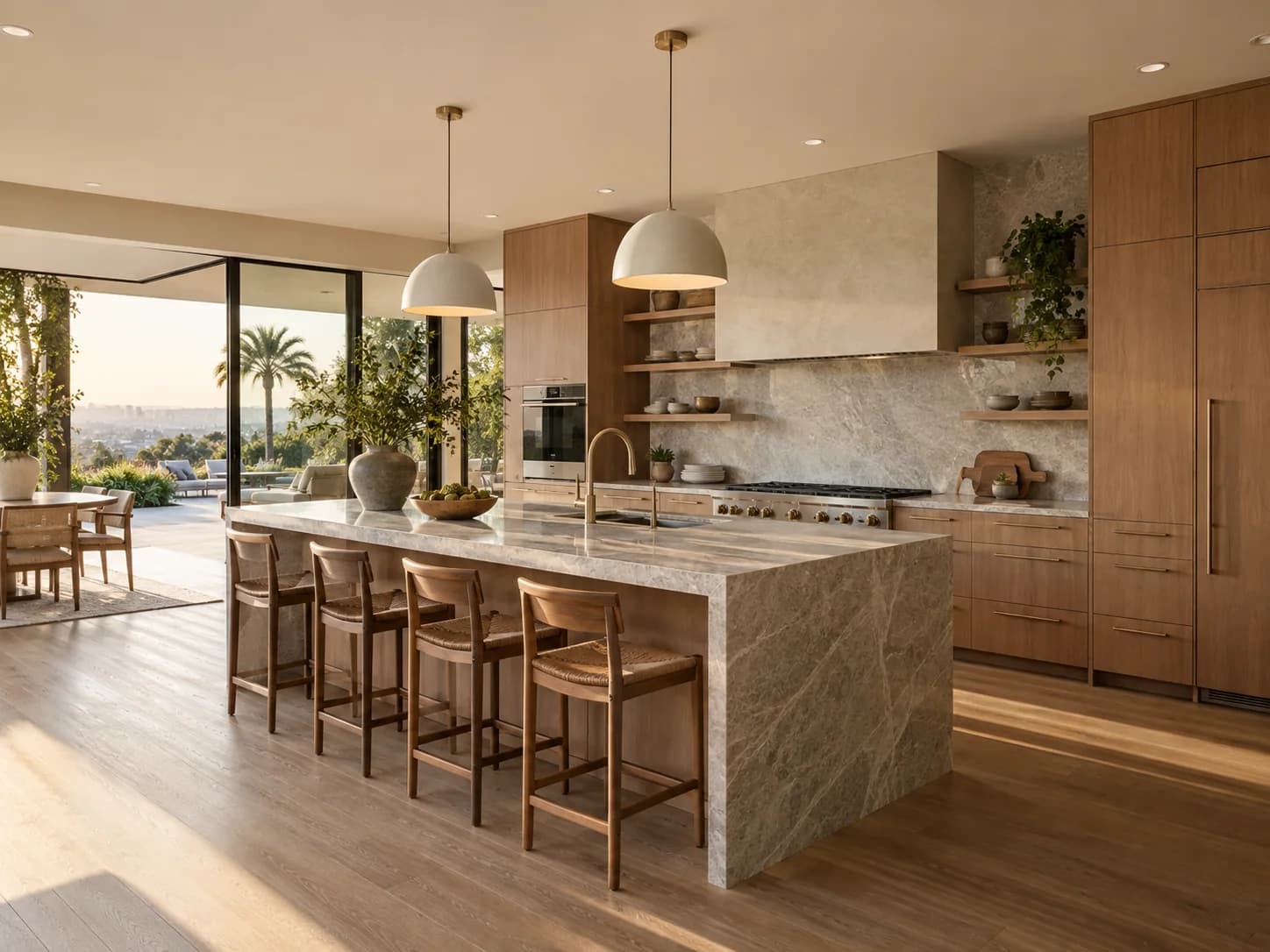
Kitchen remodeling
A kitchen for everyday living.
Layout, cabinetry and the work behind the walls. Decide what stays and what changes before comparing bids.
Read the guideCity project guides · Project guides for the City and County of San Francisco.
Contractor availability depends on your address, project and timing.
Old flats, steep streets and one building department.
In San Francisco the permit route shapes the project more than the room does. Same-layout kitchen and bath work in a qualifying building can be filed online with DBI; moving walls or fixtures means drawn plans and over-the-counter review. About 45 percent of the city's housing was built before 1940, so plan for what old walls hide.
City and County of San Francisco project guides
A kitchen for everyday living.
Layout, cabinetry and the work behind the walls. Decide what stays and what changes before comparing bids.
Read the guide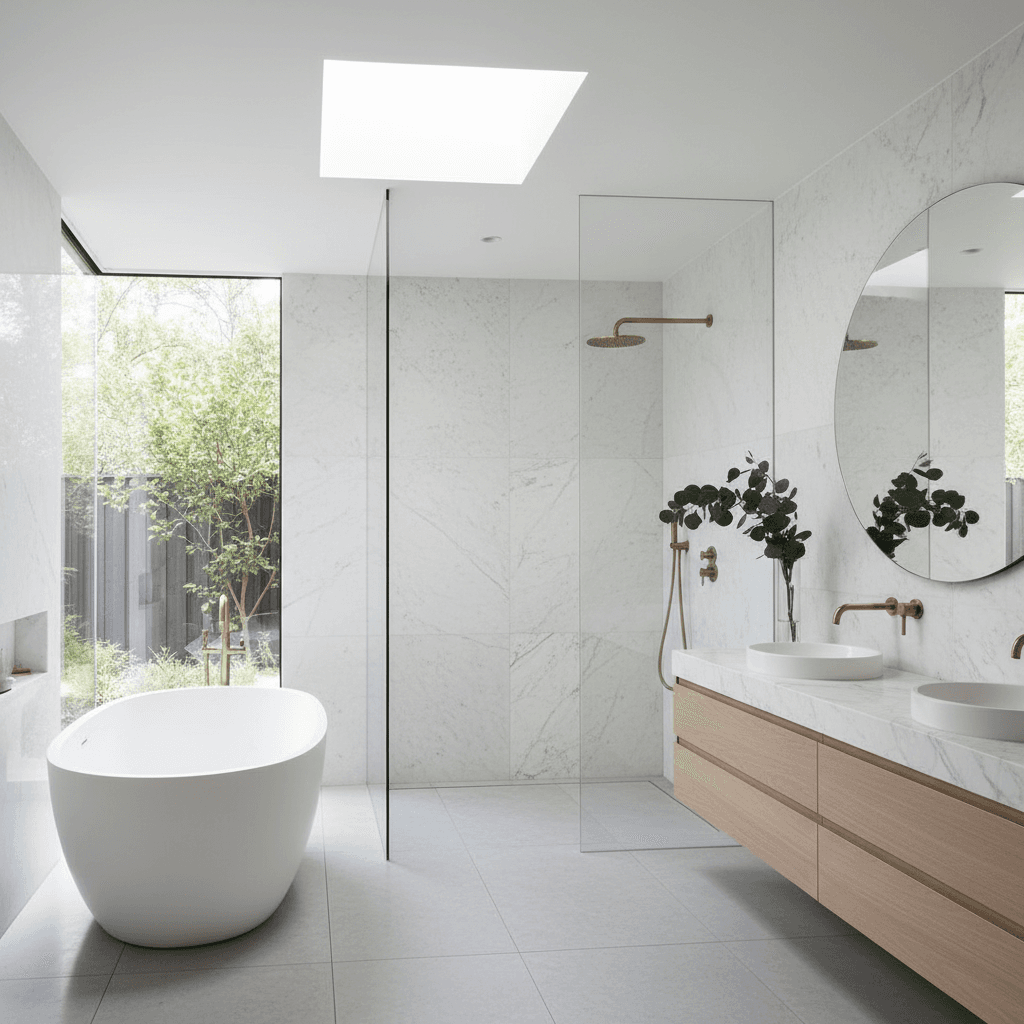
A better bathroom begins here.
From a finish refresh to a new layout. Think through waterproofing, ventilation and the details you use every day.
Read the guide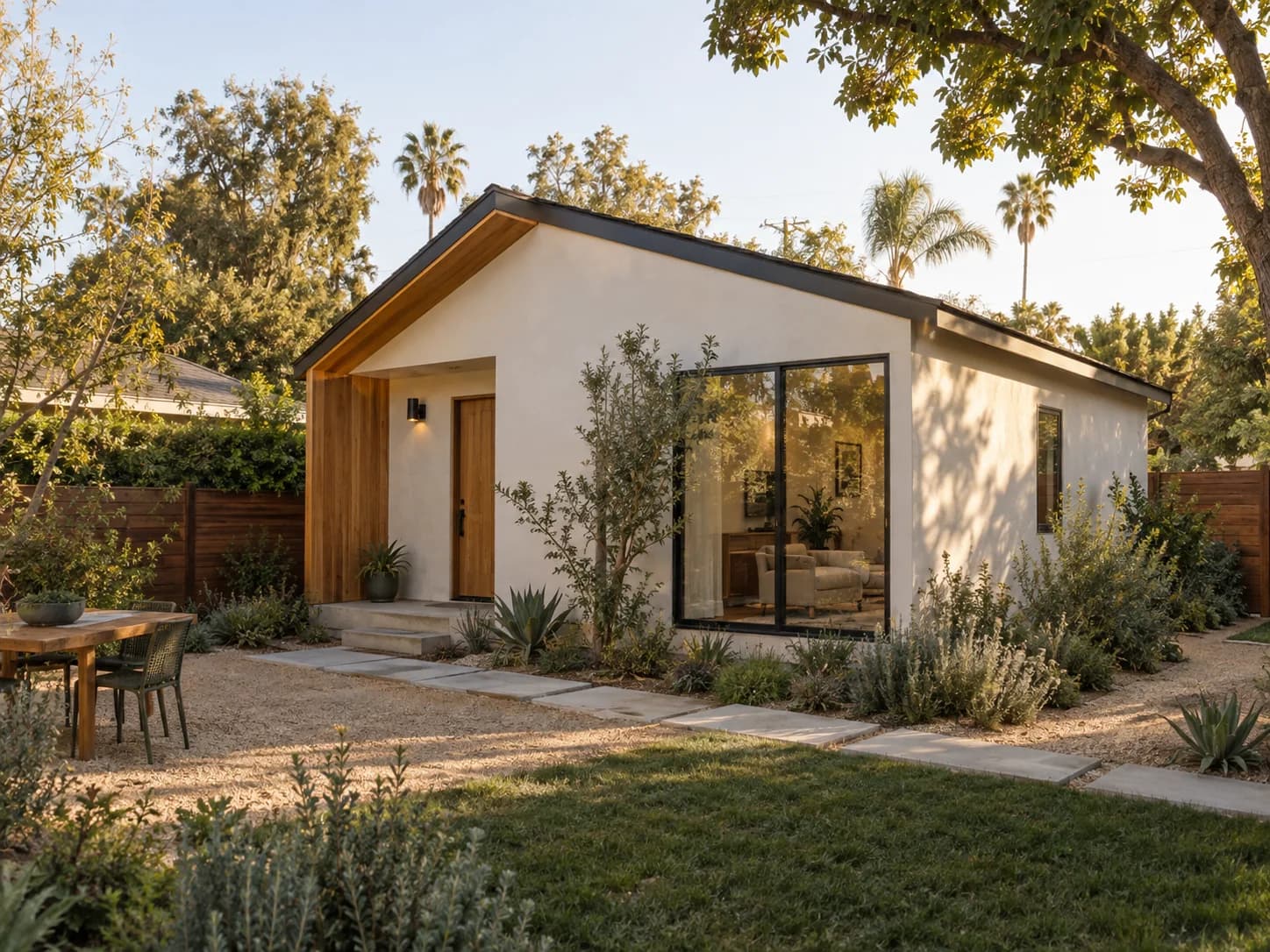
Find room for something more.
A garage conversion or a separate dwelling? Compare the building, access and utility work behind each option.
Read the guide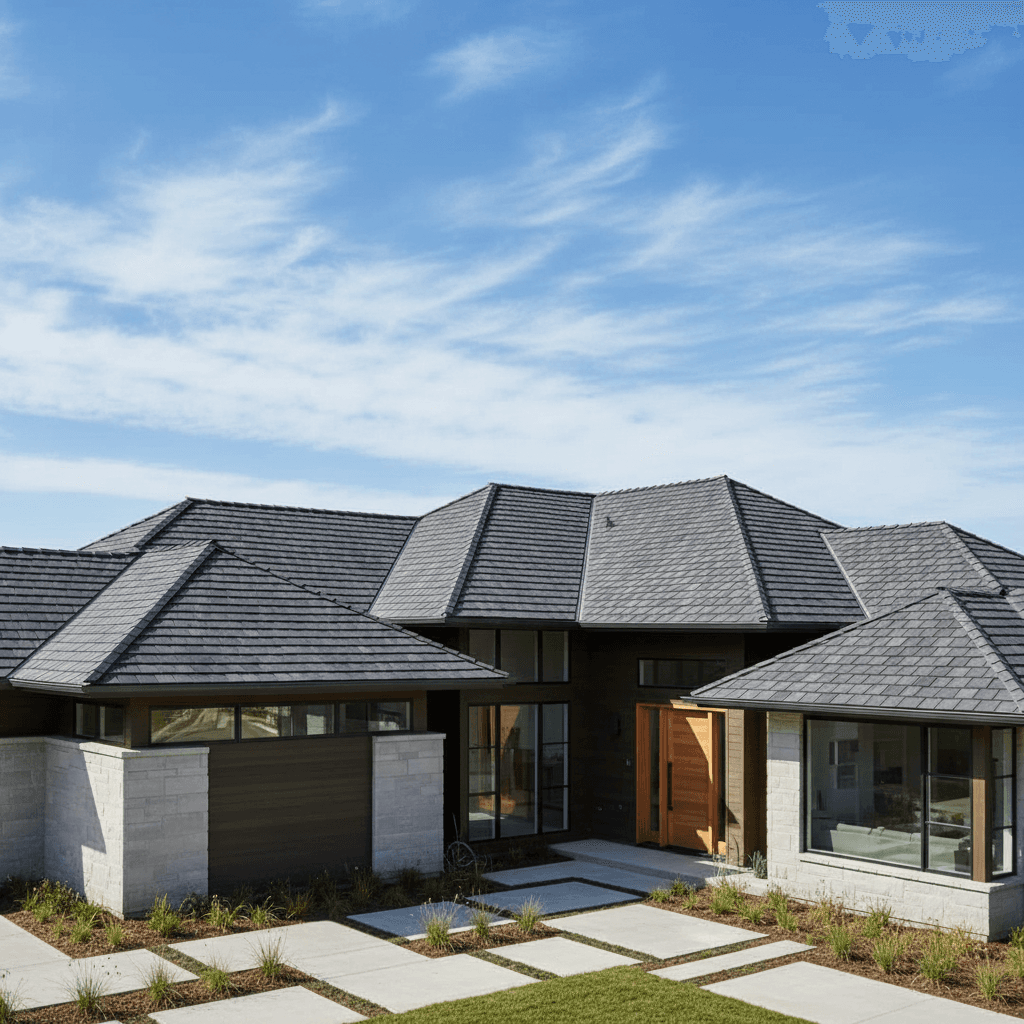
Start at the top.
Understand materials, drainage and hidden repairs, then compare what each roof proposal actually includes.
Read the guide
Make more of the outdoors.
Bring shade, seating, planting and drainage into one plan, with a clear scope for each phase.
Read the guide
Create a place to gather.
Define the structure, supports and shade you need before comparing deck or pergola proposals.
Read the guide
Start with what is underfoot.
Choose the material alongside subfloor preparation, moisture checks and transitions between rooms.
Read the guideTell us what you want to change. We’ll help clarify the scope and check contractor availability in your area.
DBI lets a licensed contractor file some kitchen and bath remodels online when no walls move and the building is an R-3 house or a unit in an R-2 building built before 1991. Anything that needs plans, including a new bathroom or a changed layout, goes to over-the-counter review at the Permit Center, 49 South Van Ness, with two sets of plans.
DBI kitchen and bath permit guidanceA debris box or materials in the parking lane need a Public Works street space permit, and No Parking signs go up at least 72 hours ahead. Stairs, narrow halls and shared entries decide how cabinets and slabs get in, so ask each bidder how they will move material.
Public Works street space permitInterior remodels usually stay with DBI. Change exterior features such as the facade and SF Planning reviews the project as well, which adds time before the building permit.
SF Planning guidance for homeownersCity permit records give a real floor. On permits filed for single-family homes and duplexes since September 2024, the median declared value was $25,000 for kitchens (908 permits), $27,000 for bathrooms (1,911) and $70,000 for jobs covering both (1,796). Bids run higher, because a permit value is declared to set fees while a bid prices the whole job.
| Budget line | Include in the scope | Ask each bidder |
|---|---|---|
| DBI permit and fees | Include in the scopeMinimum valuations of $24,663 per kitchen and $20,552 per bathroom, and remaining fees of 3 to 4.5 percent of construction cost on the over-the-counter route. | Ask each bidderWho files the permit, and are the fees inside the price? |
| Street and building logistics | Include in the scopeStreet space permit, debris box, stair carry and protection of shared halls. | Ask each bidderWhich access route does your price assume? |
| Behind the walls | Include in the scopeWiring, drains, vents and plaster repair in older flats, plus lead-safe work: the City treats every repair and painting job as lead work. | Ask each bidderWhat unit prices apply once walls are open? |
Share your project, location and timing in our contractor questionnaire. You can start while you’re still researching.
These guides cover the City and County of San Francisco. One building department, DBI, handles permits citywide, and SF Planning joins when exterior features change. Oakland, San Jose and other Bay Area cities follow their own rules.
Start with the authority serving the property. A postal city alone may not identify the right permit office.
Check occupancy class and year built on the Property Information Map. They decide whether the online route is open.
Plans clear review, remaining fees are paid and DBI issues the job card. Construction cannot start without it.
File the street space permit and post No Parking signs at least 72 hours before the debris box arrives.
DBI will not schedule the building final until the electrical and plumbing permits have passed their own finals.
Copy this checklist into your project notes and share the same brief with every bidder. No contact details required.
City permit records give a floor: median declared values of $25,000 for kitchens and $27,000 for bathrooms on permits filed since September 2024. The 2025 Cost vs Value report prices a midrange full kitchen remodel here at $97,667 and a midrange bathroom at $32,160. Most bids land between those, depending on layout changes, access and what older walls hide.
Only in a narrow case. DBI lets owners of stand-alone single-family homes that are their primary residence apply to do the work themselves. In a condo or flat, a licensed B contractor applies, or you act as the contractor's authorized agent with their signed statement.
No. This page covers the City and County of San Francisco. Oakland, San Jose and the rest of the Bay Area run their own building departments; start from the Bay Area page for those addresses.
The PermitSF hotline at 628-652-7488 and the Permit Center help desk at 49 South Van Ness. DBI also notes that homeowners can get a confidential third-party code inspection from a licensed contractor before applying.
By Renology · Reviewed September 23, 2026. Confirm current requirements with the authority serving your property.
Explore nearby places. Permit requirements depend on the authority serving each address.
Use a planning tool alongside your guide.
Choose a guide and explore your scope. Renology can check contractor availability for your address before proposing a match.