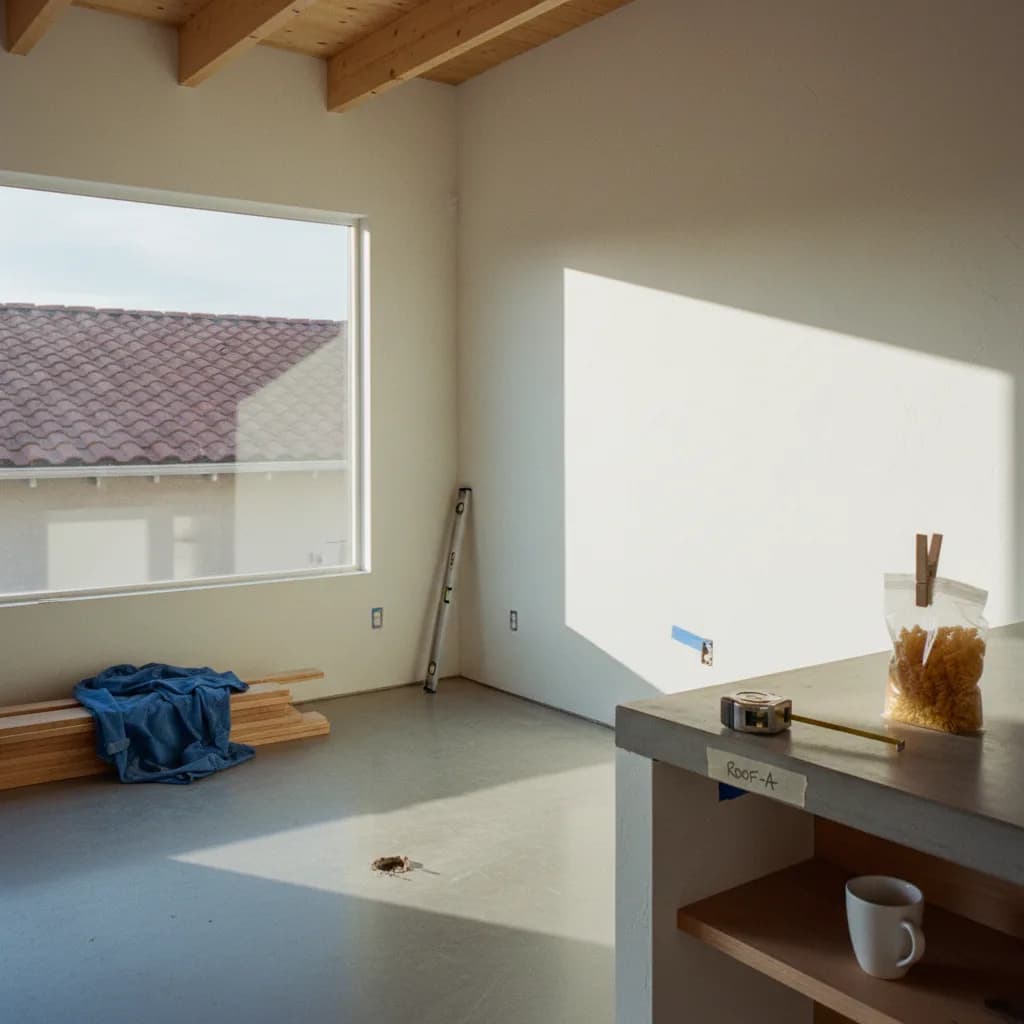
A full roof replacement in San Diego takes between three and six weeks from signing the contract to the final inspection sign-off. The on-site work is often just one of those weeks. For a simple asphalt shingle reroof on a detached garage in a neighborhood like North Park, you might land on the shorter end. But for a complex tile roof in La Jolla, the biggest delay isn't the crew, it's the discovery of dry rot in the roof deck after tear-off. That stops the clock and starts a change order. Plan for the surprises, because the house always has a vote. A professional roofing contractor in San Diego builds this potential into their schedule.
In a Nutshell
- Total Timeline: 3 to 6 weeks from contract to final inspection.
- Four Phases: Planning & Permitting, Tear-Off & Deck Inspection, Dry-In & Installation, and Flashing & Final Inspection.
- Biggest Delay Risk: Unforeseen structural damage. Finding extensive dry rot or termite damage in the roof sheathing after tear-off can add a week and thousands of dollars to the job.
- Contingency Advice: The National Association of Home Builders recommends a ten to fifteen percent contingency on renovations in homes over thirty years old. Your roof is not the place to skip this.
Phase 1: Planning and Permits (Weeks 1, 2)
This is where the job is won or lost before a single nail is pulled. The homeowner's job is to make decisions and lock them in. You'll select your roofing material, from common architectural shingles to concrete tiles or standing seam metal, and finalize the color. Your contractor's job is to turn those decisions into a detailed scope of work and pull a permit from the San Diego Development Services Department (DSD). In communities with strict aesthetic rules, like parts of Rancho Bernardo or Carmel Valley, this phase also includes submitting plans to your Homeowners Association for approval. A common holdup here is the HOA architectural committee, which can add weeks if you don't get on their agenda early. Your contractor should know the local requirements, including California's Title 24 cool roof standards, which dictate the solar reflectivity of your new roof. Get the scope-lock date in writing. After that date, changes mean delays and costs.
Phase 2: Tear-Off and Deck Inspection (Work Days 1, 2)
Once the permit is issued and materials are ordered, the real work begins. This phase is loud and messy. A dumpster arrives, and the crew protects your landscaping with tarps. The tear-off is more than demolition; it's the most important inspection of the entire project. Removing the old layers of roofing exposes the wooden deck, or sheathing, beneath. This is the first time in decades anyone has seen the structural reality of your roof. We look for water damage, dry rot, and evidence of termites. In coastal areas like Ocean Beach, we check for corrosion on old fasteners. If the deck is solid, we proceed. If we find soft spots or delaminated plywood, work stops. The contractor will show you the damage and write a change order to replace the affected sections. This is the most common surprise in San Diego roofing, and a good reason to have your contingency fund ready. The integrity of the whole system depends on a solid deck.
Phase 3: Dry-In and Installation (Work Days 2, 5)
With a sound deck confirmed or repaired, the crew begins building the new roof system. The first step is the dry-in. This involves installing new metal drip edge at the eaves and laying down a modern synthetic underlayment. This underlayment, not the shingles, is your roof's primary water barrier. Shingles are armor. Underlayment is the skin. If the skin fails, the armor doesn't matter. The city inspector may perform an in-progress or sheathing inspection at this stage, checking the nailing pattern of the new deck and the proper installation of the underlayment before it gets covered. Once that's approved, the crew installs the primary roofing material. They'll follow a precise layout, ensuring proper overlap and nailing patterns as specified by the manufacturer and local code. This is methodical work that shouldn't be rushed. It’s the core of any quality roofing project in San Diego.
Phase 4: Flashing, Vents, and Final Inspection (Work Days 4, 7)
The final stage is the detail work, and it’s what separates a professional job from a future leak. This phase involves installing flashing, the metal pieces that direct water away from intersections and penetrations. This happens around chimneys, skylights, plumbing vents, and where roof planes meet in a valley. A roof is only as good as its weakest flashing. Water finds the path of least resistance; the roofer's job is to make that path off the roof, not into your attic. The crew will also install ridge caps at the roof's peaks and ensure proper attic ventilation, which is critical for the roof's longevity and your home's energy efficiency. Once all components are in place and the site is cleaned, the contractor schedules the final inspection with the DSD. The inspector verifies that the entire installation complies with the building code, from the materials used to the number of nails per shingle, and signs off on the permit card. Only then is the job truly complete.
Three Representative Projects from 2026
3 San Diego roofers, editor-screened. 4 questions.
See my 3 matchesThree modeled project scenarios for 2026, built from the Renology Cost Index and typical local scopes. These are illustrative estimates, not completed client projects:

- North Park Craftsman: A 1,600 sq. ft. reroof on a 1920s bungalow. The project involved a full tear-off of two old asphalt shingle layers and replacing five sheets of rotted plywood deck. The new roof was a Title 24-compliant architectural shingle. Total cost: $19,500. Total time: 4 weeks.
- Carmel Valley Spanish Tile: A 3,400 sq. ft. concrete tile roof on a 1990s home. The work included a lift-and-relay of the existing tile to replace the failing underlayment, which is common after 25-30 years. It also required significant fascia board repair due to water damage. Total cost: $38,000. Total time: 6 weeks.
- Ocean Beach Duplex: A 1,400 sq. ft. low-slope roof requiring a full tear-off and installation of a new two-ply modified bitumen (torch-down) system. The coastal location required corrosion-resistant fasteners and flashing. Total cost: $16,800. Total time: 3.5 weeks.
What Can Compress This Timeline
The homeowner who saves a week on their project does three things before the first hammer swings. First, they make all material and color decisions before signing the contract. Indecision after the scope-lock date is a primary cause of delay. Second, they prepare the job site themselves. Move patio furniture, potted plants, vehicles, and any fragile items away from the house perimeter. This saves the crew hours on the first day. Third, if they live under an HOA, they get the application submitted and approved before the contractor is even scheduled to start. A good roofer can't outrun a slow architectural review committee. These three actions remove the most common non-weather-related delays from the schedule.
What Blows It Up
Three things can turn a one-week job into a three-week headache. The most common is finding multiple layers of old roofing. San Diego code allows for two layers; if we tear off the top one and find two more underneath, the scope of work for tear-off and disposal just tripled. The second is extensive structural damage. A few sheets of bad plywood is manageable. A dozen sheets, plus rotted rafters or fascia boards, adds days of carpentry work and requires more inspections. Finally, weather. A surprise winter storm or a multi-day Santa Ana wind event will shut down a job site completely. Safety regulations prohibit roofing work in high winds or rain. The National Association of Home Builders recommends a ten to fifteen percent contingency on renovations in homes over thirty years old. This is what that money is for.
What Should Be in Your Contractor's Schedule
Your contractor's proposal should include a clear, week-by-week schedule. Don't sign a contract without one. It's a map that keeps everyone accountable. If it's not in writing, it's not in the plan. At a minimum, it must include line items for these milestones:
- Scope-lock date for all material and color selections
- Permit application submission date
- Anticipated permit issuance date
- HOA submission and approval deadlines (if applicable)
- Material delivery and dumpster drop-off date
- Project start date (tear-off)
- Scheduled in-progress inspection with city inspector
- Project completion date (installation finished)
- Scheduled final inspection with city inspector
- Final cleanup and dumpster removal date
A detailed schedule shows you're working with a professional. For more on what to look for when pulling permits, see our permit playbook.
Renology Take
The marketing timeline from many roofing websites says, "New roof in 3 days!" The on-site work might take three to five days, but that's not the project timeline. The real timeline for a San Diego roofing project runs from the day you sign the contract to the day the city inspector signs the final permit. That's a three to six-week process. A contractor who only talks about the on-site time is selling you the easy part. A true professional sells you the whole job: a code-compliant, inspected, and warrantied system. The best san diego roofing companies build their schedules around the inspection dates, not just the installation days. The goal isn't just a new roof. The goal is a closed permit and a roof that performs for the next thirty years. There's a big difference.
Sources & Methodology
Renology reviews public permit and labor signals, supplier pricing, remodeler quote patterns, comparable projects, the Renology Cost Index, and the Renology Methodology. Cost references are planning ranges for San Diego roof projects, not fixed bids.

- National Association of Home Builders (NAHB), Remodeling Market Index, Q1 2026
- California Department of Industrial Relations, Prevailing Wage Data for San Diego County, 2026
- City of San Diego, Development Services Department (DSD), Permitting Guidelines, 2026
- National Roofing Contractors Association (NRCA), Residential Roofing Guidelines, 2026
- Remodeling Magazine, Cost vs. Value Report, San Diego, 2026
- Western States Roofing Contractors Association (WSRCA), Technical Bulletins, 2025-2026
- Renology Project of the Day (POTD) Network, San Diego Data, 2024-2026
Frequently Asked Questions
How long does a roof replacement in San Diego really take?
Why is the roofing san diego cost so high in 2026?
Can I stay in my home during a roof replacement?
Do I need a permit for a roof replacement in San Diego?
What is the longest single phase of a San Diego roofing project?
Ready to find a pro?
Tell us about your project and location. A Renology advisor can help you explore contractor matching.
Free for homeowners. No obligation to hire.
Find a ProSources
- National Association of Home Builders (NAHB), Remodeling Market Index
- California Department of Industrial Relations, Prevailing Wage Data for San Diego County
- City of San Diego, Development Services Department (DSD), Permitting Guidelines
- National Roofing Contractors Association (NRCA), Residential Roofing Guidelines
- Remodeling Magazine, Cost vs. Value Report, San Diego
- Western States Roofing Contractors Association (WSRCA), Technical Bulletins
- Renology Project of the Day (POTD) Network, San Diego Data
Follow Renology on Google
Choose Renology as a preferred source and our guides show up more often in your Google results, including Top Stories and AI Overviews.