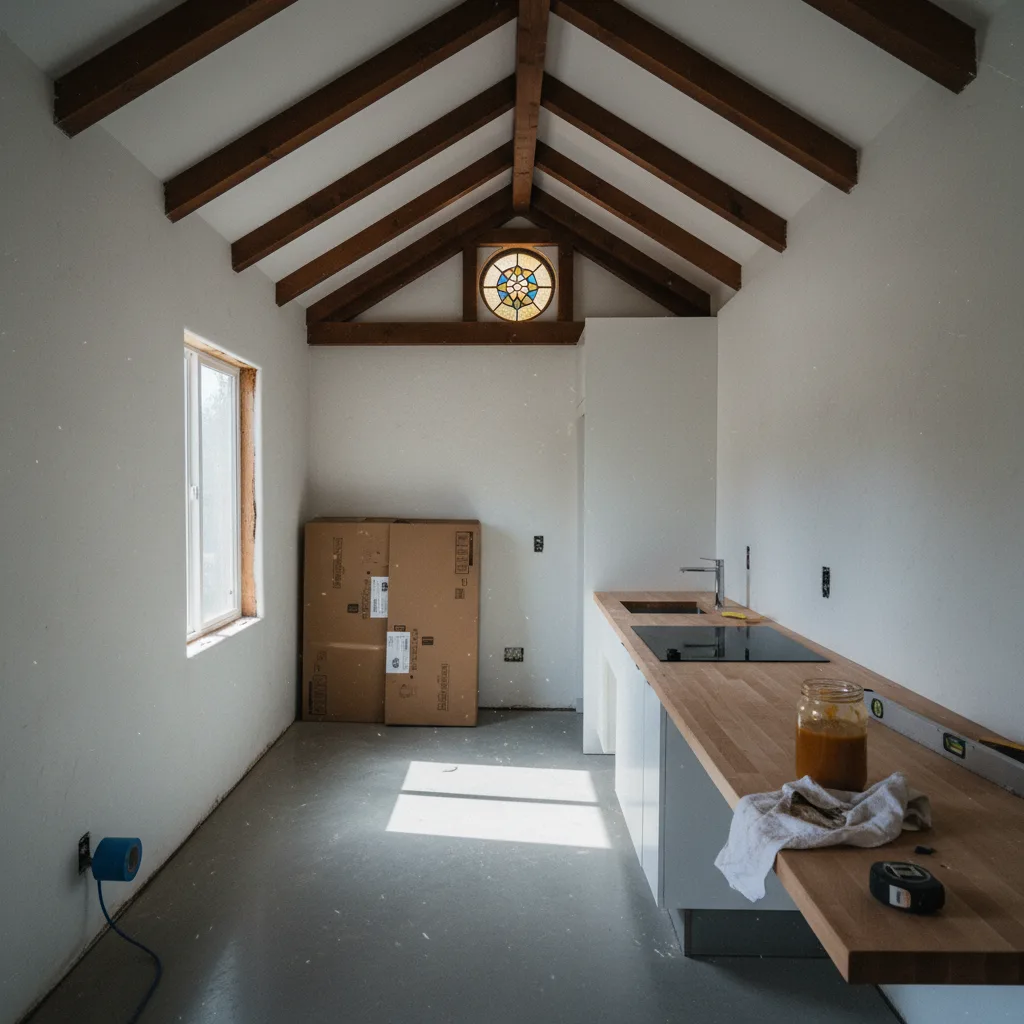
Planning an ADU and garage project in Pasadena? A full build typically runs $215,000 to $385,000 in 2026. Simple garage conversions start near $130,000, while premium custom work climbs past $460,000. This is what your budget actually covers, what drives the price up, and how to vet a contractor who knows Pasadena permits.
The Honest 2026 Price for an ADU & Garage in Pasadena
Let's get straight to the point. Building an Accessory Dwelling Unit (ADU), whether it's a garage conversion or a new detached structure, is not a simple remodel. You are building a small house. It requires a foundation, framing, plumbing, electrical systems, and a separate certificate of occupancy. In Pasadena, the all-in cost for a quality project is significant, and anyone quoting you rock-bottom prices is likely leaving something important out.
For 2026, we see the bulk of projects landing in the $215,000 to $385,000 range. This covers a well-appointed, code-compliant detached ADU or a complex garage conversion. Can it be done for less? A straightforward conversion of an existing, structurally sound garage with basic finishes might come in closer to $130,000. Can it cost more? Absolutely. High-end custom designs with premium materials, extensive site work, or structural gymnastics can easily push a project to $460,000 to $695,000, or higher.
The numbers we track are for the full, turn-key project cost. This includes design, engineering, permits, labor, materials, and basic finishes. It does not include landscaping, high-end appliance packages, or furniture. Understanding this distinction is the first step in setting a realistic budget.
What Drives ADU & Garage Costs in Pasadena
See what a ADU build actually costs in your Pasadena zip.
Take 4 questions →The final price tag on your Pasadena ADU is a product of four main factors: labor, materials, site conditions, and the administrative overhead of permits and fees. Unlike a simple kitchen remodel, an ADU involves every single construction trade, each with its own costs and complexities.
Labor and Skilled Trades
Pasadena is part of the greater Los Angeles market, where demand for qualified construction labor is consistently high. You are not just paying for a general contractor; you are paying for a coordinated team of excavators, foundation specialists, framers, electricians, plumbers, roofers, and finish carpenters. According to the California Department of Industrial Relations, prevailing wages for these trades in Los Angeles County are among the highest in the state. This isn't a bug; it's a feature of a competitive market where experience and reliability command a premium.
Materials and Finishes
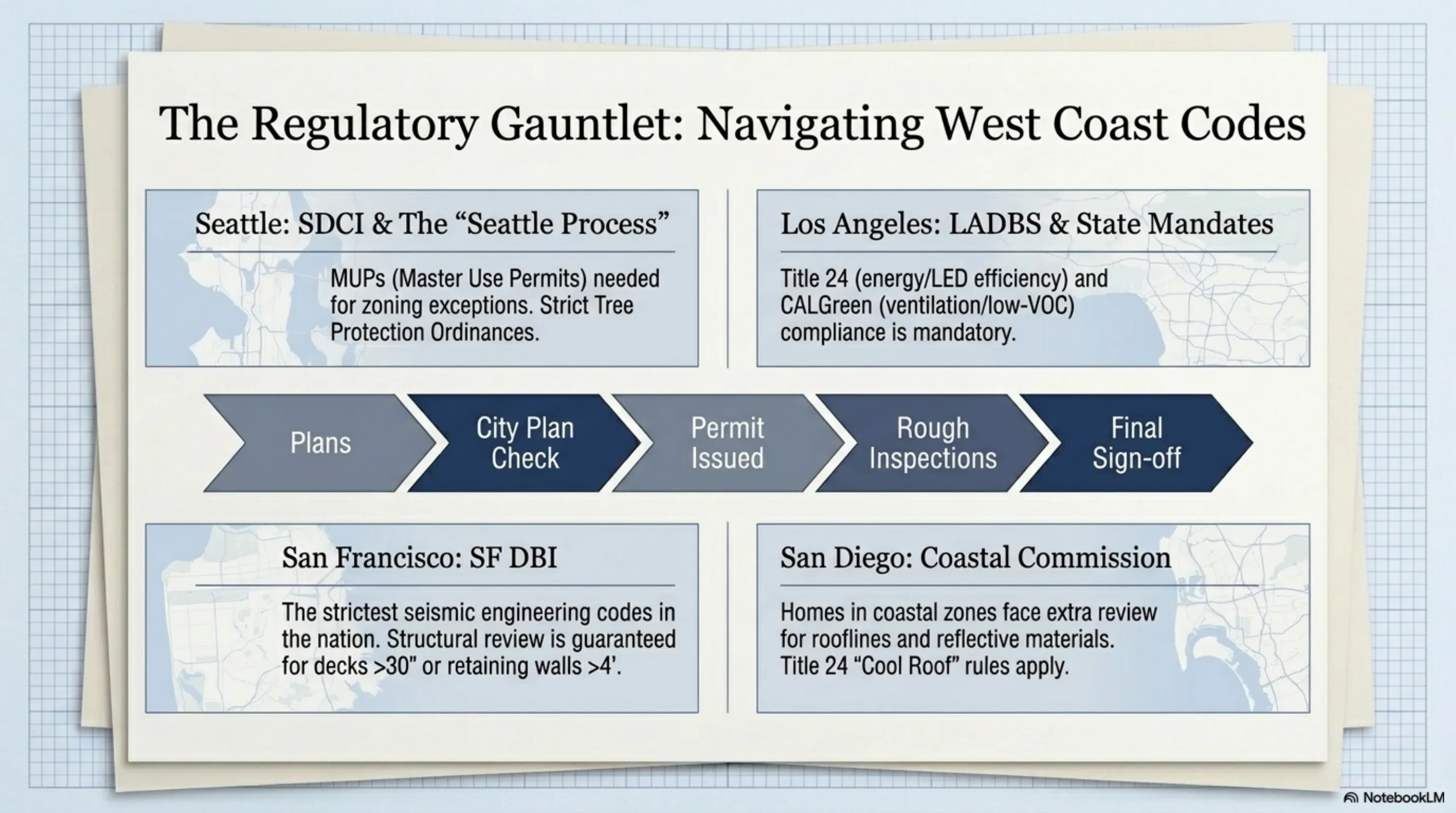
While you control the cost of finishes like tile and countertops, many material costs are fixed. Lumber, concrete, insulation, and drywall prices fluctuate with national supply chains., California's building codes dictate certain material standards. For example, Title 24, the state's energy code, requires specific levels of insulation, high-efficacy lighting, and often "cool roof" materials that reflect solar heat. These are non-negotiable costs baked into any legitimate bid.
Site Conditions and Lot Constraints
This is the great variable, especially in older Pasadena neighborhoods. Is your lot flat, or is it on a hillside requiring retaining walls and expensive grading? Is there clear access for a small excavator and concrete trucks, or will everything have to be moved by hand? How far must new sewer and water lines be run to connect to the city's mains? Answering these questions requires a site visit and sometimes a geotechnical (soils) report. These pre-construction investigations are worth every penny.
Key takeaway
The most significant cost overruns we see in Pasadena ADU projects stem from unforeseen site conditions. A low bid that hasn't accounted for poor soil, a high water table, or complex utility trenching is a red flag.
Pasadena ADU & Garage by Tier: 3 Real Project Examples
To make the numbers tangible, we have broken down the scope, cost, and timeline for three common project tiers. These are based on aggregated invoice data from Pasadena-area contractors in our network. Note that "Cosmetic" here usually refers to finishing a garage as a non-habitable space (like an office or gym), while true, legal ADUs start in the Mid-Range tier.
| Tier | Typical Scope | Cost Range (2026) | Typical Timeline |
|---|---|---|---|
| Garage Conversion | Converting an existing, permitted garage. Assumes sound foundation and framing. Includes new electrical sub-panel, plumbing tie-ins, insulation, drywall, basic kitchen and bath, new windows/doors. | $130,000 - $215,000 | 24 - 36 Weeks |
| Mid-Range Detached ADU | New construction of a 400-600 sq. ft. detached unit. Standard foundation, wood framing, stucco exterior, composition shingle roof. Mid-grade finishes, LVP flooring, semi-custom cabinets, quartz counters. | $215,000 - $385,000 | 32 - 56 Weeks |
| Premium Custom ADU | Architect-led design for a 750-1,200 sq. ft. unit. May involve complex foundation, steel elements, custom millwork, high-end windows, luxury brand appliances and fixtures, and extensive site work or landscaping integration. | $460,000 - $695,000+ | 50 - 70+ Weeks |
Permits and Local Code in Pasadena
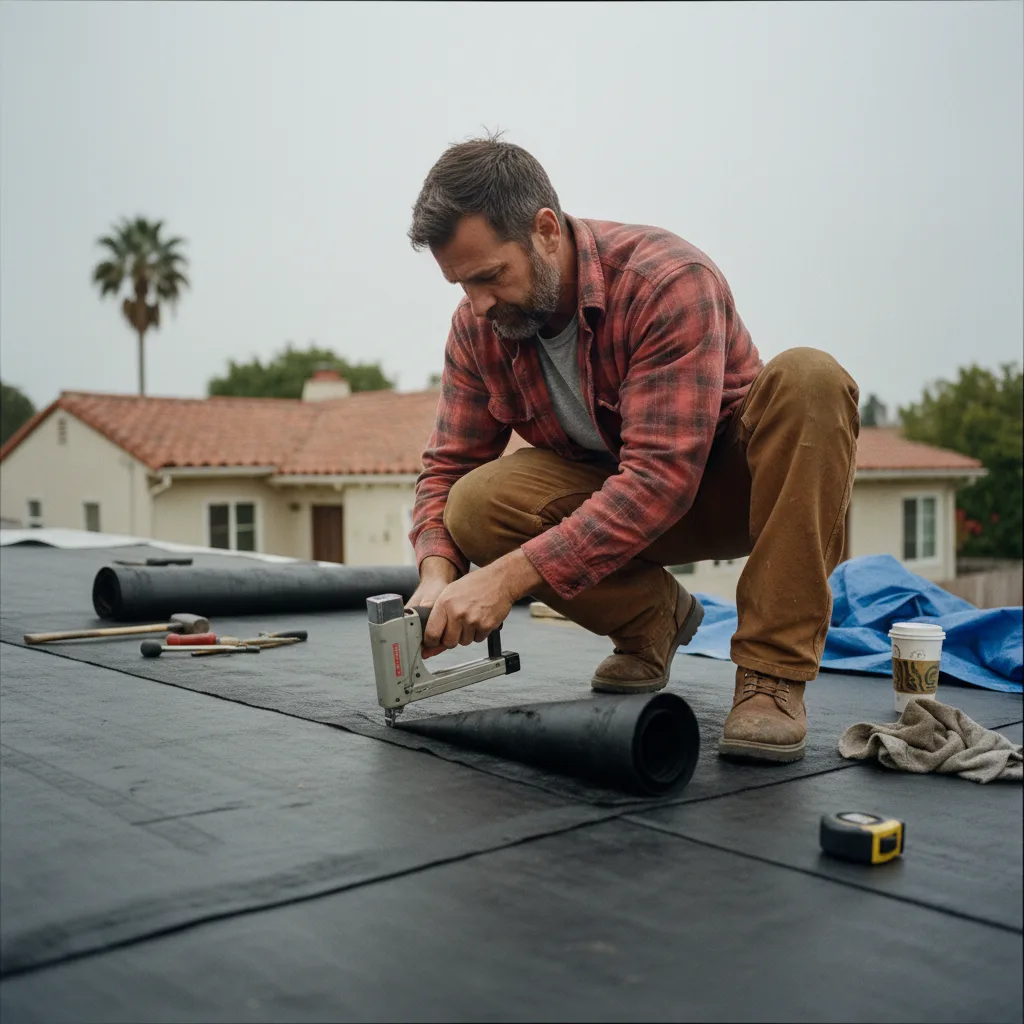
Building in Pasadena means working with the Pasadena Planning & Community Development Department. While state laws like AB 68 and AB 970 have streamlined the ADU approval process and imposed a 60-day "shot clock" for ministerial review, your project must still conform to local zoning, building codes, and sometimes, historic preservation guidelines.
The Permitting Process
Getting a permit is not a single step. It is a sequence that typically involves:
- Zoning Review: The city confirms your proposed ADU meets setback, height, and lot coverage requirements for your specific zone.
- Plan Check: Licensed architects and engineers from various departments (Building & Safety, Public Works, Fire) review your construction drawings for code compliance. This covers everything from structural engineering to electrical load calculations and plumbing schematics.
- Utility Coordination: You will need sign-offs from Pasadena Water and Power (PWP) for new electrical, water, and sewer connections. This can be a surprisingly slow part of the process.
Historic Districts and Special Overlays
If your home is in a designated historic district like Bungalow Heaven, your project will face an additional layer of design review. The goal is to ensure new construction is compatible with the neighborhood's historic character. This does not mean you must build a perfect replica of a 1920s bungalow, but it does mean that materials, massing, window styles, and rooflines will be scrutinized. This adds time to the design phase and can limit certain material choices.
Pro tip
Hire a designer or architect who has successfully permitted ADUs in Pasadena, specifically within its historic districts. Their familiarity with the city's expectations can save you months of back-and-forth revisions with the plan checkers.
The Pasadena Neighborhoods Where ADU & Garage Costs Diverge
Not all Pasadena lots are created equal. The character, age, and topography of a neighborhood have a direct impact on construction complexity and cost. A project in Linda Vista will face different challenges than one in Madison Heights.
Bungalow Heaven: Tight Lots and Historic Scrutiny
In historic districts like Bungalow Heaven, the primary constraints are lot size and access. The lots are often narrow, leaving little room for staging materials or maneuvering equipment. I was on a site walk there last month where the contractor had to schedule three separate, smaller concrete pours because a full-sized truck could not get close to the foundation forms. This kind of logistical challenge adds labor hours and cost., the design review process I mentioned earlier means more upfront architectural expense to create plans that respect the historic context.
San Rafael Hills & Linda Vista: Topography and Utilities
In hillside neighborhoods like San Rafael or Linda Vista, the lots are larger, but the challenge is topography. Building on a slope requires more extensive excavation, grading, and foundation engineering. Caissons, retaining walls, and extensive drainage systems are common requirements, adding tens of thousands of dollars to a project before you even start framing. Utility runs are also longer and more complex, winding up hillsides from the street. The cost of trenching and laying an extra 100 feet of sewer line is not trivial.
The final cost of your ADU is determined more by the ground it sits on than the finishes you put inside it.
Timeline: Realistic Week-by-Week Expectations
A common homeowner mistake is to only consider the active construction time. A typical 32 to 56 week construction schedule is preceded by a critical pre-construction phase that can take just as long. A realistic total timeline from your first call to a designer to moving a tenant in is closer to a year, and often longer.
Phase 1: Pre-Construction (12 - 24 weeks)
- Weeks 1-6: Design & Feasibility. You work with a designer or architect to develop a concept, confirm zoning feasibility, and create schematic plans.
- Weeks 7-12: Construction Drawings & Engineering. The schematic plans are turned into detailed blueprints with structural, mechanical, electrical, and plumbing plans. A structural engineer signs off on the calculations.
- Weeks 13-24: Permitting. The full drawing set is submitted to the Pasadena Planning & Community Development Department. This period involves waiting for plan check, responding to comments, and securing approvals from all relevant city departments.
Phase 2: Construction (32 - 56 weeks)
- Weeks 1-6: Site Prep & Foundation. Demolition, excavation, grading, and pouring the concrete foundation. This is highly weather-dependent.
- Weeks 7-14: Framing & Rough-In. The structure's skeleton goes up. Plumbers, electricians, and HVAC technicians run all the wires, pipes, and ducts inside the walls.
- Weeks 15-24: Exterior & Insulation. Windows, roofing, and siding are installed to make the structure watertight. The city inspects the rough-ins before the walls are closed up with insulation and drywall.
- Weeks 25-32: Interior Finishes & Move-In. This is the final push. Drywall is finished, flooring is laid, cabinets are installed, tile is set, and fixtures are placed. After a series of final inspections, the city grants a Certificate of Occupancy.
Editor's note
The single biggest cause of timeline delays is waiting for specialty materials. If you select custom windows or a high-end European appliance package, order them the moment your permits are approved. Their lead times can be 16 weeks or more.
How to Vet a Pasadena Contractor
Finding a general contractor is easy. Finding a great general contractor with specific, recent experience building ADUs in Pasadena is harder. Your vetting process should be rigorous. A major construction project is a long-term relationship, and you need a partner you can trust.
Initial Screening Questions
Before you even ask for a bid, ask these questions over the phone:
- Are you licensed with the CSLB, and can you provide your license number? (Verify it online).
- Do you carry general liability and workers' compensation insurance? (Ask for a certificate).
- How many ADUs have you completed in Pasadena in the last two years?
- Can you provide three references for recent, similar projects? (Call them).
- Have you ever worked in a historic district in Pasadena?
Red Flags to Watch For
- An unusually low bid. This often means the contractor missed something in the scope, is using uninsured labor, or plans to make up the difference with expensive change orders.
- Pressure to sign a contract immediately. A professional will give you time to review the bid and contact references.
- A request for a large upfront deposit. California law limits down payments to 10% of the contract price or $1,000, whichever is less.
- Vague or non-itemized bids. A good bid is a detailed document, breaking down costs for each phase of construction. It should be many pages long.
Renology Take
As an editor who reviews construction projects daily, I see a recurring pattern with ADUs. Homeowners spend 80 percent of their mental energy on finishes: the tile, the cabinet color, the light fixtures. These are the fun decisions, but they represent a fraction of the budget and risk. The real make-or-break phase of an ADU project happens before a single nail is hammered. It is in the soils report, the structural engineering, the utility mapping, and the painstaking navigation of the permit office. The most successful projects are not the ones with the fanciest countertops; they are the ones that invested heavily in pre-construction diligence. Get the foundation, structure, and paperwork right, and the rest will follow. Underestimate them, and you are building your budget on sand.
Sources & Methodology
These cost ranges are reconstructed from publicly available labor and permit data, the latest Remodeling Magazine cost-vs-value report, and Renology's own Project of the Day network, a rolling sample of real homeowner invoices we collect from Pasadena-area contractors. Last refreshed April 2026.
- National Association of Home Builders (NAHB) Remodeling Market Index, Q1 2026
- California Department of Industrial Relations, Los Angeles County Prevailing Wage Data, 2026
- Pasadena Planning & Community Development Department Permit Data, 2026
- Remodeling Magazine, 2026 Cost vs. Value Report
- Renology Project of the Day Network, aggregated 2026 contractor invoices in Pasadena
- California Building Standards Code (Title 24)
- Pasadena Municipal Code, Title 17 (Zoning)
Methodology
How Renology estimates adu / garage conversion costs in Pasadena.
Renology treats this page as a planning benchmark for Pasadena, California, not a final quote. We compare published local guide data, contractor scope patterns, permit-sensitive work, climate or site constraints, and finish-level assumptions.
Cost range
$215,000-385,000
Timeline
32-56 weeks
Source type
Editorial dataset
Local factor: Mediterranean (Köppen Csa): 14 inches annual rain, hot dry summers, mild winters. UV intensity is high year-round.
Use these numbers to shape a scope and spot missing line items. Confirm permits, structural work, electrical, plumbing, gas, waterproofing, drainage, and code-sensitive details with the local building department and a licensed professional.
Compare against the full Renology Cost IndexPasadena · pre-screened
Get 3 Pasadena ADU bids in 48 hours.
Our editors already vetted Pasadena ADU builders. Answer 4 questions and we send 3 written bids inside 48 hours, with the real price for your scope, not their inflated first-call number.
- Free, no commission
- Pre-screened locally
- Bids inside 48 hours
Takes about 60 seconds. We'll text you when bids arrive.