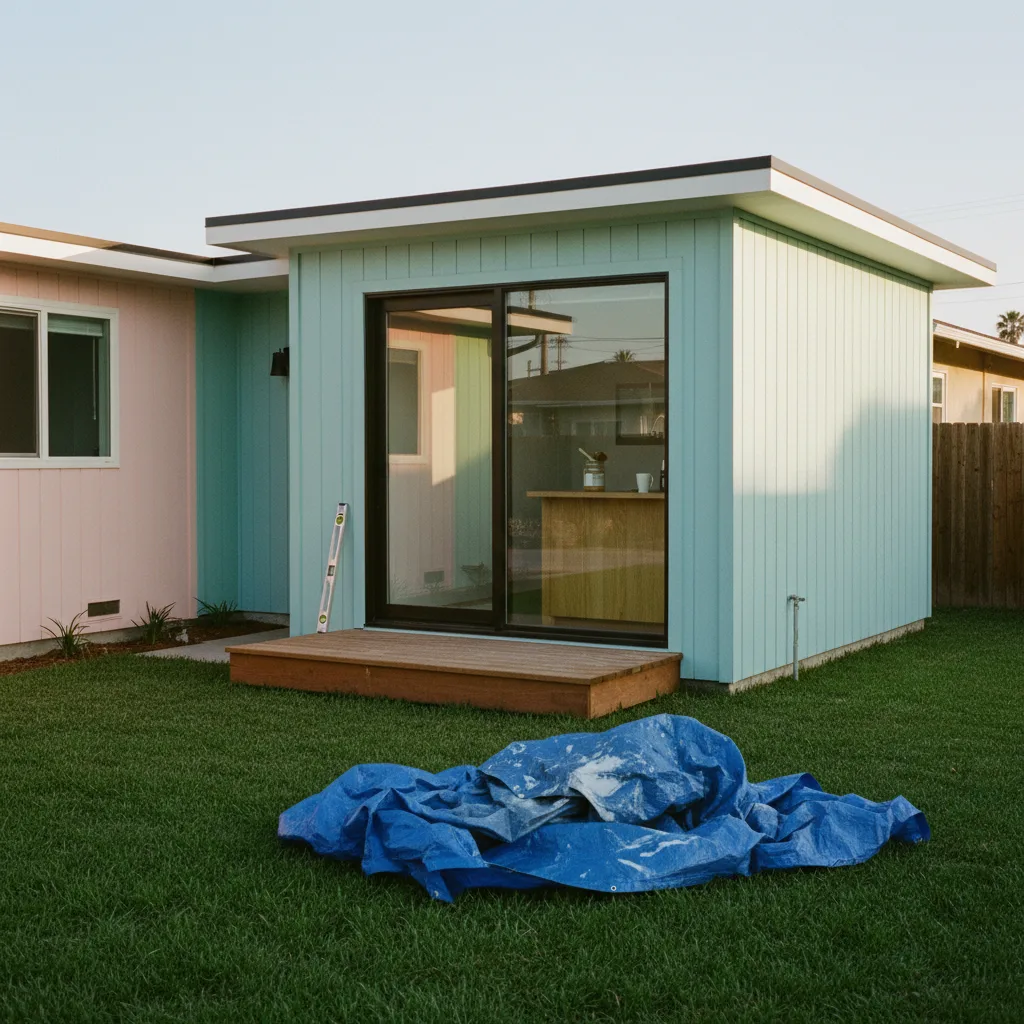
Planning an ADU and garage project in Long Beach? A full build typically runs $215,000 to $385,000 in 2026. Simple garage conversions start near $130,000, while premium custom work climbs past $460,000. This is what your budget actually covers, what drives the price, and how to find a contractor who knows Long Beach permits.
The Honest 2026 Price for an ADU & Garage in Long Beach
Let's get straight to the numbers. As the structural editor at Renology, I review project invoices from across Southern California. In Long Beach, the cost to build a new Accessory Dwelling Unit (ADU) with an accompanying garage, or to convert an existing garage into a legal living space, has a wide but predictable range. The majority of projects we track land between $215,000 and $385,000. This figure represents the all-in cost for a standard, well-built unit, from plans and permits to the final coat of paint.
Of course, "standard" is a loose term in construction. Your final cost is a direct result of scope. A simple conversion of an existing garage, keeping the same footprint and foundation, can start as low as $130,000. This involves finishing the interior, adding a bathroom and kitchenette, and bringing electrical and plumbing up to code. On the other end of the spectrum, a high-end, custom-designed detached ADU with premium finishes and complex structural work can easily exceed $460,000, with some architect-led projects we've seen in the area pushing past $695,000.
These are not estimates pulled from a national database. They are based on real, itemized invoices from Long Beach contractors in the last six months. Understanding where your project falls on this spectrum is the first step to a realistic budget and a successful build.
What Drives ADU & Garage Costs in Long Beach
See what a ADU build actually costs in your Long Beach zip.
Take 4 questions →A project's final price tag is a function of three main components: labor, materials, and soft costs. In a high-demand market like the Los Angeles basin, each of these carries a regional premium. Understanding them helps you see where your money is going.
Skilled Labor in the LA Basin
Long Beach is part of one of the most expensive construction labor markets in the country. There is a high demand for qualified, licensed, and insured tradespeople, from framers and electricians to foundation specialists. According to prevailing wage data from the California Department of Industrial Relations, skilled labor rates here are significantly higher than the national average. This isn't just about the general contractor's fee; it's the hourly rate for every single person on site. A good crew is worth the cost, as they work efficiently and know the local inspection process, saving you time and money in the long run.
Material Sourcing and Finishes
While proximity to the Port of Long Beach can help with some logistics, material costs are subject to national and global supply chains. The real driver here is your taste. The difference between builder-grade vinyl windows and custom aluminum-clad units can be tens of thousands of dollars. The same goes for flooring, cabinetry, countertops, and fixtures. We see homeowners save money by choosing high-quality, standard-sized products over custom-fabricated items that add weeks to the timeline and thousands to the budget.
Soft Costs: The Price of Paperwork
Before any ground is broken, you will spend a significant amount on "soft costs." These are the necessary but less visible expenses:
- Architectural & Engineering Plans: A full set of construction documents can cost between $10,000 and $25,000, depending on complexity.
- Permit Fees: The City of Long Beach Development Services charges fees for plan checks, inspections, and permits themselves. Budget several thousand dollars for this.
- Title 24 Energy Report: California's strict energy code requires a detailed report showing your ADU meets efficiency standards for insulation, windows, and HVAC.
- Soils Report: For new detached structures, the city may require a geotechnical report to assess soil stability, adding another few thousand to the upfront cost.
Long Beach ADU & Garage by Tier: 3 Real Project Examples
To make the numbers more concrete, we've broken down three common project types we see in Long Beach. These are composites based on actual invoices, showing how scope, cost, and timeline connect. Most homeowners find their vision fits into one of these tiers.
| Tier | Typical Scope | Cost Range | Timeline |
|---|---|---|---|
| Cosmetic Conversion | Converting an existing, structurally sound garage. No footprint change. Adding a bathroom and kitchenette, finishing walls, upgrading electrical panel, new flooring, and paint. Basic, builder-grade finishes. | $130,000 - $215,000 | 4 - 6 months |
| Mid-Range Detached ADU | New construction of a 500-800 sq. ft. one-bedroom ADU with an attached one or two car garage. Standard foundation, wood framing, stucco exterior. Mid-grade finishes like quartz counters, LVP flooring, and semi-custom cabinets. | $215,000 - $385,000 | 8 - 14 months |
| Premium Custom Build | Architect-designed 800-1,200 sq. ft. detached ADU, possibly two-story. High-end finishes, custom millwork, premium appliances, extensive tile work, and complex rooflines or window systems. May include landscaping and hardscaping. | $460,000 - $695,000+ | 12 - 18+ months |
Pro tip
The single biggest factor that keeps a project within its tier is locking in your design and finish selections before construction starts. Mid-project changes are the primary source of budget overruns and schedule delays.
Permits and Local Code in Long Beach
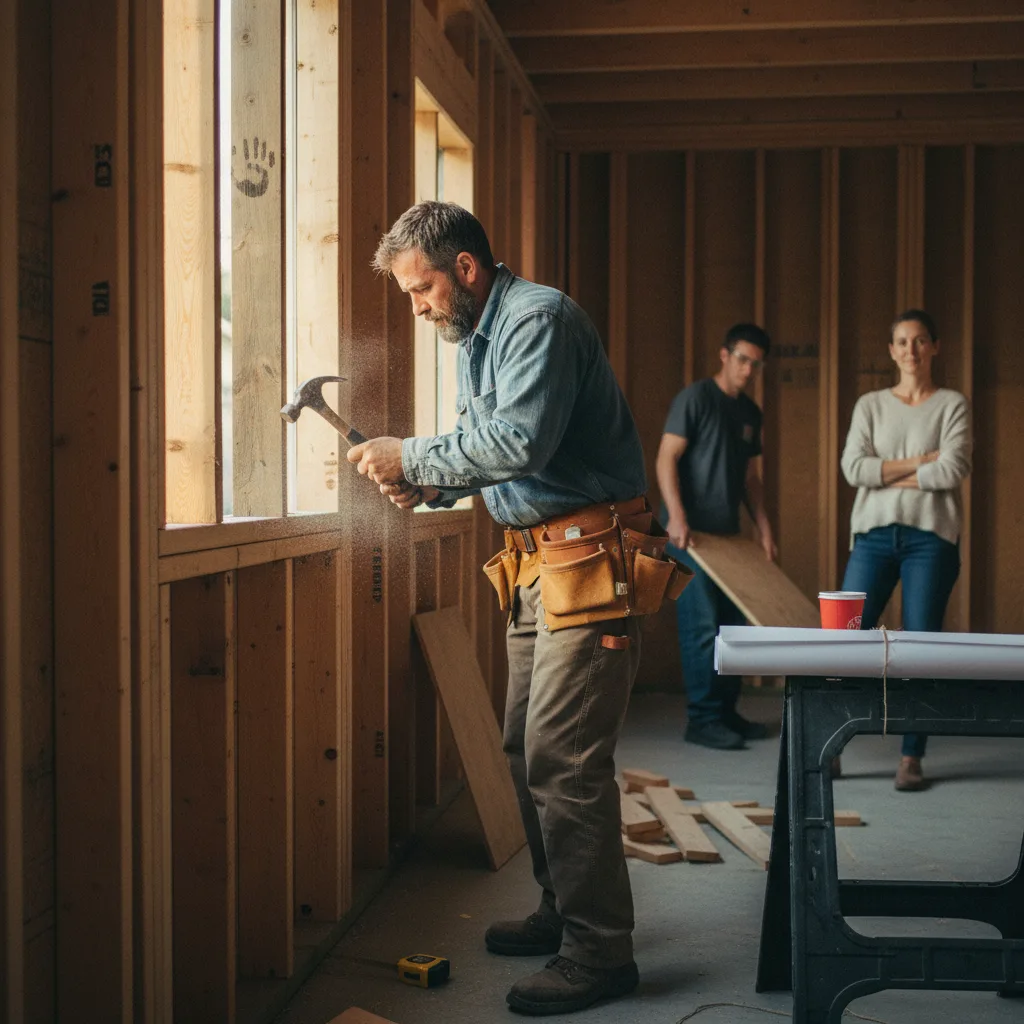
Getting a building permit in any California city requires navigating a specific process. In Long Beach, your project's fate lies with the city's Development Services Department. While state laws have streamlined the ADU approval process, local rules still dictate the details.
Your Project's First Stop: Long Beach Development Services
All plans for new construction or major renovations must be submitted to the Long Beach Development Services Department located at City Hall. Their plan checkers will review your architectural and structural drawings for compliance with the California Building Code (CBC) and the Long Beach Municipal Code (LBMC). They ensure everything from seismic safety to fire egress is up to standard. The city has also developed a set of pre-approved ADU plans, known as "Standard Plans," which can potentially speed up the plan check process if one of the designs works for your lot.
State Laws and the 60-Day Clock
California state law, specifically Assembly Bill 970, mandates that municipalities approve or deny an ADU permit application within 60 days of receiving it. This "shot clock" is a huge advantage for homeowners, preventing applications from languishing for months. However, the clock only starts once the city deems your application "complete." If your plans are missing information or have code violations, you will receive corrections, and the clock resets once you resubmit. A good architect or designer who knows Long Beach's specific requirements is critical to getting through this process in one cycle.
The best contractors don't just build well; they know the plan checkers at city hall by name.
The Long Beach Neighborhoods Where ADU & Garage Costs Diverge
Not all Long Beach lots are created equal. The character, age, and density of a neighborhood have a direct impact on construction complexity and cost. A project in Bixby Knolls faces a very different set of challenges than one in Belmont Shore.
Coastal Constraints in Belmont Shore and Naples
In the dense, coastal neighborhoods of Belmont Shore and Naples, the lots are small and the alleys are tight. This creates significant logistical challenges. I was on a site walk in Belmont Shore last month where the general contractor had to schedule three separate, smaller concrete pours because a full-sized mixer truck couldn't fit down the access alley. That adds labor hours and cost., material staging is a constant puzzle, and parking for trade workers is difficult. These access issues can add five to ten percent to the total labor cost compared to a project with easy street access.
Historic Character in California Heights
Building in a designated historic district like California Heights introduces another layer of complexity: design review. The local historic preservation committee will scrutinize your ADU plans to ensure they are compatible with the neighborhood's Craftsman and Spanish Colonial Revival character. This often means specific requirements for roof pitch, window style, exterior materials, and overall massing. You can't just use standard off-the-shelf windows; you may need custom wood windows that match the main house. This process adds time to the pre-construction phase and limits material choices, often pushing a project into a higher cost bracket.
Did you know
Some historic districts have specific rules about where a detached ADU can be placed on the lot to minimize its visibility from the street, which can limit your design options even on a larger property.
Timeline: Realistic Week-by-Week Expectations
One of the biggest disconnects for homeowners is the project timeline. From your first call to a designer to the final inspection, a new-build ADU is rarely a quick process. Here is a realistic breakdown, assuming a mid-range detached unit.
- Phase 1: Design & Permitting (8 - 16 weeks). This is the crucial planning stage. You'll work with a designer or architect to create plans, get structural engineering, and complete your Title 24 report. After that, you submit to the city. Even with the 60-day shot clock, one round of corrections and resubmittal is common.
- Phase 2: Site Work & Foundation (4 - 6 weeks). Once permits are in hand, the real work begins. This involves grading the site, trenching for sewer, water, and electrical lines, and pouring the concrete foundation. Weather can be a factor here.
- Phase 3: Framing & Rough-Ins (6 - 10 weeks). This is when the structure takes shape. The crew will frame the walls and roof, install windows and exterior doors, and run all the plumbing, electrical, and HVAC lines inside the walls before anything is closed up. This phase involves multiple city inspections.
- Phase 4: Exterior & Interior Finishes (10 - 18 weeks). The longest and most detailed phase. This includes insulation, drywall, stucco or siding, roofing, painting, flooring, cabinet installation, countertops, tile work, and setting all the final plumbing and electrical fixtures.
- Phase 5: Final Inspections & Punch List (4 - 6 weeks). The city inspector returns for the final sign-off. After that, you and your contractor will walk the project and create a "punch list" of any small items that need to be fixed or adjusted before the final payment is made.
Important
Order your windows, custom doors, and cabinets the moment your permit is approved. These items often have the longest lead times (eight to fourteen weeks is common) and can bring your entire project to a halt if they don't arrive on time.
How to Vet a Long Beach Contractor
Choosing the right general contractor is the single most important decision you will make. A great contractor keeps the project on track and on budget; a bad one can turn your investment into a nightmare. Diligent vetting is non-negotiable.
Questions That Reveal True Local Expertise
When you interview potential contractors, go beyond the basic "Are you licensed and insured?" Ask questions that test their specific experience in Long Beach:
- How many ADUs have you built in Long Beach in the past two years? Can I see photos and talk to the homeowners?
- Who is your primary contact at the Long Beach Development Services Department? (A contractor who does regular work in the city will know the staff.)
- How do you handle material staging and crew parking in a dense neighborhood like Belmont Heights or Alamitos Beach?
- Can you show me an example of a change order from a recent project? (You want to see how they document and price unexpected work.)
- What is the most common issue you see during ADU inspections in Long Beach? (This shows they are familiar with what local inspectors focus on.)
Red Flags to Watch For
Be wary of contractors who exhibit any of these behaviors:
- Vague Bids: A professional bid is highly detailed, with line items for each phase of work. A one-page estimate with a single number is a major red flag.
- High-Pressure Sales Tactics: A good contractor is busy. They won't pressure you to sign a contract on the spot.
- Large Upfront Deposit: California law limits deposits to 10% of the contract price or $1,000, whichever is less. Anyone asking for more is breaking the law.
- No CSLB License: Never hire an unlicensed contractor for a project of this scale. You can verify any contractor's license in seconds on the California Contractors State License Board (CSLB) website.
Renology Take
As an editor focused on the structural side of renovations, the pattern I see homeowners miss most often is budgeting for the unseen. It’s easy to get excited about quartz countertops and designer tile, but the most critical and often costly parts of an ADU project are buried in the ground or behind the walls. I’m talking about the cost to trench and run a new sewer lateral, the price of upgrading the main house’s electrical panel to handle the new load, or the structural engineering required for a foundation on questionable soil. These infrastructure costs aren't glamorous, but they are non-negotiable. A budget that accounts for 20 percent of the total cost for this "boring" work is a realistic budget. A budget that focuses only on finishes is a fantasy that will break the first time you get an invoice from the electrician.
Sources & Methodology
These cost ranges are reconstructed from publicly available labor and permit data, the latest Remodeling Magazine cost-vs-value report, and Renology's own Project of the Day network, a rolling sample of real homeowner invoices we collect from Long Beach-area contractors. Last refreshed April 2026.
- National Association of Home Builders (NAHB) Remodeling Market Index, Q1 2026
- California Department of Industrial Relations, Los Angeles County Prevailing Wage Data, 2026
- City of Long Beach Development Services Permit Data, 2026
- Remodeling Magazine, 2026 Cost vs. Value Report
- California Contractors State License Board (CSLB) Disciplinary Actions Report
- Renology Project of the Day Network, aggregated 2026 contractor invoices in Long Beach
Methodology
How Renology estimates adu / garage conversion costs in Long Beach.
Renology treats this page as a planning benchmark for Long Beach, California, not a final quote. We compare published local guide data, contractor scope patterns, permit-sensitive work, climate or site constraints, and finish-level assumptions.
Cost range
$215,000-385,000
Timeline
32-56 weeks
Source type
Editorial dataset
Local factor: Mediterranean (Köppen Csa): 14 inches annual rain, hot dry summers, mild winters. UV intensity is high year-round.
Use these numbers to shape a scope and spot missing line items. Confirm permits, structural work, electrical, plumbing, gas, waterproofing, drainage, and code-sensitive details with the local building department and a licensed professional.
Compare against the full Renology Cost IndexLong Beach · pre-screened
Get 3 Long Beach ADU bids in 48 hours.
Our editors already vetted Long Beach ADU builders. Answer 4 questions and we send 3 written bids inside 48 hours, with the real price for your scope, not their inflated first-call number.
- Free, no commission
- Pre-screened locally
- Bids inside 48 hours
Takes about 60 seconds. We'll text you when bids arrive.