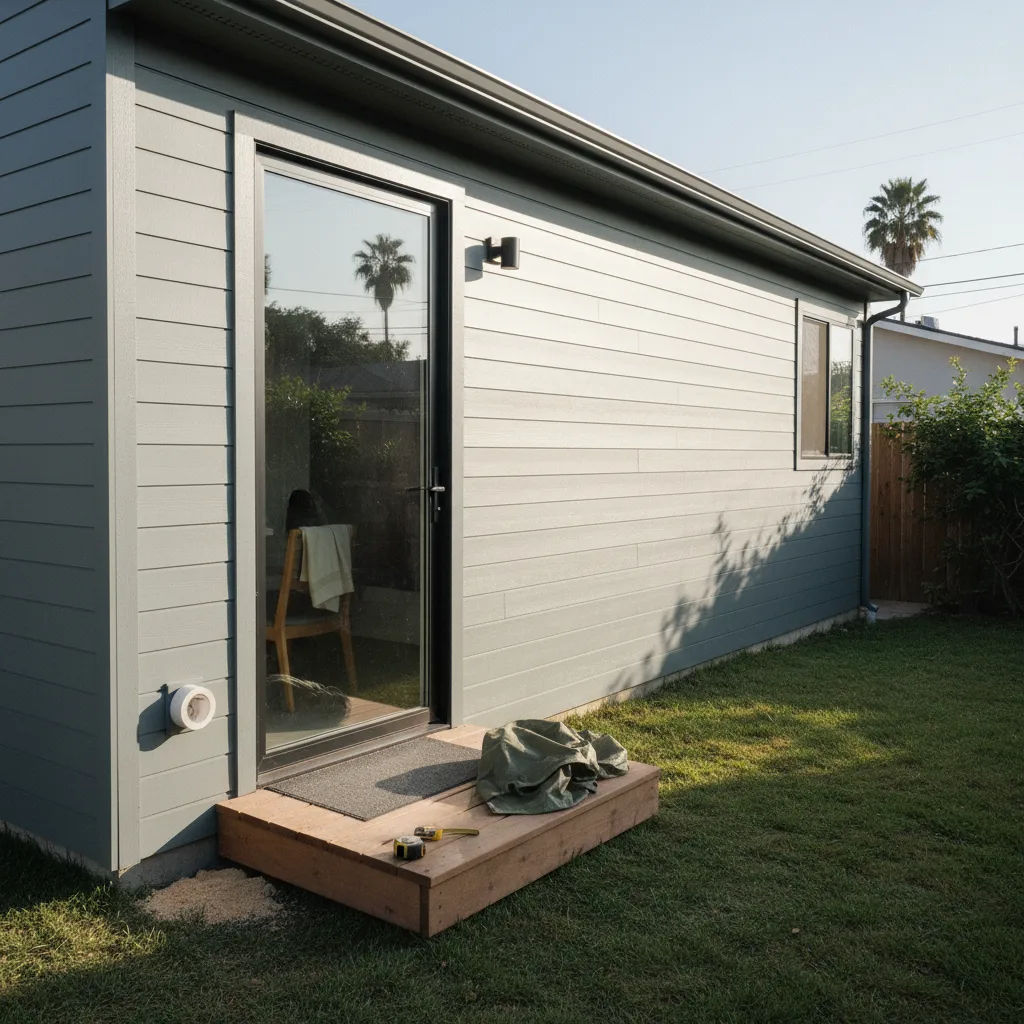
Planning an ADU and garage project in Huntington Beach? A full build typically runs $210,000 to $380,000 in 2026. Cosmetic refreshes start near $125,000, while premium custom work climbs past $455,000. This is what your budget actually covers, what drives the price, and how to vet a contractor who knows Huntington Beach permits.
The Honest 2026 Price for an ADU & Garage in Huntington Beach
Let's get straight to the point. Building an Accessory Dwelling Unit (ADU), whether it's a garage conversion or a new detached structure, is a significant construction project. In Huntington Beach, the combination of high demand for skilled labor, specific coastal building requirements, and property values sets a firm baseline for costs. The numbers we see from contractor invoices in our network consistently fall within a predictable range, but it's important to understand what these figures represent. They are not just for the structure itself but for the entire process of creating a legal, permitted, and fully serviced secondary home on your lot.
The median all-in cost for a standard-finish, 500 to 800 square-foot detached ADU with an attached garage component in Huntington Beach is $210,000 to $380,000. This range covers the vast majority of projects we track. If you're looking at a more basic conversion of an existing garage with minimal structural changes, you might land in the $125,000 to $210,000 bracket. For those planning a high-end, custom-designed unit with premium materials, structural complexities, or difficult site access, budgets quickly push past $455,000 and can reach $685,000 or more.
Key takeaway
These costs are for the complete, turn-key project. This includes not just lumber and drywall but also architectural plans, engineering, city permit fees, utility hookups, and the contractor's project management. Homeowners often underestimate these "soft costs," which can account for 15 to 20 percent of the total budget before a single nail is hammered.
What Drives ADU & Garage Costs in Huntington Beach
See what a ADU build actually costs in your Huntington Beach zip.
Take 4 questions →The price tag on your project isn't arbitrary. It's a direct reflection of specific local conditions. A project in Surf City faces a different set of challenges than one in an inland suburb, and understanding these factors is the first step to building a realistic budget.
Labor, Materials, and the "Coastal Premium"
Skilled labor is the single largest component of your budget. In Orange County, the demand for qualified framers, electricians, and plumbers is intense. According to the California Department of Industrial Relations, prevailing wages for trades in the region are among the highest in the state. This isn't a corner you can cut; quality work from licensed professionals is essential for passing inspections and ensuring the longevity of your investment. On the materials side, building near the coast means contending with salt air. This requires specific, more expensive products: stainless steel fasteners, corrosion-resistant hardware, fiberglass or vinyl window frames instead of wood, and solid exterior finishes that can withstand the marine layer. These aren't luxury upgrades; they're necessities for durability.
Permits, Fees, and Site-Specific Realities
Getting a permit from the City of Huntington Beach is more than just a paperwork fee. Your project will require a full plan review, which involves structural engineering calculations, energy compliance reports (Title 24), and sometimes soils reports. Beyond the city's plan check and inspection fees, you may also encounter impact fees levied by local school districts or for parks, particularly for new detached ADUs over a certain size. The condition of your lot is another major variable. A flat, easily accessible lot in a newer tract is straightforward. An older property in the downtown area might require thousands of dollars in trenching to run new sewer, water, and electrical lines from the street, or significant grading to ensure proper drainage.
The cost of your ADU isn't the structure; it's the cost of creating a legal, habitable, and serviced second home on your property.
Huntington Beach ADU & Garage by Tier: 3 Real Project Examples
To make the numbers tangible, let's break down three common project scopes. Most homeowners we work with find their project falls squarely into the Mid-Range tier. This table outlines what you can realistically expect at each budget level. It's a framework for matching your goals with your investment.
| Tier | Typical Scope | Cost Range (2026) | Typical Timeline |
|---|---|---|---|
| Cosmetic / Conversion | Converting an existing, permitted garage. No new foundation or major structural changes. Adding insulation, drywall, and finishes. Basic kitchen and bathroom. Upgrading electrical panel and adding a sub-panel. Standard-grade materials. | $125,000 to $210,000 | 4 to 7 months |
| Mid-Range / Standard Build | New detached ADU (500-800 sq. ft.) with a one or two-car garage. Standard foundation and wood framing. Mid-grade finishes like LVP flooring, quartz countertops, and semi-custom cabinets. Includes all new utility connections, Title 24 compliance, and architectural plans. | $210,000 to $380,000 | 8 to 14 months |
| Premium / Custom | Architect-designed detached ADU (800+ sq. ft.) or a complex addition. Structural steel, custom bi-fold doors, high-end appliances and fixtures. Custom cabinetry, hardwood floors, and designer finishes. May involve challenging site work, retaining walls, or extensive landscaping. | $455,000 to $685,000+ | 12, 18+ months |
Permits and Local Code in Huntington Beach
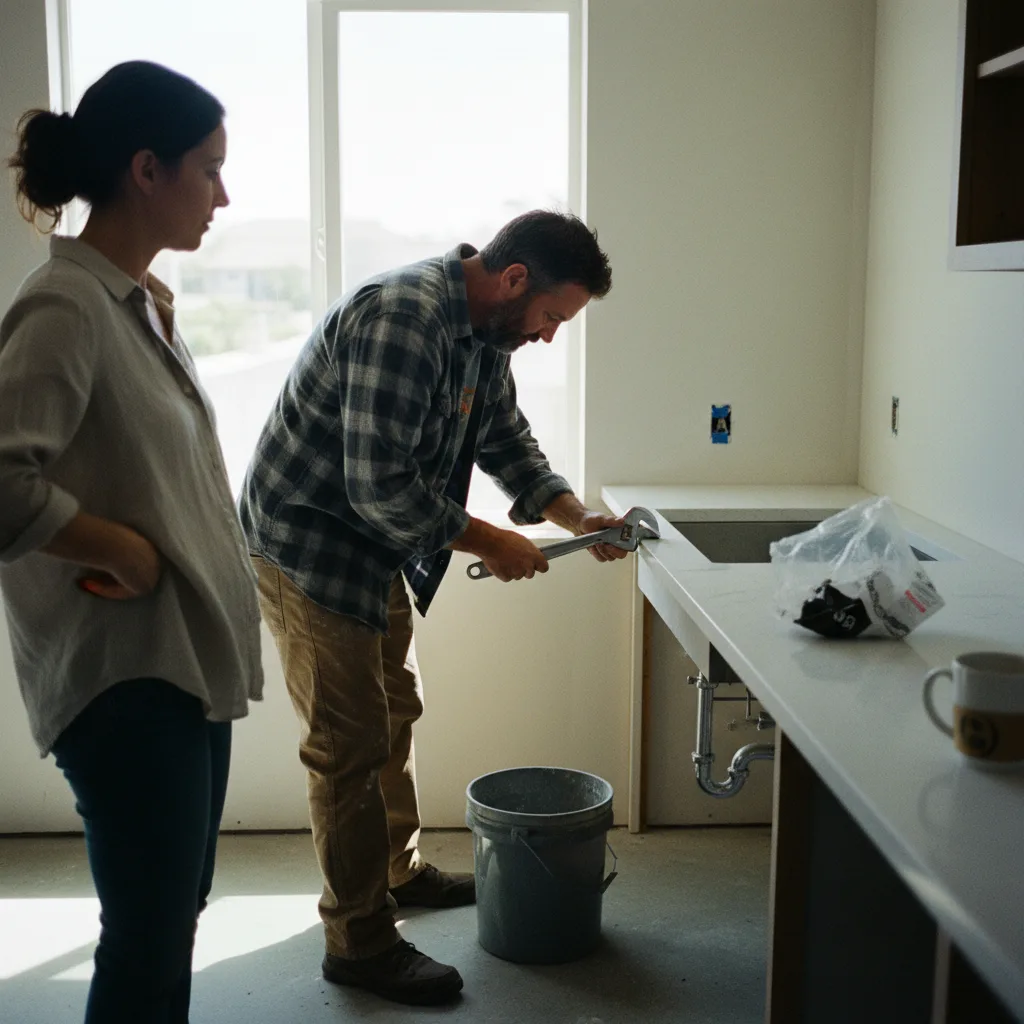
Successfully completing an ADU project in Huntington Beach requires a solid understanding of the local regulatory environment. It’s a two-part system: the city provides the primary approval, but state laws and, in some cases, coastal commissions set the overarching rules.
The City of Huntington Beach Community Development Department
This is your primary point of contact. The department's Planning and Building divisions will review your architectural and structural plans for compliance with the California Residential Code (CRC), local zoning ordinances, and specific ADU development standards. They look at everything from setbacks and height limits to fire safety access and parking requirements. Their plan checkers are thorough, and their inspectors will visit your site at multiple key stages, from foundation pour to final sign-off. A contractor with a proven track record in Huntington Beach will know the plan reviewers and inspectors, which can significantly smooth out this process.
California Title 24 and Coastal Zone Considerations
Every new dwelling in California, including ADUs, must meet the state's stringent Title 24 energy efficiency standards. This dictates requirements for insulation, window performance (U-factor and SHGC), HVAC efficiency, and lighting. It's not optional., if your property lies within the designated Coastal Zone, you face an additional layer of scrutiny. The California Coastal Commission's policies, administered by the city, aim to protect coastal resources and public access. This can influence your ADU's design, height, materials, and even landscaping. Projects in the Coastal Zone often have longer review periods and require more detailed submissions.
Important
Do not assume a state law streamlining ADUs overrides all local or coastal rules. While state laws have made it easier to get an ADU approved, cities like Huntington Beach still retain control over objective development standards. Your architect and contractor must design a project that satisfies all three layers: state, city, and coastal.
The Huntington Beach Neighborhoods Where ADU & Garage Costs Diverge
A square foot is not a square foot everywhere in Huntington Beach. The character, age, and constraints of a neighborhood directly affect construction complexity and cost. A budget that works in one area may be insufficient just a few miles away.
Huntington Harbour: Waterfront Logistics and High-End Expectations
Building in Huntington Harbour presents unique challenges. The lots are often smaller and irregularly shaped, and the proximity to water can mean dealing with a high water table, which complicates foundation work. Access for heavy equipment and material deliveries can be tight., the existing homes are high-end, meaning a new ADU needs to match that aesthetic to preserve property value. This pushes material and finish selections toward the premium end of the spectrum. Expect extra engineering for foundations and potential review under Coastal Commission guidelines, adding time and cost to the pre-construction phase.
Downtown and the "Numbered Streets": Tight Lots and Aging Infrastructure
The charming, older neighborhoods downtown and along the numbered streets offer a different set of hurdles. The primary issue is space. Lots are often narrow and deep, making it a puzzle to fit a new ADU while respecting setback requirements. I was on a site walkthrough last year just off Main Street where the biggest challenge wasn't the build itself, but simply finding a place on the property to stage materials without blocking public access. Another major factor is aging infrastructure. The existing sewer and electrical lines serving the main house may be decades old and undersized. Tying a new ADU into these systems often triggers a mandatory, and expensive, upgrade to the entire connection back to the city main.
Timeline: Realistic Week-by-Week Expectations
The most common point of friction between homeowners and contractors is the timeline. The 32 to 56 weeks of *active construction* cited in industry reports is only part of the story. The total journey from your first call to a designer to moving a tenant in is much longer. Here’s a more realistic, phased breakdown.
- Phase 1: Design, Engineering, and Permitting (8-16 weeks). This is where the heavy thinking happens. You'll work with a designer or architect to create plans, which then go to a structural engineer. Once the package is complete, it's submitted to the City of Huntington Beach. The initial review can take four to six weeks, and if they come back with corrections (which is common), you'll go through another round of revisions and resubmission.
- Phase 2: Site Prep and Foundation (4-6 weeks). Once you have an approved permit, work can begin. This involves demolition (if any), grading the site, trenching for utilities (water, sewer, gas, electrical), and forming and pouring the concrete foundation. This phase is heavily dependent on weather and the findings of your soils report.
- Phase 3: Framing and Rough-ins (6-10 weeks). This is when the structure takes shape. Walls go up, the roof is installed, and windows are put in. Plumbers, electricians, and HVAC technicians then run all the pipes, wires, and ducts through the walls. This phase culminates in a series of "rough-in" inspections from the city.
- Phase 4: Exterior and Interior Finishes (10-16 weeks). The longest phase. Outside, siding, stucco, and roofing are completed. Inside, insulation and drywall are installed, followed by painting, flooring, cabinet installation, tiling, and countertop templating and installation. This is where long lead times for materials like custom cabinets or specific appliances can cause delays.
- Phase 5: Finals and Punch List (4-8 weeks). The finishing touches. Light fixtures, plumbing fixtures, and appliances are installed. The city inspector returns for the final building, electrical, plumbing, and mechanical inspections. Once you have your Certificate of Occupancy, you'll do a final walkthrough with your contractor to create a "punch list" of any small items needing correction.
How to Vet a Huntington Beach Contractor
Choosing the right general contractor is the most important decision you'll make. A great contractor prevents problems; a bad one creates them. Your vetting process should be as thorough as the city's plan check.
Beyond the License Check
Verifying a contractor's CSLB license is the bare minimum. You should also check the license history for any disciplinary actions or complaints. Ask for proof of both general liability insurance (at least $1 million) and active workers' compensation coverage. An uninsured contractor puts your property and finances at extreme risk. Look for a contractor who specializes in ADUs or major additions, not a generalist who does them occasionally. They will be far more familiar with the specific codes and inspection sequences.
Pro tip
A contractor's bid should be detailed. If you get a one-page quote with a single number, that's a red flag. A professional bid will break down costs by phase or trade (e.g., foundation, framing, electrical) and include specific allowances for fixtures and finishes.
Questions to Ask Their References
When you call a contractor's past clients, don't just ask if they were happy. Ask targeted questions that reveal how the contractor operates under pressure.
- Did the project finish on schedule and on budget? If not, why?
- How did the contractor handle unexpected problems or changes?
- Was the project manager communicative? How often did you get updates?
- Were the change orders fair and clearly explained before the work was done?
- Was the job site kept clean and safe?
- Would you hire this contractor again for another project?
Renology Take
As an editor who sees project data from across the country, I can tell you the pattern in expensive coastal markets like Huntington Beach is always the same. Homeowners spend 90 percent of their emotional energy and research time on the visible finishes: the countertops, the flooring, the paint colors. But the majority of the budget and the biggest timeline risks are buried in the ground and behind the walls. The cost of trenching a new 100-foot sewer line, the complexity of pouring a foundation on sandy soil, and the price of upgrading a main electrical panel are the factors that make or break a budget. Focus first on hiring a contractor who is an expert in site work, utilities, and navigating the Huntington Beach permit office. The pretty stuff is the easy part.
Sources & Methodology
These cost ranges are reconstructed from publicly available labor and permit data, the latest Remodeling Magazine cost-vs-value report, and Renology's own Project of the Day network, a rolling sample of real homeowner invoices we collect from Huntington Beach-area contractors. Last refreshed April 2026.
- National Association of Home Builders (NAHB) Remodeling Market Index, Q1 2026
- California Department of Industrial Relations, Orange County Prevailing Wage Data, 2026
- City of Huntington Beach Community Development Department, Permit Data, 2026
- Remodeling Magazine, 2026 Cost vs. Value Report
- California Building Standards Commission, Title 24 Energy Code
- Renology Project of the Day Network, aggregated 2026 contractor invoices in Huntington Beach
Methodology
How Renology estimates adu / garage conversion costs in Huntington Beach.
Renology treats this page as a planning benchmark for Huntington Beach, California, not a final quote. We compare published local guide data, contractor scope patterns, permit-sensitive work, climate or site constraints, and finish-level assumptions.
Cost range
$210,000-380,000
Timeline
32-56 weeks
Source type
Editorial dataset
Local factor: Coastal Mediterranean: 12 inches annual rain, mild year-round, salt-air corrosion within 5 miles of coast.
Use these numbers to shape a scope and spot missing line items. Confirm permits, structural work, electrical, plumbing, gas, waterproofing, drainage, and code-sensitive details with the local building department and a licensed professional.
Compare against the full Renology Cost IndexHuntington Beach · pre-screened
Get 3 Huntington Beach ADU bids in 48 hours.
Our editors already vetted Huntington Beach ADU builders. Answer 4 questions and we send 3 written bids inside 48 hours, with the real price for your scope, not their inflated first-call number.
- Free, no commission
- Pre-screened locally
- Bids inside 48 hours
Takes about 60 seconds. We'll text you when bids arrive.