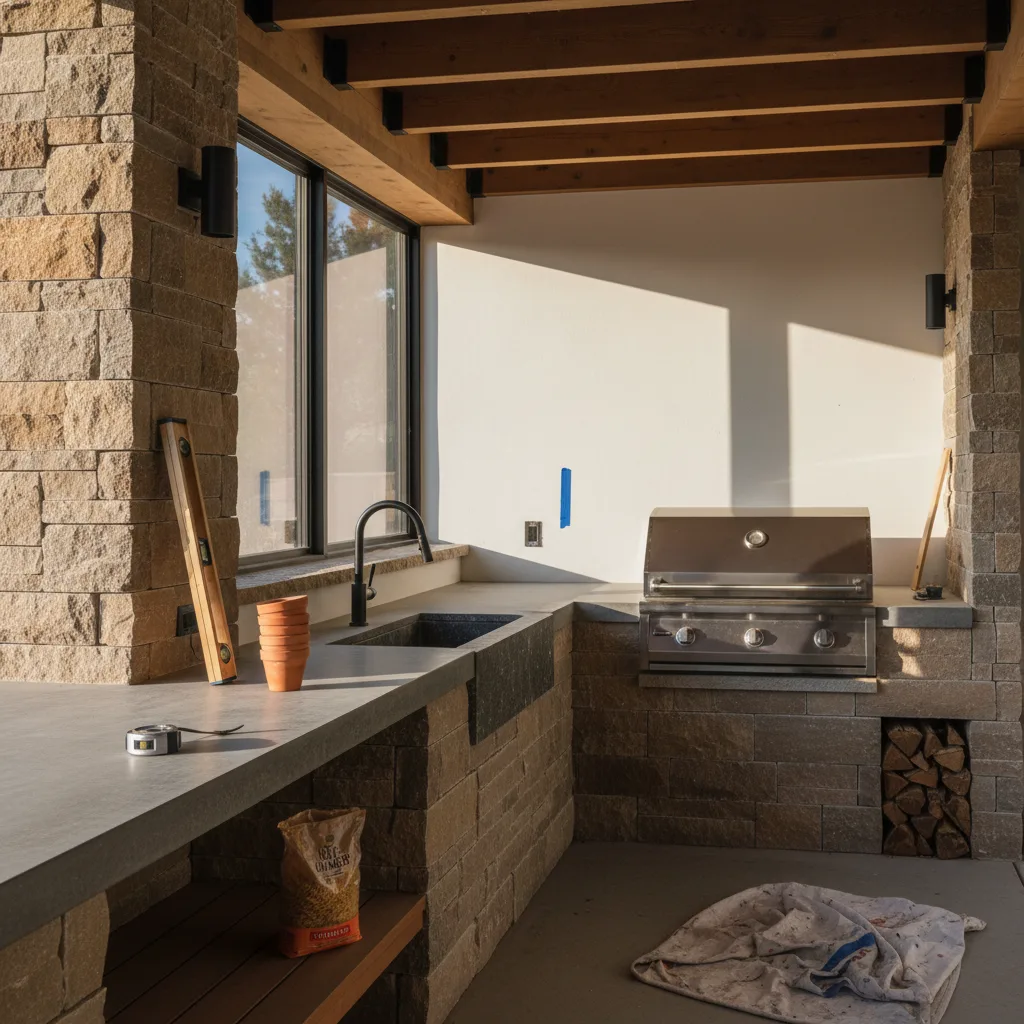
A complete outdoor kitchen in Denver costs between $35,000 and $75,000 for a mid-range project in 2026, with premium installations exceeding $150,000. The median project cost for a functional, well-equipped space sits in the $48,000 to $55,000 range. While a basic prefabricated island with a drop-in grill can start lower, around $18,000, this figure does not represent a typical custom build involving utility lines, masonry, and permanent structures. These figures reflect the specific material and labor costs unique to the Front Range.
In a Nutshell
- Total Cost Range: $18,000 to $150,000+
- Typical Mid-Range Cost: $45,000, $65,000
- Project Timeline: Eight to sixteen weeks from design finalization to completion.
- Biggest Surprise Cost: Utility trenching and connection fees for gas, water, and electrical, which can add $6,000 to $12,000 alone.
What does an outdoor kitchen actually cost in Denver?
The cost of Denver outdoor kitchens is best understood across three tiers. The scope of appliances, materials, and site complexity determines the final price. A mid-range project, the most common type for a single-family home, allocates the majority of its budget to appliances and the foundational structure.
| Tier | Cost Range (2026) | Scope |
|---|---|---|
| Basic | $18,000, $35,000 | Prefabricated island, drop-in gas grill, minimal counter space, existing patio base, simple electrical outlet. |
| Mid-Range | $35,000, $75,000 | Custom masonry or steel frame structure, built-in grill, outdoor refrigerator, sink with plumbing, granite or concrete countertops, dedicated gas and electrical lines, paver or concrete patio extension. |
| Premium | $75,000, $150,000+ | High-end appliances (smoker, pizza oven, power burner), extensive stone or Dekton countertops, bar seating, dishwasher, pergola or roof structure, integrated lighting and audio, radiant heating. |
Mid-Range Project Cost Breakdown (Median: $52,000)
- Appliances & Components: 35%
- Structure & Masonry: 25%
- Labor & Installation: 20%
- Countertops: 10%
- Utilities (Plumbing, Gas, Electric): 10%
The bottom of the cost range, below $20,000, typically applies to projects that use an existing patio and require no new utility lines, often involving a pre-built modular unit rather than custom construction.
Why is it more expensive in Denver than surrounding regions?
Building an outdoor kitchen in the Denver metro area involves costs that are higher than in smaller Colorado towns or other states for three primary reasons.
First, labor rates are significantly higher. According to the Colorado Department of Labor and Employment's data for the Denver-Aurora-Lakewood MSA, skilled tradespeople such as masons, licensed plumbers, and electricians command hourly wages 15 to 25 percent higher than the state average. A master plumber or electrician can bill at $120 to $180 per hour, directly impacting the cost of running utility lines, which is a non-negotiable part of any functional outdoor kitchen.
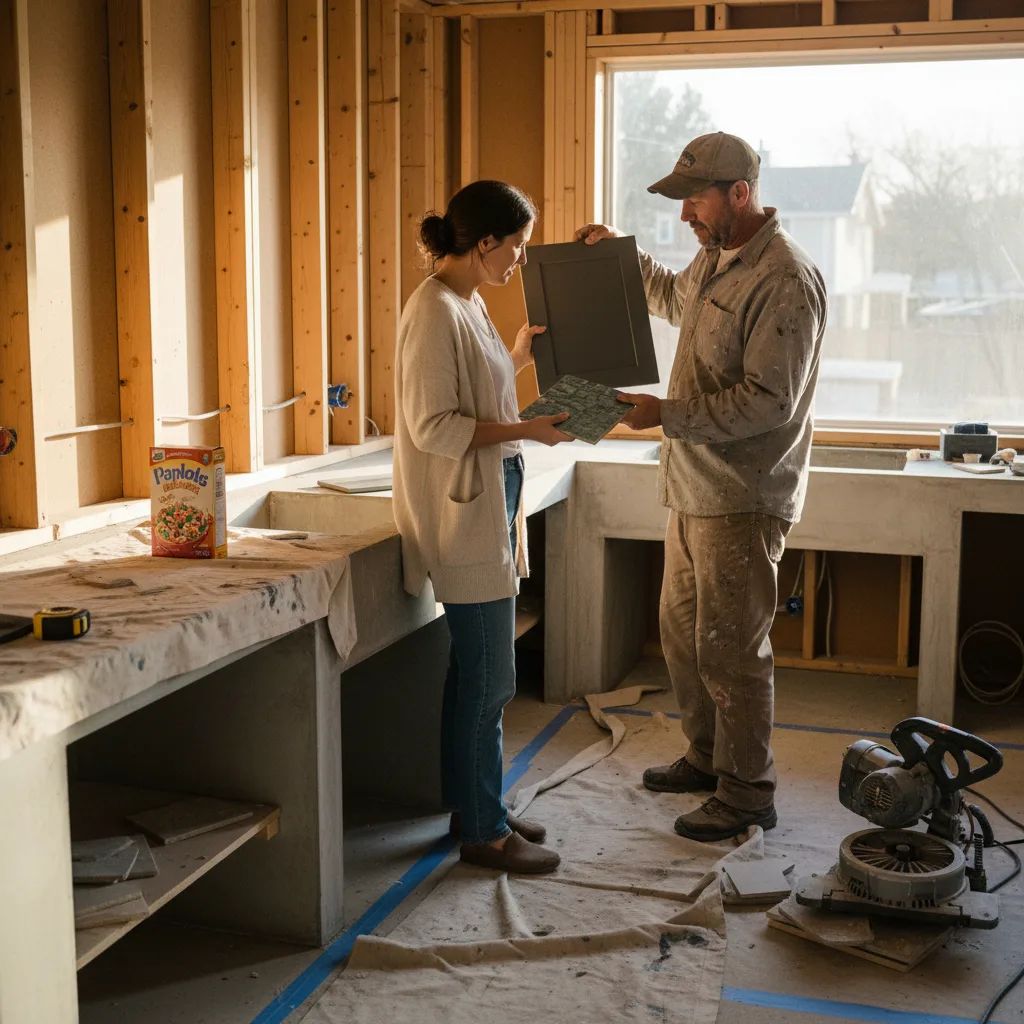
Second, material selection and structural requirements are driven by the region's climate. Denver's freeze-thaw cycles necessitate deeper concrete footings (below the 36-inch frost line) and the use of durable, weather-resistant materials like stainless steel, stone, and specially treated wood. These materials carry a premium. Sourcing and transporting heavy items like stone slabs and large appliances to a high-altitude city also adds to the final cost.
Third, property values and demand in desirable neighborhoods drive up contractor pricing. General contractors working in areas like Cherry Creek, Washington Park, and the Highlands often have higher overhead and carry more extensive insurance, costs which are passed on to the client. Site access can also be more challenging in these dense neighborhoods, increasing labor hours for material handling.
What do real Denver homeowners spend in 2026?
Three modeled project scenarios for 2026, built from the Renology Cost Index and typical local scopes. These are illustrative estimates, not completed client projects:
- Project 1: Stapleton Paver Patio Kitchen ($41,500): This project involved extending an existing paver patio by 200 square feet. The homeowner selected a mid-range 36-inch built-in gas grill, an outdoor refrigerator, and a small sink. The structure was a steel frame with a stone veneer finish and granite countertops. The primary cost driver was the 40-foot trench needed to run new gas and water lines from the house.
- Project 2: Washington Park Custom Masonry ($68,000): This build featured a large L-shaped island constructed from cinder blocks with a full brick veneer to match the historic home. It included a high-quality grill, a power burner for a wok, and extensive limestone countertops with bar seating for six. The project also required a new electrical subpanel and extensive low-voltage landscape lighting.
- Project 3: Highlands Rooftop Deck Kitchen ($92,000): Built on a third-story rooftop deck, this project faced significant logistical challenges. All materials had to be craned to the roof. The kitchen itself was a modular stainless steel system to minimize weight. It included a premium grill, an ice maker, and a refrigerator. A significant portion of the budget was allocated to engineering reviews and structural reinforcement of the deck below.
Where does the money actually go?
3 Denver outdoor kitchen builders, editor-screened. 4 questions.
See my 3 matchesA contractor's initial quote often focuses on the main components: the grill, the structure, and the countertops. Homeowners are frequently surprised by the number of other necessary line items that appear later. Here are the costs contractors often leave out of a preliminary estimate:
- Permit Fees: $750, $2,500. A simple permit for a gas line is different from a full structural and utility permit package.
- Utility Trenching: $100, $200 per linear foot. A 50-foot run for gas, water, and electrical conduit can cost $5,000 to $10,000.
- Site Grading and Drainage: $1,500, $4,000. Improper drainage around the new patio can lead to water issues at the home's foundation.
- Waste Removal: $600, $1,200. This includes dumpster rental and disposal of excavated soil and construction debris.
- Low-Voltage Lighting: $2,000, $5,000. Task lighting over the grill, under-cap lighting on seating walls, and pathway lights are critical for evening use.
- Gas Meter Upgrade: $1,500, $3,500. If your existing gas meter cannot handle the new load from a powerful grill and a fire pit, Xcel Energy may require an upgrade.
- Final Landscaping and Irrigation Repair: $1,000, $3,000. The area around the new kitchen will be disturbed. This covers new sod, plants, and repairing sprinkler lines damaged during construction.
What stops a Denver outdoor kitchen from running over budget?
Budget overruns on outdoor construction projects typically stem from three main sources. First is unforeseen site conditions. Hitting unexpected rock during excavation for footings or utility lines can add days of labor and require specialized equipment. Second, late-stage changes to the design or materials are a primary cause. Deciding to switch from concrete to bluestone countertops after the materials have been ordered can add thousands to the cost and delay the project for weeks. Third, underestimating the complexity of utility connections is common. The distance to existing lines and the capacity of your home's electrical panel can create expensive complications.
To prepare for these possibilities, it's critical to build a financial cushion into your budget. The National Association of Home Builders recommends a ten to fifteen percent contingency on renovations in homes over thirty years old. For a complex outdoor project, this is a wise guideline for any home.
What about permits?
Nearly every outdoor kitchen in Denver requires permits. Any project that includes new gas lines, plumbing, or significant electrical work must be permitted and inspected by the Denver Community Planning and Development department. Failing to secure the right permits can result in fines and problems during a future home sale. For a complete overview of the process, see our guide: Denver Outdoor Kitchens Permit Playbook 2026.
What should your Denver contractor include in the quote?
A detailed quote is the best tool for preventing misunderstandings and controlling costs. Your outdoor kitchen contractor in Denver should provide a scope of work document that itemizes the following:
- Detailed site plan and design renderings.
- All demolition, excavation, and site preparation work.
- Cost and installation of footings and foundation.
- Framing and structure materials (e.g., steel studs, concrete block).
- Veneer materials (e.g., stone, brick, stucco) and installation costs.
- Countertop material, fabrication, and installation.
- Make, model, and cost for all appliances (grill, refrigerator, side burners).
- Plumbing scope, including trenching, pipe material, and connection to existing systems.
- Electrical scope, including trenching, conduit, wiring, outlets, and subpanel work if needed.
- Gas line scope, including trenching, pipe material, and pressure testing.
- Lighting fixtures and low-voltage transformer costs.
- Patio or base construction materials and labor.
- Permit application and all associated city fees.
- Cleanup, debris removal, and final site restoration.
Sources & Methodology
See the Renology Methodology for how sources are reviewed, ranges are normalized, and planning-data limits are handled.
Cost ranges in this guide draw on the following named industry sources, public agency datasets, and Renology editorial research.
- Colorado Department of Labor and Employment, Denver-Aurora-Lakewood MSA Occupational Employment and Wage Statistics (2025)
- Remodeling Magazine, 2025 Cost vs. Value Report (Mountain Region) (2025)
- National Association of Home Builders (NAHB) Home Building Geography Index (Q4 2025)
- Denver Community Planning and Development, Permit Fee Schedule (2026)
- National Kitchen & Bath Association (NKBA) Outdoor Kitchen Design Guidelines (2025)
- Front Range Construction Cost Survey (2025)
- Renology Project of the Day (POTD) Network, Denver Metro Data (2023-2026)
Renology Take
The most common mistake Denver homeowners make is viewing an outdoor kitchen as a landscape project instead of a small construction project. It is, functionally, a small, weather-exposed kitchen. This shift in perspective is critical. It involves the same trades as an indoor kitchen remodel: masons, framers, plumbers, electricians, and countertop fabricators. The costs are comparable, but with the added complexities of weatherproofing, durable materials, and extensive site work. Budgeting for an outdoor kitchen as if it were a simple patio upgrade is the primary reason for the sticker shock many experience. A successful project begins with acknowledging the true scope and complexity from day one, which means allocating a budget that reflects a proper construction project, including a ten to fifteen percent contingency fund.
Frequently Asked Questions
Do I need a permit for an outdoor kitchen in Denver?
What materials work best for an outdoor kitchen in Denver's climate?
How long does it take to build an outdoor kitchen in Denver?
How much value does an outdoor kitchen add to a Denver home?
Can I save money by using a prefabricated outdoor kitchen kit?
Denver · pre-screened
Get 3 Denver outdoor kitchen bids in 48 hours.
Our editors already vetted Denver outdoor kitchen builders. Answer 4 questions and we send 3 written bids inside 48 hours, with the real price for your scope, not their inflated first-call number.
- Free, no commission
- Pre-screened locally
- Bids inside 48 hours
Takes about 60 seconds. We'll text you when bids arrive.
Sources
- Colorado Department of Labor and Employment, Denver-Aurora-Lakewood MSA Occupational Employment and Wage Statistics
- Remodeling Magazine, 2025 Cost vs. Value Report (Mountain Region)
- National Association of Home Builders (NAHB) Home Building Geography Index
- Denver Community Planning and Development, Permit Fee Schedule
- National Kitchen & Bath Association (NKBA) Outdoor Kitchen Design Guidelines
- Front Range Construction Cost Survey
- Renology Project of the Day (POTD) Network, Denver Metro Data