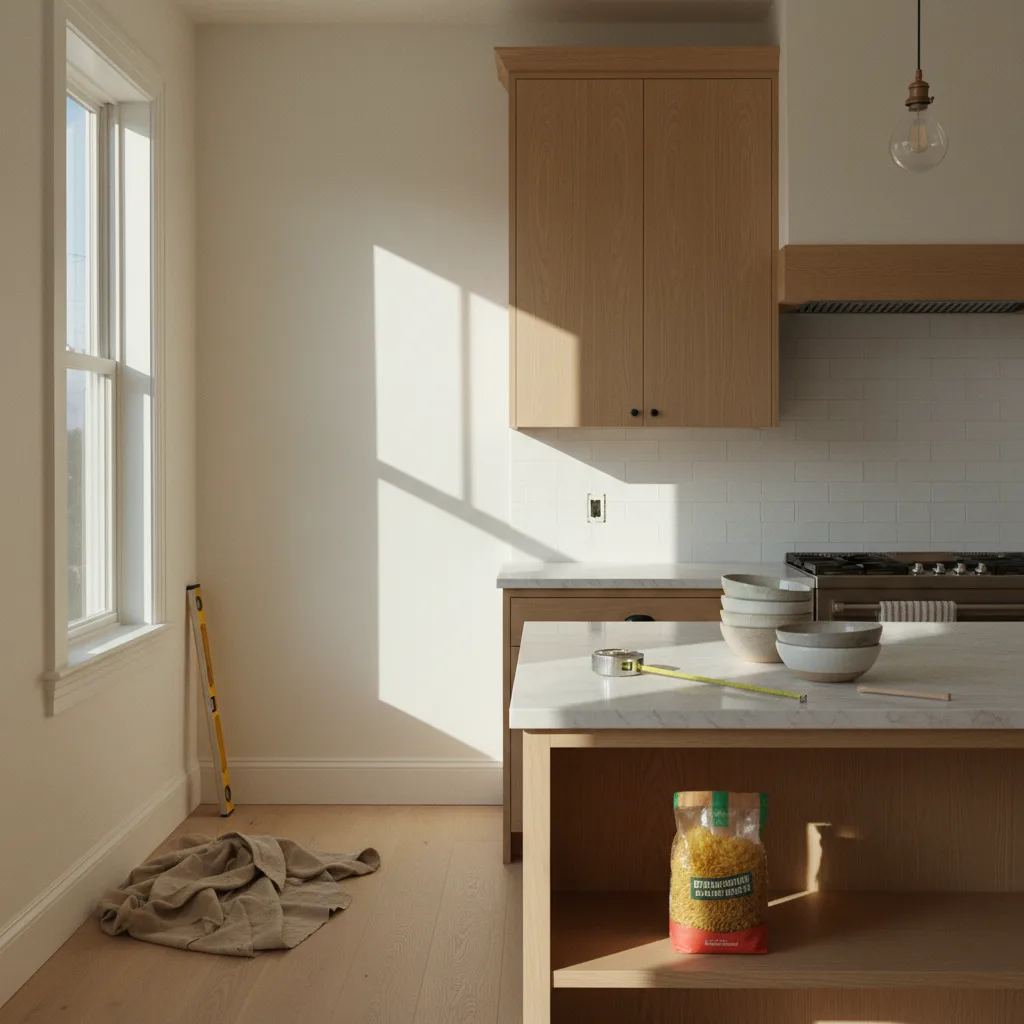
A full kitchen remodel in San Francisco costs between $72,000 and $115,000 in 2026 for a typical mid-range renovation. Premium projects involving structural work regularly run past $250,000. According to data from Remodeling Magazine's Cost vs. Value report, this is one of the highest cost metros in the nation. The total kitchen cost in San Francisco can start lower, in the $45,000 to $65,000 range, but this typically applies only to cosmetic refreshes or small-footprint condominium kitchens that do not involve moving walls, plumbing, or electrical lines.
In a Nutshell
- Total Cost Range: $45,000 (cosmetic refresh) to $300,000+ (premium, structural renovation).
- Typical Mid-Range Project: $72,000, $115,000 for a complete gut renovation with semi-custom cabinets and quartz countertops.
- Project Timeline: Four to eight months from initial design to final inspection, including a one to two month permitting phase with the city.
- Biggest Surprise Line Item: Mandatory seismic upgrades or structural work discovered after demolition, which can add $8,000, $25,000 to a project.
What does a kitchen remodel actually cost in San Francisco?
The cost of San Francisco kitchens is best understood across three tiers of quality and scope. The figures below represent the full project cost, including materials, labor, and permits, for a roughly 200-square-foot kitchen.
| Tier | Cost Range (2026) | Scope & Materials |
|---|---|---|
| Basic | $65,000, $95,000 | Stock cabinetry, laminate or entry-level quartz countertops, basic appliance package, vinyl or LVT flooring, ceramic tile backsplash. Layout remains the same. |
| Mid-Range | $72,000, $115,000 | Semi-custom cabinets, mid-grade quartz or granite countertops, upgraded appliance package, hardwood or engineered wood flooring, new island, minor layout changes. |
| Premium | $180,000, $300,000+ | Fully custom cabinetry, natural stone countertops (marble, quartzite), high-end integrated appliances, structural changes (moving walls), premium fixtures, extensive lighting. |
A typical mid-range kitchen project in San Francisco budget breaks down as follows, based on data from the National Kitchen & Bath Association (NKBA) adjusted for the local market:
- Cabinetry & Hardware: 35%
- Labor & Installation: 25%
- Appliances: 15%
- Countertops: 10%
- Plumbing & Electrical: 10%
- Finishes (flooring, tile, paint): 5%
The bottom of the cost range, below $65,000, is generally reserved for projects in newer condominium buildings where plumbing and electrical systems are already up to code, or for cosmetic updates that involve painting existing cabinets and replacing countertops and appliances in the same location.
Why is a kitchen remodel more expensive in San Francisco?
San Francisco consistently ranks as one of the most expensive construction markets in the world. Three primary factors drive the high kitchen cost in San Francisco compared to surrounding regions.
First, labor rates are exceptionally high. A qualified kitchen contractor in San Francisco must pay skilled tradespeople wages that reflect the region's cost of living. According to the California Department of Industrial Relations prevailing wage data for San Francisco County, journeyman electricians and plumbers command rates that contribute significantly to the overall project budget. These labor costs are embedded in every line item, from demolition to final paint.

Second, logistics are complex and costly. The city's density, limited parking, and challenging street access add hours of labor for material delivery and debris removal. Contractors must factor in costs for parking permits, traffic management, and simply moving materials from the street into a multi-story building or a home with no driveway. These logistical hurdles translate directly to higher project management fees and labor hours.
Third, the age and condition of the housing stock introduce significant risks and requirements. A large portion of San Francisco's homes were built before 1950, meaning kitchens often hide outdated knob-and-tube wiring, galvanized steel plumbing, and potential hazardous materials like lead paint or asbestos., city building codes often trigger requirements for seismic retrofitting during major renovations. Working in premium neighborhoods like Pacific Heights and Noe Valley can also carry a premium due to historical preservation rules and discerning client expectations.
What do real San Francisco homeowners spend in 2026?
Three modeled project scenarios for 2026, built from the Renology Cost Index and typical local scopes. These are illustrative estimates, not completed client projects:
- Noe Valley Victorian Single-Family Home: $148,000. This project involved a full gut remodel of a 220-square-foot kitchen. The homeowners chose semi-custom cabinetry, quartz countertops, and a professional-grade appliance package. The budget increased by $18,000 mid-project to replace a load-bearing wall with a concealed steel beam to create an open-concept space, requiring an engineer's sign-off and a revision to the permit.
- Marina District Condominium: $96,000. For this smaller 150-square-foot kitchen, the layout was kept intact to control costs. The focus was on high-end finishes, including custom flat-panel cabinets, integrated European appliances, and a marble slab backsplash. The condo board's strict rules on working hours and elevator usage added approximately 15% to the labor cost compared to a single-family home project.
- Sunset District Mid-Century Home: $125,000. This remodel focused on improving a dysfunctional layout in a 1950s home. The project included moving the sink and dishwasher to a new island, which required trenching the concrete slab foundation for new plumbing lines. Costs were managed by selecting mid-grade appliances and durable engineered hardwood floors. The discovery of old, ungrounded electrical wiring required a full rewire of the kitchen circuits, adding $9,000 to the budget.
Where does the money actually go?
3 San Francisco kitchen remodelers, editor-screened. 4 questions.
See my 3 matchesA kitchen contractor in San Francisco provides a quote that covers the visible components, but several necessary costs are often itemized separately or emerge during the project. Homeowners should budget for these items from the start.
- Architectural & Engineering Fees: $5,000, $12,000 if you are moving walls or changing window placements.
- Permit & Expediting Fees: $3,500, $7,000. This includes plan review fees paid to the San Francisco Department of Building Inspection (SFDBI) and sometimes a fee for a third-party expeditor to manage the submission process.
- Seismic Upgrades: $8,000, $25,000. Often a non-negotiable requirement triggered by the renovation's scope, involving foundation bolting or shear wall installation.
- Hazardous Material Abatement: $2,500, $6,000 for professional removal of lead paint or asbestos found in flooring, insulation, or drywall textures.
- Electrical System Upgrades: $7,000, $18,000. This can range from adding a new subpanel to a full rewire to replace outdated systems and meet modern load requirements.
- Plumbing System Upgrades: $6,000, $15,000 to replace old galvanized pipes with copper and bring venting up to current code.
- Debris Haul-Away & Site Protection: $2,000, $4,500. This covers dumpsters, floor protection, and dust barriers, which are more costly in a dense urban environment.
What stops a San Francisco kitchen from running over budget?
Cost overruns on major renovations are common, but three primary causes stand out in the San Francisco market.
First is the discovery of unforeseen conditions. Given the city's old housing stock, it is almost certain that demolition will reveal issues like wood rot, pest damage, or code violations from previous work. The National Association of Home Builders recommends a ten to fifteen percent contingency on renovations in homes over thirty years old. In San Francisco, a 20% contingency is more prudent.
Second is scope creep. This happens when homeowners decide to add work mid-project. A common example is deciding to refinish all the hardwood floors on the main level to match the new kitchen flooring. Each change order adds material costs, labor hours, and can delay the project timeline.
Third are material selections and delays. Choosing custom-ordered tile or an imported appliance package can introduce supply chain vulnerabilities. If a key item is delayed, it can halt progress and lead to costly rescheduling fees with subcontractors. Confirming lead times for all materials before demolition is a critical step.
Navigating City Permits
Nearly every kitchen remodel in San Francisco that alters plumbing, electrical, or structural elements requires a permit from the SFDBI. Failing to secure a permit can result in fines, forced removal of completed work, and significant problems during a future home sale. Understanding the local requirements is critical. You can find a detailed timeline and checklist in our San Francisco kitchens permit playbook for 2026.
What should your San Francisco contractor include in the quote?
A detailed scope of work is the best defense against unexpected costs. A quote from a reputable kitchen contractor San Francisco should be a multi-page document that clearly itemizes the following:
- Detailed scope of demolition and debris removal.
- All framing and structural modifications, with engineering plans referenced.
- Electrical work, including number of outlets, switches, and lighting fixtures.
- Plumbing work, specifying fixture connections and any pipe relocation.
- HVAC modifications for range hood venting.
- Drywall installation, taping, and finishing level.
- Cabinetry brand, style, and a full set of drawings.
- Countertop material, thickness, and edge detail.
- Specific make and model numbers for all appliances to be installed.
- Flooring material and installation method.
- Backsplash tile material, layout, and grout specifications.
- Painting scope, including number of coats and paint brand/finish.
- A specific allowance amount for items not yet selected (e.g., tile, light fixtures).
- A clear statement on project management, cleanup, and final inspection responsibilities.
Sources & Methodology
See the Renology Methodology for how sources are reviewed, ranges are normalized, and planning-data limits are handled.
Cost ranges in this guide draw on the following named industry sources, public agency datasets, and Renology editorial research.
- Remodeling Magazine, 2025 Cost vs. Value Report (2025)
- National Kitchen & Bath Association (NKBA) 2026 Market Outlook (2026)
- California Department of Industrial Relations, San Francisco County Prevailing Wage Data (2026)
- San Francisco Department of Building Inspection (SFDBI) Permit Fee Schedule (2026)
- National Association of Home Builders (NAHB) Remodeling Market Index (Q4 2025)
- Bay Area Construction Cost Survey, Saylor Consulting Group (2025)
- Renology Project of the Day (POTD) Network Data (2025-2026)
Renology Take
The primary reason a kitchen remodel in San Francisco exceeds its budget is the failure to account for the “Old House Premium.” Homeowners understandably focus their financial planning on tangible finishes like cabinets, countertops, and appliances. However, the true budget risk in this market lies unseen within the walls and beneath the floors. The meta-pattern is an underestimation of the cost to bring a structure from 1925 up to the stringent building and safety codes of 2026. The most significant expenses are not the luxury faucet but the new subpanel, the seismic anchors, and the copper pipes required by the San Francisco Department of Building Inspection. A successful project budget is one that allocates as much for the home’s structural and systemic health as it does for its aesthetic appearance.
Frequently Asked Questions
How much value does a kitchen remodel add in San Francisco?
How long does a kitchen remodel take in San Francisco?
Do I need a permit for a kitchen remodel in San Francisco?
What is the biggest mistake homeowners make when remodeling a San Francisco kitchen?
Can I save money by acting as my own general contractor?
Ready to find a pro?
Tell us about your project and location. A Renology advisor can help you explore contractor matching.
Free for homeowners. No obligation to hire.
Find a ProSources
- Remodeling Magazine, 2025 Cost vs. Value Report
- National Kitchen & Bath Association (NKBA) 2026 Market Outlook
- California Department of Industrial Relations, San Francisco County Prevailing Wage Data
- San Francisco Department of Building Inspection (SFDBI) Permit Fee Schedule
- National Association of Home Builders (NAHB) Remodeling Market Index
- Bay Area Construction Cost Survey, Saylor Consulting Group
- Renology Project of the Day (POTD) Network Data
Follow Renology on Google
Choose Renology as a preferred source and our guides show up more often in your Google results, including Top Stories and AI Overviews.