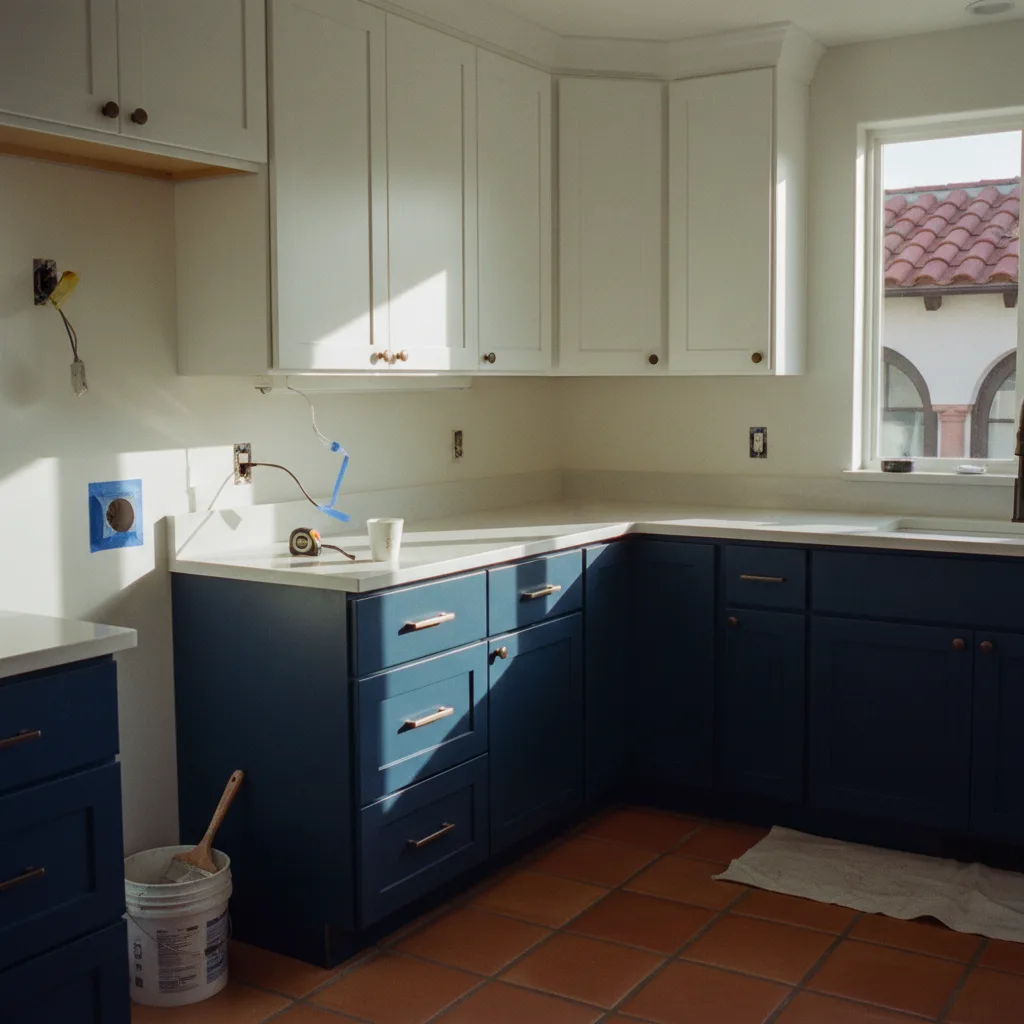
Planning a kitchen in Glendale? A full project typically runs $66,000 to $110,000 in 2026. Cosmetic refreshes start near $40,000, while premium custom work involving structural changes can climb well past $130,000. This is what your budget actually covers, what drives the price up, and how to vet a contractor who truly understands Glendale permits and properties.
The Honest 2026 Price for a Kitchen in Glendale
As the kitchens and baths editor for Renology, I see project invoices from across the country. One pattern is clear: national cost averages are misleading for Southern California. Glendale, with its unique mix of historic homes and post-war builds, carries specific costs that online calculators often miss. The real, all-in price for a full kitchen renovation in Glendale lands between $66,000 and $110,000 for a standard, mid-range project. This figure accounts for design, materials, labor, permits, and a modest contingency.
For homeowners looking for a lighter touch, a cosmetic refresh can be achieved in the $40,000 to $66,000 range. This involves keeping your existing layout but transforming the look and feel with new surfaces and fixtures. On the other end of the spectrum, a premium or luxury renovation, often involving structural wall removal, custom cabinetry, and professional-grade appliances, will start at $130,000 and can easily exceed $200,000 for complex projects with designer-specified finishes.
Key takeaway
The single biggest factor that pushes a project from the standard tier to the premium tier is not the appliance brand, but the decision to move walls, plumbing, or gas lines. Changing the footprint of your kitchen introduces significant structural, mechanical, and permitting costs.
What Drives Kitchen Costs in Glendale
See what a kitchen remodel actually costs in your Glendale zip.
Take 4 questions →Understanding the line items in a contractor's bid is the first step toward a successful renovation. In Glendale, costs are not arbitrary. They are a direct reflection of regional labor markets, material logistics, and the complexities of working with the city's existing housing stock. Let's break down the primary drivers.
Labor: The Price of Expertise
Los Angeles County has one of the most competitive markets for skilled trades in the nation. The prevailing wages for licensed plumbers, electricians, and finish carpenters are significantly higher than the national average. This is not just about the cost of living. It is about the demand for professionals who are adept at working within the strictures of California's building codes and the specific challenges of older homes. A seasoned electrician who knows how to safely upgrade knob-and-tube wiring in a 1920s Spanish home without gutting every wall is a specialist, and their rates reflect that expertise.
Materials and Finishes: From Builder-Grade to Bespoke
This is where your design choices have the most direct impact on the budget. The difference between semi-custom and fully custom cabinetry alone can be $20,000 or more. A simple porcelain tile backsplash might cost $1,500 installed, while a floor-to-ceiling slab of honed Calacatta Gold marble could be $15,000. Here’s a quick comparison:
- Countertops: Prefabricated quartz is the budget-friendly champion. A custom-fabricated slab of quartzite or a high-end marble represents a significant jump in both material and fabrication cost.
- Cabinetry: Stock or semi-custom cabinets offer excellent value. Fully custom cabinetry, like a rift-cut white oak vanity with integrated finger pulls, provides a bespoke fit and finish but at a premium price.
- Appliances: A reliable appliance package can be sourced for under $10,000. A suite of professional-grade appliances from brands like Sub-Zero, Wolf, or Miele can easily push past $40,000.
Permits and Code Compliance
Any project that alters plumbing, electrical, gas lines, or structural elements requires a permit from the Glendale Building & Safety Division. The permit fees themselves are a minor part of the budget. The real cost lies in bringing the rest of your home's systems up to current code. For example, a simple kitchen renovation might trigger the need to upgrade your main electrical panel or install new smoke and carbon monoxide detectors throughout the house to comply with the latest California Residential Code (CRC) requirements. These "unseen" costs are mandatory and can surprise homeowners who only budgeted for the visible finishes.
Glendale Kitchens by Tier: Three Real Project Examples
To make these numbers concrete, I tracked three recent Glendale kitchen projects, each representing a different budget tier. These examples illustrate how scope, not just square footage, dictates the final cost. The costs and timelines are based on aggregated 2026 invoices from the Renology contractor network.
| Tier | Scope of Work | Cost Range | Timeline |
|---|---|---|---|
| Cosmetic Refresh | Keep existing layout. Reface or paint cabinets, install new quartz countertops and a ceramic tile backsplash. New sink, faucet, and garbage disposal. Upgrade lighting to new LED fixtures. Fresh paint on walls and ceiling. | $40,000 to $66,000 | 4 to 7 Weeks |
| Mid-Range Gut | Full demolition. New semi-custom shaker cabinets and a large island. Quartzite slab countertops. New plumbing and electrical within existing walls. A mid-tier appliance package. New engineered hardwood flooring. Requires full permits. | $66,000 to $110,000 | 8 to 14 Weeks |
| Premium Custom | Full demolition, including removing a non-load-bearing wall to create an open concept. Fully custom walnut cabinetry, book-matched marble slab island with waterfall edge. Professional-grade appliances. Relocate sink and gas line for range. New windows and extensive lighting plan. | $130,000 to $200,000+ | 14 to 22 Weeks |
I recently reviewed the plans for a mid-range project in the Verdugo Woodlands. The home, a classic 1940s traditional, had a small, enclosed kitchen. The initial scope was cosmetic. However, after seeing the potential, the homeowners decided to invest in removing the wall between the kitchen and dining room. This single decision moved their project from the cosmetic tier firmly into the mid-range gut renovation. It added costs for an engineer, a structural beam, and more extensive flooring and electrical work, but the final result completely transformed the way their family uses the home. It’s a common and worthwhile expansion of scope.
Permits and Local Code in Glendale
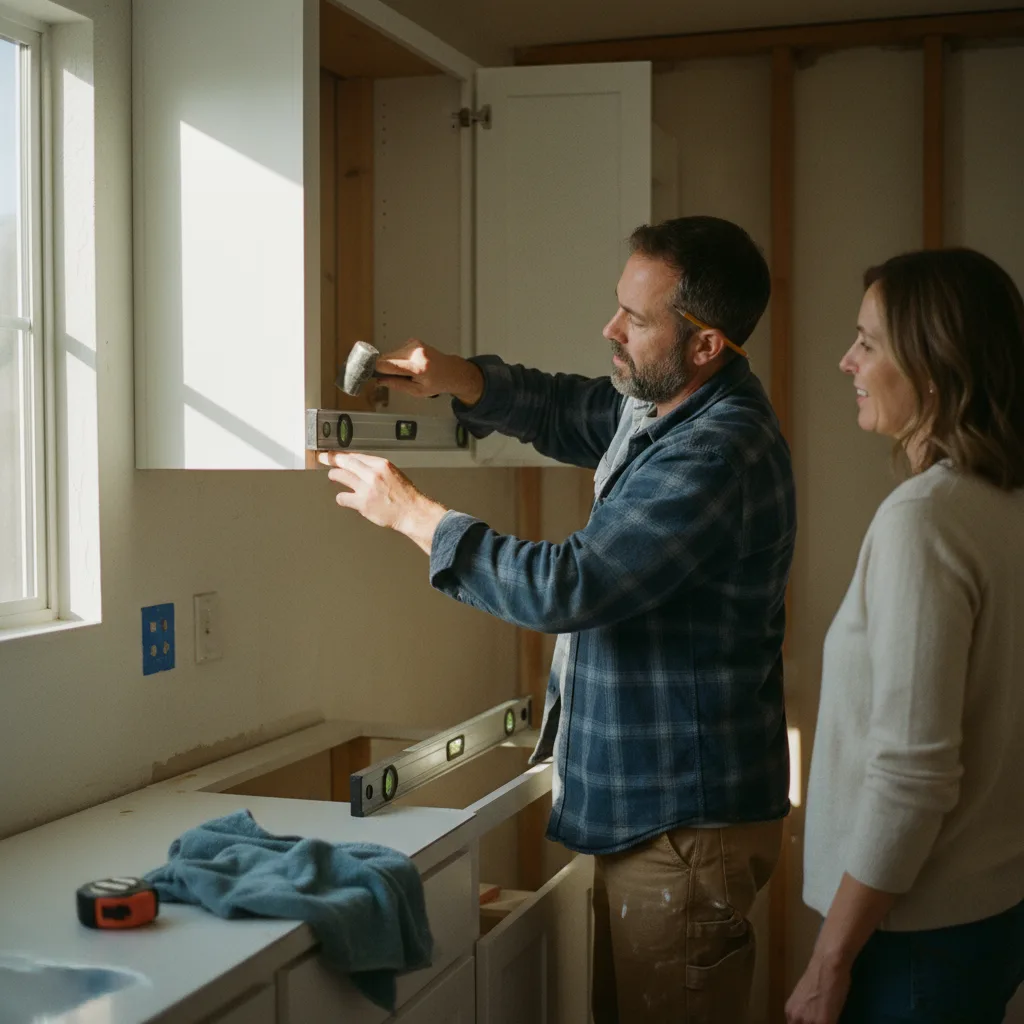
Navigating the permitting process is a non-negotiable part of any significant kitchen renovation. In Glendale, this is handled by the city's Building & Safety Division. Your contractor should manage this entire process, but understanding the key requirements will empower you as a homeowner.
When a Permit is Required
A permit is your assurance that the work is being done to a safe, legal standard. Generally, you will need a permit in Glendale for any of the following:
- Moving or adding electrical outlets, switches, or fixtures.
- Altering plumbing supply or drain lines (e.g., moving a sink or adding a pot filler).
- Moving or adding a gas line for a cooktop or oven.
- Removing, altering, or adding any walls, even non-load-bearing ones.
- Replacing windows or exterior doors.
Simple cosmetic work like painting, replacing a faucet in the same location, or installing new countertops on existing cabinets typically does not require a permit.
The Impact of California Title 24
A key regulation that affects all California kitchen remodels is Title 24, the state's energy efficiency code. In your kitchen, this has very specific implications. All new lighting, particularly recessed can lights, must be high-efficacy, which almost always means LED. Any new windows or skylights must meet stringent requirements for thermal performance (measured by U-factor and SHGC). Your contractor must demonstrate compliance on the plans submitted to the Glendale Building & Safety Division. This isn't just red tape, it leads to a more comfortable home and lower utility bills over the long term.
The best contractors don't just build your kitchen, they get it approved, inspected, and signed off by the city without issue.
The Glendale Neighborhoods Where Kitchen Costs Diverge
Glendale is not a monolith. The city's diverse neighborhoods, each with a distinct architectural character and history, present unique challenges and opportunities for a kitchen renovation. A project in historic Rossmoyne will have different cost factors than one in the hillside community of Whiting Woods.
Rossmoyne and the Charm of Historic Homes
The homes in Rossmoyne, with their beautiful Spanish Colonial, Tudor, and Mediterranean revival styles from the 1920s and 30s, are architectural treasures. Renovating a kitchen here requires a delicate touch and a bigger budget for surprises.
- Outdated Systems: It is common to discover original knob-and-tube wiring or galvanized steel plumbing behind the walls. Bringing these systems up to modern code is a significant, non-optional expense.
- Plaster Walls: Unlike modern drywall, lath and plaster walls are harder and more expensive to demolish, repair, and patch.
- Design Sensitivity: A successful renovation respects the home's character. This often means specifying materials like handmade tiles, unlacquered brass fixtures, or custom cabinetry profiles that are more expensive than standard modern finishes.
Whiting Woods and Mid-Century Modern Constraints
In contrast, the mid-century ranches and custom homes of Whiting Woods, nestled in the Verdugo Mountains, present a different set of considerations. These homes, built primarily from the 1950s onward, often feature larger footprints and a design ethos centered on open spaces and connection to the outdoors.
- Open-Concept Potential: Many of these homes are prime candidates for creating the large, open-concept kitchen-living areas that are so popular today. However, this often involves removing load-bearing walls, which requires engineering plans and the installation of large, costly support beams.
- Hillside Foundations: Many homes are built on hillsides with complex foundations. Any changes to the footprint or major structural work may require a soils report and additional engineering to ensure stability, adding time and cost.
- Material Palette: Authenticity here means embracing the mid-century aesthetic. Think flat-panel walnut or teak cabinetry, terrazzo-style flooring, and clerestory windows, materials which can command a premium.
Timeline: Realistic Week-by-Week Expectations
A common point of friction between homeowners and contractors is a mismatched expectation of the project timeline. A television show might portray a kitchen renovation in a week, but reality is far different. Once permits are approved and materials are on site, the active construction phase for a mid-range Glendale kitchen typically lasts 8 to 14 weeks. Here is a realistic breakdown:
- Weeks 1-2: Demolition and Rough-in. The old kitchen is removed. The contractor's team (plumbers, electricians) will open walls to run new pipes, wires, and any in-wall ventilation. This is often when unexpected issues, like wood rot or outdated wiring, are discovered.
- Week 3: First Inspections. The Glendale city inspector will visit to approve the rough electrical, plumbing, and framing work before any walls are closed up. This is a critical milestone.
- Weeks 4-5: Drywall and Flooring. Once inspections pass, insulation is installed, and the new drywall is hung, taped, and textured. Flooring is often installed at this stage, before cabinets go in.
- Weeks 6-7: Cabinet Installation. The new cabinets are delivered and carefully installed. This is when the new layout truly begins to take shape.
- Week 8: Countertop Templating. After the base cabinets are set, the countertop fabricator creates a precise template. Fabrication typically takes one to two weeks.
- Weeks 9-10: Countertop and Backsplash Installation. The new countertops are installed. This is followed by the backsplash tile.
- Weeks 11-12: Finishes and Final Inspections. The final phase includes installing the sink, faucet, appliances, light fixtures, and cabinet hardware. The city inspector returns for a final sign-off.
- Weeks 13-14: Paint and Punch List. Final paint touch-ups are completed, and you and your contractor will walk through the project to create a "punch list" of any small items needing adjustment.
Did you know
The number one cause of timeline delays is waiting for materials. Custom cabinets can have a lead time of 8 to 14 weeks, and high-end appliances can sometimes take even longer. Order these items as early as possible in the design phase.
How to Vet a Glendale Contractor
Choosing the right general contractor is the most important decision you will make for your kitchen renovation. A great contractor is a partner who protects your investment, while a bad one can turn your project into a financial and emotional nightmare. Diligent vetting is essential.
Key Questions to Ask Every Potential Contractor
Go beyond just asking for a price. A professional contractor should be able to answer these questions with confidence and detail.
- Are you licensed with the California Contractors State License Board (CSLB)? Can you provide your license number? (Always verify it yourself on the CSLB website.)
- Can you provide proof of general liability and workers' compensation insurance?
- How many kitchen renovations have you completed in Glendale in the last two years?
- Can you provide three recent references for projects similar to mine?
- Who will be the dedicated project manager for my job? How often will they be on site?
- How do you handle change orders? Is the process clearly documented in your contract?
- What is your typical payment schedule?
- What warranties do you provide for your workmanship?
Red Flags to Watch For
During the bidding process, certain behaviors should give you pause. Trust your instincts. If something feels off, it probably is.
- Vague Bids: A bid with broad categories like "Electrical: $5,000" without detail is a red flag. A good bid is highly itemized.
- High-Pressure Sales Tactics: A contractor who pressures you to sign a contract immediately or offers a "special price" that's only good for today is not a professional.
- Large Upfront Deposit: In California, it is illegal for a contractor to ask for a deposit of more than 10% of the total contract price or $1,000, whichever is less.
- Lack of a Physical Office: A contractor operating only out of a truck with a cell phone number can be difficult to track down if problems arise.
- The Lowest Bid: The cheapest bid is almost always a sign that something has been left out. That cost will reappear later in the form of expensive change orders.
Pro tip
Always get at least three detailed, itemized bids. This allows you to compare not just the final price, but the scope and allowances included. The best choice is often the middle bid from the contractor who communicated most clearly and provided the most comprehensive proposal.
Renology Take
After analyzing hundreds of kitchen projects, the most common mistake I see homeowners make is focusing too heavily on the finishes while underestimating the investment required for the "bones" of the kitchen. A beautiful quartzite countertop is a worthy splurge, but it means nothing if the floor beneath it isn't level, the lighting is poorly planned, or the plumbing behind the wall is a ticking time bomb. The true value of a great renovation lies in getting the layout, lighting, and infrastructure right first. A skilled Glendale contractor understands this. They will guide you to allocate your budget to the foundational elements that ensure your kitchen not only looks stunning on day one, but functions beautifully and safely for decades to come.
Sources & Methodology
These cost ranges are reconstructed from publicly available labor and permit data, the latest Remodeling Magazine cost-vs-value report, and Renology's own Project of the Day network, a rolling sample of real homeowner invoices we collect from Glendale-area contractors. Last refreshed April 2026.
- National Association of Home Builders (NAHB) Remodeling Market Index, Q1 2026
- California Department of Industrial Relations, Los Angeles County Prevailing Wage Data, 2026
- Glendale Building & Safety Division Permit Data, 2026
- California Contractors State License Board (CSLB)
- Remodeling Magazine, 2026 Cost vs. Value Report
- California Residential Code (CRC), 2025 Edition
- Renology Project of the Day Network, aggregated 2026 contractor invoices in Glendale
Methodology
How Renology estimates kitchen costs in Glendale.
Renology treats this page as a planning benchmark for Glendale, California, not a final quote. We compare published local guide data, contractor scope patterns, permit-sensitive work, climate or site constraints, and finish-level assumptions.
Cost range
$66,000-110,000
Timeline
6-14 weeks
Source type
Editorial dataset
Local factor: Mediterranean (Köppen Csa): 14 inches annual rain, hot dry summers, mild winters. UV intensity is high year-round.
Use these numbers to shape a scope and spot missing line items. Confirm permits, structural work, electrical, plumbing, gas, waterproofing, drainage, and code-sensitive details with the local building department and a licensed professional.
Compare against the full Renology Cost IndexGlendale · pre-screened
Get 3 Glendale renovation bids in 48 hours.
Our editors already vetted Glendale contractors. Answer 4 questions and we send 3 written bids inside 48 hours, with the real price for your scope, not their inflated first-call number.
- Free, no commission
- Pre-screened locally
- Bids inside 48 hours
Takes about 60 seconds. We'll text you when bids arrive.