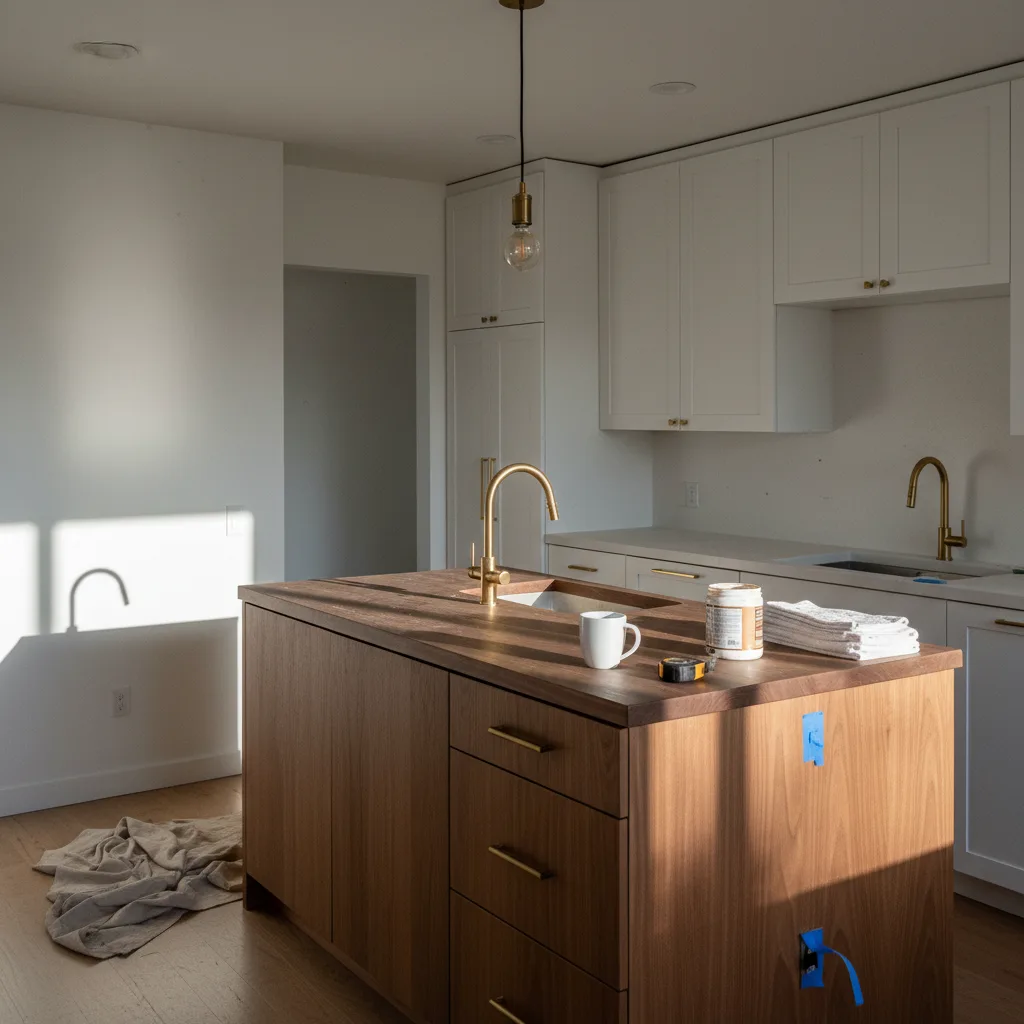
Planning a kitchen in Culver City? A full project typically runs $66,000 to $110,000 in 2026. Cosmetic refreshes start near $40,000, while premium custom work often climbs past $130,000. This is what your budget actually covers, what drives the price up, and how to vet a contractor who knows Culver City permits.
The Honest 2026 Price for a Kitchen in Culver City
As the kitchens and baths editor at Renology, I review hundreds of project invoices each year. The single biggest point of friction for homeowners is the gap between inspiration on social media and the actual, on-the-ground cost to execute that vision. In a competitive market like Culver City, this gap can feel especially wide. Forget the whirlwind television reveals; a thoughtful, well-built kitchen is an investment in both process and materials, and the budget reflects that reality.
For 2026, our data shows a mid-range, full-gut kitchen renovation in Culver City lands squarely between $66,000 and $110,000. This figure covers professional design, permits, labor, new systems, quality appliances, and semi-custom cabinetry. If you are keeping your layout and just swapping surfaces, a cosmetic refresh can be achieved for $40,000 to $66,000. At the other end of the spectrum, a premium, bespoke project involving structural changes, designer appliances, and fully custom millwork will start at $130,000 and can easily exceed $200,000 for larger spaces or more complex designs.
Understanding these tiers is the first step. The next is knowing precisely what factors push a project from one bracket to the next.
What Drives Kitchen Costs in Culver City
See what a kitchen remodel actually costs in your Culver City zip.
Take 4 questions →A kitchen budget is not a single number but a composite of three core components: skilled labor, materials, and the administrative layer of design and permitting. In Southern California, each of these carries a regional premium.
Labor: The Los Angeles Premium
Skilled labor is the most significant line item on any Culver City kitchen invoice, often accounting for 40 to 50 percent of the total budget. The demand for qualified, licensed, and insured tradespeople, from general contractors to electricians and plumbers, is exceptionally high across the Los Angeles basin. This competition means you are paying for reliability and expertise. A seasoned tile setter who can execute a flawless Zellige backsplash or a plumber who can cleanly run a new gas line for a Wolf range commands a higher rate for a reason. Their work passes inspection the first time and stands the test of time.
Materials and Finishes: From Stock to Slab
This is where your design choices have the most direct impact on the bottom line. The difference between pre-fabricated cabinets from a big-box store and a custom-built, rift-cut white oak vanity is not just aesthetic, it is a delta of tens of thousands of dollars. The same principle applies across every surface.
- Countertops: A standard quartz countertop is a durable, cost-effective choice. Upgrading to a natural stone, like a honed Calacatta Gold marble slab, involves not just a higher material cost but also higher fabrication and installation costs due to the stone's weight and fragility.
- Appliances: A reliable suite of appliances from a brand like Bosch or KitchenAid can form the core of a beautiful mid-range kitchen. A premium project, however, might feature a fully integrated Sub-Zero refrigerator, a 48-inch La Cornue range, and a Miele steam oven, a selection that alone can approach the cost of an entire cosmetic refresh.
- Cabinetry: Stock or semi-custom cabinets offer excellent value and a wide range of styles. Fully custom millwork, however, is built to the exact specifications of your space, maximizing storage and allowing for unique finishes and details. This is a hallmark of a premium renovation.
Permits, Design, and Engineering
Beyond the physical components, you are investing in the intellectual property of your project. A professional kitchen designer or architect can rework a dysfunctional layout to improve flow and efficiency, a value that far outlasts any finish trend. For projects that involve moving walls, altering window placements, or re-routing major plumbing lines, a structural engineer’s stamp will be required. These professional fees, along with city permit fees, are a non-negotiable part of a properly executed renovation and should be budgeted for from day one.
Key takeaway
The biggest cost driver is not a single material choice, but a change in scope. Moving a sink just a few feet can trigger thousands of dollars in plumbing, electrical, and flooring work. Finalize your layout before the first hammer swings to protect your budget.
Culver City Kitchen by Tier: Three Real Project Examples
To make these numbers tangible, let’s look at three distinct project scopes we have seen in Culver City this year. These examples represent the most common paths homeowners take, illustrating how budget aligns with scope, material quality, and timeline.
| Tier | Typical Scope | Cost Range (2026) | Construction Timeline |
|---|---|---|---|
| Cosmetic Refresh | Keep existing layout. Refinish or reface cabinets, new countertops (quartz or granite), new tile backsplash, new sink/faucet, new light fixtures, fresh paint. No permits typically required. | $40,000 - $66,000 | 3 - 5 weeks |
| Mid-Range Gut Renovation | Full demolition. New semi-custom cabinets, premium appliance package (e.g., Thermador, JennAir), stone or high-end quartz countertops, updated plumbing and electrical systems, new flooring. Permits required. | $66,000 - $110,000 | 6 - 12 weeks |
| Premium Custom Renovation | Full demolition, often with structural changes (removing walls, adding windows). Fully custom cabinetry, designer/pro-grade appliances (e.g., Sub-Zero, Wolf), natural stone slab backsplash, integrated lighting, significant plumbing/electrical relocation. Architect and/or designer involved. Permits required. | $130,000 - $200,000+ | 12 - 20+ weeks |
A cosmetic refresh is perfect for a structurally sound kitchen that just needs a visual update. The mid-range gut renovation is the most common project type, delivering a completely new, highly functional kitchen that significantly increases home value. The premium tier is for those seeking a truly bespoke space, where every detail is tailored and the highest-quality materials are used throughout.
The best kitchen renovations solve workflow problems you did not even realize you had.

Permits and Local Code in Culver City
Any kitchen project that alters the plumbing, electrical, gas, or structural systems requires a permit. In Culver City, you will be working with the Culver City Building Safety Division. While it is an independent municipality, its requirements are built upon the foundation of the California Building Code, which includes two critical components that directly affect your kitchen design and budget.
California Title 24
This is the state’s energy efficiency code. For your kitchen, it dictates specific requirements for lighting and ventilation. All new recessed lighting must be high-efficacy, which almost always means LED. Any new range hood must meet certain ventilation standards, and in some cases, you may need to add a "makeup air" system to ensure your home remains properly pressurized when the powerful fan is running. Your contractor should be well-versed in these calculations.
CALGreen
The California Green Building Standards Code (CALGreen) mandates certain sustainability practices. This translates to requirements for low-VOC (volatile organic compound) paints and finishes, water-conserving plumbing fixtures (your new faucet will have a maximum flow rate), and construction waste diversion plans. These are not optional; they are baked into the inspection process and are part of any code-compliant renovation in Culver City.
Pro tip
Ask your contractor if they will be submitting the plans and pulling the permits themselves. A full-service general contractor should handle this entire process, including scheduling and being present for all city inspections. If a contractor asks you to pull an "owner-builder" permit, it is a significant red flag.
The Culver City Neighborhoods Where Kitchen Costs Diverge
Culver City is not a monolith. The age of the housing stock, lot size, and architectural style vary significantly from one neighborhood to the next, and these differences have a direct impact on renovation costs. A project in a 1940s Carlson Park bungalow presents a completely different set of challenges than one in a 1960s home in Blair Hills.
Carlson Park: Historic Charm and Hidden Surprises
The homes in Carlson Park are prized for their historic character, but that charm comes with complexity. Many of these 1920s-1940s houses have original plaster walls, knob-and-tube wiring, and galvanized steel plumbing. A kitchen renovation here almost certainly means a full electrical and plumbing upgrade to meet modern safety codes. The footprint is often smaller, so smart layout design is critical. Contractors must be skilled at marrying new construction with old, ensuring that any changes respect the home's original architecture. The potential for discovering unforeseen issues behind the walls is high, making a 15 to 20 percent contingency fund essential.
Blair Hills: Mid-Century Modern and Hillside Foundations
In contrast, the mid-century homes of Blair Hills often feature larger layouts and a design ethos centered on open spaces and indoor-outdoor living. Homeowners here are frequently looking to remove walls between the kitchen and living areas to create a modern great room. This triggers the need for structural engineering to specify new beams and supports., many homes are built on hillsides, which can complicate foundation work or any changes to the building's envelope. The goal is often to preserve the clean lines of the mid-century aesthetic with materials like walnut cabinetry and terrazzo-style flooring, while upgrading systems for another 60 years of life.
In my last walkthrough in Carlson Park, the project centered on re-imagining a galley kitchen within its existing 120-square-foot footprint. The challenge was not size, but systems. We had to budget for a complete electrical panel upgrade and re-piping all the way to the main sewer line. Conversely, a project I tracked in Blair Hills involved removing a load-bearing wall to install a 14-foot island with a waterfall edge of polished quartzite. The engineering and steel beam alone added nearly $18,000 to the budget before a single cabinet was ordered. This is why a contractor’s neighborhood-specific experience is so valuable.
Timeline: Realistic Week-by-Week Expectations
A common homeowner mistake is underestimating the total project duration. The active construction phase is only part of the story. A well-managed project follows a clear, multi-phase sequence.
- Phase 1: Design & Planning (4-8 weeks): This is the most important phase. You will work with a designer or your contractor to finalize the layout, select all your materials (from cabinets to drawer pulls), and get detailed, itemized bids. Rushing this stage leads to expensive changes later.
- Phase 2: Permitting (4-8 weeks): Once you have signed with a contractor and have architectural plans, they will submit them to the Culver City Building Safety Division. The timeline can vary depending on the complexity of your project and the city’s workload.
- Phase 3: Construction (6-14 weeks): This is when the physical work happens. A typical schedule looks something like this:
- Week 1: Demolition and site preparation.
- Weeks 2-3: Rough-in for plumbing, electrical, and HVAC. This is followed by the first major city inspection.
- Weeks 4-5: Drywall installation, taping, and mudding.
- Week 6: Priming, painting, and flooring installation.
- Weeks 7-9: Cabinetry and countertop installation. This is when the space starts to look like a kitchen again.
- Week 10: Backsplash and appliance installation.
- Weeks 11-12: Final plumbing and electrical (installing faucets, light fixtures), hardware installation, and final inspections.
- Weeks 13-14: Punch list, final touch-ups, and project completion.
Important
This timeline assumes no major delays. Custom cabinetry can have lead times of 8 to 16 weeks, and high-end appliances can be even longer. These items should be ordered as soon as the design is finalized, often before demolition even begins.
How to Vet a Culver City Contractor
Finding the right general contractor is the single most important decision you will make. Their expertise, communication, and management skills will define your renovation experience. Beyond the basics of checking their license with the California Contractors State License Board (CSLB), here is how to conduct your due diligence.
Key Questions for Their References
When you speak to a contractor's past clients, go beyond "Were you happy?" Ask specific, probing questions:
- How did the contractor handle unexpected problems or changes?
- Was the project manager on-site regularly and easy to reach?
- How accurate was the initial budget estimate compared to the final cost? Were all change orders clearly documented and approved by you?
- Did the crew clean up the job site daily?
- Did the project finish on the timeline they originally projected? If not, what caused the delays?
Red Flags in a Bid or Initial Meeting
Pay attention to your intuition and look for these warning signs:
- Vague Bids: A professional bid is highly detailed, with line items for each phase and material allowance. A one-page quote with a single number is a sign of inexperience or an attempt to hide costs that will appear later as change orders.
- Pressure to Start Immediately: A good contractor is a busy contractor. If they can start tomorrow, you should ask why.
- Requesting a Large Upfront Deposit: In California, a down payment for a home improvement project cannot exceed $1,000 or 10 percent of the contract price, whichever is less. Anything more is illegal.
- Lack of a Physical Office: While not a deal-breaker, a contractor with an established business presence is often more stable and accountable than one operating solely out of a truck.
Renology Take
After analyzing countless kitchen projects, the most common pattern of regret I see among homeowners is not splurging on the wrong faucet or countertop. It is underinvesting in the planning phase. The temptation is to jump straight to demolition, but the most successful renovations are the ones that are functionally and financially "built" on paper first. A meticulously detailed set of plans and a locked-in scope of work is your best defense against budget overruns and schedule delays. Homeowners often fixate on the visible finishes, the "skin" of the kitchen. But it is the "bones," the layout, the lighting plan, and the quality of the hidden plumbing and electrical work, that determine how the space will feel and function for the next twenty years. Get that right, and the rest will follow.
Sources & Methodology
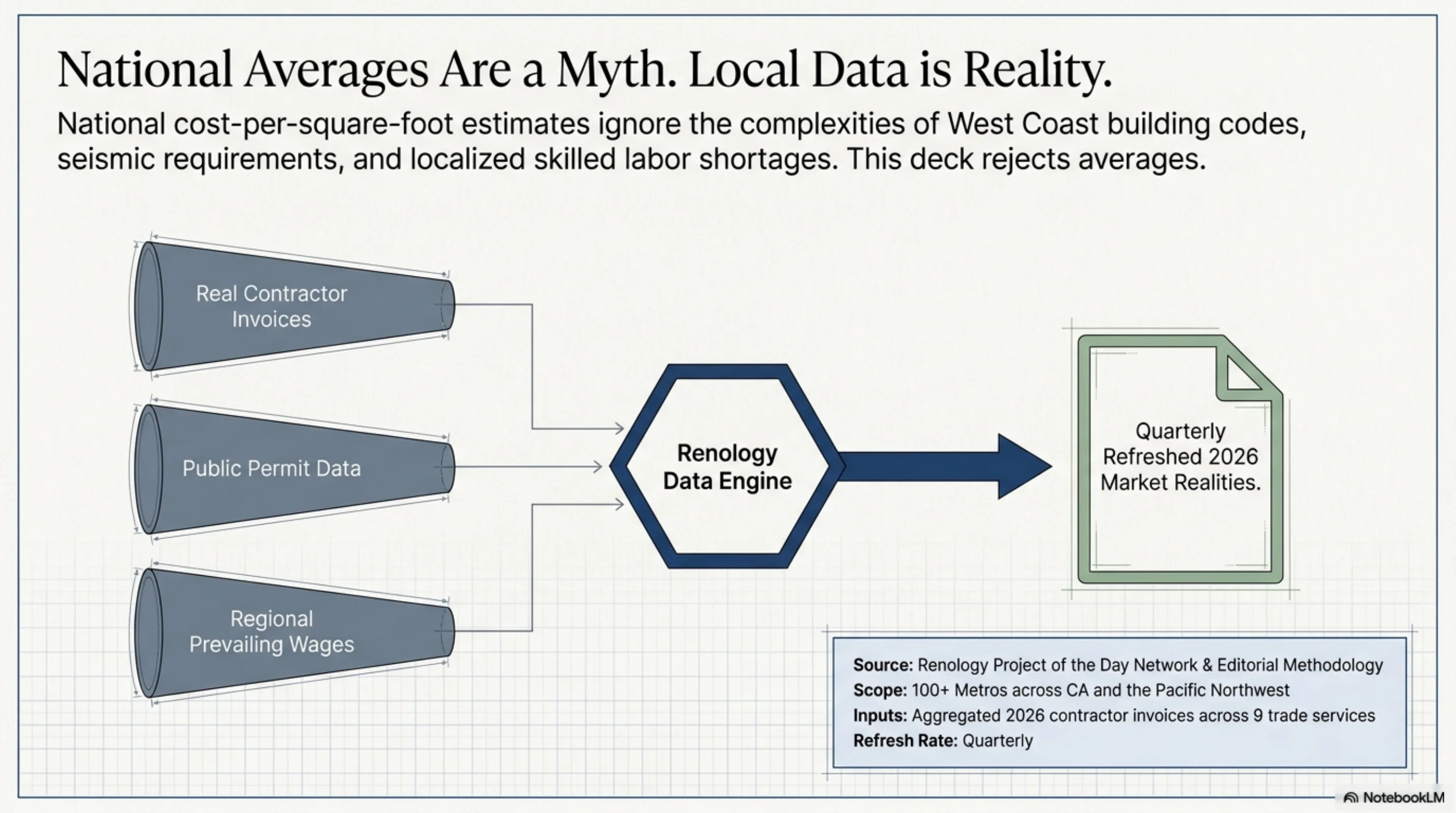
These cost ranges are reconstructed from publicly available labor and permit data, the latest Remodeling Magazine cost-vs-value report, and Renology's own Project of the Day network, a rolling sample of real homeowner invoices we collect from Culver City-area contractors. Last refreshed April 2026.
- National Association of Home Builders (NAHB) Remodeling Market Index, Q1 2026
- California Department of Industrial Relations, Los Angeles County Prevailing Wage Data, 2026
- Culver City Building Safety Division Permit Data, 2026
- Los Angeles Department of Building and Safety (LADBS) Permit Data, 2026
- Remodeling Magazine, 2026 Cost vs. Value Report
- Renology Project of the Day Network, aggregated 2026 contractor invoices in Culver City
- California Building Standards Commission, Title 24 and CALGreen Codes
Methodology
How Renology estimates kitchen costs in Culver City.
Renology treats this page as a planning benchmark for Culver City, California, not a final quote. We compare published local guide data, contractor scope patterns, permit-sensitive work, climate or site constraints, and finish-level assumptions.
Cost range
$66,000-110,000
Timeline
6-14 weeks
Source type
Editorial dataset
Local factor: Mediterranean (Köppen Csa): 14 inches annual rain, hot dry summers, mild winters. UV intensity is high year-round.
Use these numbers to shape a scope and spot missing line items. Confirm permits, structural work, electrical, plumbing, gas, waterproofing, drainage, and code-sensitive details with the local building department and a licensed professional.
Compare against the full Renology Cost IndexCulver City · pre-screened
Get 3 Culver City renovation bids in 48 hours.
Our editors already vetted Culver City contractors. Answer 4 questions and we send 3 written bids inside 48 hours, with the real price for your scope, not their inflated first-call number.
- Free, no commission
- Pre-screened locally
- Bids inside 48 hours
Takes about 60 seconds. We'll text you when bids arrive.