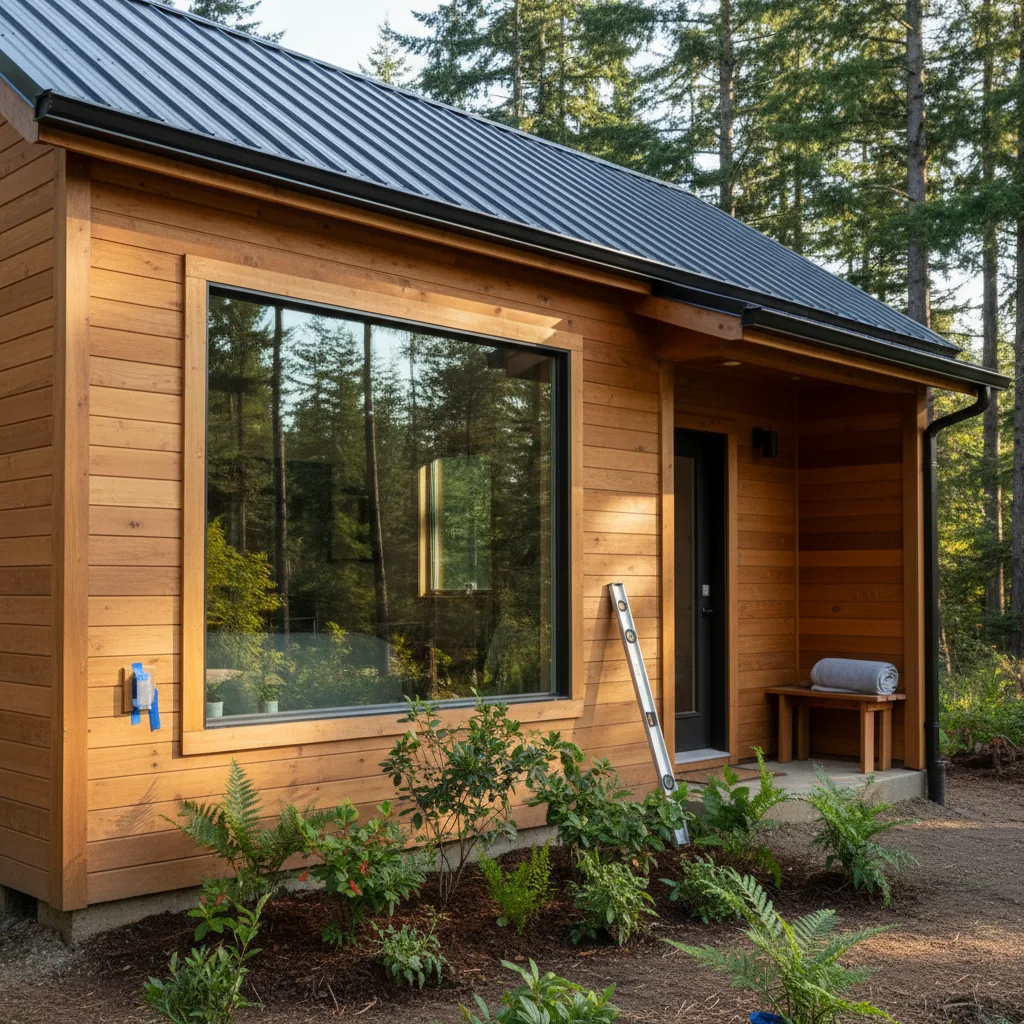
Planning an ADU and garage in Sammamish? A full project typically runs $180,000 to $320,000 in 2026. Cosmetic refreshes start near $110,000; premium custom work climbs past $385,000. This is what your budget actually covers, what drives the price, and how to vet a contractor who knows Sammamish permits.
The Honest 2026 Price for an ADU & Garage in Sammamish
Let's get straight to the point. Building a new Accessory Dwelling Unit (ADU), whether attached, detached, or over a new or existing garage, is a significant construction project. In Sammamish, where land is valuable and construction standards are high, you need a realistic budget from day one. Based on our analysis of contractor invoices and permit data for 2026, a typical, well-built ADU and garage project in Sammamish costs between $180,000 and $320,000.
This range covers a mid-tier project: a new two-car garage with a 600 to 800 square-foot living unit above or adjacent. It assumes quality, but not extravagant, finishes and a straightforward lot. If you are simply finishing an existing, unfinished space above a garage, costs might start closer to $110,000. For a high-end custom build with premium materials, complex architecture, or extensive site work on a challenging lot, expect costs to begin at $385,000 and climb from there.
These are not estimates from a national cost calculator. They are grounded in the specific economic and geographic realities of the Sammamish Plateau, reflecting the cost of local skilled labor, the price of materials delivered to the area, and the complexities of local permitting.
What Drives ADU & Garage Costs in Sammamish
See what a ADU build actually costs in your Sammamish zip.
Take 4 questions →Why is building here more expensive than in other parts of the country? It comes down to a few key factors that are non-negotiable. Understanding them helps you see where your money is going and where you have control.
Labor and Materials
Sammamish is part of the high-cost Seattle metropolitan market. We have a deep pool of talented craftspeople, but demand for their time is intense. This means you are paying a premium for qualified and insured electricians, plumbers, framers, and foundation specialists. According to the National Association of Home Builders, labor accounts for roughly 40 to 50 percent of a new construction project's total cost. In our market, it often feels like the higher end of that range.
Material costs are also influenced by our location. While we have access to fantastic Pacific Northwest timber, many other materials, from windows to appliances to specialized fixtures, are shipped in. Supply chain logistics and fuel costs get baked into every line item on your contractor’s invoice.
Site Conditions and Lot Constraints
This is the big one that many homeowners overlook. The Sammamish Plateau is not a flat, empty grid. Your property might have:
- Steep Slopes: Many lots have significant grades, requiring expensive excavation, retaining walls, and complex foundation engineering to manage soil stability and water runoff.
- Poor Soil: Glacial till is common in this area, which can present challenges for standard foundations, sometimes requiring deeper footings or engineered solutions.
- Tree Retention: Sammamish has strict tree protection ordinances. Working around mature trees requires careful planning, specialized equipment, and sometimes an arborist's report, all of which add to the cost.
- Utility Access: Extending sewer, water, and electrical lines from the primary residence to a new detached ADU is a major cost. The farther the ADU is from the main house, the more expensive the trenching and connection fees will be.
Permits and Engineering
Before a single shovelful of dirt is moved, you will invest in plans, structural engineering, and permits. The City of Sammamish has a thorough review process to ensure safety, environmental protection, and zoning compliance. This involves architectural plans, structural calculations, drainage plans, and energy code compliance reports. These pre-construction "soft costs" can easily account for 10 to 20 percent of your total budget.
Key takeaway
The single biggest variable in your ADU project cost is not the countertops you choose, it's the ground your structure sits on. Site prep, foundation work, and utility runs on a challenging Sammamish lot can cost more than the entire framing package.
Sammamish ADU & Garage by Tier: 3 Real Project Examples
To make the numbers more concrete, let's look at three tiers of projects we've seen completed in Sammamish recently. These represent a cosmetic finish-out, a standard new build, and a premium custom project. Note how the scope and timeline expand with the budget.
| Tier | Scope of Work | Cost Range (2026) | Typical Timeline |
|---|---|---|---|
| Cosmetic / Finish-Out | Finishing an existing 500 sq. ft. unfinished "bonus room" over a garage. No new foundation or structure. Adding insulation, drywall, basic electrical/plumbing stubs, standard-grade LVP flooring, a kitchenette with stock cabinets, and a simple bathroom. | $110,000 to $180,000 | 16-24 weeks |
| Mid-Range / Standard DADU | New construction of a detached 750 sq. ft. ADU over a new two-car garage. Standard concrete slab foundation, 2x6 wood framing, composite siding, asphalt shingle roof. Mid-grade finishes: engineered hardwood, semi-custom cabinets, quartz counters, quality appliance package. | $180,000 to $320,000 | 32-56 weeks |
| Premium / Custom | Architect-designed 1,000 sq. ft. DADU with a two-car garage. Complex foundation on a sloped lot. High-end features: standing seam metal roof, cedar siding, custom windows, radiant floor heating, luxury kitchen with professional-grade appliances, spa-like bathroom, and extensive site work including landscaping and hardscaping. | $385,000 to $575,000+ | 50-70 weeks |
Permits and Local Code in Sammamish
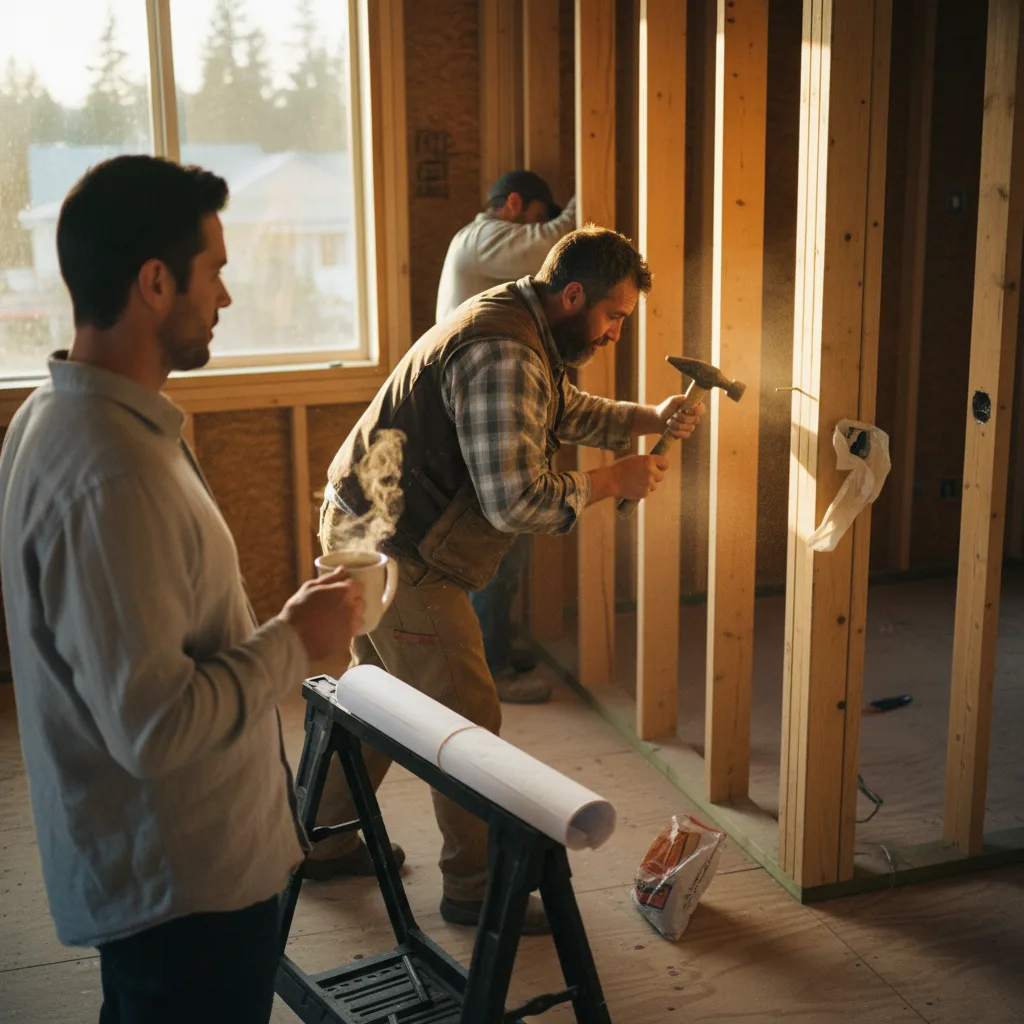
You cannot build in Sammamish without engaging with the City of Sammamish Department of Community Development. Their review process is detailed and designed to uphold the city's high standards. Trying to cut corners here is the fastest way to derail your project with stop-work orders and costly revisions.
Key Regulations to Know
Your architect and contractor should be experts on the Sammamish Municipal Code (SMC), but you should be familiar with the basics. The most relevant section for your project is SMC Title 21A, the Zoning Code. It dictates critical constraints, including:
- Size and Height Limits: An ADU can be no larger than 1,000 square feet of heated living space. The height is generally limited to what is allowed in your specific residential zone, which you must confirm for your parcel.
- Setbacks: The code specifies how far your new structure must be from your property lines, the primary home, and any critical areas like streams or steep slopes. These setbacks are non-negotiable and define the buildable area of your lot.
- Parking: One dedicated off-street parking space is required for the ADU, in addition to the parking required for the primary residence. This space cannot be in the front yard setback.
- Owner Occupancy: Sammamish requires that the property owner occupy either the primary residence or the ADU as their permanent residence.
The Permitting Process
Getting a building permit is not a simple over-the-counter transaction. It is a multi-step process. First, you submit your complete plan set for review. A city plan checker will review it for compliance with zoning, building, fire, and energy codes. They will likely return a list of corrections or requests for more information. Your design team addresses these comments and resubmits. This back-and-forth can take several cycles. A clean, well-prepared submission from a team that knows Sammamish code is the key to a faster approval.
Pro tip
Before you even hire an architect, use the city's online mapping tools or schedule a pre-application meeting with the planning department. This can help you identify any major red flags with your property, like hidden critical areas or easements, before you have spent thousands on design work.
The Sammamish Neighborhoods Where ADU & Garage Costs Diverge
Not all lots in Sammamish are created equal. Where you live in the city can have a real impact on your project's complexity and final cost. A flat, simple lot in one neighborhood can be a much more straightforward build than a hillside property with drainage challenges in another.
In my last walkthrough in the Trossachs, I saw this firsthand. The lots are generous, but many back up to protected greenbelts and have noticeable slopes. The builder I spoke with had to budget an extra $35,000 for an engineered retaining wall and a complex storm drain system to satisfy city requirements for runoff management. The homeowners were building a beautiful detached ADU for aging parents, but the site work was nearly 20 percent of their total project cost before they even got to the foundation.
Contrast that with a project in Klahanie. The lots there are typically smaller and flatter, a product of its master-planned origins. This often simplifies excavation and foundation work, but the smaller lot sizes create a different challenge: fitting the ADU and its required parking within the tight setbacks. An attached ADU or a garage conversion is often a more viable, and therefore more cost-effective, solution than a detached unit that might not fit. The design has to be much more efficient.
Meanwhile, in older areas with larger lots like parts of the Sammamish Plateau near Sahalee, you might have more physical space, but you could also be dealing with older, un-permitted structures that need to be removed or septic systems that complicate the placement of a new building. Each neighborhood has its own dominant pattern of challenges and opportunities.
Timeline: Realistic Week-by-Week Expectations
Homeowners consistently underestimate the total duration of a construction project. The active "construction" phase is only one part of the journey. A realistic timeline for a new detached ADU and garage in Sammamish is 36 to 64 weeks from your first call to a designer to the final inspection.
Patience is a construction virtue; your project will take as long as it takes for the work to be done correctly and safely.
Phase 1: Design & Due Diligence (6-12 weeks)
This is where you work with an architect or designer to create the plans. It involves site surveys, feasibility studies, and developing the construction documents. Rushing this phase is a classic mistake that leads to expensive changes later.
Phase 2: Permitting (8-16 weeks)
Once your plans are submitted to the City of Sammamish, the clock starts on their review. As mentioned, this is often a back-and-forth process. A simple project might get through faster, but any complexity involving zoning variances or critical areas will extend this timeline.
Phase 3: Construction (20-40 weeks)
This is when the builder takes over. It is not a continuous sprint; it is a sequence of dependent steps with built-in pauses for inspections.
- Weeks 1-4: Site Prep, Excavation, and Foundation.
- Weeks 5-9: Framing, Sheathing, and Roofing.
- Weeks 10-14: Rough-in for Plumbing, Electrical, and HVAC.
- Weeks 15-18: Insulation, Drywall, and Exterior Finishes (siding, windows).
- Weeks 19-25: Interior Finishes (flooring, tile, cabinets, painting).
- Weeks 26-30: Final Fixtures, Appliances, and Punch List.
This is an idealized schedule. A single failed inspection, a delayed window delivery, or a week of heavy rain can easily cause a cascade of delays.
How to Vet a Sammamish Contractor
Choosing the right general contractor is the most important decision you will make. A great contractor is a partner who protects your investment; a bad one can turn your project into a financial and emotional nightmare. Look for a builder who specializes in new residential construction in Eastside communities, not a generalist remodeler.
Key Questions to Ask
When you interview potential contractors, go beyond "how much will it cost?"
- "Can you show me three ADU or detached garage projects you have completed in Sammamish or a similar jurisdiction in the last two years?"
- "How many projects do you typically run at once? Who will be my dedicated project manager?"
- "What is your process for handling change orders? How are costs and schedule impacts communicated?"
- "Have you worked with the City of Sammamish permit reviewers before? What is your strategy for getting plans approved efficiently?"
- "Can I speak with your last three clients?" (And then actually call them.)
Red Flags to Watch For
- An Unusually Low Bid: This is the biggest red flag. It often means the contractor missed something in the scope, is using uninsured labor, or plans to make up the difference with aggressive change orders.
- Vague Contracts: A good contract is highly detailed. It specifies materials, timelines, payment schedules, and a clear scope of work. If the contract is a simple one-page document, walk away.
- Pressure to Start Immediately: A good, in-demand contractor has a backlog. If they can start "next Monday," you should ask why they are not busy.
- Lack of a Digital Presence: A professional operation in 2026 has a functional website with a portfolio and client testimonials. It shows a basic level of business maturity.
Editor's note
Always verify a contractor's license and insurance yourself. Use the Washington State Department of Labor & Industries (L&I) "Verify a Contractor" tool online. It is free, instant, and tells you if their license, bond, and insurance are active. Do not just take their word for it.
Renology Take
After reviewing hundreds of projects, the meta-pattern I see most Sammamish homeowners miss is thinking of their ADU as a "little house." They underestimate its complexity. A 800 square-foot ADU has all the same systems as a 3,000 square-foot house: a foundation, a complex roof, plumbing, electrical, and HVAC systems. It requires the same number of inspections and the same level of engineering scrutiny. The cost per square foot is therefore always higher than for a larger home because you are not spreading the high fixed costs of kitchens, bathrooms, and utility connections over as many cheap square feet of empty bedrooms and hallways. Go into the process with the mindset that you are building a small, high-performance home, not a simple backyard shed, and your budget and timeline expectations will be far more realistic.
Sources & Methodology
These cost ranges are reconstructed from publicly available labor and permit data, the latest Remodeling Magazine cost-vs-value report, and Renology's own Project of the Day network, a rolling sample of real homeowner invoices we collect from Sammamish-area contractors. Last refreshed April 2026.
- National Association of Home Builders (NAHB) Remodeling Market Index, Q1 2026
- Washington State Department of Labor & Industries (L&I) Contractor Database, 2026
- City of Sammamish Department of Community Development Permit Data, 2026
- Sammamish Municipal Code (SMC) Title 21A
- Remodeling Magazine, 2026 Cost vs. Value Report
- Renology Project of the Day Network, aggregated 2026 contractor invoices in Sammamish
Methodology
How Renology estimates adu / garage conversion costs in Sammamish.
Renology treats this page as a planning benchmark for Sammamish, Washington, not a final quote. We compare published local guide data, contractor scope patterns, permit-sensitive work, climate or site constraints, and finish-level assumptions.
Cost range
$180,000-320,000
Timeline
32-56 weeks
Source type
Editorial dataset
Local factor: Pacific Northwest cool-wet (Köppen Csb): 38 inches annual rain, mild summers, frost-free winters near sea level.
Use these numbers to shape a scope and spot missing line items. Confirm permits, structural work, electrical, plumbing, gas, waterproofing, drainage, and code-sensitive details with the local building department and a licensed professional.
Compare against the full Renology Cost IndexSammamish · pre-screened
Get 3 Sammamish ADU bids in 48 hours.
Our editors already vetted Sammamish ADU builders. Answer 4 questions and we send 3 written bids inside 48 hours, with the real price for your scope, not their inflated first-call number.
- Free, no commission
- Pre-screened locally
- Bids inside 48 hours
Takes about 60 seconds. We'll text you when bids arrive.