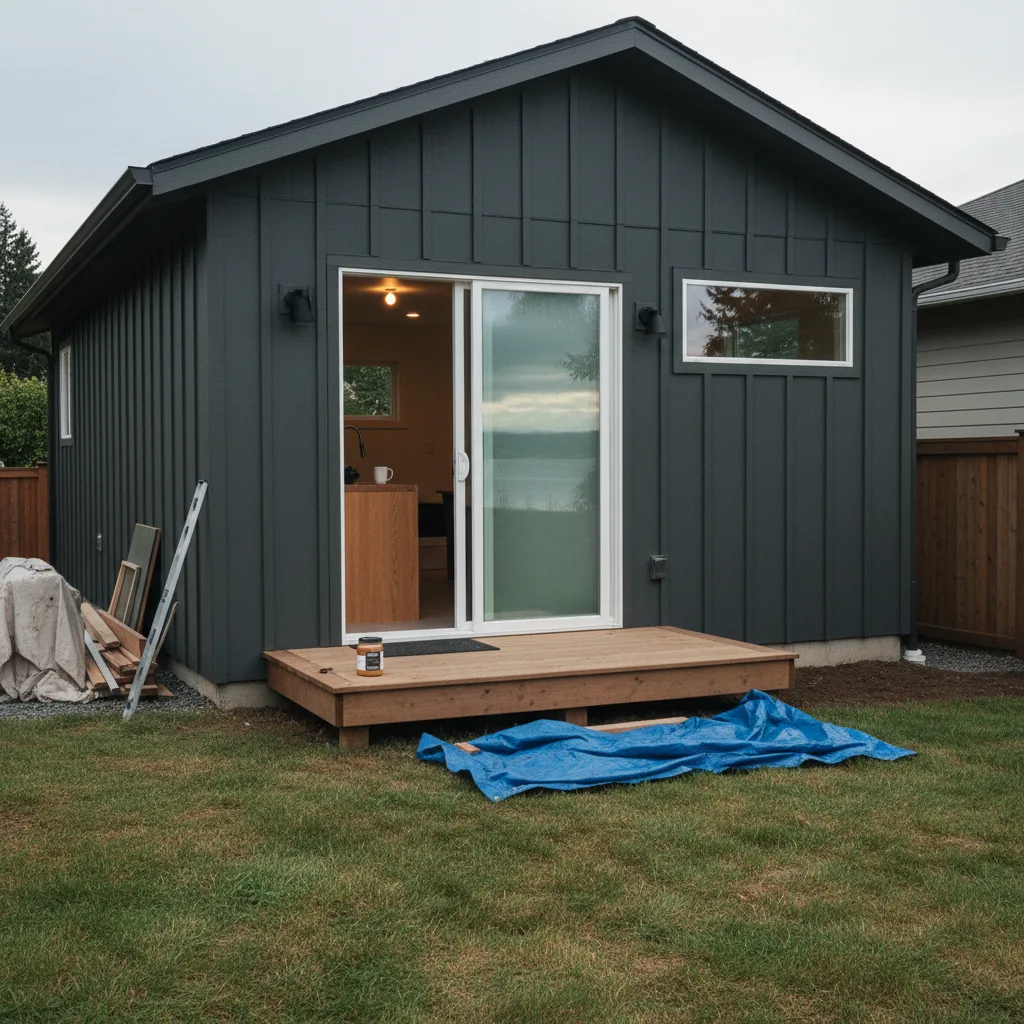
Planning an ADU and garage project in Kirkland? A full build-out in 2026 typically runs $180,000 to $320,000. Simpler conversions start near $110,000, while premium custom work can easily climb past $385,000. This is what your budget actually covers, what drives the price, and how to find a pro who gets Kirkland.
The Honest 2026 Price for an ADU and Garage in Kirkland
Let's get straight to the point. Building an Accessory Dwelling Unit (ADU), whether it's converting a garage or building a new detached unit (DADU), is a significant investment in the Seattle metro area. And Kirkland, with its desirable location and high property values, is no exception. As the structural editor at Renology, I review project invoices from across the region every week. The numbers do not lie: the sticker shock for homeowners often comes from online calculators that fail to account for the realities of building on the Eastside.
The all-in cost for a professionally managed, permitted ADU and garage project in Kirkland ranges from a basic finish-out starting at $110,000 to a fully custom, architect-designed unit exceeding $575,000. Most homeowners, however, land somewhere in the middle. The median project we tracked over the last year fell squarely in the $180,000 to $320,000 range. This covers a well-appointed, new-construction DADU or a comprehensive garage conversion that adds real, functional living space to your property.
Understanding this range is the first step. The second, more critical step, is understanding what pushes your project to the high or low end of that spectrum. It is rarely the cost of lumber or the brand of faucet. It is about scope, site conditions, and the complexities hidden within Kirkland's own building codes.
What Drives ADU and Garage Costs in Kirkland
See what a ADU build actually costs in your Kirkland zip.
Take 4 questions →A project budget is a combination of four key factors: labor, materials, soft costs like permits and design, and the unique pressures of the local market. In Kirkland, each of these has a distinct local flavor that influences the final number on your contractor's bid.
Labor: The Tech Economy Effect
Kirkland is at the heart of a thriving tech corridor. This economic engine drives up demand for everything, including skilled construction labor. The best framers, electricians, and plumbers have their pick of projects, from high-end custom homes to commercial builds. To secure a reliable, top-tier crew for your ADU, contractors have to pay competitive wages. This isn't San Antonio or Boise. Expect labor to account for 40 to 50 percent of your total project cost, a figure consistently higher than the national average according to the National Association of Home Builders (NAHB).
Materials: Built for the Pacific Northwest
The persistent dampness of our Pacific Northwest climate dictates material choices. This is not the place to cut corners. Your budget must account for solid weather-resistant barriers, high-performance windows, and durable siding like HardiePlank or cedar to prevent moisture intrusion and rot., the Washington State Energy Code mandates specific insulation levels (R-21 in walls, R-49 in ceilings) and air sealing standards. These materials and the skilled labor to install them correctly add to the upfront cost but pay dividends in longevity and lower utility bills.
Permits and Soft Costs
Before a single nail is hammered, you will invest in design, engineering, and permits. Architectural or design fees can range from a few thousand dollars for stock plans to 8 to 15 percent of the construction cost for custom plans. Structural engineering is often required, especially for DADUs or if you are altering the garage's structure. Finally, permit fees from the City of Kirkland itself, plus potential fees for utility connections, add several thousand dollars to the budget before construction even begins.
Key takeaway
Homeowners often underestimate "soft costs." Budgeting 15 to 20 percent of your total expected construction cost for design, engineering, and permits is a realistic starting point for a Kirkland ADU project.
Kirkland ADU and Garage by Tier: Three Real Project Examples
To make the numbers tangible, let's break down three common project tiers. I've based these on composite data from dozens of real Kirkland projects in the Renology network. These are not theoretical estimates, they are grounded in what your neighbors are actually building and paying for.
| Tier | Scope | Cost Range | Timeline |
|---|---|---|---|
| Basic Conversion | Finishing an existing, structurally sound attached garage. No new foundation or plumbing runs. Adds insulation, drywall, flooring, electrical, and a ductless mini-split. Basic kitchenette (no 220v range). | $110,000 - $180,000 | 4 - 6 months |
| Mid-Range DADU | New construction of a 500-700 sq. ft. detached ADU with one bedroom, one bathroom, and a full kitchen. Slab-on-grade foundation, standard-grade finishes, composite siding, and asphalt shingle roof. | $180,000 - $320,000 | 8 - 12 months |
| Premium Custom ADU | Architect-designed 800-1,000 sq. ft. DADU. Complex foundation on a sloped lot, vaulted ceilings, high-end custom cabinetry, premium appliances, extensive tile work, and integration with site landscaping. | $385,000 - $575,000+ | 12 - 16 months |
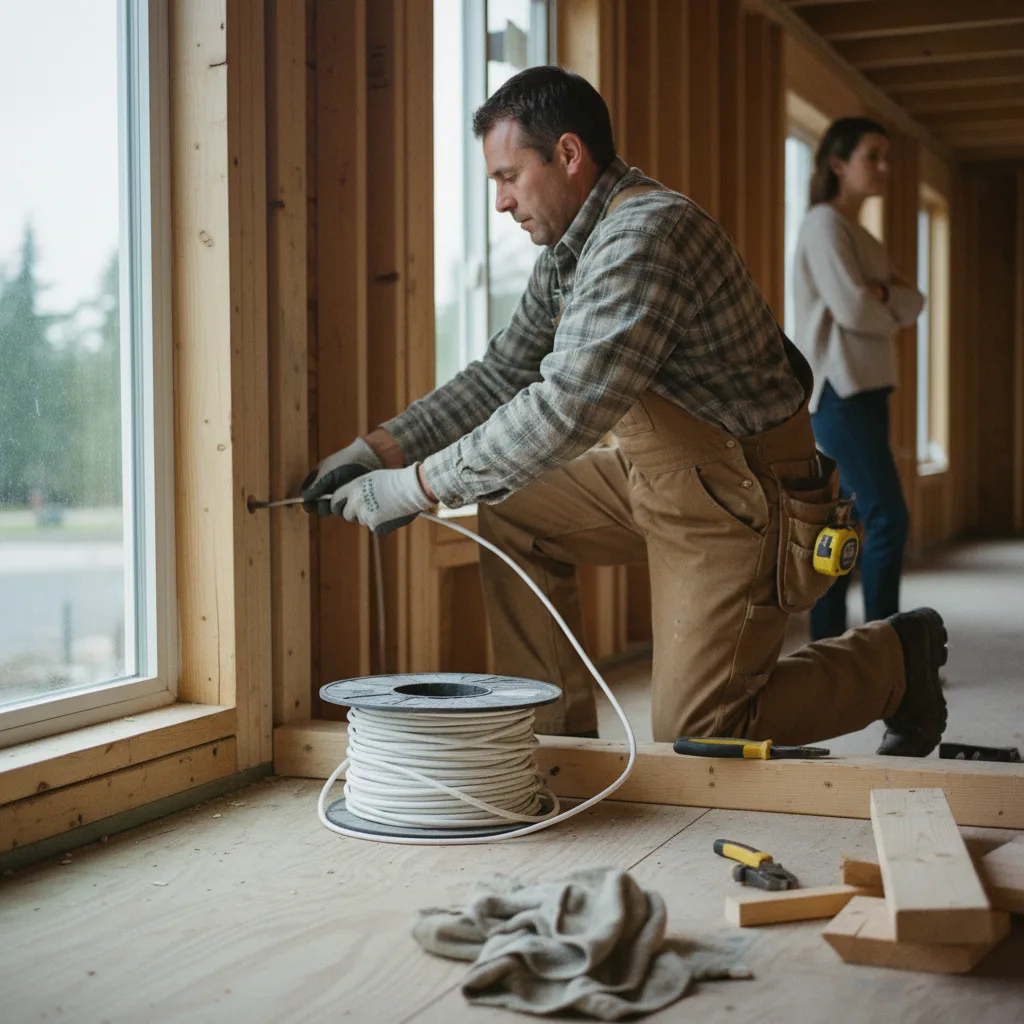
Permits and Local Code in Kirkland
Every construction project lives and dies by the permit. In Kirkland, the process is managed by the City of Kirkland Planning and Building Department. While Washington state sets the baseline building codes, the city has its own specific zoning rules that directly impact your ADU project's feasibility, size, and cost.
Understanding the Kirkland Zoning Code (KZC)
The key document to familiarize yourself with is the Kirkland Zoning Code, specifically Chapter 115, which details the regulations for ADUs. This is not optional reading. The code dictates critical factors your architect and contractor must follow, including:
- Size Limits: The maximum size of an ADU is tied to the size of your primary residence and your lot, typically capped at 1,000 square feet.
- Setbacks: The code specifies how far the new structure must be from your property lines, a crucial constraint on smaller urban lots.
- Parking: Kirkland generally requires one off-street parking space for the ADU, unless your property is located within a certain distance of a high-capacity transit line. This can impact your site plan and budget significantly.
- Owner Occupancy: The city requires that the property owner reside in either the primary home or the ADU for at least six months out of the year.
The Permitting Process Itself
Submitting for a permit is not a quick errand. After your plans are finalized, they are submitted to the city for review. This "plan check" process can take anywhere from four weeks to several months, depending on the complexity of your project and the department's workload. The reviewer will check for compliance with everything from energy codes to structural engineering and local zoning. Any errors or omissions in your plans will result in corrections being requested, which can add weeks or even months to your pre-construction timeline.
Pro tip
Hiring a designer or architect with a proven track record of getting ADU permits approved in Kirkland is worth the investment. They know the common pitfalls and can produce a plan set that sails through review with minimal corrections.
The Kirkland Neighborhoods Where ADU and Garage Costs Diverge
Not all lots in Kirkland are created equal. The character, age, and geography of a neighborhood can have a massive impact on the complexity and cost of an ADU project. A flat, square lot in Rose Hill presents a very different set of challenges than a steep, wooded property in Bridle Trails.
Bridle Trails: Trees and Space
Known for its large, equestrian-friendly lots and dense tree canopy, Bridle Trails offers the space for larger DADUs. However, this space comes with its own costs. Kirkland has strict tree retention rules, and you may need an arborist's report to site your ADU without removing significant trees. The cost of clearing, grading, and running long utility trenches for water, sewer, and electricity from the main house to a detached unit located far back on the property can add $20,000 to $50,000 in site work costs before you even pour the foundation.
Houghton: Slopes and Shorelines
Many properties in Houghton, especially those with views of Lake Washington, are built on steep slopes. This is a structural editor's bread and butter. Building on a slope requires extensive geotechnical analysis and complex, expensive foundations, like deep pilings or stepped concrete walls. These foundation systems can cost two to three times more than a simple slab-on-grade., properties near the water fall under Shoreline Management regulations, which add another layer of environmental review and potential building restrictions to your permit process.
The cost of the structure is predictable. The cost of preparing the ground it sits on is where all the surprises live.
Timeline: Realistic Week-by-Week Expectations
A common mistake is thinking the project timeline starts with demolition. The clock really starts the day you hire your designer. A typical mid-range DADU project in Kirkland follows a timeline that can feel frustratingly long but is entirely normal for this type of construction.
- Phase 1: Design and Engineering (6 to 12 weeks): This involves initial concepts, schematic design, and developing the detailed construction documents required for permitting. This is where you make all your key decisions.
- Phase 2: Permitting (4 to 12 weeks): Your plans are with the City of Kirkland. This phase is largely a waiting game, punctuated by potential requests for more information or corrections.
- Phase 3: Site Prep and Foundation (3 to 5 weeks): Once the permit is in hand, the real work begins. This includes excavation, utility trenching, and pouring the concrete foundation. Weather can cause delays here.
- Phase 4: Framing and Rough-ins (4 to 6 weeks): The skeleton of your ADU goes up. This phase moves quickly and is exciting to watch. Walls, roof trusses, and sheathing are installed, followed by plumbing, electrical, and HVAC lines inside the walls.
- Phase 5: Exterior and "Dry-In" (3 to 5 weeks): Windows, doors, siding, and roofing are installed. The building is now weathertight, allowing interior work to proceed regardless of the rain.
- Phase 6: Interior Finishes (8 to 12 weeks): This is the longest phase. It includes insulation, drywall, painting, flooring, cabinet installation, tile work, and setting plumbing and electrical fixtures.
- Phase 7: Final Inspections and Punch List (2 to 4 weeks): The city building inspector visits multiple times to sign off on the work. Your contractor will then walk through with you to create a "punch list" of any small items needing correction before final payment.
How to Vet a Kirkland Contractor
The success of your project hinges on choosing the right general contractor. A good one is a partner who protects your investment; a bad one can turn your project into a financial and emotional nightmare. In my experience, the best outcomes result from a thorough vetting process.
I was on a site in Houghton last fall where the contractor was building a DADU on a tight lot with steep access. They had to use a specialized "spider" excavator to dig the foundation because a standard machine couldn't get down the driveway. The homeowner told me the other two bidders never even mentioned the access issue. One just planned to use wheelbarrows, which would have added weeks and thousands in labor. The contractor they hired identified the problem upfront and had a specific solution in the bid. That is the kind of foresight you are paying for.
Editor's note
Do not just look for a generalist. Find a contractor who has successfully permitted and built at least five ADUs on the Eastside in the last two years. They will know the specific hurdles with the Kirkland Planning and Building Department and will have established relationships with the right subcontractors.
Questions to Ask Every Potential Contractor
- Can you provide me with the addresses of three ADUs you have completed in Kirkland or Bellevue in the last 24 months?
- How do you handle unforeseen conditions, like hitting a large boulder during excavation or discovering an unmapped utility line? What does your change order process look like?
- What is your typical project load? How many other jobs will my project manager be overseeing concurrently?
- Can you show me a sample project schedule and explain how you keep homeowners updated on progress and potential delays?
- Please provide proof of your Washington L&I registration, your liability insurance, and your bond.
Red Flags to Watch For
- The Vague Bid: If a bid is just a single number with little detail, run. A professional bid is several pages long and breaks down costs by labor, materials, and trade (e.g., "Electrical," "Plumbing," "Drywall").
- Pressure to Sign Immediately: A contractor who pressures you with a "special price" that expires tomorrow is using sales tactics, not professional project planning.
- A Request for a Large Upfront Deposit: Washington state law has specific rules about down payments. A request for more than 25 percent of the project cost before work begins is a major red flag.
- Lack of an Online Presence: A reputable modern builder will have a professional website with a portfolio of their work. A lack of this suggests a small or new operation that may not have the resources to handle a six-figure project.
Renology Take
After analyzing hundreds of ADU and garage projects, the most common and costly mistake homeowners make is focusing too much on the cost per square foot of the structure itself. They spend weeks comparing the price of vinyl versus wood windows but completely overlook the budget for site development. In Kirkland, with its varied topography, mature trees, and established infrastructure, site work is not an afterthought, it is a primary cost driver. The expense of trenching 150 feet for a sewer connection, building a retaining wall on a sloped lot, or upgrading the main electrical panel to support the new unit can easily account for 20 to 30 percent of your total budget. Get firm, detailed quotes for site work early in the design process. It is the single biggest variable and the one most likely to break your budget if you ignore it.
Sources & Methodology
These cost ranges are reconstructed from publicly available labor and permit data, the latest Remodeling Magazine cost-vs-value report, and Renology's own Project of the Day network, a rolling sample of real homeowner invoices we collect from Kirkland-area contractors. Last refreshed April 2026.
- National Association of Home Builders (NAHB) Remodeling Market Index, Q1 2026
- Washington State Department of Labor & Industries, Prevailing Wage Data, 2026
- City of Kirkland Planning and Building Department, Permit Data, 2026
- Remodeling Magazine, 2026 Cost vs. Value Report
- Kirkland Municipal Code, Title 23 (Zoning)
- Renology Project of the Day Network, aggregated 2026 contractor invoices in Kirkland
Methodology
How Renology estimates adu / garage conversion costs in Kirkland.
Renology treats this page as a planning benchmark for Kirkland, Washington, not a final quote. We compare published local guide data, contractor scope patterns, permit-sensitive work, climate or site constraints, and finish-level assumptions.
Cost range
$180,000-320,000
Timeline
32-56 weeks
Source type
Editorial dataset
Local factor: Pacific Northwest cool-wet (Köppen Csb): 38 inches annual rain, mild summers, frost-free winters near sea level.
Use these numbers to shape a scope and spot missing line items. Confirm permits, structural work, electrical, plumbing, gas, waterproofing, drainage, and code-sensitive details with the local building department and a licensed professional.
Compare against the full Renology Cost IndexKirkland · pre-screened
Get 3 Kirkland ADU bids in 48 hours.
Our editors already vetted Kirkland ADU builders. Answer 4 questions and we send 3 written bids inside 48 hours, with the real price for your scope, not their inflated first-call number.
- Free, no commission
- Pre-screened locally
- Bids inside 48 hours
Takes about 60 seconds. We'll text you when bids arrive.