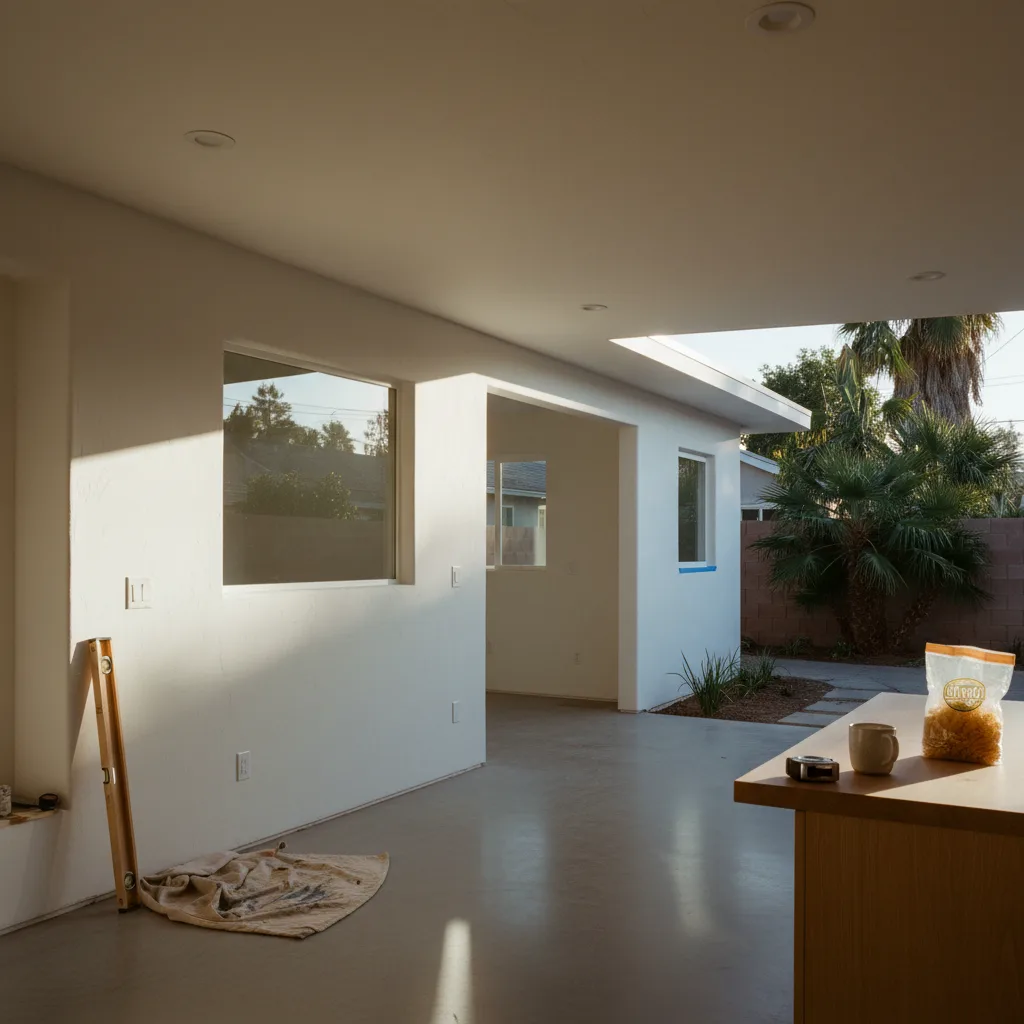
A detached, new-construction ADU in Los Angeles takes between nine and fourteen months from first call to final walkthrough. That timeline can start lower, around six to eight months, for a garage conversion or a Junior ADU (JADU) that uses existing structure. In a city like LA, the single biggest variable isn't the build itself. It’s the plan check backlog at the Los Angeles Department of Building and Safety (LADBS). A straightforward project in Mar Vista might sail through, while one with zoning complexities in the Hollywood Hills sits in review for three months. The build is the predictable part. The paperwork is the wild card. This is the real adu construction timeline California homeowners experience.
In a Nutshell
- Total Timeline: 9, 14 months for a new detached ADU; 6, 8 months for a garage conversion or JADU.
- The Four Phases: The process breaks down into four distinct stages: Design and Permits, Site Prep and Foundation, Framing and Rough-In, and Finishes and Final Inspection.
- Biggest Delay Risk: The plan check and permit issuance phase with the LADBS is almost always the longest and most unpredictable part of the entire adu build process los angeles.
- Contingency is Not Optional: Plan for the unexpected. The National Association of Home Builders recommends a 10-15% contingency fund for budget overruns, especially for projects involving older homes.
Phase 1: Design and Permits (weeks 1, 16)
This is where the project lives on paper. Your architect or designer draws the plans, and a structural engineer calculates the load paths to ensure the structure is sound. Once you sign off, the package goes to the Los Angeles Department of Building and Safety (LADBS) for plan check. California laws like AB 68 and AB 970 are supposed to streamline this, but expect eight to sixteen weeks for review and corrections. This is your longest wait. The owner’s job here is to make decisions and lock the scope. Any change after submission resets the clock. To speed this up, consider using one of the city's pre-approved RTI (Ready-to-Issue) Standard Plans. It limits customization but can cut the adu permit timeline la in half. An expediter can help shepherd the plans through the city, but they can't work miracles on a complex project.
Phase 2: Site Prep and Foundation (weeks 17, 22)
Once you have a permit in hand, the real work begins. This phase is all about the ground. First, a soils report is a must in Los Angeles, especially in hillside areas or places with expansive clay soil. Your foundation design depends on it. The site is graded, and trenches are dug for water, sewer, and power. This requires careful coordination with the Los Angeles Department of Water and Power (LADWP) and the gas company. The inspector visits to sign off on the footing trenches and rebar placement before any concrete is poured. A surprise, like hitting bedrock or an old septic tank, can add two weeks and several thousand dollars to the job right at the start. The slab pour is the first major milestone. Six weeks if nothing surprises you, ten if the ground has other plans.
Phase 3: Framing and Rough-In (weeks 23, 30)
This is when the building takes shape, and it happens fast. The floor system, walls, and roof trusses go up. Once the structure is sheathed and the roof is dried in, the trades descend. The sequence is critical and non-negotiable: plumbing and sewer lines first, then HVAC ducting, followed by electrical wiring. Each trade does their 'rough-in,' placing all the pipes, ducts, and wires inside the open walls. The city inspector comes out multiple times during this phase to sign the inspection card for framing, plumbing, electrical, and mechanical systems *before* any insulation or drywall is installed. A failed inspection here means pulling things apart to fix them. A solid general contractor gets all these inspections passed on the first try, which is crucial for any Los Angeles ADU construction project.
Phase 4: Finishes and Final Inspection (weeks 31, 40)
3 Los Angeles ADU builders, editor-screened. 4 questions.
See my 3 matchesAfter the rough-in inspections are cleared, the walls get closed up. Insulation goes in, followed by drywall. This is the 'finishes' stage, and it feels slower because the work is detailed. Taping, mudding, and sanding the drywall can take a week alone to get perfectly flat surfaces. Then comes paint, flooring, tile, cabinets, and countertops. The electricians and plumbers return to install light fixtures, outlets, sinks, and faucets. The final step is another round of inspections from LADBS. They check everything from smoke detector placement to the GFCI outlets. Once they sign off on the final inspection card, the city issues the Certificate of Occupancy. Only then is the ADU legally habitable and ready for tenants or family.
Three Representative Projects from 2026
Three modeled project scenarios for 2026, built from the Renology Cost Index and typical local scopes. These are illustrative estimates, not completed client projects:

- Sherman Oaks Detached ADU: A 750 sq. ft. two-bedroom, one-bath new build on a flat lot. Stick-built construction with a standard slab foundation. Total Cost: $380,000. Total Timeline: 13 months, with 16 weeks spent in LADBS plan check.
- Eagle Rock Garage Conversion: A 400 sq. ft. studio ADU converted from an existing detached garage. Required a new foundation and seismic retrofit to bring the old structure up to code. Total Cost: $165,000. Total Timeline: 8 months.
- Highland Park JADU: A 480 sq. ft. Junior ADU created within the primary home's existing footprint. Involved converting a large bedroom, adding a kitchenette, a small bathroom, and a new exterior entrance. Total Cost: $95,000. Total Timeline: 6 months.
What Can Compress This Timeline
The homeowner who saves six weeks does these three things before signing a contract. First, they use a pre-approved plan. The LA RTI Standard Plan Program has dozens of vetted designs that slash the LADBS review period. You sacrifice originality for speed. Second, they have every single finish, fixture, and appliance selected and ordered before the first shovel hits the dirt. Waiting for a backordered tile is the most common cause of mid-project delay. Third, they lock the scope of work and never touch it. Every change order, no matter how small, has a ripple effect on the schedule and the budget. The fastest projects are the ones where the plan is treated as gospel from day one. This proactive approach is the secret to shortening how long to build an adu.
What Blows It Up
Three things kill an ADU schedule. First is discovering something nasty underground. Old foundations, undocumented sewer lines, or poor soil compaction can stop work for weeks while engineers redesign the foundation. Second is scope creep. The decision to add a vaulted ceiling or move a wall after framing is done doesn't just add that task; it forces trades to redo work and throws the entire sequence off. Third is discovering the main house has unpermitted work. LADBS can, and often will, require you to legalize that old work before they will sign off on the new ADU. The National Association of Home Builders recommends a ten to fifteen percent contingency on renovations in homes over thirty years old. In Los Angeles, I'd call that the bare minimum.
What Should Be in Your Contractor's Schedule
Your contractor's schedule should be more than a simple start and end date. It needs to show these key milestones, which represent points where the project can be delayed by inspections or material lead times. A professional schedule will include:
- Scope-lock and design finalization date.
- Permit package submission to LADBS.
- Anticipated date for permit issuance (RTI).
- Milestone: Foundation inspection passed.
- Milestone: Framing inspection passed.
- Milestone: Rough-in inspections passed for plumbing, electrical, and mechanical.
- Lead-time deadline for ordering windows, doors, and cabinets.
- Start of interior finishes (drywall installation).
- Milestone: Final inspection from LADBS.
- Target date for receiving the Certificate of Occupancy.
For a full breakdown of the city's requirements, see our permit playbook.
Renology Take
Contractor websites love to advertise a '90-day build.' That number isn't a lie, but it's misleading. It refers only to the construction phase, from foundation pour to final paint. It conveniently ignores the four to six months of design, engineering, and permitting that must happen first. The true timeline for a Los Angeles ADU is the full nine to fourteen months. Homeowners get frustrated when their project feels stalled for months before construction starts, but that's the process. The work done on paper with the city is just as critical as the work done on site with a hammer. Understanding that the 'real' timeline includes the bureaucratic timeline is the key to staying sane. The framing goes up in a week. The permit can take a season. That is the reality of the adu build process los angeles.
Sources & Methodology
Renology reviews public permit and labor signals, supplier pricing, remodeler quote patterns, comparable projects, the Renology Cost Index, and the Renology Methodology. Cost references are planning ranges for Los Angeles ADU projects, not fixed bids.

- Los Angeles Department of Building and Safety (LADBS) ADU Information Portal, 2026
- California Department of Industrial Relations, Los Angeles County Prevailing Wage Data, 2026
- National Association of Home Builders (NAHB) Remodeling Market Index, Q1 2026
- American Institute of Architects, Los Angeles Chapter (AIA|LA), ADU Guidelines, 2025
- California HCD, Accessory Dwelling Unit Handbook, 2025 Update
- Remodeling Magazine, Cost vs. Value Report, 2026
- Renology Project of the Day (POTD) Network, Los Angeles Metro Data, 2025-2026
Frequently Asked Questions
How long does an ADU in Los Angeles really take?
Can I live in the home during construction?
What's the longest single phase?
Can I fast-track the permits?
Why is ADU construction so expensive in Los Angeles?
Los Angeles · pre-screened
Get 3 Los Angeles ADU bids in 48 hours.
Our editors already vetted Los Angeles ADU builders. Answer 4 questions and we send 3 written bids inside 48 hours, with the real price for your scope, not their inflated first-call number.
- Free, no commission
- Pre-screened locally
- Bids inside 48 hours
Takes about 60 seconds. We'll text you when bids arrive.
Sources
- Los Angeles Department of Building and Safety (LADBS) ADU Information Portal
- California Department of Industrial Relations, Los Angeles County Prevailing Wage Data
- National Association of Home Builders (NAHB) Remodeling Market Index
- American Institute of Architects, Los Angeles Chapter (AIA|LA), ADU Guidelines
- California HCD, Accessory Dwelling Unit Handbook
- Remodeling Magazine, Cost vs. Value Report
- The Renology Project of the Day (POTD) Network, Los Angeles Metro Data