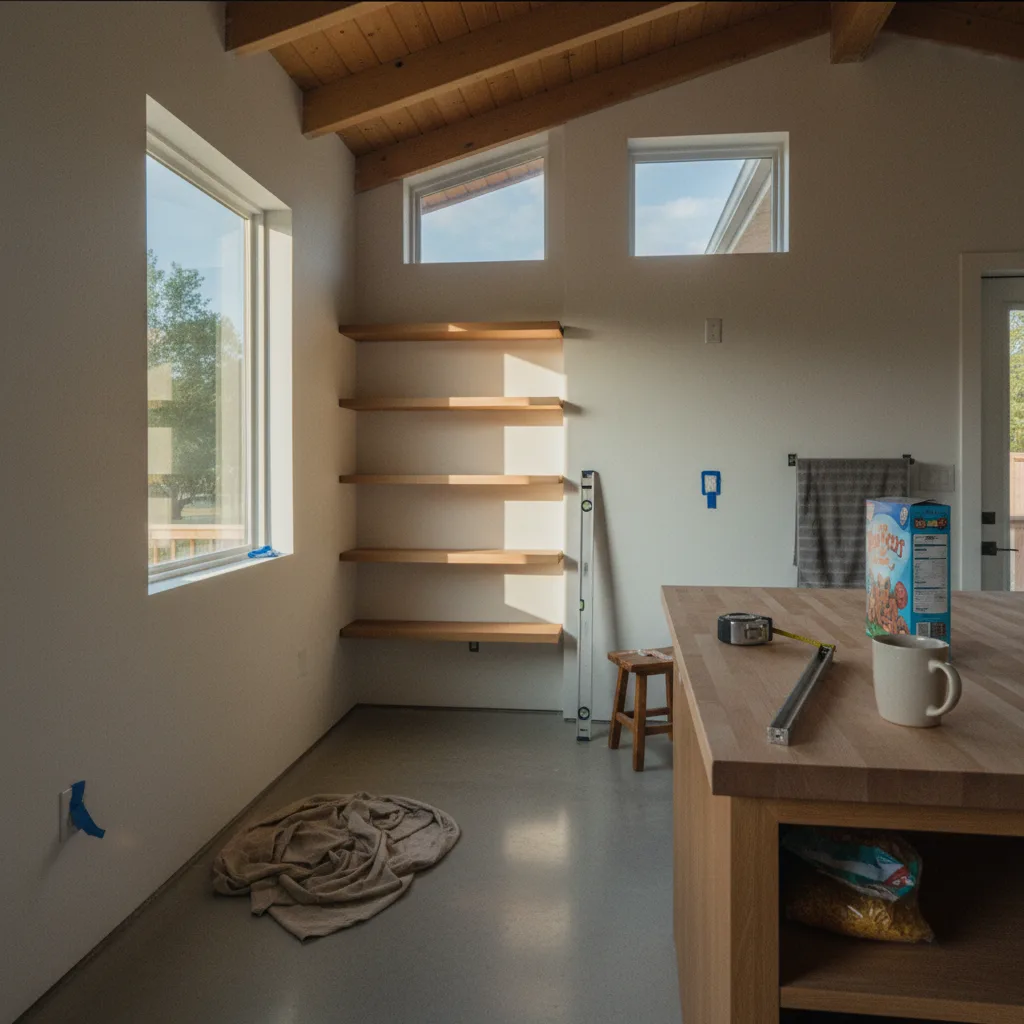
In 2026, the cost to build a detached accessory dwelling unit (ADU) in Orlando ranges from $185,000 to $360,000. Simpler projects, such as converting an existing garage, typically cost between $95,000 and $150,000. These figures reflect all-in costs including design, permits, and construction for a typical mid-range unit, placing the expenditure significantly above the Orlando-Kissimmee-Sanford metro median for home improvement projects reported by the U.S. Census Bureau.
In a Nutshell
- Total ADU Cost Range: $95,000 (garage conversion) to $500,000+ (high-end custom detached unit).
- Typical Mid-Range Project: A 750-square-foot detached ADU costs between $240,000 and $295,000.
- Project Timeline: Six to twelve months from initial design to final inspection. Permitting with the City of Orlando Planning Division adds two to four months of this total.
- Biggest Surprise Line Item: Utility connection fees. Tapping into water, sewer, and electrical service with the Orlando Utilities Commission (OUC) can cost $7,500 to $22,000, a figure often omitted from initial contractor bids.
What does an ADU actually cost in Orlando?
The total cost of an Orlando ADU is determined by size, complexity (new build vs. conversion), and finish level. We have compiled cost data from Renology's project network and regional construction cost surveys to establish three representative tiers for a detached ADU in 2026.
| Tier | Size (sq. ft.) | Cost per Sq. Ft. | Total Cost Range | Typical Features |
|---|---|---|---|---|
| Basic | 400-500 | $310, $380 | $124,000, $190,000 | Studio or one-bedroom, standard-grade finishes, vinyl flooring, laminate countertops, basic appliance package. |
| Mid-Range | 600-800 | $350, $450 | $210,000, $360,000 | One or two-bedroom, builder-grade finishes, LVP flooring, quartz countertops, stainless steel appliances, some custom tile work. |
| Premium | 800-1,200 | $425, $550+ | $340,000, $660,000+ | Two or three-bedroom, high-end finishes, hardwood floors, custom cabinetry, stone countertops, premium appliance suite, architectural windows. |
A typical 750-square-foot, mid-range ADU project in Orlando sees its budget allocated as follows:
- Site Work & Foundation: 15% ($36,000, $44,250)
- Framing & Structure: 20% ($48,000, $59,000)
- Exterior (Roof, Siding, Windows): 15% ($36,000, $44,250)
- Interior Finishes (Drywall, Paint, Flooring): 15% ($36,000, $44,250)
- MEP Systems (HVAC, Electrical, Plumbing): 15% ($36,000, $44,250)
- Kitchen & Bath Fixtures/Cabinets: 10% ($24,000, $29,500)
- Labor, Project Management & Fees: 10% ($24,000, $29,500)
The bottom of the cost range, particularly projects under $150,000, almost always represents a garage conversion or an interior conversion of existing space. These projects benefit from an existing foundation, structural walls, and roof, which eliminates a significant portion of the costs associated with new construction.
Why is an ADU more expensive in Orlando than in surrounding rural areas?
Construction costs for an Orlando ADU are consistently 10-20% higher than in more rural parts of Central Florida. Three primary factors drive this cost differential: labor rates, material logistics, and land constraints.
1. Skilled Labor Rates: The high volume of large-scale commercial and residential development in the Orlando metro area creates intense competition for skilled trades. According to the U.S. Bureau of Labor Statistics Occupational Employment Statistics for the Orlando-Kissimmee-Sanford, FL Metropolitan Statistical Area, median hourly wages for key construction trades are higher than in surrounding counties. For 2026, projected median rates for carpenters are $28, $34 per hour, electricians $30, $38 per hour, and plumbers $29, $36 per hour, before contractor overhead and profit are added. This demand inflates the labor portion of any residential construction budget.
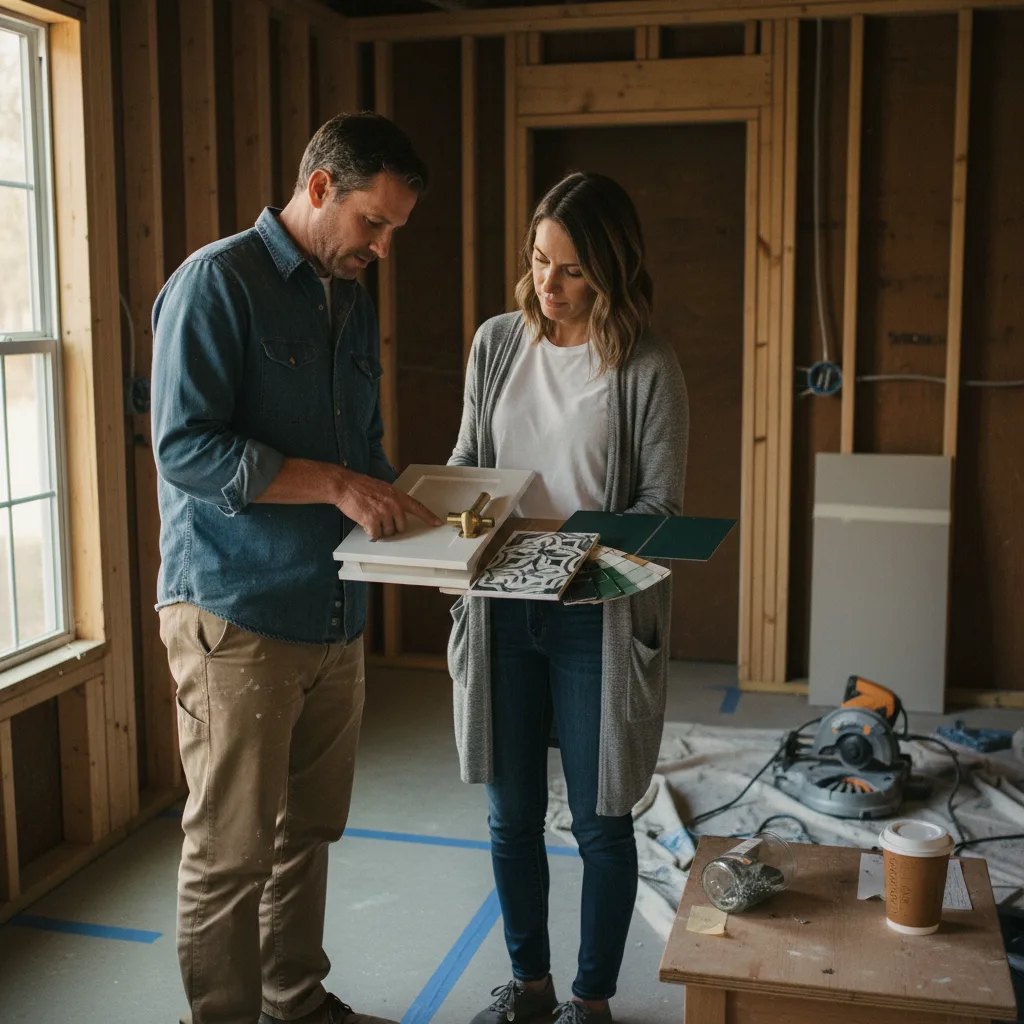
2. Material Costs and Code Requirements: While Orlando is well-served by supply chains, the Florida Building Code imposes stringent requirements for hurricane resistance. This mandates higher-cost materials like impact-rated windows and doors, reinforced concrete masonry units (CMUs), and specific roof tie-down systems (straps and clips). These non-negotiable structural elements add 8-12% to the material cost compared to projects in non-hurricane zones. The sheer demand from ongoing development also keeps prices for standard materials like lumber and concrete elevated.
3. Neighborhood Premiums and Site Complexity: Building in established, desirable Orlando neighborhoods carries a premium. Contractors working in areas like Baldwin Park or College Park often factor in higher costs for logistics, tighter site access, and the need to match high-end neighborhood aesthetics., many older lots in Orlando present challenges like sandy soil requiring deeper footings, the need for extensive tree removal and grading, or navigating existing underground utilities, all of which add to site preparation costs.
What do real Orlando homeowners spend in 2026?
Three representative projects from 2026, scoped similarly, reconstructed from Renology's Project of the Day network and used here in aggregate form:
Project 1: Garage Conversion in SODO ($115,000)
- Scope: Conversion of a two-car garage into a 450 sq. ft. studio apartment. Included adding a bathroom and kitchenette, installing a mini-split HVAC system, and replacing the garage door with a wall and entryway.
- Finishes: Mid-grade LVP flooring, quartz countertops, and semi-custom cabinets.
- Key Cost: The plumbing work, which required cutting the concrete slab to run new drain lines, accounted for nearly 20% of the total budget.
Project 2: Detached ADU in Audubon Park Garden District ($265,000)
- Scope: New construction of a 700 sq. ft. one-bedroom, one-bathroom detached ADU in the backyard of a single-family home. Standard slab-on-grade foundation.
- Finishes: Builder-grade appliances, vinyl windows, and a mix of fiber cement siding and stucco to match the main house.
- Key Cost: OUC utility hookup fees and trenching for new water, sewer, and electrical lines added an unexpected $18,500 to the project total.
Project 3: Custom Two-Story ADU in Lake Nona ($410,000)
- Scope: New construction of a 1,100 sq. ft. two-bedroom, two-bathroom ADU with a second-story living area above a garage.
- Finishes: Premium finishes including impact-rated architectural windows, standing seam metal roof, custom cabinetry, and a high-efficiency zoned HVAC system.
- Key Cost: Structural engineering and materials for the second-story design, including steel beams and enhanced foundation work, were the largest single component of the budget, representing over 25% of the hard costs.
Where does the money actually go? Uncovering Hidden Costs
Many initial quotes from an adu contractor orlando focus on the visible construction. However, a significant portion of the total cost for an ADU in Orlando comes from soft costs and site-specific preparations that are often itemized separately or left out entirely.
- Architectural and Engineering Plans: A full set of construction-ready blueprints from a licensed architect or designer. Cost: $10,000, $25,000.
- City of Orlando Permit Fees: This includes plan review, building permits, and various inspection fees. Cost: $4,000, $9,000.
- Utility Connection Fees (OUC): Fees paid to the Orlando Utilities Commission for new water, sewer, and electric meters and connections. This does not include the contractor's cost for trenching. Cost: $7,500, $22,000.
- Impact Fees: Depending on the ADU's size and location, the City of Orlando or Orange County may levy impact fees to offset the new unit's demand on public services like roads and parks. Cost: $0, $15,000.
- Geotechnical (Soil) Report: Often required by structural engineers in areas with sandy or unpredictable soil to ensure a stable foundation design. Cost: $2,000, $4,000.
- Site Preparation: This can include demolition of existing structures, tree removal, and grading the land for proper drainage. Cost: $3,000, $12,000.
- Landscaping and Hardscaping: Restoring the yard after construction, including sod, irrigation, walkways, and patios. Cost: $5,000, $15,000.
- Construction Insurance: A Course of Construction or Builder’s Risk policy to protect against theft, vandalism, and damage during the build. Cost: $2,500, $5,000.
What stops an Orlando ADU from running over budget?
3 Orlando ADU builders, editor-screened. 4 questions.
See my 3 matchesBudget overruns on ADU projects are common, but they typically stem from three predictable sources. Understanding these can help homeowners maintain financial control.
1. Unforeseen Site Conditions: This is the most common cause of budget issues. During excavation, contractors might discover poor soil quality requiring deeper foundations, an undocumented septic tank, or extensive root systems from nearby trees that must be removed. In Orlando, hitting a high water table or unexpected layers of muck can require costly dewatering or specialized foundation work.
2. Scope Creep: Homeowners making changes or additions after construction has begun is a primary driver of cost increases. Deciding to upgrade from carpet to hardwood, adding a kitchen island, or changing the window layout mid-project creates a cascade of change orders for materials and labor. Each change order adds not only the direct cost of the new item but also contractor administrative fees and potential project delays.
3. Material Price Volatility: While contractors build some escalation into their quotes, sudden spikes in core material costs like lumber, concrete, or copper wiring can exceed these allowances. Florida's active construction market and vulnerability to supply chain disruptions during hurricane season can exacerbate this volatility. Locking in material prices with suppliers early in the project is one mitigation strategy.
To prepare for these possibilities, a contingency fund is essential. The National Association of Home Builders recommends a ten to fifteen percent contingency on renovations in homes over thirty years old. For new construction like an ADU, a contingency of 8-10% of the total construction cost is a fiscally responsible measure.
Understanding Orlando's ADU Regulations and Permits
The City of Orlando has specific rules governing ADU construction detailed in its Land Development Code. Key regulations include size limits (typically a percentage of the main home's square footage), setback requirements from property lines, and height restrictions. Homeowners must also provide an additional off-street parking space for the ADU in most residential zones. The permitting process is a critical step for any ADU project in Orlando. You can find a detailed breakdown of the required inspections, timelines, and paperwork in our comprehensive guide: The Orlando ADU Permit Playbook 2026. Failure to adhere to these local ordinances can result in costly delays and stop-work orders.
Financing Your Orlando ADU Project
Funding a project of this scale requires a clear financial plan. Homeowners in Orlando typically use one of four primary methods to finance their ADU construction.
Home Equity Line of Credit (HELOC): A HELOC functions like a credit card backed by your home's equity. You can draw funds as needed during the construction process and only pay interest on the amount you use. This flexibility is ideal for managing unpredictable construction draws. However, interest rates are typically variable, which introduces some risk.
Cash-Out Refinance: This involves replacing your current mortgage with a new, larger one and taking the difference in cash. It often secures a lower fixed interest rate than a HELOC, but it also resets your mortgage term and involves closing costs of 2-5% of the loan amount.
Construction Loan: For homeowners with less equity, a construction loan provides short-term financing specifically for the build. Funds are released in stages based on construction milestones. These loans usually have higher interest rates and require conversion to a traditional mortgage upon project completion, which means two sets of closing costs.
Renovation Loan (FHA 203k or Fannie Mae HomeStyle): These government-backed loans bundle the cost of the ADU construction with your primary mortgage. They are a good option for buyers purchasing a home with the intent to immediately add an ADU, as the loan amount is based on the property's future value after the project is complete.
What no one else covers
The true cost of building an ADU in Orlando is deeply influenced by a factor many cost guides gloss over: hurricane-resistant construction mandated by the Florida Building Code. These non-negotiable structural enhancements are not optional upgrades; they are a baseline requirement that significantly increases the cost of materials and labor compared to building in other parts of the country.
First, consider the windows and doors. The code requires all exterior openings to have an impact rating for Wind-Borne Debris Region, which includes Orlando. An impact-rated window can cost $1,200, $2,500 per unit, compared to $400, $900 for a standard residential window. For an ADU with eight windows and two doors, this single requirement can add $8,000, $15,000 to the budget.
Second is the structural system. The code mandates specific roof-to-wall and wall-to-foundation connections using metal straps and clips (e.g., hurricane ties). This ensures the building's structural components hold together under extreme wind loads., exterior walls are often built with concrete masonry units (CMU) with vertical steel rebar reinforcement and poured concrete cells, a more expensive and labor-intensive method than standard wood framing used elsewhere. This can increase the shell construction cost by 15-25%.
Finally, the roof assembly itself requires enhanced attachment methods. Shingles must meet high-wind ratings, and roof decking must be nailed down with greater frequency and precision than in other regions. These requirements add hours to the labor bill and specify more expensive materials. When budgeting for an Orlando ADU, factoring in an additional 10-15% specifically for code-mandated hurricane resiliency provides a much more realistic financial picture.
What should your Orlando contractor include in the quote?
A detailed, itemized quote is the foundation of a successful project. A professional bid from an adu contractor orlando should go beyond a single lump-sum number. Insist that the following line items are clearly specified:
- A detailed scope of work describing all tasks to be completed.
- All costs for architectural, structural, and civil engineering plans.
- Allowances for finishes (flooring, tile, countertops, fixtures) with clear pricing per unit.
- Site preparation costs, including any necessary demolition, grading, or tree removal.
- Costs for foundation work, including concrete, rebar, and soil compaction.
- Framing materials and labor.
- Exterior finishes, specifying materials for siding, roofing, windows, and doors.
- All electrical work, including panel, wiring, fixtures, and connection to the main service.
- All plumbing work, including rough-in, fixtures, and sewer/water line trenching and connection.
- HVAC system type, size, and installation cost.
- Insulation and drywall material and labor costs.
- Interior finishes, including painting, trim work, and flooring installation.
- A payment schedule tied to specific project milestones.
- Proof of liability insurance and worker's compensation coverage.
Sources & Methodology
Cost ranges in this guide draw on the following named industry sources, public agency datasets, and Renology editorial research.
- U.S. Bureau of Labor Statistics, Occupational Employment Statistics, Orlando-Kissimmee-Sanford, FL MSA (May 2025 Data, Projected for 2026)
- Remodeling Magazine, 2026 Cost vs. Value Report, South Atlantic Region (2026)
- National Association of Home Builders (NAHB) Construction Cost Survey (Q4 2025)
- City of Orlando, Land Development Code, Chapter 58 (2026)
- City of Orlando Planning Division, Permit Fee Schedule (2026)
- Orlando Utilities Commission (OUC), New Service Connection Fee Schedule (2026)
- Florida Building Code, 8th Edition (2023, referenced for 2026 projects)
- U.S. Census Bureau, American Housing Survey, Orlando Metro (2025)
- Renology Project of the Day (POTD) Network, Orlando MSA Data (2024-2026)
Renology Take
The most frequent point of failure in budgeting for an Orlando ADU is the underestimation of soft costs and site-specific expenses. Homeowners fixate on the visible construction, the framing, finishes, and fixtures, which contractors are happy to feature in their initial bids. However, the costs incurred before a single shovel hits the dirt often amount to 15-25% of the total project budget. These are the architectural plans, structural engineering reports, city permit fees, utility capacity charges, and potential impact fees. In Orlando, you must also add the high probability of needing a soil report and the non-negotiable expense of hurricane-rated structural components. A budget that allocates a quarter of its total to these prerequisites is not being conservative; it is being realistic. Successful projects are those where the homeowner understands that the foundation of their ADU is poured with money long before it is poured with concrete.
Sources & methodology
How Renology builds this guide
Renology combines public permit and labor signals, supplier pricing, remodeler quote patterns, and editorial review of comparable projects. Cost references are planning ranges, not fixed bids, because site conditions, materials, access, permits, and finish level can change the final price.
- Benchmarked against the Renology Cost Index, related service guides, and the Renology Methodology.
- Reviewed for Orlando market context when a local market is available.
- Focused on ADU scope, materials, timeline, contractor risk, and budget drivers.
Orlando · pre-screened
Get 3 Orlando ADU bids in 48 hours.
Our editors already vetted Orlando ADU builders. Answer 4 questions and we send 3 written bids inside 48 hours, with the real price for your scope, not their inflated first-call number.
- Free, no commission
- Pre-screened locally
- Bids inside 48 hours
Takes about 60 seconds. We'll text you when bids arrive.