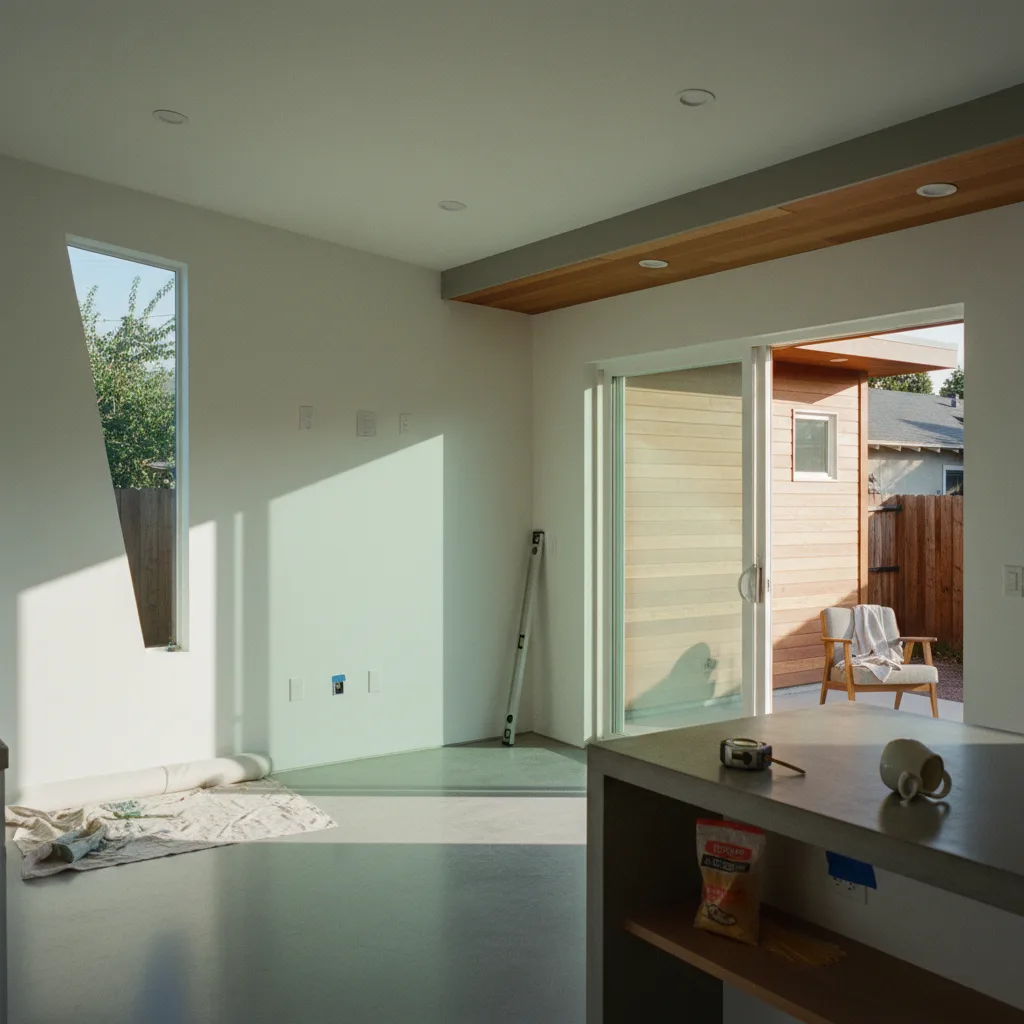
Building a detached Accessory Dwelling Unit (ADU) in Los Angeles costs between $220,000 and $450,000 in 2026, with a median project price of approximately $335,000 for a 750-square-foot unit. The total expenditure can start lower, in the $125,000 to $190,000 range, but these figures typically represent garage conversions or Junior ADUs (JADUs) with existing foundations and structures, not new ground-up construction. These numbers reflect all-in costs, including design, permits, and construction for a mid-range project.
In a Nutshell
- Total Cost Range: $125,000 for a basic garage conversion to over $600,000 for a custom, two-story detached ADU in a high-cost neighborhood.
- Mid-Range Project: $310,000, $380,000 for a new 700 to 800-square-foot, one-bedroom detached ADU with standard finishes.
- Project Timeline: Eight to fourteen months from the start of architectural design to receiving a certificate of occupancy from the Los Angeles Department of Building and Safety (LADBS).
- Biggest Surprise Line Item: Utility connections. Fees and trenching for a new sewer line and electrical service from the Los Angeles Department of Water and Power (LADWP) frequently add $18,000 to $30,000, an amount often underestimated in initial quotes.
What does an ADU actually cost in Los Angeles?
The cost per square foot for an ADU in Los Angeles is driven by the project type, site complexity, and quality of finishes. A garage conversion uses an existing structure, placing it at the low end of the cost spectrum, while new construction carries higher costs for foundation, framing, and utility infrastructure.
| Project Tier | Cost per Sq. Ft. | Total Cost (750 sq. ft. unit) | Common Scope |
|---|---|---|---|
| Basic (Garage Conversion) | $225, $350 | $168,750, $262,500 | Existing foundation, standard-grade finishes, vinyl flooring, laminate countertops, basic fixtures. |
| Mid-Range (New Construction) | $425, $550 | $318,750, $412,500 | New foundation, engineered wood floors, quartz countertops, semi-custom cabinets, upgraded insulation. |
| Premium (Custom Build) | $600, $800+ | $450,000, $600,000+ | Custom architectural design, high-end appliances, custom cabinetry, vaulted ceilings, extensive site work. |
For a typical mid-range, 750-square-foot new construction ADU in Los Angeles, the budget allocation is approximately:
- Structure & Framing: 25%
- Labor: 20%
- Interior Finishes & Fixtures: 15%
- Foundation & Site Work: 12%
- Exterior Finishes (Roofing, Siding): 10%
- Mechanical, Electrical & Plumbing (MEP): 10%
- Soft Costs (Design, Engineering, Permits): 8%
The bottom-of-range projects under $200,000 almost exclusively involve converting existing garages. This avoids the significant costs of a new concrete foundation, full structural framing, and extensive utility trenching required for detached new builds.
Why is it more expensive in Los Angeles than surrounding regions?
Three primary factors contribute to the high cost of building a Los Angeles ADU compared to other parts of Southern California.
1. Labor Rates: The cost of skilled labor is the single largest driver. According to the California Department of Industrial Relations prevailing wage data for Los Angeles County, hourly rates for residential construction trades are among the highest in the state. A journeyman electrician can command $70, $95 per hour, and a plumber $75, $100 per hour. These high base rates, combined with workers' compensation insurance and contractor overhead, result in a significant portion of the total project budget being allocated to labor.

2. Permitting Complexity and Fees: While state laws like AB 68 have streamlined ADU approvals, navigating the Los Angeles Department of Building and Safety (LADBS) remains a complex and costly process. Plan check fees, inspection costs, and potential requirements from other agencies like the Bureau of Engineering can accumulate., strict adherence to California's Title 24 energy code requires specific materials and systems for heating, cooling, and insulation, adding several thousand dollars to material costs.
3. Neighborhood Premiums and Site Conditions: The cost to build varies significantly by neighborhood. An ADU contractor in Los Angeles will charge more for projects in areas like Santa Monica, Mar Vista, or Studio City due to logistical challenges like limited street parking for crews, restricted work hours, and higher client expectations. many LA properties have challenging site conditions. Hillside lots in areas like Silver Lake or the Hollywood Hills require expensive soil reports, retaining walls, and deeper foundations, which can add $30,000 to $80,000 to site work costs alone. Seismic retrofitting requirements for garage conversions also add a layer of expense not present in many other regions.
What do real Los Angeles homeowners spend in 2026?
Three modeled project scenarios for 2026, built from the Renology Cost Index and typical local scopes. These are illustrative estimates, not completed client projects:
1. Sherman Oaks Garage Conversion: $145,000
A 400-square-foot studio ADU was created from a detached two-car garage. The project involved reinforcing the existing foundation, framing interior walls, running new plumbing and electrical from the main house, and adding a bathroom and kitchenette. The homeowner chose mid-grade finishes to control costs, intending to use the unit as a long-term rental. The primary challenge was upgrading the home's main electrical panel to support the new unit, a cost of $4,500.
2. Eagle Rock Detached ADU: $360,000
This 700-square-foot, one-bedroom unit was built on a moderately sloped lot behind the main residence. The cost included significant site work, with $25,000 allocated for grading and a small retaining wall. The homeowner used one of LA's Ready-to-Issue (RTI) Standard Plans to reduce architectural design time. The all-in cost reflects a new foundation, full utility connections managed by LADWP, and builder-grade finishes intended for housing an elderly parent.
3. Culver City Two-Story ADU: $525,000
To maximize space on a small lot, this project involved a 950-square-foot ADU built above a new, detached two-car garage. The complexity of the two-story structure required extensive structural engineering and a more solid foundation. The higher cost reflects premium finishes, including custom cabinetry, high-end appliances, and a solar panel array to meet energy standards. This project represents the upper end of the market, designed to generate premium rental income.
Where does the money actually go?
3 Los Angeles ADU builders, editor-screened. 4 questions.
See my 3 matchesMany initial quotes from contractors focus on the core structure, leaving homeowners unprepared for thousands in necessary but often unlisted expenses. A complete budget for a Los Angeles ADU must account for these items:
- Geotechnical and Soils Report: Required for most new construction, especially on hillsides. Cost: $2,500, $5,000.
- Structural Engineering: For new foundations, second-story additions, or seismic retrofitting of existing structures. Cost: $6,000, $15,000.
- LADBS and Other Agency Fees: Plan check, permit issuance, and inspection fees. Cost: $7,000, $18,000.
- LADWP Utility Connection Fees: Separate from the physical work, these are the fees paid to the utility for new water and power meters. Cost: $10,000, $25,000.
- Trenching for Utilities: The labor and equipment to dig trenches from the street or main house to the ADU for water, sewer, gas, and electrical lines. Cost: $8,000, $12,000.
- Title 24 Energy Compliance Report: A required analysis showing the building meets California's energy efficiency standards. Cost: $800, $1,500.
- Landscaping and Hardscaping: Restoring the yard after construction, including irrigation, sod, and any required patios or walkways. Cost: $5,000, $20,000.
- Asbestos or Lead Paint Abatement: For garage conversions in structures built before 1980. Cost: $2,000, $7,000.
What stops a Los Angeles ADU from running over budget?
Even with a detailed budget, projects can exceed initial estimates. The most common causes for budget overruns on ADU projects in Los Angeles are:
1. Unforeseen Site Conditions: During excavation for the foundation or utility trenches, contractors may discover issues like expansive clay soil, large rock formations, or a high water table. These problems require engineering solutions, such as deeper footings or specialized drainage systems, which were not part of the original bid.
2. Scope Creep and Change Orders: A homeowner deciding to upgrade from laminate to quartz countertops or add a skylight mid-project will generate a change order. While each change seems small, the cumulative effect of several change orders for materials and the associated labor can add ten to twenty percent to the final cost.
3. Permitting and Inspection Delays: If LADBS requires revisions to the architectural plans or an inspection fails, the project timeline is extended. This results in added costs from the contractor for project management and can trigger price escalation clauses for materials if the delay is significant. The National Association of Home Builders recommends a ten to fifteen percent contingency on renovations in homes over thirty years old. For new construction like an ADU, a contingency of at least ten percent is a prudent measure to absorb these potential costs.
A detailed breakdown of the LADBS process can be found in our Los Angeles ADU Permit Playbook for 2026. This guide provides a step-by-step checklist for navigating the city's requirements.
What should your Los Angeles contractor include in the quote?
A thorough bid from an experienced adu contractor los angeles should be itemized and comprehensive. Ensure the following line items are explicitly included in any proposal you sign:
- Detailed Scope of Work
- Site Preparation, Grading, and Excavation
- Foundation and Concrete Work
- Framing (Lumber and Labor)
- Roofing and Gutters
- Exterior Siding and Trim
- Windows and Exterior Doors
- Plumbing, Electrical, and HVAC Rough-in
- Insulation and Weatherproofing
- Drywall Installation and Finishing
- Interior Painting
- Flooring Installation
- Cabinetry and Countertops
- Final Installation of Fixtures (Plumbing, Electrical, Appliances)
Renology Take
The central challenge for Los Angeles homeowners building an ADU is the gap between state-level legislative intent and hyper-local execution. Sacramento passes laws like AB 68 and AB 970 to make ADUs easier, faster, and cheaper to build. Homeowners read these headlines and form an expectation of a streamlined, predictable process. The reality on the ground, however, is dictated by the specific procedures of the Los Angeles Department of Building and Safety and the Los Angeles Department of Water and Power. The friction is not in the concept but in the details: plan check backlogs, inspector availability, and the opaque, costly process of establishing new utility services. The most successful ADU projects are not just well-built; they are managed by contractors who have deep, practical experience navigating LA's specific bureaucratic landscape. Underestimating the cost and time required for these non-construction phases is the most common and costly mistake a homeowner can make.
Sources & Methodology
Renology reviews public permit and labor signals, supplier pricing, remodeler quote patterns, comparable projects, the Renology Cost Index, and the Renology Methodology. Cost references are planning ranges for Los Angeles ADU projects, not fixed bids.
- Remodeling Magazine: 2025 Cost vs. Value Report (Pacific Region)
- California Department of Industrial Relations, Los Angeles County Prevailing Wage Data (2026)
- Los Angeles Department of Building and Safety (LADBS), ADU Permit Data (2025)
- National Association of Home Builders (NAHB), Construction Cost Survey (2025)
- Homewyze, Los Angeles ADU Cost Calculator (2026)
- UCLA Lewis Center for Regional Policy Studies, "The State of the ADU Market" (2025 Report)
- Renology Project of the Day Network, Los Angeles Metro Data (2024-2026)
Frequently Asked Questions
How long does it take to build an ADU in Los Angeles?
Can I use a pre-approved or standard plan for my Los Angeles ADU?
What is the financial return on an ADU in Los Angeles?
Do I have to pay impact fees for my LA ADU?
How much does a garage conversion ADU cost in Los Angeles?
Ready to find a pro?
Tell us about your project and location. A Renology advisor can help you explore contractor matching.
Free for homeowners. No obligation to hire.
Find a ProSources
- Remodeling Magazine: 2025 Cost vs. Value Report (Pacific Region)
- California Department of Industrial Relations, Los Angeles County Prevailing Wage Data
- Los Angeles Department of Building and Safety (LADBS), ADU Permit Data
- National Association of Home Builders (NAHB), Construction Cost Survey
- Homewyze, Los Angeles ADU Cost Calculator
- UCLA Lewis Center for Regional Policy Studies, "The State of the ADU Market"
- Renology Project of the Day Network, Los Angeles Metro Data
Follow Renology on Google
Choose Renology as a preferred source and our guides show up more often in your Google results, including Top Stories and AI Overviews.