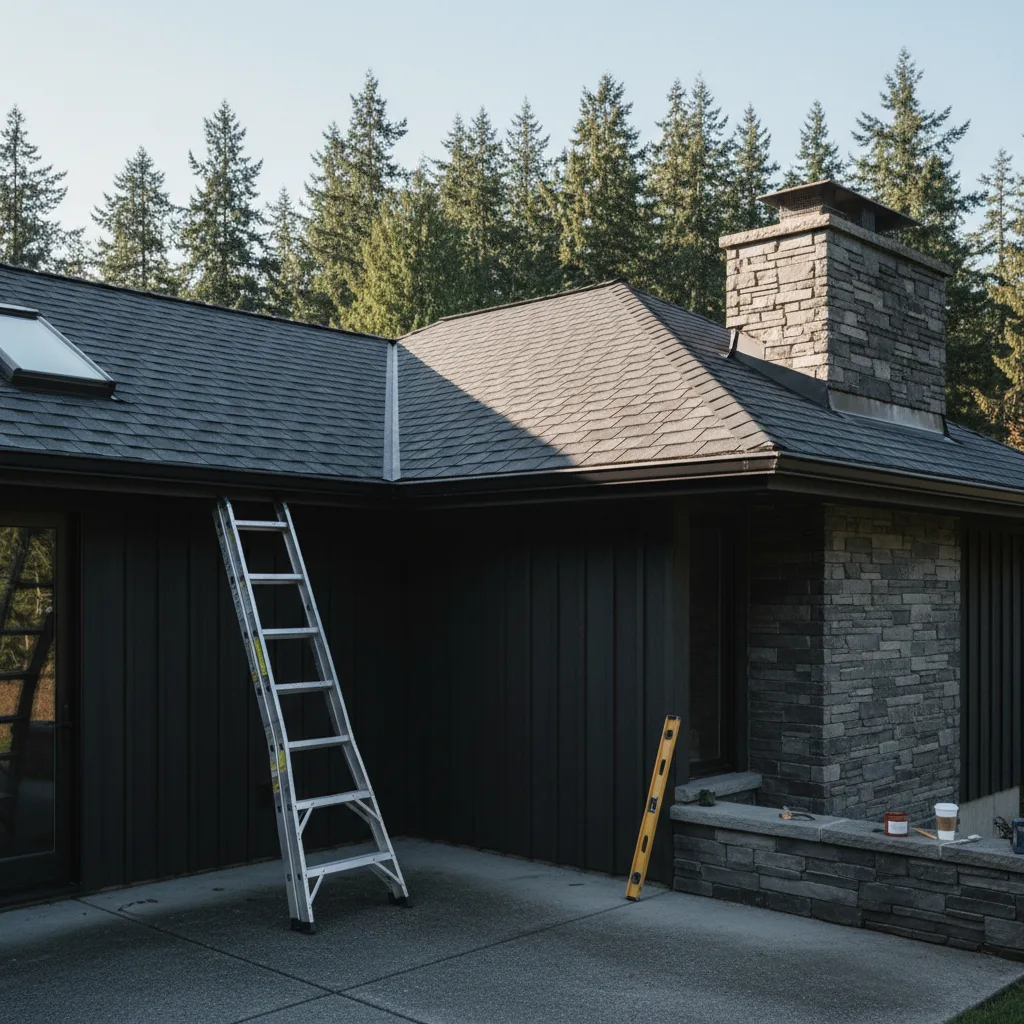
Planning a roof replacement in Bellevue? A full project typically runs $14,000 to $22,000 in 2026. Basic architectural shingle jobs start near $8,400, while premium materials or complex rooflines can push costs past $26,000. This is what your budget actually covers, what drives the price up, and how to vet a contractor who understands Bellevue's relentless weather.
The Honest 2026 Price for Roofing in Bellevue
Let's get the numbers on the table. Here at Renology, we track real contractor invoices, not just national averages. For a standard, 2,000-square-foot home in the Bellevue area, a full roof replacement is a significant investment. The market in 2026 shows a clear range, with most homeowners landing squarely in the middle tier. Understanding where your project fits depends entirely on the scope, materials, and the condition of what lies beneath your current shingles.
The biggest mistake a homeowner can make is fixating on the cost per square foot. A roof isn't just a single layer of shingles; it's a complex system of decking, underlayment, flashing, and ventilation. In a climate that delivers 38 inches of rain a year, often sideways, every component of that system matters. Cutting corners on one part compromises the whole, turning a 30-year roof into a 10-year problem.
Editor's note
These costs assume a full tear-off and replacement. A "roof-over," where new shingles are installed over an existing layer, is cheaper but almost always a bad idea in the Pacific Northwest. It traps moisture, hides potential rot in the sheathing, and voids most manufacturer warranties. A reputable contractor will rarely recommend it.
What Drives Roofing Costs in Bellevue
See what a roofing project actually costs in your Bellevue zip.
Take 4 questions →Four key factors determine your final invoice: the crew's time, the materials you choose, the paperwork required by the city, and the unique challenges of building in our corner of the world. Ignoring any one of these is how budgets get broken.
Labor: The Skill Premium
In the Seattle metro area, skilled labor isn't cheap, and for good reason. A top-tier roofing crew isn't just laying shingles. They are experts in water management. They understand how to properly flash around chimneys, skylights, and valleys where 90 percent of leaks occur. This work demands precision and experience with our region's specific building styles. The cost reflects not just the installation time but the liability and craftsmanship required to offer a meaningful warranty against constant moisture. Expect labor to account for 50 to 60 percent of your total project cost.
Materials: Beyond the Shingle
The material conversation starts with the primary roofing, but it doesn't end there. The cost escalates as you move up the quality ladder.
- Architectural Asphalt Shingles: The workhorse of Bellevue. Good for 25 to 30 years. Brands like GAF and CertainTeed dominate the market. They offer a great balance of cost, durability, and aesthetics.
- Metal Roofing (Standing Seam): A significant price jump, but with a 50+ year lifespan. It's fantastic for shedding rain and pine needles, but requires specialized installation crews. The clean, modern look is popular in new construction.
- Composite/Synthetic Slate or Shake: Mimics the look of natural materials without the maintenance headache or weight. It's a premium choice for homes where architectural style is paramount.
Beneath the surface, costs add up. High-performance synthetic underlayment, ice and water shield in critical areas, new ventilation baffles, and drip edges are non-negotiable line items for a long-lasting roof in this climate.
Regional Factors: The "Atmospheric River" Tax
Building on the Eastside comes with unique environmental pressures. The constant dampness encourages moss growth, which can lift shingles and trap water. The freeze-thaw cycles in the Cascade foothills, though mild, put stress on flashing and sealants. And the sheer volume of rain means that every single seam, nail, and penetration point is a potential failure point. Contractors who work here know this. Their pricing includes the specific materials and techniques, like six-nail patterns and solid underlayments, needed to build a roof that can withstand decades of PNW weather.
Bellevue Roofing by Tier: 3 Real Project Examples
To make the numbers tangible, we've broken down three common project scopes we see across Bellevue. These are based on a typical 2,000 square foot, single-story rambler with a moderately sloped roof. Your costs will vary based on roof pitch, complexity, and home size.
| Tier | Scope of Work | Cost Range (2026) | Timeline |
|---|---|---|---|
| Cosmetic Refresh | Tear-off of a single layer of old shingles. Replacement of up to two sheets of damaged plywood sheathing. Installation of standard architectural asphalt shingles and new felt underlayment. Basic ridge vent replacement. | $8,400 - $14,000 | 3 - 5 days |
| Mid-Range Standard | Full tear-off. Replacement of up to five sheets of plywood. Installation of premium architectural shingles with a limited lifetime warranty. High-performance synthetic underlayment and ice/water shield at all eaves and valleys. New flashing for all penetrations (chimney, vents, skylights). Upgraded ventilation system. | $14,000 - $22,000 | 5 - 8 days |
| Premium Architectural | Full tear-off and inspection of roof structure. Installation of a standing seam metal or high-end composite slate roof. All new sheathing may be required for weight or fastener compatibility. Custom copper or color-matched flashing. Comprehensive soffit and ridge vent system for maximum airflow. Often includes new gutter installation. | $26,000 - $40,000+ | 1 - 2 weeks |
Permits and Local Code in Bellevue
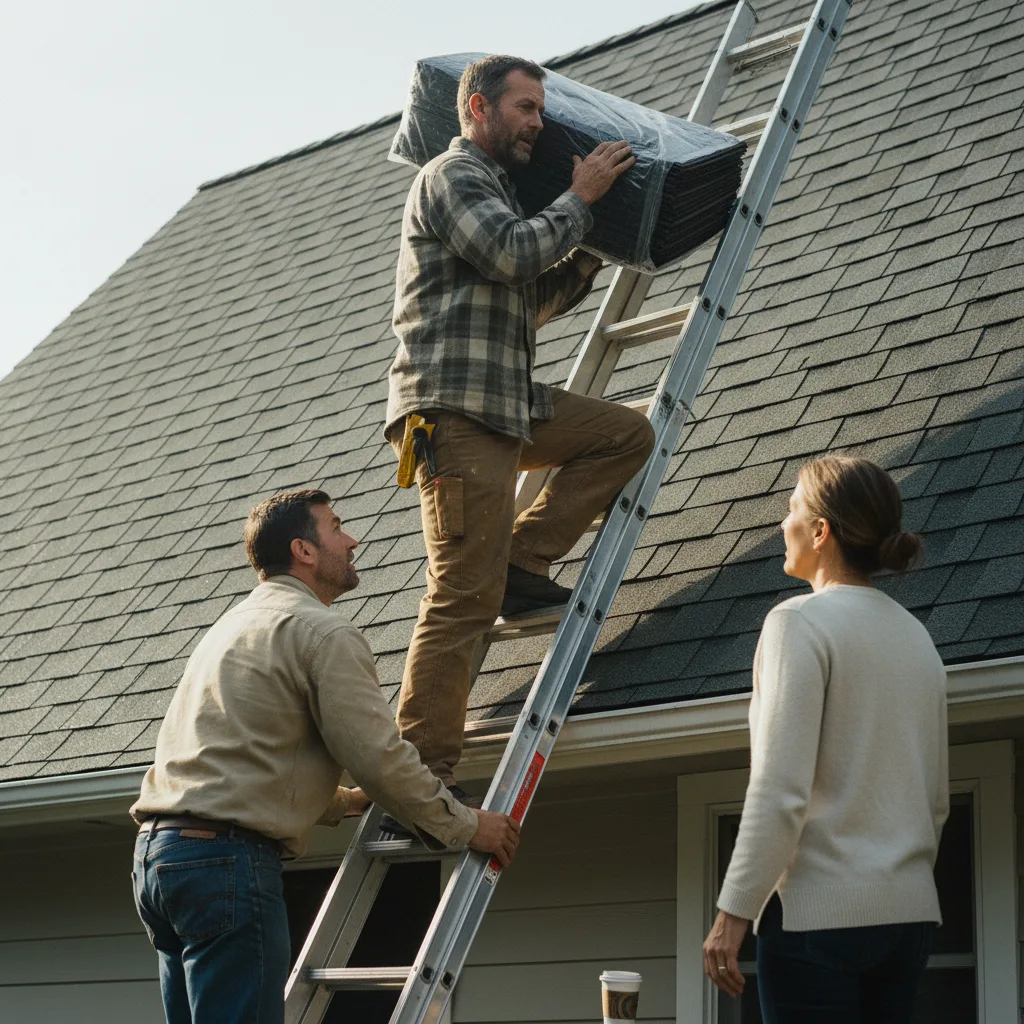
Any roofing project in Bellevue involving a tear-off requires a permit from the city's Development Services Department. This is not just a revenue generator for the city; it's a critical consumer protection step. The permit process ensures that the work is inspected and meets the safety and weather-resistance standards set by local and state building codes.
Navigating Bellevue Title 23
Your contractor will handle the permit application, but it's good to know what they're filing for. The city's building codes, particularly those outlined in the Bellevue Land Use Code (LUC), or Title 23, have specific requirements for roof assemblies. For example, they dictate minimum roof ventilation standards to prevent moisture buildup and ice damming, and specify the types of fasteners and underlayment required for our wind and rain loads. An inspector will visit the site at least once, typically after the old roof is removed and the new underlayment is down, to verify the sheathing is sound and the initial water barrier is correctly installed.
Pro tip
Ask your contractor for the permit number once it's issued. You can use this number on the city's public permit portal to track the status and see the results of any inspections. It's a simple way to verify that the job is proceeding correctly and by the book.
The Bellevue Neighborhoods Where Roofing Costs Diverge
Not all Bellevue roofs are created equal. A project's cost and complexity can change dramatically from one neighborhood to the next based on home age, architectural style, and lot conditions. Two examples make this clear: Medina and Lakemont.
Medina: Architectural Integrity and Complex Rooflines
In Medina, you'll find large, custom-designed homes, many with complex, multi-gabled rooflines, low slopes, and premium materials like slate, copper, or cedar shake. A roofing project here is less about production speed and more about meticulous craftsmanship. The contractor must protect expensive landscaping and hardscaping during tear-off. Flashing details around massive chimneys or custom skylights are intricate. The cost here is driven up by the need for specialized crews, the higher price of architectural materials, and the sheer square footage of the roof itself. It's not uncommon for a roof replacement in Medina to easily exceed $50,000 or more.
Lakemont: Steep Slopes and Tree Cover
Head up into the hills of Lakemont, and you face a different set of challenges. Many homes are built on steep grades, which complicates access for crews and equipment, adding to labor costs. The heavy tree canopy means roofs are constantly bombarded with pine needles, leaves, and branches. This makes durable, slick surfaces like metal or algae-resistant shingles a smart long-term investment. The shade and moisture also mean that solid ventilation is absolutely critical to prevent moss buildup and attic condensation. Contractors pricing a job in Lakemont will factor in additional safety precautions for the steep pitch and more time for debris management.
I was on a walkthrough for a project in Lakemont last fall, just after a big windstorm. The homeowner’s primary issue wasn't a leak, but the sheer volume of fir needles and debris clogging the valleys of his 15-year-old architectural shingle roof. The granules had been scoured off in key channels, and moss was starting to lift the edges. The replacement job we discussed focused heavily on a better gutter guard system and a smooth-surfaced composite shingle that would shed debris more easily. It's a perfect example of how the specific micro-environment of your property should dictate material choice, not just aesthetics.
Timeline: Realistic Week-by-Week Expectations
Once your materials are on-site and the permit is in hand, the active construction phase is surprisingly fast. However, the total project timeline from your first call to a contractor to the final cleanup is much longer. A realistic schedule is the best defense against renovation anxiety.
A roof is a system designed for a wet climate. The shingles are just the visible part of that system.
- Weeks 1-2: Research and Bidding. This is your time to vet at least three contractors, check their references, and compare detailed, itemized bids. Don't rush this step.
- Week 3: Contract and Material Selection. You'll sign with your chosen contractor and finalize material choices, from the shingle color to the vent style. The contractor will then order everything.
- Weeks 4-6: Permitting and Scheduling. The contractor submits plans to Bellevue Development Services. Permit review can take a couple of weeks. Once the permit is approved, you'll be placed on the crew's schedule. This can be weather-dependent.
- Week 7: The Project Begins. This is when the dumpster and materials arrive.
- Day 1: Site prep and tear-off. The crew protects your landscaping and begins removing the old roofing material.
- Day 2-3: Sheathing and Underlayment. They inspect the roof deck, replace any damaged plywood, and lay down the new synthetic underlayment and ice/water shield. This is usually when the city inspection happens.
- Day 4-6: Installation. The new shingles, flashing, and vents are installed. This is the most labor-intensive part of the job.
- Day 7: Finishing and Cleanup. The crew installs ridge caps, cleans the gutters, and performs a meticulous magnetic sweep of your yard to pick up stray nails. Final inspection and walkthrough.
How to Vet a Bellevue Contractor
Finding a great roofer is about more than just a good price. You're hiring a partner to protect your most valuable asset. A thorough vetting process is essential.
Key Questions to Ask
When you interview potential contractors, go beyond "how much will it cost?"
- "Are you a certified installer for the shingle brand you are proposing?" Manufacturer certifications often come with better warranty options.
- "Can you provide the name of your supplier? I'd like to confirm your account is in good standing." This helps ensure they won't have trouble getting materials.
- "What is your specific protocol for site protection and cleanup?" Get details on how they'll protect your plants, windows, and driveway.
- "How do you handle unforeseen issues, like discovering multiple layers of old roofing or extensive rot in the decking?" A good contractor will have a clear change order process outlined in the contract.
- "Who will be the on-site project manager, and how often will they communicate with me?" Knowing your point of contact is crucial.
Red Flags to Watch For
Some warning signs are subtle, others are not. Walk away from any contractor who:
- Offers a very low bid that is significantly cheaper than the others. This often means they've left something out or are using substandard materials.
- Pressures you to sign a contract on the spot with a "today only" discount.
- Is vague about the specific materials they will use. The bid should list brand names and product lines for shingles, underlayment, and all major components.
- Asks for a large upfront deposit. A small deposit to secure a spot on the schedule is normal (10 percent), but you should not pay the bulk of the cost until the materials are delivered.
- Cannot provide a current copy of their Washington state contractor's license and proof of liability and workers' compensation insurance. Verify their license status on the L&I website.
Important
Insurance is non-negotiable. If an uninsured worker gets injured on your property, you could be held liable. Ask for the insurance certificate and call the provider to confirm the policy is active before you sign anything.
Renology Take
As the editor covering structures built to withstand the elements, I see homeowners make the same mistake repeatedly. They treat a roof replacement like buying a product off a shelf. They focus on the shingle color and the 30-year warranty, but they miss the bigger picture. A roof in Bellevue is not a product; it’s a custom-built water management system. The most common point of failure isn’t a defective shingle, it’s a poorly installed piece of flashing around a vent pipe. The critical detail most people overlook is the quality of the installation itself. Your budget is better spent on a superior crew installing a mid-grade architectural shingle than on a mediocre crew installing a premium one. Pay for the expertise in waterproofing, not just the materials. That's the key to a roof that actually lasts 30 years in our relentlessly wet climate.
Sources & Methodology
These cost ranges are reconstructed from publicly available labor and permit data, the latest Remodeling Magazine cost-vs-value report, and Renology's own Project of the Day network, a rolling sample of real homeowner invoices we collect from Bellevue-area contractors. Last refreshed April 2026.
- National Association of Home Builders (NAHB) Remodeling Market Index, Q1 2026
- Washington State Department of Labor & Industries (L&I), King County Prevailing Wage Data, 2026
- City of Bellevue Development Services, Permit Data, 2026
- Remodeling Magazine, 2026 Cost vs. Value Report (Seattle, WA)
- Renology Project of the Day Network, aggregated 2026 contractor invoices in Bellevue
- GAF Corporation, 2026 Pro-Contractor Market Analysis
- CertainTeed, Pacific Northwest Regional Material Cost Index, 2026
Methodology
How Renology estimates roofing costs in Bellevue.
Renology treats this page as a planning benchmark for Bellevue, Washington, not a final quote. We compare published local guide data, contractor scope patterns, permit-sensitive work, climate or site constraints, and finish-level assumptions.
Cost range
$14,000-22,000
Timeline
1-2 weeks
Source type
Editorial dataset
Local factor: Pacific Northwest cool-wet (Köppen Csb): 38 inches annual rain, mild summers, frost-free winters near sea level.
Use these numbers to shape a scope and spot missing line items. Confirm permits, structural work, electrical, plumbing, gas, waterproofing, drainage, and code-sensitive details with the local building department and a licensed professional.
Compare against the full Renology Cost IndexBellevue · pre-screened
Get 3 Bellevue roof bids in 48 hours.
Our editors already vetted Bellevue roofers. Answer 4 questions and we send 3 written bids inside 48 hours, with the real price for your scope, not their inflated first-call number.
- Free, no commission
- Pre-screened locally
- Bids inside 48 hours
Takes about 60 seconds. We'll text you when bids arrive.