
A full kitchen remodel in Los Angeles has a typical cost range of $66,000 to $110,000. This scope generally includes a complete gut and replacement of cabinets, countertops, appliances, flooring, and fixtures in a standard-sized kitchen. The lower end of this range, however, often applies to smaller-scale projects, such as a cosmetic refresh in a condo or a project with builder-grade materials and no changes to the existing layout. For projects involving wall removal, significant plumbing or electrical relocation, or high-end custom finishes, costs can extend well beyond this range.
The median cost for a kitchen remodel in Los Angeles is $88,000, according to the Renology Cost Index (updated 2026-05). This figure accounts for a comprehensive project in a single-family home, including labor, materials, and permits. Budgets are heavily influenced by local labor rates, stringent building codes, and material choices specific to Southern California design trends.
In a Nutshell: Los Angeles Kitchen Remodel Costs
- Typical All-In Cost Range: $66,000, $110,000 (Renology Cost Index, updated 2026-05).
- Median Project Cost: $88,000.
- Typical Timeline: 14 to 32 weeks from initial design to final inspection.
- Primary Cost Drivers: Labor rates (45-50% of budget), seismic and energy code compliance, Los Angeles Department of Building and Safety (LADBS) permit fees, and cabinet selection.
- Value Recouped at Sale: 65% to 80%, based on the scope and quality of the renovation (Remodeling Magazine, 2026).
The Typical Los Angeles Kitchen Remodel: Scope and Spend
The $66,000 to $110,000 price range reflects a complete remodel of a 200- to 250-square-foot kitchen, a common size in many Los Angeles homes. This project scope typically involves a full demolition down to the studs. It includes new semi-custom cabinetry, quartz or natural stone countertops, a tile backsplash, a new sink and faucet, and a mid-range appliance package (refrigerator, range, dishwasher, microwave hood). The budget also allocates for new electrical wiring to support modern appliances and meet current codes, including dedicated circuits and GFCI outlets. Plumbing work covers replacing supply lines and drains in their existing locations. New flooring, such as luxury vinyl tile or engineered hardwood, and a professional paint job for walls, ceiling, and trim are also standard inclusions. This scope assumes no major layout changes, such as moving walls or relocating plumbing across the room, which would significantly increase costs. The figures from the Renology Cost Index are designed to represent this specific, common project type, providing a baseline for homeowner budgeting for a kitchen in Los Angeles.
Why Los Angeles Kitchens Cost More Than the National Median
Several factors contribute to the higher cost of kitchen remodels in Los Angeles compared to regional or national figures. The primary driver is labor cost. According to the California Department of Industrial Relations prevailing wage data for Los Angeles County, skilled tradespeople command premium rates. For example, journey-level electricians can earn $55 to $75 per hour, and licensed plumbers can charge $60 to $85 per hour, before contractor overhead and profit are added. These rates are substantially higher than in many other metropolitan areas. Material costs are also improved due to supply chain logistics in a dense urban environment and high local demand., the regulatory environment in California is among the strictest in the nation. Compliance with Title 24 energy efficiency standards and local seismic safety ordinances adds direct costs for specific materials, engineering, and inspection processes. Contractors must carry higher levels of general liability and workers' compensation insurance, the costs of which are passed on to the client. The sheer volume of construction activity in the region also creates a competitive market for qualified labor, further supporting higher prices for any kitchen contractor in Los Angeles.
Cost Breakdown: Where the Money Goes
Understanding the allocation of funds in a Los Angeles kitchen remodel is critical for effective budget management. While material selections can cause significant variance, a typical mid-range project budget breaks down into predictable categories. Based on data from the National Kitchen & Bath Association (NKBA), adapted for the Los Angeles market, the largest single expenditure is cabinetry and hardware, consuming 30% to 35% of the total budget. Labor and installation, covering all trades from demolition to final finishes, accounts for the next largest portion, typically 20% to 25%. The appliance package, including ventilation, represents 15% to 20%. Countertops, a key aesthetic and functional element, make up around 10% of the cost. The combined cost for plumbing and electrical work, including fixtures and new lighting, ranges from 8% to 10%. Flooring, paint, and other finishes constitute 5% to 7%. Finally, design fees, architectural plans, and city permit fees from LADBS typically account for the remaining 3% to 5% of the project cost. Homeowners should note that this breakdown does not include a contingency fund, which is a separate and necessary budget line item.
Three Representative Kitchen Projects in Los Angeles (2026)
Three representative projects from 2026, scoped similarly, reconstructed from Renology's Project of the Day network and used here in aggregate form:
- $72,000 in Sherman Oaks: This project involved the renovation of a 180-square-foot kitchen in a 1960s ranch house. The layout remained the same to control costs. The homeowners opted for IKEA cabinet boxes paired with semi-custom fronts from a third-party vendor. Countertops were a mid-grade quartz, and the appliance package was from a brand like Bosch. The existing oak floors were refinished. The project required electrical upgrades to add GFCI outlets and a dedicated microwave circuit, necessitating a permit from LADBS, but no plumbing was relocated. The cost reflects efficient project management and material choices that prioritize durability and style without entering the luxury tier.
- $98,000 in Silver Lake: The renovation of a 220-square-foot kitchen in a 1920s Spanish-style bungalow. This project included semi-custom shaker cabinets, quartzite countertops, and a higher-end appliance package. The original layout was slightly modified to improve workflow, which required rerouting a section of the main plumbing drain and moving the gas line for the range. This triggered more extensive permit requirements, including a seismic gas shutoff valve installation. The project also involved uncovering and repairing termite damage in a subfloor, a common issue in older homes, which was covered by the owner's contingency fund.
- $145,000 in Mar Vista: This project was a gut remodel of a 300-square-foot kitchen as part of a larger open-concept living space conversion. A load-bearing wall between the kitchen and dining room was removed, requiring a structural engineer's report, a steel beam installation, and significant seismic upgrades to the foundation connections and shear walls. The budget included fully custom rift-sawn white oak cabinetry, marble countertops, and a professional-grade appliance suite (Sub-Zero, Wolf). The scope also included new windows, extensive LED lighting compliant with Title 24, and wide-plank European oak flooring to match the rest of the great room. This cost is above the typical range and illustrates how structural changes and luxury materials escalate project budgets.
Neighborhood Nuances: Remodeling in Silver Lake vs. Mar Vista
The character and age of Los Angeles neighborhoods directly influence kitchen remodel scope and cost. In Eastside areas like Silver Lake or Highland Park, homes are often older (1920s-1940s) with smaller, enclosed kitchens. Remodels here frequently involve significant systems upgrades; bringing knob-and-tube wiring or galvanized plumbing up to modern code is a common and costly necessity. Preserving historical details, like original window casings or archways, can also add to labor costs. In contrast, Westside neighborhoods like Mar Vista or Culver City are dominated by mid-century post-war housing stock. These homes often have slightly larger kitchen footprints, and the primary goal of a remodel is frequently to create an open-concept space by removing walls, which introduces structural and seismic engineering costs. Proximity to the coast also means material selection is key; contractors may recommend finishes and hardware resistant to corrosion from salt air. In the San Fernando Valley, neighborhoods like Sherman Oaks and Studio City feature larger ranch-style homes. The kitchens are often more spacious to begin with, meaning material quantities for cabinets and countertops are higher, directly impacting the budget. A kitchen contractor in Los Angeles with experience in a specific neighborhood's housing stock can better anticipate these unique challenges.
Information Gain: The Hidden Costs of Title 24 and Seismic Upgrades
3 Los Angeles kitchen remodelers, editor-screened. 4 questions.
See my 3 matchesMany initial quotes for Los Angeles kitchens focus on visible elements like cabinets and countertops, but the most significant budget surprises often come from mandatory, non-aesthetic code compliance. Two areas are consistently underestimated by homeowners: California's Title 24 energy code and local seismic safety requirements. Title 24, Part 6 of the California Energy Code, as interpreted by the California Energy Commission, dictates strict standards for kitchen renovations. All new lighting must be high-efficacy, which almost always means LED. At least one lighting control must be a vacancy sensor or dimmer. Kitchen ventilation fans must meet specific airflow (CFM) and sound (sone) ratings. Achieving compliance is not merely about choosing the right products; it can necessitate new wiring, ducting, and careful planning to pass inspection. A contractor's failure to account for this upfront can lead to costly rework. Similarly, seismic upgrades are a major factor. If a project involves moving or altering a gas line for a new range, the Los Angeles Municipal Code often mandates the installation of an automatic seismic gas shutoff valve. If any walls are removed or reconfigured, a simple kitchen remodel can trigger a requirement for structural analysis and the addition of shear walls or reinforced foundation connections to bring that portion of the home up to current earthquake safety standards. These life-safety upgrades are non-negotiable and can add $5,000 to $15,000 or more to a project, a cost frequently omitted from preliminary estimates.
Selecting a Kitchen Contractor in Los Angeles
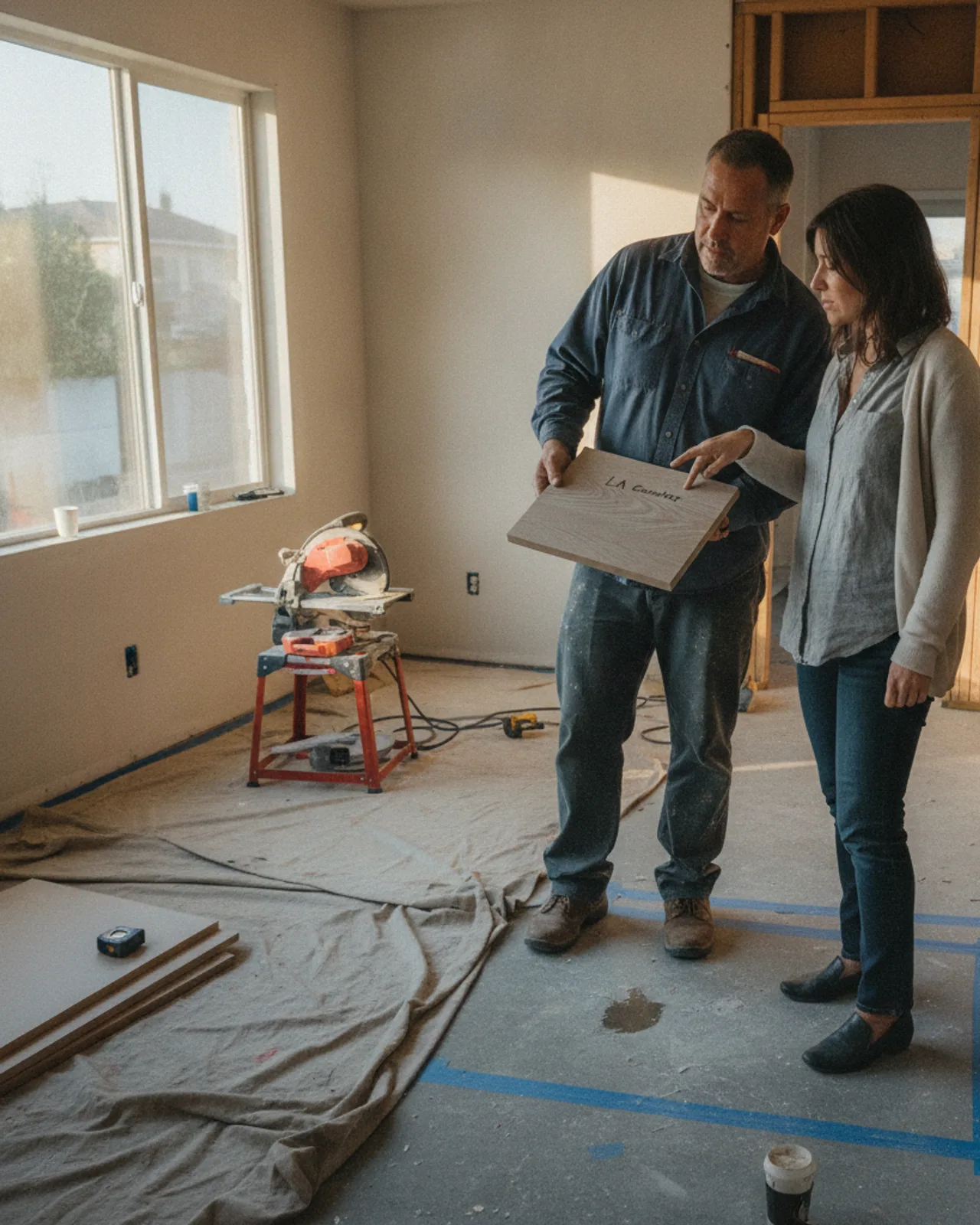
Choosing the right kitchen contractor in Los Angeles is the most critical decision a homeowner will make. The first step is verifying credentials. Any contractor performing work valued at over $500 must have a valid license from the Contractors State License Board (CSLB). For a kitchen remodel, this is typically a B-General Building Contractor license. Homeowners should verify the license status online and check for any disciplinary actions. Next, confirm insurance. The contractor must provide proof of both general liability insurance (to cover property damage) and workers' compensation insurance (to cover injuries to their crew). Ask for the insurance certificates directly from the insurer. A reputable contractor will have a portfolio of completed Los Angeles kitchens and a list of recent client references. Call these references and ask about communication, budget adherence, and problem resolution. When reviewing bids, look for detailed itemization. A vague, one-page quote is a red flag. A professional proposal will break down costs for labor, materials, permits, and specify allowances for items like tile and fixtures. For a detailed walkthrough of the paperwork, see our Los Angeles kitchens permit playbook for 2026. Finally, ensure the contract document is thorough, specifying a payment schedule, project timeline, and a clear process for handling change orders.
Permitting a Kitchen Remodel with LADBS
Navigating the permit process with the Los Angeles Department of Building and Safety (LADBS) is a required step for nearly all significant kitchen remodels. A permit is not required for cosmetic work like painting, refacing cabinets, or replacing countertops in the same location. However, a permit is mandatory if the project involves altering the structure (moving walls), reconfiguring the layout of plumbing fixtures, or adding or moving electrical wiring and outlets. A typical kitchen project requires a combination of permits: building, electrical, plumbing, and sometimes mechanical (for a new range hood and ducting). The process begins with the submission of detailed plans to LADBS for review. This plan check phase can take anywhere from four to twelve weeks, depending on the complexity of the project and the department's workload. Once plans are approved and the permit is issued, work can begin. During construction, an LADBS inspector will visit the site at several key milestones, such as after rough plumbing and electrical are installed but before the walls are closed up (a rough inspection), and again upon completion (a final inspection). Passing these inspections is necessary to legally complete, or "finalize," the permit. This process ensures the work was performed safely and according to current building codes.
Timeline: How Long Does a Kitchen Remodel Take in L.A.?
The timeline for a kitchen remodel in Los Angeles extends far beyond the period of active construction. Homeowners should anticipate a multi-phase process that can last from three to eight months. Phase one is Design and Planning, which typically takes four to eight weeks. This includes hiring a contractor or designer, finalizing the layout, selecting all materials (cabinets, countertops, appliances, tile, flooring), and having professional plans drafted. Phase two, Permitting, often runs concurrently with the end of the design phase but can be a significant bottleneck. Submitting plans to LADBS and waiting for approval can take four to twelve weeks. Delays can occur if the plans require corrections and resubmission. Phase three is Demolition and Construction, the most visible part of the project, which lasts six to twelve weeks for a standard kitchen. This includes demolition, framing, rough-in for electrical and plumbing, inspections, drywall, cabinet and countertop installation, flooring, painting, and final installation of fixtures and appliances. The total duration from the first design meeting to the final inspection can realistically be fourteen to thirty-two weeks. Factors like custom material lead times, inspector availability, and unforeseen site conditions can extend this timeline further.
Managing Budget Overruns and Scope Creep
Even with a detailed contract, budget overruns are a significant risk in any remodel. The most effective tool for managing this is a dedicated contingency fund. The National Association of Home Builders recommends a ten to fifteen percent contingency on renovations in homes over thirty years old. For a $90,000 kitchen remodel, this means setting aside an additional $9,000 to $13,500. This fund is not for upgrades; it is reserved for unforeseen problems discovered after demolition, such as hidden water damage, outdated wiring that must be replaced, or asbestos-containing materials that require professional abatement. Scope creep is the other primary cause of budget increases. This occurs when the homeowner decides to add or change elements of the project after work has begun. The best way to manage this is through a formal change order process. Any deviation from the original contract should be documented in a written change order that clearly states the additional cost and the impact on the project schedule. Both the homeowner and contractor must sign this document before the new work is performed. This process prevents misunderstandings and ensures that all parties are aware of the financial implications of their decisions.
Resale Value: The Financial Return on a Los Angeles Kitchen
A kitchen remodel is a significant cost, and homeowners rightly consider its impact on property value. While it is one of the most desirable upgrades for potential buyers, it is not a one-to-one cost return. According to the 2026 Cost vs. Value Report from Remodeling Magazine, which provides data for the Los Angeles-Long Beach-Glendale metro area, the financial return is substantial but partial. For a mid-range major kitchen remodel with a hypothetical cost of $85,000, the report estimates a resale value increase of approximately $65,000. This represents a cost recoupment of 76.5%. For an upscale major kitchen remodel, costing around $165,000, the added resale value is closer to $105,000, for a 63.6% return. These figures demonstrate a law of diminishing returns for luxury upgrades. The primary financial benefit is not profit, but rather improved marketability and a faster sale. A newly remodeled kitchen can be the deciding factor for a buyer choosing between two otherwise similar properties. The main value, however, remains the homeowner's own use and enjoyment of the improved space during their time in the home.
The Renology Take
The most misunderstood aspect of a kitchen remodel in Los Angeles is that the project is rarely confined to the kitchen's four walls. Due to the city's aging housing stock and some of the nation's most rigorous building codes, a kitchen renovation frequently acts as a trigger for mandatory, system-wide upgrades. The cost of bringing 1940s electrical, 1950s plumbing, and pre-1980s structural elements into compliance with 2026 standards for energy (Title 24) and seismic safety can easily rival the cost of the cabinets and countertops. Homeowners naturally fixate on aesthetic choices and material finishes, which are tangible and exciting. However, a significant portion of a Los Angeles kitchen budget is consumed by non-negotiable, non-visible infrastructure improvements mandated by LADBS inspectors. The most successful projects are those where the homeowner understands and budgets for this compliance-driven work from the outset.
Sources & Methodology
See the Renology Methodology for how sources are reviewed, ranges are normalized, and planning-data limits are handled.
Cost ranges in this guide draw on the following named industry sources, public agency datasets, and Renology editorial research.
- Renology Cost Index, Los Angeles Metro (2026-05)
- Remodeling Magazine, 2026 Cost vs. Value Report (2026-02)
- California Department of Industrial Relations, Prevailing Wage Determinations (2026-01)
- National Association of Home Builders (NAHB), Remodeling Market Index (Q1 2026)
- National Kitchen & Bath Association (NKBA), 2026 Market Outlook (2026-01)
- Los Angeles Department of Building and Safety (LADBS), Building Code Manual (2025-11)
- California Energy Commission, Title 24, Part 6 Building Energy Efficiency Standards (2025)
- U.S. Census Bureau, Monthly Construction Spending (2026-04)
- Contractors State License Board (CSLB), State of California (2026)
- Los Angeles Department of Water and Power (LADWP) (2026)
This article is from The Renology Magazine, the renovation magazine and contractor-advisory for homeowners in Southern California, San Diego, and Greater Seattle. Want more renovation breakdowns? Search "The Renology Magazine" on Google.
Frequently Asked Questions
How much should I budget for kitchen appliances in Los Angeles?
What are the most popular countertop materials in LA and what do they cost?
Can I save money with IKEA cabinets for my LA kitchen remodel?
Do I need an architect or a designer for a kitchen remodel in Los Angeles?
How does a design-build firm differ from a general contractor?
What are the costs associated with moving a gas line for a stove?
How much does it cost to remodel a small galley kitchen in an LA condo?
What is the best time of year to start a kitchen remodel in Los Angeles?
Los Angeles · pre-screened
Get 3 Los Angeles kitchen bids in 48 hours.
Our editors already vetted Los Angeles kitchen remodelers. Answer 4 questions and we send 3 written bids inside 48 hours, with the real price for your scope, not their inflated first-call number.
- Free, no commission
- Pre-screened locally
- Bids inside 48 hours
Takes about 60 seconds. We'll text you when bids arrive.
Sources
- Renology Cost Index, Los Angeles Metro
- Remodeling Magazine, 2026 Cost vs. Value Report
- California Department of Industrial Relations, Prevailing Wage Determinations
- National Association of Home Builders (NAHB), Remodeling Market Index
- National Kitchen & Bath Association (NKBA), 2026 Market Outlook
- Los Angeles Department of Building and Safety (LADBS), Building Code Manual
- California Energy Commission, Title 24, Part 6 Building Energy Efficiency Standards
- U.S. Census Bureau, Monthly Construction Spending
- Contractors State License Board (CSLB), State of California
- Los Angeles Department of Water and Power (LADWP)