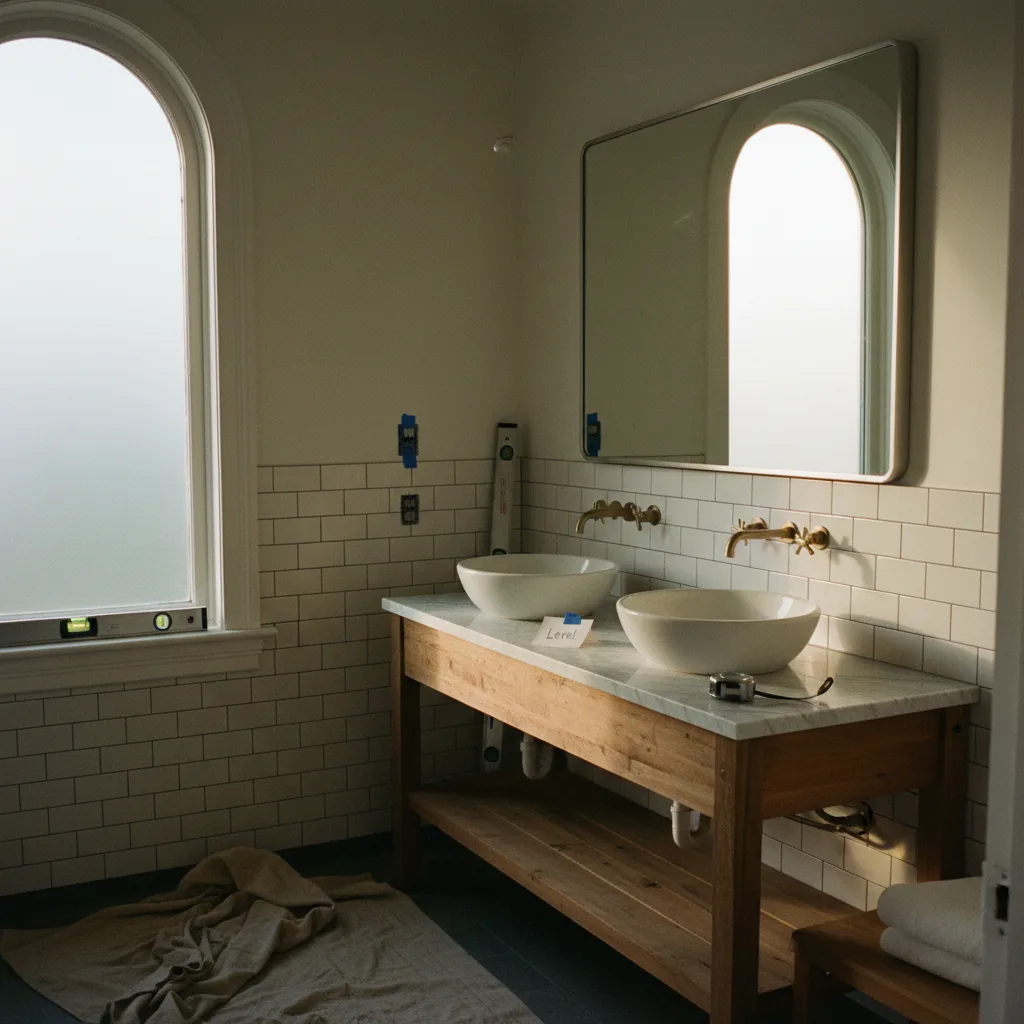
A full bathroom remodel in San Francisco costs between $39,000 and $65,000 for a mid-range project in 2026. Premium or primary suite renovations often exceed $120,000. These figures reflect the city's high labor rates and the complexities of its housing stock. A cosmetic refresh in a newer condominium, which involves replacing fixtures and surfaces without altering plumbing or electrical layouts, can start lower, typically in the $28,000 to $40,000 range. According to Remodeling Magazine's 2026 Cost vs. Value report, the resale value recouped is approximately 54% for a mid-range project in the Pacific region.
In a Nutshell
- Total Cost Range: $28,000 to $120,000+
- Mid-Range Project: $39,000, $65,000
- Typical Timeline: Five to nine weeks
- Biggest Surprise Line Item: Labor, which can account for 45% to 55% of the total project cost, significantly higher than the national median.
What does a bathroom remodel actually cost in San Francisco?
Project costs in San Francisco are tiered based on the scope of work, material quality, and whether layouts are changed. The following table outlines three common project levels. The bottom-of-range case, often cited in national guides, typically represents a cosmetic refresh in a modern condominium and does not reflect the common scenario of a full gut renovation in an older single-family home.
| Tier | Cost Range (2026) | Scope & Materials |
|---|---|---|
| Basic (Refresh) | $28,000, $45,000 | Cosmetic updates in a small to mid-sized bathroom (under 60 sq. ft.). Includes new paint, pre-fabricated vanity, standard fixtures, new toilet, and budget-friendly tile (ceramic or porcelain). No changes to plumbing or electrical layout. |
| Mid-Range (Full Remodel) | $55,000, $85,000 | Full gut renovation of a 60, 100 sq. ft. bathroom. Includes semi-custom vanity, natural stone countertops, mid-grade fixtures, new bathtub or shower conversion with glass enclosure, and potentially moving some plumbing lines. Includes new lighting and ventilation. |
| Premium (Expansion / Relocation) | $90,000, $120,000+ | Major renovation of a primary bathroom (100+ sq. ft.). Includes custom cabinetry, high-end stone or quartz, luxury fixtures (e.g., steam shower, freestanding tub), significant layout changes requiring extensive plumbing and electrical rerouting, and premium finishes. May involve moving walls. |
For a typical mid-range San Francisco bathroom remodel costing $52,000, the budget allocation is approximately:
- Labor: 50% ($26,000)
- Cabinetry & Vanity: 15% ($7,800)
- Fixtures (tub, toilet, sinks): 12% ($6,240)
- Tile & Countertops: 10% ($5,200)
- Plumbing & Electrical: 8% ($4,160)
- Permits & Other Finishes: 5% ($2,600)
Why is it more expensive in San Francisco than the rest of the Bay Area?
Three factors drive the premium for San Francisco bathrooms: labor costs, logistical challenges, and building code complexity.
1. Labor Rates: The single largest driver is the cost of skilled labor. According to the California Department of Industrial Relations prevailing wage data for San Francisco County, hourly rates for journeyman plumbers, electricians, and carpenters are among the highest in the nation. This reflects the high cost of living, union density, and demand for qualified tradespeople who can work on the city's unique and often challenging housing stock.

2. Logistical and Site Constraints: The city's density creates significant logistical hurdles. Limited street parking for work vehicles, restricted hours for construction noise, and the difficulty of moving materials and debris through multi-unit buildings or up narrow staircases add hours, and therefore cost, to the project. Staging materials and setting up a worksite can be a complex task that adds to the general contractor's overhead.
3. Building Stock and Regulatory Hurdles: A large portion of San Francisco's homes predate modern building codes. Renovations frequently trigger requirements for seismic upgrades, electrical panel updates, or plumbing replacements to bring the systems up to current standards enforced by the San Francisco Department of Building Inspection (SFDBI). Projects in neighborhoods with historic homes like Pacific Heights or Noe Valley can require additional review and specialized labor, further increasing costs.
What do real San Francisco homeowners spend in 2026?
Three modeled project scenarios for 2026, built from the Renology Cost Index and typical local scopes. These are illustrative estimates, not completed client projects:
1. Noe Valley Guest Bathroom ($68,000): A full gut remodel of a 75-square-foot bathroom in a 1920s home. The project involved replacing all plumbing back to the main stack, upgrading knob-and-tube wiring, and adding a new exhaust fan vented to the exterior. The owners selected a semi-custom vanity, quartz countertop, and porcelain tile. The cost included SFDBI permits and addressing minor wood rot discovered behind the old shower wall.
2. Mission Bay Condominium Bathroom ($41,000): A cosmetic and functional update to a 60-square-foot bathroom in a 15-year-old building. The layout remained the same. Work included a new pre-fabricated vanity, replacing the acrylic tub/shower combo with a tiled walk-in shower and glass door, new fixtures, a new toilet, and new floor tile. Since no plumbing was moved, the permit was less complex and labor hours were lower.
3. Sea Cliff Primary Suite ($112,000): A high-end renovation and expansion of a primary bathroom from 90 to 120 square feet by incorporating an adjacent closet. This project featured a custom-built double vanity, a freestanding soaking tub, a large steam shower with frameless glass, and natural stone tile throughout. It required significant plumbing and electrical rerouting, a new dedicated circuit, and structural work to remove the non-load-bearing wall, all contributing to the higher cost.
Where does the money actually go?
3 San Francisco bathroom remodelers, editor-screened. 4 questions.
See my 3 matchesInitial quotes from a bathroom contractor in San Francisco often focus on the visible finishes. The following items are frequently underestimated or excluded from preliminary bids but are critical to the final budget.
- Permit Fees: Plans, filings, and inspections with the SFDBI can range from $2,500 to $5,000, depending on project complexity.
- Hazardous Material Abatement: Testing and removal of asbestos (common in drywall and flooring from before 1980) or lead paint can add $1,500 to $7,000.
- Plumbing and Electrical Upgrades: Bringing galvanized pipes or old wiring up to code is not optional. This can cost $4,000 to $12,000 if significant portions of the system need replacement.
- Structural Repairs: Discovering dry rot or termite damage in floor joists or wall studs behind the tile is common in older homes. Repairs can range from $3,000 to $10,000 or more.
- Waterproofing: A high-quality, modern waterproofing system for the shower (like Schluter-KERDI) costs more than traditional methods but is essential for longevity. Expect $1,000 to $2,500 for materials and labor.
- Debris Haulage: The cost of removing and legally disposing of construction debris in San Francisco is high, typically running $1,000 to $2,500.
- Ventilation Upgrades: Installing a new, properly vented exhaust fan where none existed can cost $800 to $2,000, including ductwork and roof or wall penetration.
What stops a San Francisco bathroom project from running over budget?
Three primary issues cause budget overruns in San Francisco bathroom renovations. First is the discovery of unforeseen conditions, such as rot, pests, or faulty plumbing hidden in the walls of older homes. Second is scope creep, where homeowners add or change elements after the project has started. Third are material and fixture selections that end up being more expensive than the initial allowance.
A well-defined scope of work is the best defense. The National Association of Home Builders recommends a ten to fifteen percent contingency on renovations in homes over thirty years old. In San Francisco, a contingency of fifteen to twenty percent is more prudent given the age of the housing stock.
How do I get the right permits for my project?
Navigating the San Francisco Department of Building Inspection requires careful planning. Nearly all bathroom remodels, except for direct fixture-for-fixture swaps, require a permit. Understanding which permits are needed and having architectural plans ready can prevent significant delays. For a complete walkthrough, see our guide: San Francisco Bathroom Permit Playbook 2026.
What should your San Francisco contractor include in the quote?
A detailed quote prevents misunderstandings. Ensure your bathroom contractor in San Francisco provides a line-item bid that includes the following:
- Detailed scope of work
- Demolition and debris removal plan
- Cost of all permits and fees
- Framing or structural modifications
- Plumbing work, including specific fixtures and fittings
- Electrical work, including lighting, outlets, and switches
- HVAC work for ventilation fan
- Waterproofing system specifications
- Tile and stone installation, including grout and sealant
- Cabinetry and countertop installation
- Installation of all fixtures, mirrors, and accessories
- Drywall, painting, and finishing
- Project management fees
- A clear payment schedule and warranty information
Sources & Methodology
See the Renology Methodology for how sources are reviewed, ranges are normalized, and planning-data limits are handled.
Cost ranges in this guide draw on the following named industry sources, public agency datasets, and Renology editorial research.
- Remodeling Magazine, 2026 Cost vs. Value Report (Pacific Region) (2026)
- San Francisco Department of Building Inspection (SFDBI), Permit Fee Schedule (2026)
- California Department of Industrial Relations, Prevailing Wage Determinations (San Francisco County) (2026)
- National Association of Home Builders (NAHB), Remodeling Market Index (Q1 2026)
- National Kitchen & Bath Association (NKBA), Annual Design Trends Report (2026)
- Renology Project of the Day (POTD) Network, San Francisco Metro Data (2025-2026)
Renology Take
The primary miscalculation homeowners make when budgeting for a San Francisco bathroom is anchoring to national cost averages or television show renovations. These figures are irrelevant in a city with some of the highest labor costs, most challenging logistical constraints, and oldest housing stock in the country. The true cost of a San Francisco bathroom is not in the tile or the tub; it is in the skilled, licensed, and insured labor required to correctly deconstruct a century-old space and rebuild it to meet some of the world's most stringent building and seismic codes. Underestimating the labor component and the budget for unforeseen structural or system upgrades is the most common path to a stalled project and significant budget overruns.
Frequently Asked Questions
How much value does a bathroom remodel add in San Francisco?
Do I need a permit for a simple bathroom refresh in San Francisco?
How long does a full bathroom gut remodel take in San Francisco?
What is the biggest hidden cost when remodeling an old San Francisco bathroom?
Can I save money by sourcing my own materials?
Ready to find a pro?
Tell us about your project and location. A Renology advisor can help you explore contractor matching.
Free for homeowners. No obligation to hire.
Find a ProSources
- Remodeling Magazine, 2026 Cost vs. Value Report (Pacific Region)
- San Francisco Department of Building Inspection (SFDBI), Permit Fee Schedule
- California Department of Industrial Relations, Prevailing Wage Determinations (San Francisco County)
- National Association of Home Builders (NAHB), Remodeling Market Index
- National Kitchen & Bath Association (NKBA), Annual Design Trends Report
- Renology Project of the Day (POTD) Network, San Francisco Metro Data
Follow Renology on Google
Choose Renology as a preferred source and our guides show up more often in your Google results, including Top Stories and AI Overviews.