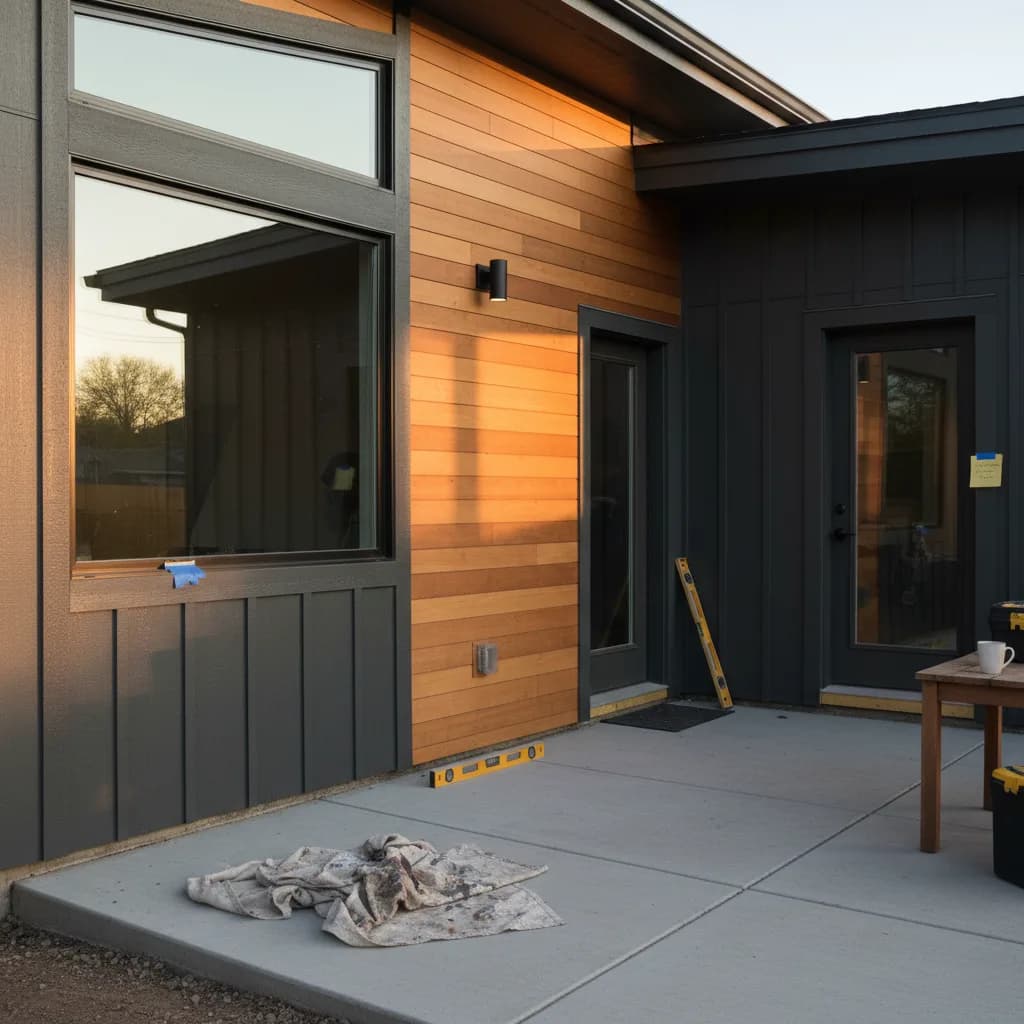
The era of uniform, horizontal lap siding is officially over in the Mile High City. For siding in Denver, 2026 is defined by texture, resilience, and verticality. We're seeing a fundamental shift away from monolithic suburban facades toward dynamic, high-performance exteriors that can withstand Colorado's demanding climate. More than half of the new builds we surveyed in Cherry Creek North now feature a mix of at least three distinct siding materials and profiles, a clear departure from the single-material look that defined the last decade.
For 2026, the key siding trends in Denver focus on climate resilience and bold aesthetics. Homeowners are choosing vertical fiber cement panels, dark, moody color palettes, and mixed-material facades that blend engineered wood with metal accents. This shift prioritizes durability against hail and UV exposure while moving away from traditional, uniform horizontal lap siding.
In a Nutshell
- The Umbrella Theme: High-Performance Authenticity. Exteriors are now expected to be as durable as they are expressive, blending natural textures with engineered resilience against Denver's specific climate challenges like hail and intense sun.
- The Big Three Trends: Vertical Panelization, Mixed-Material Facades, and Dark, Saturated Colors.
- What's Being Replaced: Monolithic horizontal lap siding in light neutral colors (think endless beige and gray), vinyl siding on higher-end remodels, and purely decorative (non-functional) trim.
- What's Next: Fully integrated exterior systems where siding, insulation, and water-resistive barriers are specified as a single performance package. Look for more panelized systems and thermally broken mounting hardware to become standard.
Understanding Siding Cost in Denver in 2026
Discussing the cost of new siding involves more variables than nearly any other exterior project. While a simple vinyl refresh on a small ranch home can start lower, a comprehensive project involving removal of old siding, new insulation, and premium materials on a two-story home in Washington Park will command a significantly different budget. For a typical 2,000-square-foot home, most homeowners find their siding cost in Denver falls between $18,000 and $45,000 for a full replacement with popular materials like fiber cement.
Several key factors drive this range:
- Material Choice: Entry-level vinyl is the most affordable, while premium fiber cement, engineered wood, and metal systems represent the upper end.
- Labor Intensity: The complexity of the home's architecture, the number of stories, and the level of detail work required can significantly impact labor hours.
- Scope of Work: A simple overlay is cheaper than a full tear-off that includes new house wrap, insulation, and potential repairs to the underlying sheathing.
- Labor Rates: Skilled labor is a major component of the final price. According to the Colorado Department of Labor and Employment, Denver-Aurora-Lakewood MSA data, experienced siding installers are in high demand, which is reflected in their wages.
Three modeled project scenarios for 2026, built from the Renology Cost Index and typical local scopes. These are illustrative estimates, not completed client projects:
- The Highlands Tudor Refresh ($22,500): This project involved removing aging wood siding from the second story and replacing it with James Hardie panel and batten siding in a deep charcoal, keeping the original brick on the first floor. The scope included new trim around ten windows.
- The Stapleton Full Exterior ($38,000): A complete residing of a 2,400-square-foot home. The owners chose a mix of horizontal lap and vertical V-groove fiber cement siding, adding a small section of Boral TruExterior nickel gap siding as an accent around the entryway.
- The Cherry Hills Custom Build ($65,000+): This new construction featured a complex facade using Nichiha architectural wall panels, clear-sealed cedar accents under the soffits, and custom-fabricated standing seam metal panels on a prominent architectural feature.
Budgeting for the unexpected is critical, especially on older homes. The National Association of Home Builders recommends a ten to fifteen percent contingency on renovations in homes over thirty years old. This covers potential issues like discovering rot or pest damage once the old siding is removed.
8 Key Siding Trends for Denver in 2026
3 Denver siding contractors, editor-screened. 4 questions.
See my 3 matchesThe conversation around Denver siding has moved past simple curb appeal. Today, it’s about a blend of rugged performance and sophisticated design that reflects the city's unique position between the mountains and the plains.
1. Vertical is the New Horizontal
The single most dominant trend is the shift in orientation. Vertical siding, particularly in panel and batten or narrow V-groove profiles, creates a modern aesthetic that makes homes appear taller and more grounded. Showrooms like Pro-Build and ABC Supply in Denver report that orders for vertical profiles from brands like James Hardie and LP SmartSide have more than doubled since 2023. You can see this look taking over new builds and major renovations in neighborhoods like Berkeley and Sunnyside. This trend is likely to mature into more complex patterns, like mixing vertical and horizontal orientations on different masses of the same house.
2. The Return of Natural Wood (Engineered)
While the look of natural wood is timeless, the maintenance isn't. Homeowners are embracing engineered wood alternatives that offer the warmth and character of cedar or redwood without the constant need for staining and sealing. Products like Accoya, a modified pine with incredible durability, and the wood-look grains on LP SmartSide are gaining huge traction. We're seeing these specified for accent walls, soffits, and covered entryways in areas like Sloan's Lake. The next phase will be engineered wood products that allow for darker, more stable stain colors that don't fade under the intense Colorado sun.
3. Dark, Moody Palettes Dominate
The era of pale gray and beige is fading fast. Deep, saturated colors like charcoal, olive green, and near-black are the new standard for sophisticated exteriors. These colors create a dramatic backdrop for natural landscaping and wood accents. Paint and siding manufacturers have responded with new formulations that include solar-reflective pigments to reduce heat absorption, a key innovation for our sunny climate. This trend is particularly visible in Wash Park and Cory-Merrill, where classic homes are being updated with bold, modern color schemes. We expect to see these dark colors paired with warm, soft lighting (think 2700K LEDs) to create inviting exteriors.
4. Mixed-Material Facades are Standard
A monolithic, single-material exterior now looks dated. The designer-led approach is to treat a home's facade as a composition, using different materials to highlight architectural forms. A typical project in the Highlands might combine dark vertical fiber cement as the primary field, with warm engineered wood around the entry and smooth metal panels defining a modern dormer. This approach breaks up a home's mass and adds significant visual interest. A majority of plans submitted for custom homes now specify at least two, and often three, different siding materials. This isn't a fleeting trend; it's the new baseline for thoughtful exterior design.
5. Hail-Resistant Materials are Non-Negotiable
This isn't a style trend so much as a market reality. After years of record-breaking hail seasons, impact resistance is a primary consideration for any siding project in Denver. Fiber cement siding (like James Hardie) and engineered wood (like LP SmartSide) are overwhelmingly favored for their ability to withstand hail that would shred vinyl or dent aluminum. This focus on resilience is a key driver in material selection across the entire Front Range, from Highlands Ranch to Boulder. As climate patterns continue to shift, expect to see even more innovation in impact-resistant coatings and composite materials.
6. Smooth Metal Accents
Once reserved for roofing, standing seam metal is now a popular choice for accent walls, awnings, and dormer cheeks. Typically specified in a matte black or dark bronze finish, it provides a crisp, low-maintenance counterpoint to the texture of fiber cement or wood. It’s a durable, non-combustible material, making it a smart choice for homes near open spaces, a growing concern for homeowners in the wildland-urban interface. We're seeing this used to great effect on modern farmhouses in Stapleton and contemporary new builds in LoHi. The trend will likely evolve toward more use of corrugated and custom-profile metal panels for larger sections of the facade.
7. Insulated Siding for High-Altitude Performance
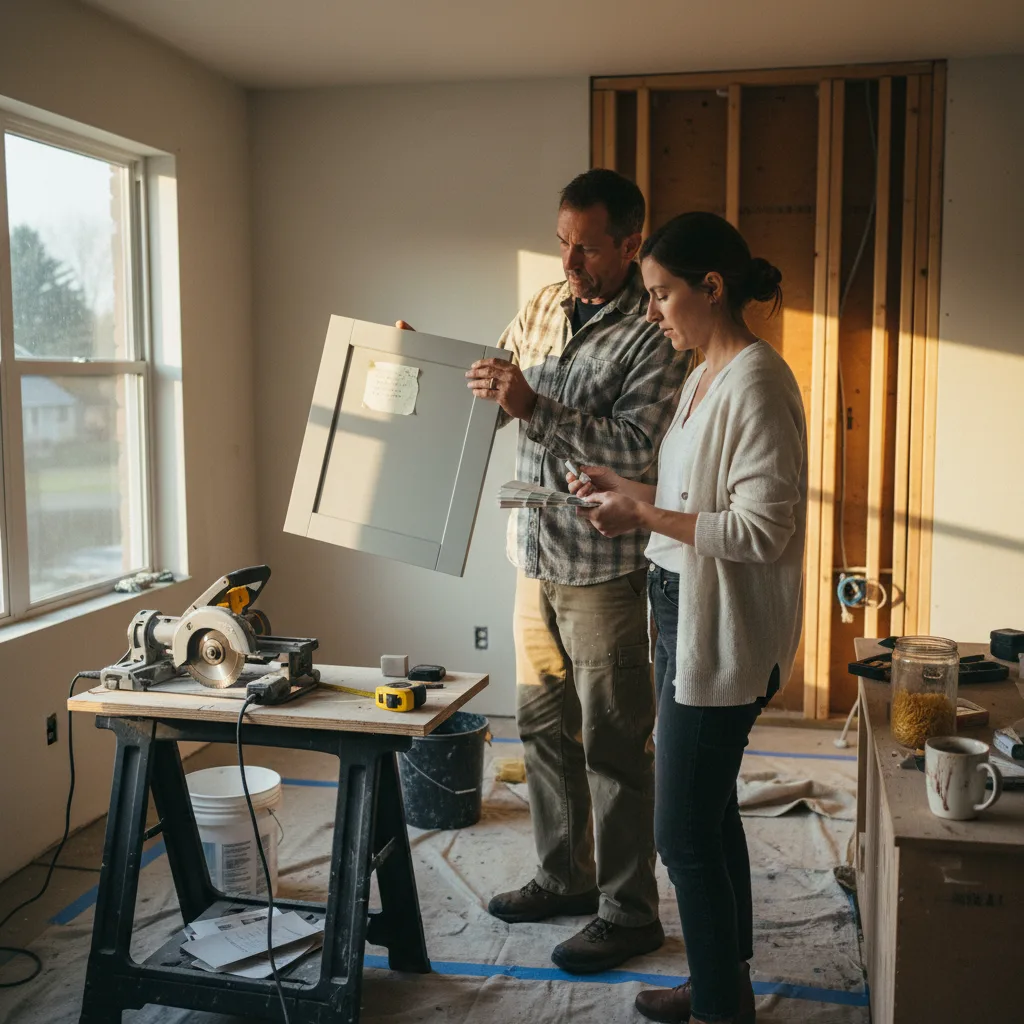
Energy efficiency is a top priority, and insulated siding is a practical way to boost a home's R-value without a full wall tear-down. Products that feature a layer of rigid foam insulation laminated directly to the siding panel create a thermal break, reducing energy loss and improving interior comfort. While vinyl has offered this for years, premium manufacturers are now offering insulated versions of their fiber cement and composite products. For homeowners in older Denver neighborhoods with less-insulated wall cavities, this provides a two-for-one benefit of a new look and lower energy bills. This is less about aesthetics and more about smart, long-term performance.
8. The End of Monolithic Design
Tying all these trends together is a broader movement away from simple, flat facades. Architects and builders are using bump-outs, recessed entries, and varied rooflines to create more dynamic building forms. The siding choices follow suit, with materials changing at inside corners and floor lines to articulate this complexity. This isn't just about adding trim; it's about using the siding itself to express the home's three-dimensional form. This architectural approach, seen in new developments across the metro area, demands a more thoughtful siding strategy and is a clear sign that exterior design is being given the same attention as kitchens and baths.
Choosing Your Siding Contractor in Denver
Selecting the right materials is only half the battle. The performance of any siding system is heavily dependent on the quality of the installation. A reputable siding contractor in Denver will be well-versed in the specific requirements for our climate, including proper water-resistive barrier integration and fastening schedules that account for high winds. When vetting contractors, ask for proof of insurance, local references you can visit, and specific experience with the materials you're considering. Ensure any quote you receive itemizes the full scope of work, from tear-off and disposal to trim, soffit, and fascia work. For a detailed overview of the legal and procedural steps, consult our comprehensive Denver siding permit playbook for 2026. A well-defined contract is your best protection against scope creep and unexpected costs.
Sources & Methodology
See the Renology Methodology for how sources are reviewed, ranges are normalized, and planning-data limits are handled.
Cost ranges in this guide draw on the following named industry sources, public agency datasets, and Renology editorial research.
- Renology Project of the Day (POTD) Field Interviews, Denver Metro (2025-2026)
- Colorado Department of Labor and Employment, Denver-Aurora-Lakewood MSA Occupational Employment and Wage Statistics (2025)
- Remodeling Magazine, Cost vs. Value Report (2026)
- National Association of Home Builders (NAHB) Housing Market Index (Q1 2026)
- Interviews with Denver-area siding suppliers (ABC Supply, Pro-Build) (Q2 2026)
- Denver Department of Community Planning and Development, Permit Submission Data (2025)
Renology Take
What connects these disparate trends, from vertical panels in Berkeley to hail-proof composites in Highlands Ranch? It’s a collective move toward what we’re calling ‘Designed Resilience.’ For years, Denver homeowners had to choose between the durable but often uninspired options suited for our harsh climate and the more refined aesthetics seen in milder regions. That compromise is over. The 2026 trends show a market that is finally demanding, and getting, both. Materials technology has caught up to our design ambitions. The result is a new regional vernacular: exteriors that are tough, smart, and texturally rich, reflecting a city that values both its rugged outdoor identity and its growing design sophistication.
Frequently Asked Questions
What siding material is best for the Denver climate?
How long does a siding replacement project take in Denver?
Is new siding a good investment for my Denver home?
Do I need a permit for residing my house in Denver?
Denver · pre-screened
Get 3 Denver siding bids in 48 hours.
Our editors already vetted Denver siding contractors. Answer 4 questions and we send 3 written bids inside 48 hours, with the real price for your scope, not their inflated first-call number.
- Free, no commission
- Pre-screened locally
- Bids inside 48 hours
Takes about 60 seconds. We'll text you when bids arrive.
Sources
- Renology Project of the Day (POTD) Field Interviews, Denver Metro
- Colorado Department of Labor and Employment, Denver-Aurora-Lakewood MSA Occupational Employment and Wage Statistics
- Remodeling Magazine, Cost vs. Value Report
- National Association of Home Builders (NAHB) Housing Market Index
- Interviews with Denver-area siding suppliers (ABC Supply, Pro-Build)
- Denver Department of Community Planning and Development, Permit Submission Data