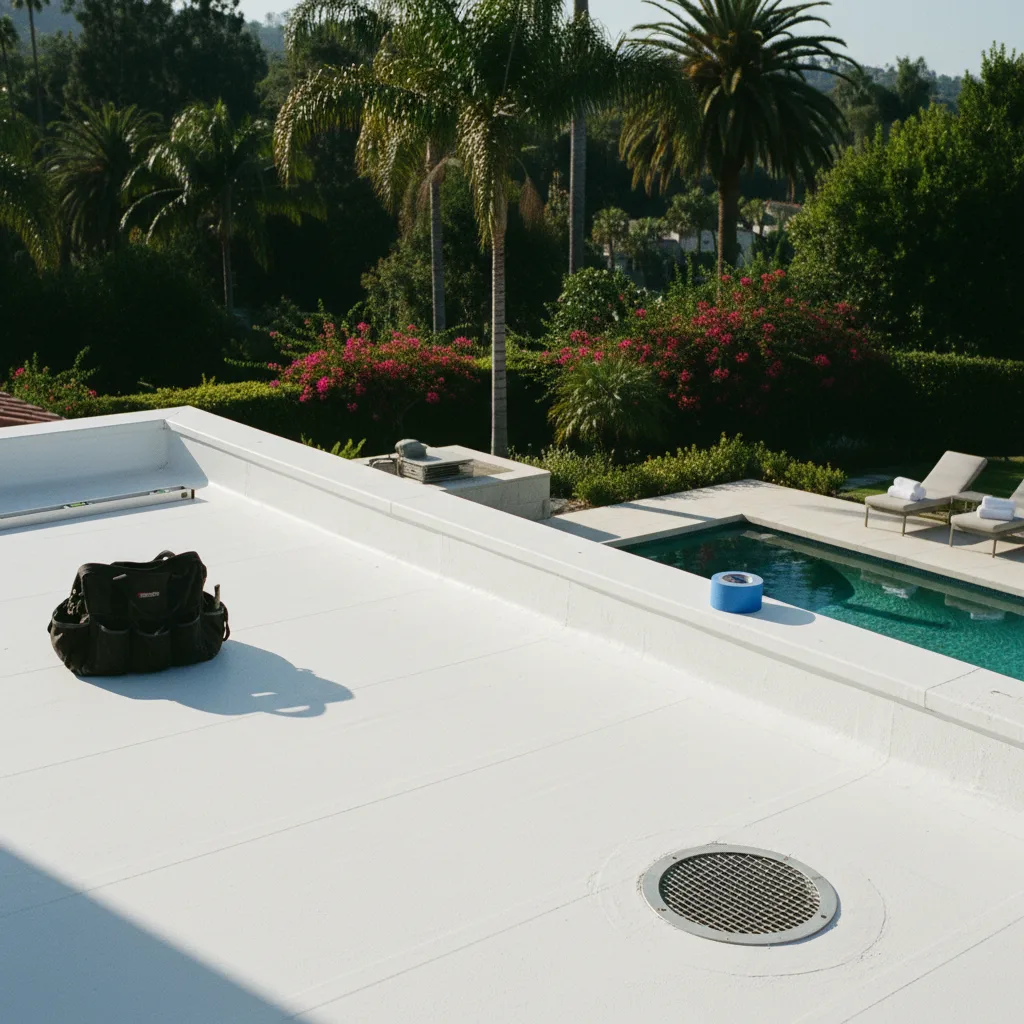
Planning a roofing project in Beverly Hills? A full replacement typically runs $17,000 to $26,000 in 2026. Cosmetic repairs start near $10,000; premium architectural work climbs past $47,000. This is what your budget actually covers, what drives the price, and how to vet a contractor who knows Beverly Hills code.
The Honest 2026 Price for Roofing in Beverly Hills
Let's get straight to the point. Replacing a roof in Beverly Hills is a significant investment, driven by some of the highest labor and material costs in the country. Forget the national averages you see online; they don't account for the realities of working in a high-demand, high-regulation market like Los Angeles County. Based on our analysis of recent contractor invoices and permit data, a standard roof replacement on a typical 2,500 square foot home falls squarely in the $17,000 to $26,000 range.
This price assumes a complete tear-off of the old material, inspection and minor repair of the underlying roof deck, installation of new underlayment, and a quality architectural asphalt shingle. If you're simply addressing a localized issue or opting for a more basic material, you might land closer to the $10,000 mark. Conversely, if your home features a complex roofline, requires structural reinforcement, or you're selecting premium materials like standing seam metal or authentic clay tile, expect costs to begin at $31,000 and rise significantly from there, often exceeding $47,000 for architecturally complex homes.
The key is to understand that a roof is not just the shingle you see from the street. It's an integrated system of decking, underlayment, flashing, and ventilation. In a climate like Southern California's, with its intense, year-round UV exposure and infrequent but sometimes heavy rainfall, every component of that system matters. Cutting corners on one part compromises the entire structure, leading to premature failure and costly interior damage.
What Drives Roofing Costs in Beverly Hills
See what a roofing project actually costs in your Beverly Hills zip.
Take 4 questions →Four main factors dictate the final price of your roofing project: the materials you choose, the cost of skilled labor, the complexity of your home's structure, and the non-negotiable requirements of local building codes. Understanding how these elements interact will help you build a realistic budget and evaluate bids effectively.
Materials: Beyond the Shingle
The most visible cost driver is the roofing material itself. The spectrum is broad, from basic asphalt shingles to high-end architectural metals and tiles. In Beverly Hills, however, the choice is often guided by both aesthetics and California's stringent energy codes. Most projects we see fall into one of these categories:
- Architectural Asphalt Shingles: The workhorse of the industry. These offer a good balance of durability, appearance, and cost. Expect a lifespan of 25 to 30 years. Crucially, in this climate, you will need to select a "cool roof" rated shingle to comply with Title 24 energy standards, which may carry a slight premium over standard options.
- Clay or Concrete Tile: A classic choice for Mediterranean and Spanish-style architecture common in the area. Tile is extremely durable, fire-resistant, and offers excellent thermal properties. However, it is heavy and expensive, and may require structural reinforcement of the roof framing, adding to the overall cost.
- Standing Seam Metal: Increasingly popular on modern and contemporary homes, especially in areas like Trousdale Estates. Metal roofs are lightweight, highly durable (50+ year lifespan), and exceptionally energy-efficient. The initial cost is high, but the long-term value is compelling.
- Underlayment and Decking: The hidden costs. During a tear-off, your contractor will inspect the wooden roof deck. Any water damage, dry rot, or termite damage must be repaired before the new roof can be installed. This is the most common source of unforeseen costs. Modern synthetic underlayments also offer superior water and heat resistance compared to traditional felt paper, a worthwhile upgrade in this climate.
Labor and Logistics
Skilled labor is expensive in Los Angeles County, and for good reason. A reputable roofing company carries significant overhead, including state licensing (CSLB C-39), general liability insurance, and workers' compensation coverage. These protections are non-negotiable and safeguard you from liability. Labor costs are also influenced by your home's specific characteristics. A steep roof pitch, multiple stories, or difficult site access (common on hillside properties in Beverly Crest) will increase the time and risk involved, driving up the labor bill.
Permits and Compliance
You cannot replace a roof in Beverly Hills without a permit from the City of Beverly Hills Community Development Department. The permit ensures the work is inspected and complies with the California Residential Code (CRC) and Title 24 energy efficiency standards. The permit fees themselves are a minor part of the budget, but the cost of compliance, such as using specific cool roof materials or upgrading ventilation, is baked into the project's total price.
Beverly Hills Roofing by Tier: 3 Real Project Examples
To make the numbers tangible, we've modeled three common project scopes based on real invoices from the Renology network. These examples assume a 2,500 square foot, single-story home with a moderately pitched roof to provide a clear baseline.
Pro tip
Always budget a 10 to 15 percent contingency fund. The most common surprise in roofing is discovering rotten or damaged decking after the old shingles are removed. A contingency ensures this doesn't derail your project or force a compromise on quality.
| Tier | Scope of Work | Cost Range (2026) | Typical Timeline |
|---|---|---|---|
| Cosmetic / Repair | Localized repair of leaks or damaged sections. Replacement of a few dozen shingles. Flashing repair around chimneys or vents. No full tear-off or permit required for minor work. | $10,000 - $17,000 | 1 - 3 days |
| Mid-Range / Standard Replacement | Full tear-off of existing shingles. Inspection and replacement of up to 100 sq. ft. of damaged roof decking. Installation of new synthetic underlayment and a Title 24-compliant architectural asphalt shingle system. New flashing and ridge ventilation. Full permit and inspections. | $17,000 - $26,000 | 1 - 2 weeks (construction) |
| Premium / Architectural | Full tear-off and structural assessment. Replacement of existing material with premium standing seam metal or authentic Spanish clay tile. May include structural upgrades to support heavier materials. Custom flashing, high-performance underlayment, and new gutter system. Full permit and inspections. | $31,000 - $47,000+ | 2 - 4 weeks (construction) |
Permits and Local Code in Beverly Hills
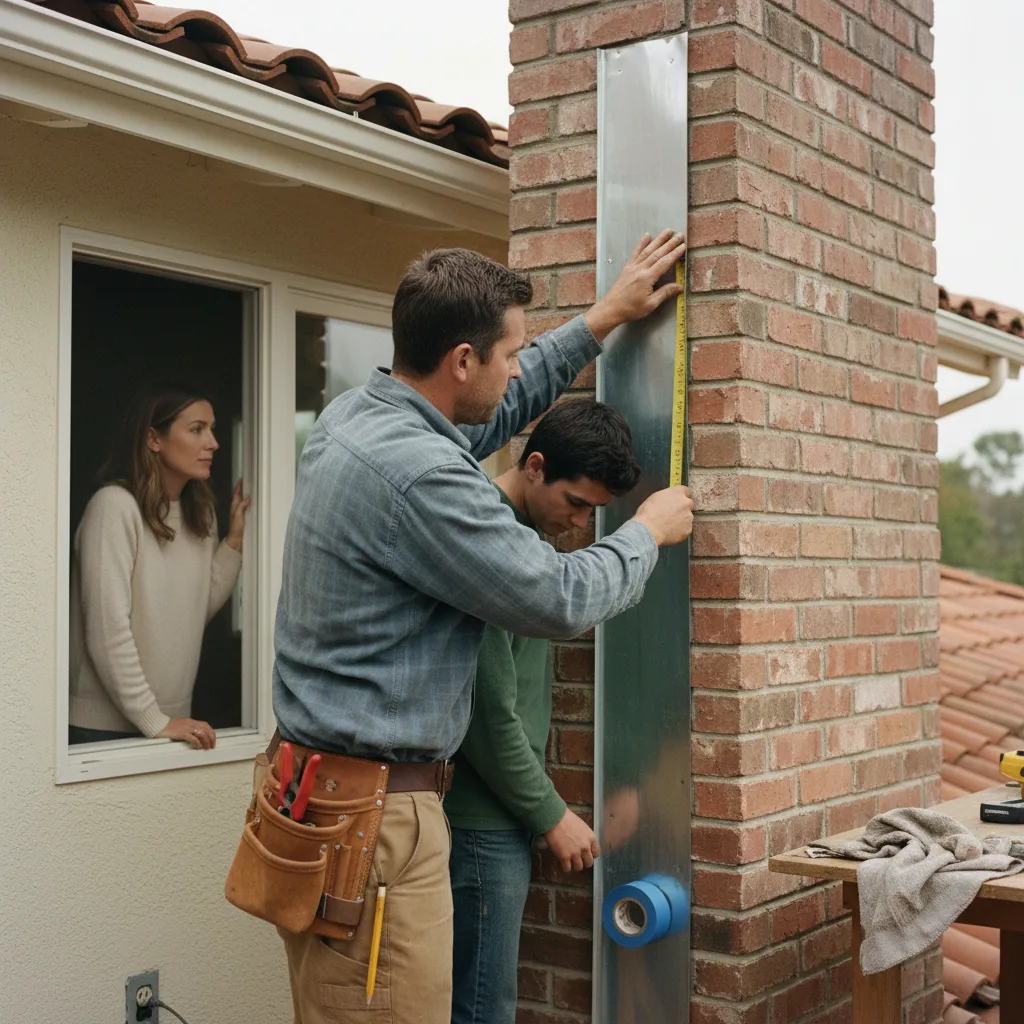
Securing the right permits is not just a formality; it is a critical step that guarantees your project is safe, compliant, and properly documented for future home sales. In Beverly Hills, any re-roofing project involving a tear-off of the existing material requires a permit from the City of Beverly Hills Community Development Department, located at City Hall.
The Permitting Process
Your licensed contractor should handle the entire permit application process. This involves submitting plans that detail the materials to be used, the method of attachment, and proof of compliance with state and local codes. The city's plan checkers will review the application to ensure it meets all requirements before issuing the permit. While this sounds bureaucratic, it protects you by providing a third-party check on your contractor's work plan.
Key Code Requirements
Two major California codes will directly impact your roofing project:
- California Residential Code (CRC): The CRC governs the structural aspects of your roof, including decking requirements, fastener patterns for high-wind zones, and proper flashing techniques to prevent water intrusion. An inspector will visit your site at least once to verify the work meets these standards.
- California Title 24, Part 6: This is the state's energy code. For roofing, its most significant mandate is the "cool roof" requirement. Your new roof must have a certain Solar Reflectance Index (SRI) to reflect solar heat, reducing your home's cooling load and the urban heat island effect. This is why you will see contractors specifying Title 24-compliant materials.
Did you know
Some neighborhoods, particularly those with a Homeowners Association (HOA) or specific design review boards, may have additional aesthetic requirements. Your contractor should verify these rules before finalizing material selections to avoid costly delays.
The Beverly Hills Neighborhoods Where Roofing Costs Diverge
While Beverly Hills is a relatively small city, roofing costs are not uniform across its neighborhoods. The age of the housing stock, architectural style, and lot topography create distinct challenges that directly influence project pricing.
Trousdale Estates
Known for its sprawling mid-century modern homes, Trousdale presents a unique set of roofing challenges. Many of these homes feature low-pitched or flat roofs, which require specialized materials and installation techniques to ensure proper drainage and prevent leaks. Materials like single-ply membranes (TPO or PVC) or standing seam metal are common., the neighborhood's strict design review board often has final say on material choices and colors to maintain the area's architectural integrity. This combination of specialized labor and potentially limited material options can increase costs by 15 to 25 percent compared to a standard sloped-roof project.
The Beverly Hills Flats
The Flats is characterized by larger traditional homes on generous, level lots. The primary cost variable here is often sheer scale. These homes typically have larger, more complex roof footprints with multiple gables, valleys, and dormers. This complexity increases both the amount of material needed and the labor hours required for intricate cutting and flashing work. While site access is generally excellent, the sheer size of the roof is the dominant cost factor. Projects here frequently fall into the premium tier due to the combination of scale and the high-end materials, like slate or high-grade tile, that homeowners often select to match the home's stature.
Your roof is the first line of defense against the relentless Southern California sun; it’s a working system, not just a cosmetic cover.
Timeline: Realistic Week-by-Week Expectations
A full roof replacement is a multi-stage process. While the "loud" part of construction is relatively short, the total timeline from your first call to a contractor to the final sign-off can take five to ten weeks. Here is a realistic breakdown:
- Weeks 1-2: Research and Bidding. This is your time to research contractors, schedule site visits, and collect at least three detailed, itemized bids. Don't rush this step. A thorough vetting process now prevents major headaches later.
- Weeks 3-5: Contract and Permitting. Once you select a contractor and sign a contract, they will prepare and submit the permit application to the City of Beverly Hills. Depending on the city's workload, plan check and permit issuance typically takes one to three weeks for a straightforward roofing project.
- Week 6: Material Ordering and Staging. With the permit in hand, your contractor will order all materials. The crew will schedule a delivery day and prepare the site, protecting landscaping and setting up safety equipment.
- Week 7: Active Construction. This is when the main work happens. A typical week looks like this:
- Day 1: Tear-off and Deck Inspection. The old roof is removed and the underlying wood decking is inspected for damage.
- Day 2: Deck Repair and Underlayment. Any necessary repairs are made, and the new, high-performance underlayment is installed, making the house watertight.
- Days 3-4: Installation of New Roofing Material. The shingles, tiles, or metal panels are installed, along with flashing and ventilation.
- Day 5: Final Details and Cleanup. Ridge caps are installed, the site is meticulously cleaned, and a final walkthrough is performed.
- Week 8: Final Inspection. The contractor schedules the final inspection with the city inspector. Once the work is approved, the permit is closed, and you will receive your final paperwork.
In my last walkthrough in the Beverly Crest area, the biggest delay wasn't the work itself, but the logistics of getting a dumpster and materials up a narrow, winding road. The contractor had to use smaller trucks, which added a full day to the schedule and a bit to the labor cost. It's a perfect example of how hyper-local factors, like street access, can impact a project timeline and budget in ways a generic online calculator never will.
How to Vet a Beverly Hills Contractor
Choosing the right contractor is the single most important decision you will make. A great contractor ensures a high-quality installation that lasts for decades; a poor one can lead to leaks, code violations, and financial nightmares. Use this checklist to filter your candidates.
Essential Questions to Ask
When you meet with potential contractors, go beyond just asking for a price. A professional will welcome detailed questions.
- "What is your CSLB license number?" Verify it online at the California Contractors State License Board website. Ensure it's active, in good standing, and is the correct classification (C-39 for Roofing).
- "Can you provide proof of general liability and workers' compensation insurance?" Ask for the certificate of insurance. Do not just take their word for it. This protects you if a worker is injured on your property.
- "Are you a certified installer for the material you are proposing?" Manufacturers like GAF, Owens Corning, and CertainTeed offer enhanced warranties when their products are installed by factory-certified crews.
- "How will you protect my property and landscaping during the project?" A good contractor will have a clear plan for using tarps, protecting plants, and performing a magnetic sweep for nails daily.
- "How do you handle unforeseen problems, like rotted decking?" Ask how they document the issue (with photos) and how the additional cost is calculated (per sheet of plywood, per labor hour). This should be clearly defined in the contract.
Red Flags to Watch For
- A Vague or Non-Itemized Bid: A one-page quote with a single bottom-line number is a major red flag. A professional bid will break down costs for labor, materials, permits, and waste disposal.
- High-Pressure Sales Tactics: Be wary of anyone pushing you to sign a contract on the spot with a "special one-day-only" price. Take your time to review all bids.
- Requesting a Large Upfront Deposit: In California, it is illegal for a contractor to ask for a down payment of more than 10 percent of the contract price or $1,000, whichever is less.
- The Lowest Bid by a Wide Margin: While tempting, an unusually low bid often indicates that the contractor is cutting corners, is uninsured, or is planning to make up the difference with expensive change orders later.
Important
Never sign a contract that has blank spaces. Ensure every detail, from the specific brand and color of the shingles to the payment schedule and project timeline, is written down and agreed upon before any work begins.
Renology Take
As the structural editor at Renology, I review data from thousands of roofing projects a year. The most persistent and costly mistake homeowners in high-value areas like Beverly Hills make is focusing too much on the shingle and not enough on the system beneath it. The intense, year-round sun in Southern California doesn't just fade colors; it cooks traditional asphalt and accelerates the breakdown of cheap underlayment. A premium architectural shingle placed over a damaged deck or substandard felt paper is a failed roof waiting to happen. The smart investment isn't just in the tile or metal panel you see, but in the high-temperature synthetic underlayment, proper ventilation, and meticulous flashing details that a true professional provides. That's the difference between a roof that lasts fifteen years and one that lasts thirty or more.
Sources & Methodology
These cost ranges are reconstructed from publicly available labor and permit data, the latest Remodeling Magazine cost-vs-value report, and Renology's own Project of the Day network, a rolling sample of real homeowner invoices we collect from Beverly Hills-area contractors. Last refreshed April 2026.
- National Association of Home Builders (NAHB) Remodeling Market Index, Q1 2026
- California Department of Industrial Relations, Los Angeles County Prevailing Wage Data, 2026
- City of Beverly Hills Community Development Department Permit Data, 2026
- California Contractors State License Board (CSLB)
- Remodeling Magazine, 2026 Cost vs. Value Report
- California Energy Commission, Title 24 Building Energy Efficiency Standards
- Renology Project of the Day Network, aggregated 2026 contractor invoices in Beverly Hills
Methodology
How Renology estimates roofing costs in Beverly Hills.
Renology treats this page as a planning benchmark for Beverly Hills, California, not a final quote. We compare published local guide data, contractor scope patterns, permit-sensitive work, climate or site constraints, and finish-level assumptions.
Cost range
$17,000-26,000
Timeline
1-2 weeks
Source type
Editorial dataset
Local factor: Mediterranean (Köppen Csa): 14 inches annual rain, hot dry summers, mild winters. UV intensity is high year-round.
Use these numbers to shape a scope and spot missing line items. Confirm permits, structural work, electrical, plumbing, gas, waterproofing, drainage, and code-sensitive details with the local building department and a licensed professional.
Compare against the full Renology Cost IndexBeverly Hills · pre-screened
Get 3 Beverly Hills roof bids in 48 hours.
Our editors already vetted Beverly Hills roofers. Answer 4 questions and we send 3 written bids inside 48 hours, with the real price for your scope, not their inflated first-call number.
- Free, no commission
- Pre-screened locally
- Bids inside 48 hours
Takes about 60 seconds. We'll text you when bids arrive.