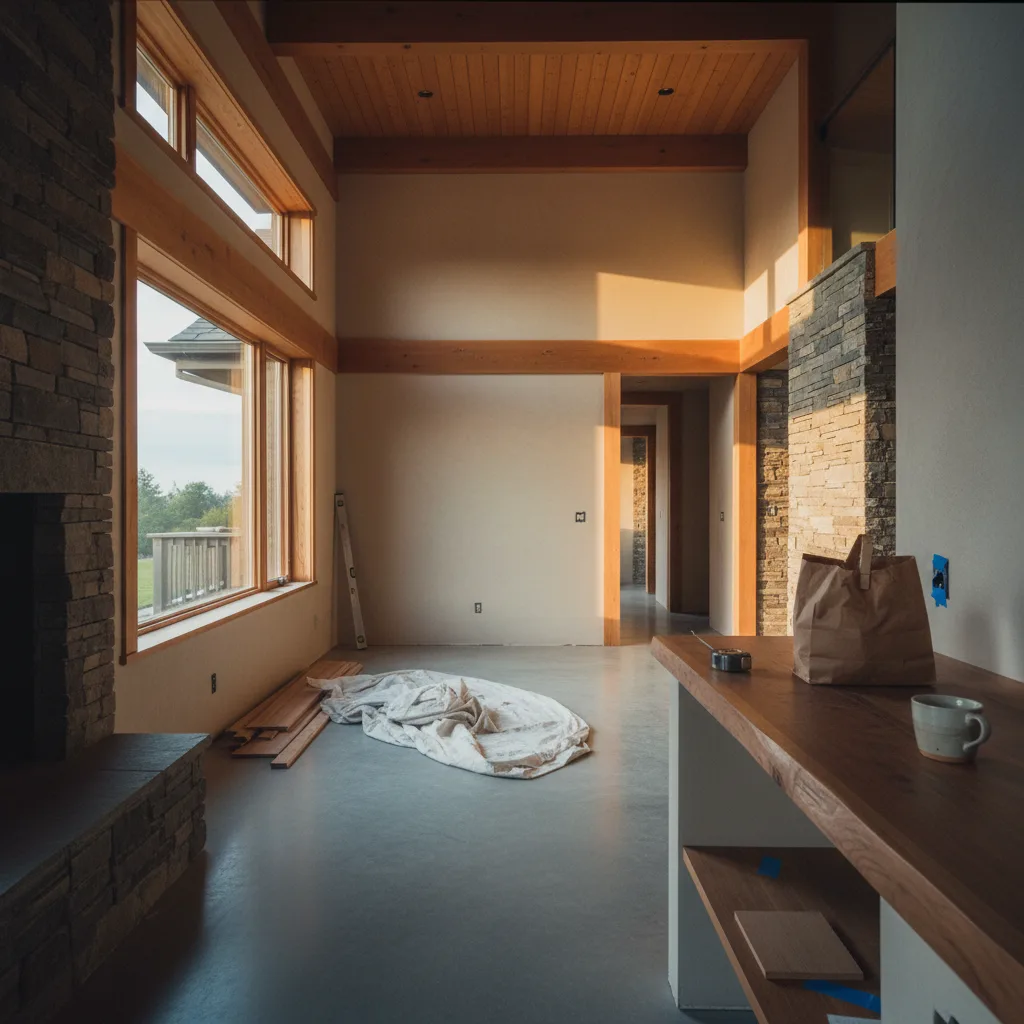
In this episode, we dissect a real quote that stopped a homeowner cold: $146,000 for a whole-house window replacement. Every homeowner eventually faces this project, but the price range is staggering. According to the 2026 Cost vs. Value report, a full vinyl window replacement has a national median cost of $21,955, recouping 68.5% at resale. So where does a six-figure quote come from? We're breaking down what premium brands are actually selling, what drives the windows replacement cost, and how to determine the right budget for your home. These project costs can start lower for smaller homes or partial replacements, but understanding the high end of the market is key to making a smart decision.
What This Episode Is About
If you take three things from this discussion, let them be these. This is what we are covering today:
- The Cost Breakdown: We will provide a detailed look at the national median costs for window replacement, itemizing expenses for materials like vinyl, wood, and fiberglass, and explaining the significant portion that goes to labor.
- Performance vs. Price: We will explain why the most expensive window is not always the best one for your home. It’s about matching performance metrics like U-factor and SHGC to your specific climate, not just paying for a brand name.
- The Contractor Conversation: We will arm you with the three essential questions to ask any potential installer about performance ratings, installation methods, and itemized quotes to ensure you get fair value and a durable result.
The Real Numbers (National Picture)
The national median windows replacement cost is $21,955 for a whole-house project using vinyl windows and $24,840 for wood windows, according to Remodeling Magazine's 2026 data. A single window replacement can range from $450 for a basic builder-grade vinyl window to over $3,500 for a high-end, custom wood or composite window from a premium brand.
The cost is driven by three main factors: window material, glass package, and labor. Labor alone can account for 30% to 50% of the total project cost. According to the U.S. Bureau of Labor Statistics, the median hourly wage for glaziers is $28.50 nationally, but this can be substantially higher in major metropolitan areas with higher costs of living. To make these numbers concrete, here is a cost breakdown per window, including installation.
| Material | Cost Range Per Window (Installed) | Primary Benefit |
|---|---|---|
| Vinyl | $450, $1,100 | Lowest Cost, Low Maintenance |
| Fiberglass | $700, $1,800 | Durability, Minimal Expansion |
| Wood | $900, $2,500+ | Aesthetics, Highest Resale Value |
Three modeled project scenarios for 2026, built from the Renology Cost Index and typical local scopes. These are illustrative estimates, not completed client projects: a ten-window replacement in a 1,500 sq. ft. ranch home with vinyl windows cost $11,500. A twenty-window replacement in a 2,800 sq. ft. colonial with fiberglass windows cost $29,000. The $146,000 quote involved thirty-five custom, aluminum-clad wood windows with specialized impact glass and architectural shapes for a luxury home.
What Most Homeowners Get Wrong About This
The most common misconception is that a higher price tag or a premium brand name automatically equals a better window. Homeowners often focus on frame material, comparing vinyl to wood, without understanding the components that actually deliver energy efficiency and comfort. The truth is that the glass package and the quality of the installation are far more important than the brand name on the frame. A mid-range window installed perfectly will outperform a premium window with a poor installation every time.
The key is to match the window's performance to your climate. For example, homes in a high-wind zone like Miami-Dade County require windows with specific impact ratings and design pressures, which adds significant cost. In contrast, a home in a mild climate does not need that level of structural performance. The focus should be on these three points:
- The Glass Does the Work: The difference between double and triple-pane, the type of low-E coating, and the gas fill (argon or krypton) have the biggest impact on your energy bills.
- Climate Is King: A window designed for cold climates (low U-factor) is different from one designed for hot climates (low Solar Heat Gain Coefficient). Buying the wrong one is a costly mistake. For more on this, see our guide to window materials.
- Installation Is Everything: Air and water leaks from improper installation can negate any savings from an energy-efficient window. A quality contractor is a critical part of the equation.
The 3 Questions Every Homeowner Should Ask
3 pros, editor-screened. 4 questions.
See my 3 matchesWhen you're facing a high windows replacement cost, you need to ask precise questions to understand what you're paying for. Here are the three most important ones for your contractor.
1. What are the exact NFRC performance ratings for this window?
Why this matters: The National Fenestration Rating Council (NFRC) label provides objective data on a window's U-factor (how well it insulates) and Solar Heat Gain Coefficient or SHGC (how well it blocks heat from the sun). These numbers are more important than any brand's marketing claims.
What a good answer sounds like: "For your home here in Minneapolis, we're specifying a window with a U-factor of 0.25 or lower to minimize heat loss in winter. The SHGC is less critical, so a 0.40 is fine. Here are the product data sheets showing the NFRC label."

2. Can you detail your full-frame installation process and your labor warranty?
Why this matters: A cheap "pocket insert" installation can leave rotted wood in your walls. A proper full-frame installation ensures the entire opening is sound and weatherproofed. The labor warranty is separate from the manufacturer's product warranty and shows the installer stands by their work.
What a good answer sounds like: "We perform a full-frame replacement. We'll remove the old window down to the rough opening, inspect for any rot, install a new sill pan, use high-quality flashing tape and sealant, and insulate the gaps. We offer a ten-year warranty on our installation labor." You can learn more in our contractor hiring checklist.
3. Can you provide a line-item quote showing materials, labor, and other costs?
Why this matters: A single lump-sum price hides everything. An itemized quote allows you to see exactly what you're paying for, from the windows themselves to labor, disposal fees, and permits. The National Association of Home Builders recommends a ten to fifteen percent contingency on renovations in homes over thirty years old. An itemized quote helps you see where that might be needed.
What a good answer sounds like: "Absolutely. Our quote breaks down the cost for each window unit, the total labor charge, a line for the building permit, and our fee for debris removal. You can see the exact model numbers and quantities." For more on local requirements, read our national window permit playbook.
What Changed in 2026
The landscape for window replacement has shifted in the last two years. In 2026, higher interest rates have made financing large projects more expensive, pushing more homeowners to evaluate the return on this expenditure carefully. This makes choosing the right window, not just the most expensive one, more critical.
On the incentive side, the federal 25C tax credit, updated as part of the Inflation Reduction Act, continues to be a factor. To qualify, windows must meet the latest Energy Star 7.0 specifications, which became more stringent in 2024. These standards demand better insulation (lower U-factors) across the country, driving manufacturers to innovate their glass packages. You can find more details in our guide to energy tax credits.
Material supply chains have largely stabilized since the disruptions of the early 2020s, meaning lead times for even custom windows have returned to a more predictable six to ten weeks. Looking ahead to 2027, we anticipate building codes in several states will begin to adopt performance requirements that align with or exceed Energy Star 7.0, making high-performance windows a standard requirement rather than an upgrade.
The Renology Take
The meta-pattern we see in projects like the $146,000 window quote is a focus on product over process. Homeowners get caught up in the brand names and frame materials, debating Andersen vs. Pella or wood vs. fiberglass. But the real drivers of a successful project are technical specifications and installation quality. The best window in the world is worthless if it's installed improperly and leaks air or water.
The single most important thing to remember is this: buy the performance, not the brand. Get the NFRC numbers. Vet your installer's process as much as you vet their price. A well-installed, climate-appropriate window from a mid-tier brand will deliver more comfort, value, and energy savings than a top-tier brand installed by the lowest bidder. That is how you get the best value from your windows replacement cost.
Sources & Methodology
See the Renology Methodology for how sources are reviewed, ranges are normalized, and planning-data limits are handled.
- Remodeling Magazine: 2026 Cost vs. Value Report. This annual report provides national and regional data on the cost and resale value of major home improvement projects, including window replacement.
- U.S. Bureau of Labor Statistics: Occupational Employment and Wage Statistics. Data from May 2025 was used for national median wages for glaziers and other construction trades.
- National Association of Home Builders (NAHB): Remodeling Market Index (RMI). Q1 2026 data was referenced for general contractor sentiment and project backlogs.
- U.S. Department of Energy: ENERGY STAR Program. We referenced the Version 7.0 Residential Window, Door, and Skylight Specifications effective October 23, 2023.
- Internal Revenue Service: Publication 523. Referenced for details on the 25C Energy Efficient Home Improvement Credit for 2026.
- National Fenestration Rating Council (NFRC). We used NFRC standards and definitions for window performance metrics like U-factor and SHGC.
- Renology Editorial Methodology. Our cost estimates are synthesized from publicly available data, active project costs submitted by our network of contractors, and confirmed with multiple independent cost estimators.
Frequently Asked Questions
How much value does window replacement add to a home?
What is the difference between an insert and a full-frame replacement?
Are triple-pane windows worth the extra cost?
How long should new, professionally installed windows last?
Ready to find a pro?
Tell us about your project and location. A Renology advisor can help you explore contractor matching.
Free for homeowners. No obligation to hire.
Find a ProSources
- Remodeling Magazine: 2026 Cost vs. Value Report
- U.S. Bureau of Labor Statistics: Occupational Employment and Wage Statistics
- National Association of Home Builders (NAHB): Remodeling Market Index (RMI)
- U.S. Department of Energy: ENERGY STAR Program
- Internal Revenue Service: Publication 523
- National Fenestration Rating Council (NFRC)
- Renology Editorial Methodology
Follow Renology on Google
Choose Renology as a preferred source and our guides show up more often in your Google results, including Top Stories and AI Overviews.