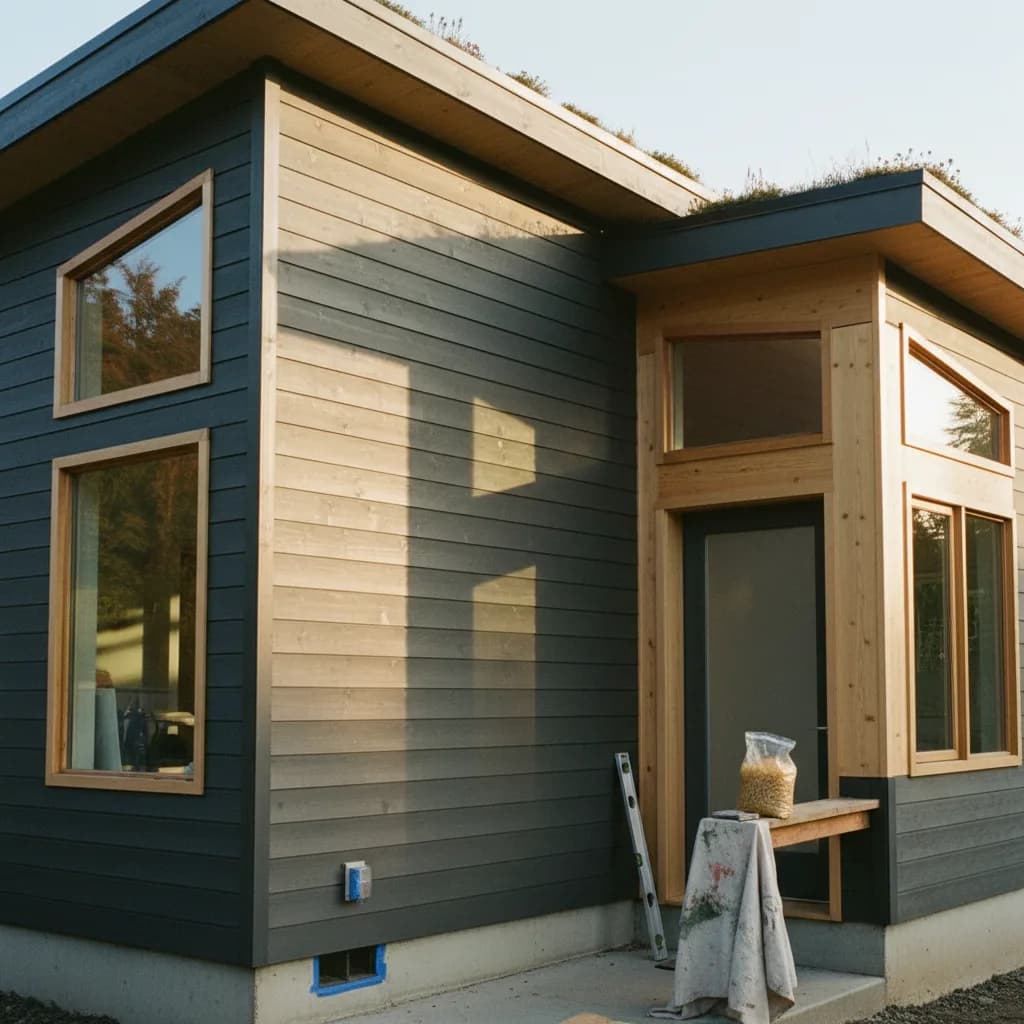
A full siding replacement on a median-sized Seattle home costs between $24,000 and $52,000 in 2026. This range reflects the use of common materials like fiber cement on a two-story, 2,000-square-foot house. The total siding cost in Seattle can start lower, from $15,000 to $22,000, for smaller single-story homes, townhouses, or projects using basic vinyl. Conversely, costs can exceed $75,000 for premium materials like cedar or stone veneer on larger homes in neighborhoods like Magnolia or Queen Anne with complex architectural details.
In a Nutshell
- Total Cost Range (2026): $15,000 to $75,000+
- Mid-Range Project Cost: $31,500 for 2,000 square feet of fiber cement siding
- Typical Timeline: Two to four weeks, pending weather and repair scope
- Biggest Surprise Line Item: Structural rot and sheathing repair, which can add $4,000 to $12,000 to the budget once the old siding is removed.
What does siding actually cost in Seattle?
The total siding cost in Seattle is driven by three factors: square footage, material choice, and the complexity of the existing structure. The following table outlines three tiers of project costs for a typical 2,000-square-foot home in the Seattle area for 2026.
| Tier | Cost Range | Materials & Scope |
|---|---|---|
| Basic | $15,000, $25,000 | Standard-grade vinyl siding; minimal trim replacement; suitable for simple, single-story homes. |
| Mid-Range | $24,000, $52,000 | Fiber cement (James Hardie) or composite siding; new house wrap; full trim replacement; minor rot repair. This is the most common project scope in Seattle. |
| Premium | $50,000, $75,000+ | High-end materials like cedar plank, engineered wood, or stone veneer accents; architectural trim details; extensive prep work and potential structural repairs. |
A median mid-range project budget breaks down as follows, according to data from the National Association of Home Builders (NAHB) and Renology project data:
- Labor: 45%
- Siding Materials: 35%
- Trim, Flashing & Weather Barrier: 10%
- Permits, Scaffolding & Waste Disposal: 7%
- Contingency for Repairs: 3% (initial budget allocation)
The bottom of the cost range typically applies to smaller homes, townhouses, or partial replacement jobs, not a full residing of a detached single-family home.
Why is siding more expensive in Seattle than the rest of Washington?
Three regional factors contribute to higher siding costs in the Seattle metro area compared to surrounding regions like Spokane or the Tri-Cities.
First, labor rates are significantly higher. Washington State L&I contractor licensing and labor rate data shows that skilled trade wages in King County are fifteen to twenty-five percent higher than in eastern Washington counties. A reputable siding contractor in Seattle must pay higher wages to attract and retain experienced installers who are proficient with the region's specific water-management techniques.

Second, the climate necessitates more solid and costly installation practices. The persistent dampness and rainfall in the Pacific Northwest mean that proper water intrusion prevention is not optional. This requires premium weather-resistant barriers, specialized flashing around windows and doors (rainscreen systems are increasingly common), and meticulous caulking. These materials and the labor to install them correctly add five to ten percent to the total project cost compared to drier climates.
Third, neighborhood-specific logistics and housing stock add costs. In dense neighborhoods like Capitol Hill or Ballard, limited street parking and smaller lot sizes require more complex logistics for material delivery, scaffolding setup, and debris removal., the prevalence of older homes (built pre-1960) in areas like Queen Anne and Fremont increases the likelihood of discovering costly issues like lead paint, dry rot, or inadequate sheathing, which must be remediated to current building codes.
What do real Seattle homeowners spend in 2026?
Three modeled project scenarios for 2026, built from the Renology Cost Index and typical local scopes. These are illustrative estimates, not completed client projects:
- Ballard Craftsman ($38,500): This project involved removing old, failing wood siding from a 1,900-square-foot two-story home. The owner chose pre-painted James Hardie fiber cement lap siding. The cost included full removal, installing a new weather-resistant barrier, addressing $4,500 in discovered sheathing rot around two window frames, and installing new fascia and trim boards.
- West Seattle Mid-Century ($29,000): For this 1,650-square-foot rambler, the homeowners replaced faded, cracked vinyl with new, insulated vinyl siding. The scope was straightforward, with minimal trim work. The cost included removal of the old siding, new house wrap, and disposal fees. No significant structural repairs were needed, keeping the project on the lower end of the mid-range spectrum.
- Queen Anne Tudor ($62,000): This 2,400-square-foot project had a more complex scope. The homeowners opted for a combination of fiber cement siding on the main body of the house and cedar shake accents on the gables to maintain the home's character. The cost was improved by the need for more detailed trim work, extensive scaffolding due to the steep roofline, and lead paint abatement procedures, which added approximately $5,000 to the total.
Where does the money actually go?
3 Seattle siding contractors, editor-screened. 4 questions.
See my 3 matchesA contractor's initial quote often covers the basics of materials and labor. However, several other necessary line items can appear later. Homeowners should budget for these possibilities, especially with older homes.
- Tear-Off and Disposal: Removing the old siding and hauling it away. ($2,000, $4,500)
- Structural Repairs: Fixing rot in sheathing, studs, or rim joists discovered after tear-off. This is the most common surprise cost in Seattle. ($1,500, $10,000+)
- Lead Paint Abatement: If your home was built before 1978, EPA RRP rules apply, requiring certified contractors and specific containment procedures. ($2,500, $6,000)
- Scaffolding and Lifts: Necessary for multi-story homes to ensure safety and efficiency. ($1,800, $4,000)
- Permit Fees: Siding replacement requires a permit from the Seattle Department of Construction & Inspections (SDCI). ($750, $2,000)
- Gutter Replacement: Gutters are often removed for siding installation and can be damaged in the process. It is a common time to replace them. ($1,500, $3,500)
- Exterior Painting: If you choose unprimed or primed-only siding (like cedar or some fiber cement options). ($6,000, $12,000)
- Upgraded Weather-Resistant Barrier (WRB): Moving from standard house wrap to a more advanced system like a rainscreen. ($1.50, $3.00 per square foot)
What stops a Seattle siding project from running over budget?
Three primary issues cause budget overruns on Seattle siding projects. The first is unforeseen structural damage. Due to the damp climate, it is very common to find water damage and rot in the wall sheathing or even framing once the old siding is removed. The National Association of Home Builders recommends a ten to fifteen percent contingency on renovations in homes over thirty years old. For a $35,000 siding job, this means having $3,500 to $5,250 set aside.
The second cause is scope creep. Homeowners may decide to add tasks mid-project, such as replacing windows, adding exterior lighting, or replacing gutters. While these can be logical upgrades, they were not part of the original bid and will increase costs. It is more efficient to plan for these additions from the outset.
The third issue is unclear specifications in the initial contract. A vague quote that simply says "replace siding" leaves room for disputes over trim details, paint quality, or the type of fasteners used. A detailed scope of work prevents misunderstandings and ensures the price is fixed for the agreed-upon work. The same logic applies to the money, which is why it pays to agree how to pay a contractor in stages before the first crew shows up.
Navigating Seattle's Permit Process
Any siding project in Seattle that involves more than minor repairs requires a building permit from the Seattle Department of Construction & Inspections (SDCI). The permit ensures the work meets safety and energy code standards, including proper flashing and water barrier installation. Your siding contractor seattle should handle the permit application process as part of their service. For a detailed guide on the specific requirements and timelines, see our complete guide at /guides/seattle-siding-permit-playbook-2026.
What should your Seattle contractor include in the quote?
A detailed, itemized quote is the best tool to prevent misunderstandings. Do not accept a one-page estimate with a single number. A professional bid from a siding contractor seattle should include:
- Full company name, address, license number, and insurance information.
- A precise description of the scope of work.
- Specific brand, type, and color of siding materials to be installed.
- Specific brand and type of house wrap or weather-resistant barrier.
- Details on flashing materials and techniques for windows, doors, and corners.
- Itemized cost for labor and materials.
- Procedure and cost for handling unforeseen rot or structural repairs (e.g., cost per square foot of sheathing replacement).
- Policy on lead paint testing and abatement if applicable.
- Details on tear-off, site cleanup, and waste disposal, including dumpster fees.
- A clear payment schedule.
- An estimated start date and project duration.
- Description of warranties, both for materials and workmanship.
- Confirmation that they will secure all necessary permits from the SDCI.
Sources & Methodology
See the Renology Methodology for how sources are reviewed, ranges are normalized, and planning-data limits are handled.
Cost ranges in this guide draw on the following named industry sources, public agency datasets, and Renology editorial research.
- Remodeling Magazine: 2026 Cost vs. Value Report (Pacific Region) (2026)
- National Association of Home Builders (NAHB) Home Remodeling Costs Survey (2025)
- Seattle Department of Construction & Inspections (SDCI) Permit Fee Schedule (2026)
- Washington State Department of Labor & Industries (L&I), Prevailing Wage Data for King County (2026)
- U.S. Census Bureau, American Community Survey (Seattle Metro Housing Characteristics) (2025)
- Renology Project of the Day (POTD) Network, Seattle Metro Data (2024-2026)
Renology Take
The most significant pattern we see in Seattle siding projects is homeowners underestimating the cost of water. In this climate, siding is not merely a cosmetic choice; it is the home’s primary defense system against nine months of continuous moisture. The most expensive errors stem from trying to save money on the elements that manage this water: the weather-resistant barrier, proper flashing, and most importantly, the contingency budget for repairing the hidden damage caused by past failures. A cheaper siding job that cuts corners on water management will cost multiples more in the long run when it leads to structural rot. According to Remodeling Magazine's 2026 Cost vs. Value report, a fiber-cement siding replacement in the Pacific region recoups 89.2% of its cost at resale, but only if the underlying structure is sound. Prioritize a watertight installation over material upgrades.
Frequently Asked Questions
What is the best siding material for Seattle's climate?
Does new siding increase home value in Seattle?
How long does siding last in the Pacific Northwest?
What are the permit requirements for siding in Seattle?
Can I replace my siding during the rainy season in Seattle?
Seattle · pre-screened
Get 3 Seattle siding bids in 48 hours.
Our editors already vetted Seattle siding contractors. Answer 4 questions and we send 3 written bids inside 48 hours, with the real price for your scope, not their inflated first-call number.
- Free, no commission
- Pre-screened locally
- Bids inside 48 hours
Takes about 60 seconds. We'll text you when bids arrive.
Sources
- Remodeling Magazine: 2026 Cost vs. Value Report (Pacific Region)
- National Association of Home Builders (NAHB) Home Remodeling Costs Survey
- Seattle Department of Construction & Inspections (SDCI) Permit Fee Schedule
- Washington State Department of Labor & Industries (L&I), Prevailing Wage Data for King County
- U.S. Census Bureau, American Community Survey (Seattle Metro Housing Characteristics)
- Renology Project of the Day (POTD) Network, Seattle Metro Data