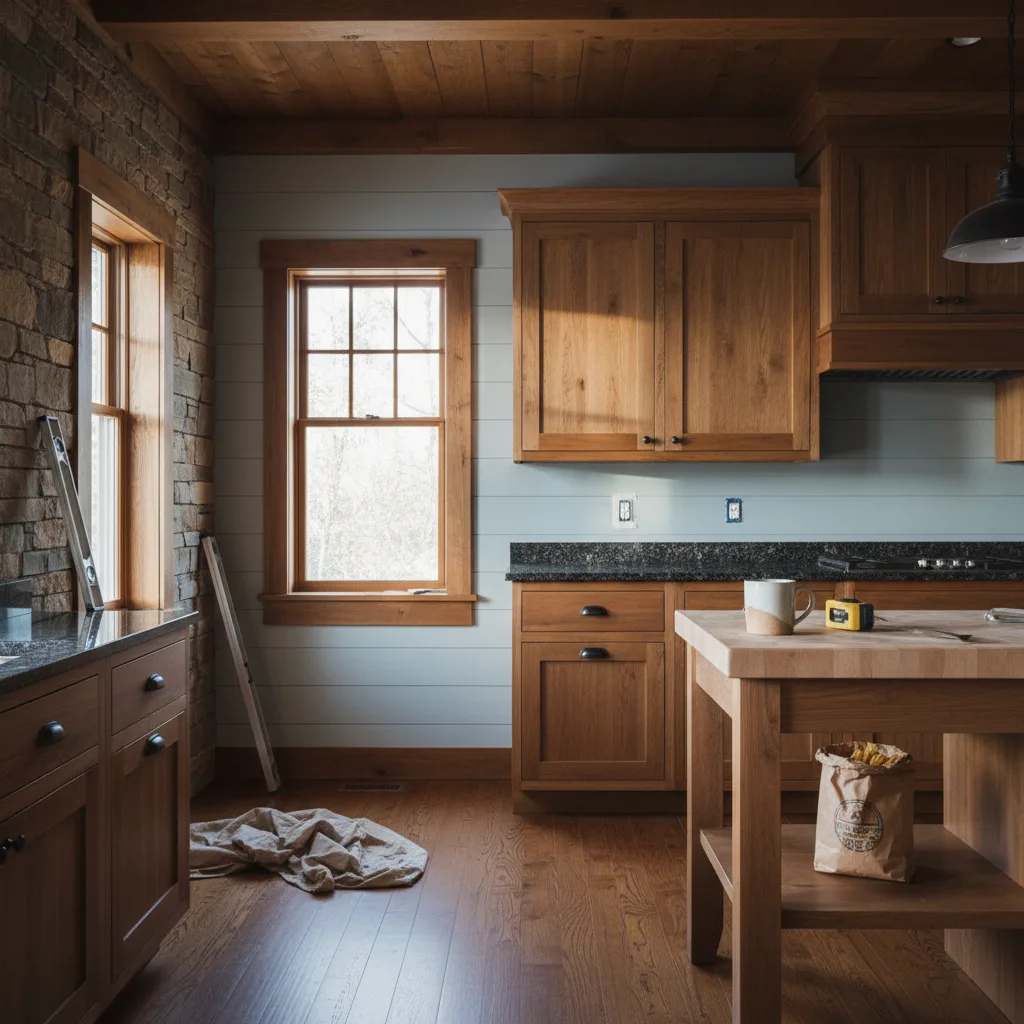
In the theater of the modern home, the kitchen island is center stage. It’s where homework is debated, wine is poured, and life’s daily dramas unfold. The countertop bears the brunt of this activity, a silent witness to every coffee spill and knife scrape. For years, the choice felt simple. But now, two materials dominate the conversation, often confused for one another: quartz and quartzite. The question of quartz vs. quartzite isn't just about aesthetics; it’s about choosing a partner for your kitchen for the next decade. One is an engineered marvel of consistency, the other a wild, unique slice of the earth. We’re exploring which surface survives, and thrives, under the pressures of real, everyday use.
In a Nutshell: Quartz vs. Quartzite
- Material Origin: Quartz is an engineered product, approximately 90-95% ground natural quartz bound with polymer resins and pigments. Quartzite is a 100% natural metamorphic rock, formed when sandstone is subjected to immense heat and pressure.
- Appearance: Quartz offers uniform patterns and a vast array of colors, perfect for a consistent look. Quartzite boasts unique, organic veining and crystalline depth, meaning no two slabs are ever identical.
- Durability: Quartzite is harder and more scratch-resistant. Quartz is non-porous and highly resistant to staining, but can be damaged by excessive heat.
- Maintenance: Quartz countertop maintenance is simple: soap and water. It never needs sealing. Quartzite is porous and must be sealed periodically (typically annually) to prevent staining.
- Cost: Quartz generally has a lower entry price point, while quartzite is typically a premium material with higher fabrication and installation costs.
The Case for Quartz: Engineered Precision
For the better part of two decades, quartz has been the undisputed champion of the practical kitchen. It delivered the look of stone without the perceived fuss, a promise of durable, repeatable beauty that aligned perfectly with the clean, minimalist lines dominating interior design. Brands like Silestone, Caesarstone, and Cambria became household names, offering a predictable solution for busy families.
Appearance and Style
The primary appeal of quartz is its consistency. A sample of Caesarstone's "Calacatta Nuvo" in a showroom will look exactly like the slab installed in your kitchen. This predictability is a massive asset in design, eliminating the high-stakes gamble of selecting a natural stone slab. Early quartz mimicked granite, but today’s designs are far more sophisticated, offering subtle concrete textures, realistic marble veining, and solid, saturated colors impossible to find in nature. In homes from the suburbs of Dallas to the high-rises of Chicago, quartz provided a clean, serene backdrop. While the minimalist decade may be over, manufacturers are responding with more dynamic patterns, like the dramatic, gold-flecked veining in Cambria’s "Portrush" design, keeping the material relevant.
Durability and Performance
Quartz is a workhorse. The polymer resins that bind the ground stone create a non-porous surface, making it exceptionally resistant to staining from wine, coffee, or olive oil. It does not require any sealing, ever. This is its single greatest advantage. It is also strong and scratch-resistant, though not scratch-proof. The trade-off for this engineered perfection is its vulnerability to heat. The resins can scorch or discolor if a hot pan is placed directly on the surface, causing permanent damage. While everyday use is fine, a screaming-hot cast iron skillet is a serious risk.
Maintenance and Care
This is where quartz truly shines. Quartz countertop maintenance is as simple as it gets. A soft cloth with warm water and a mild detergent is all that's needed for daily cleaning. There is no need for special stone cleaners, and abrasive pads should be avoided as they can dull the surface over time. Because it's non-porous, there's no need to panic over spills or worry about bacterial growth. This ease of care is a powerful draw for busy households or those who simply don’t want to think about their countertops.
Cost and Installation
Installed, quartz countertops typically range from $80 to $150 per square foot. The final cost depends on the brand, color complexity, edge profile, and the number of cutouts. While entry-level quartz can start lower, this is often for smaller condo refresh projects or basic, builder-grade colors. Fabrication is straightforward for experienced installers, as the material's consistency makes seaming and cutting predictable.
Three representative projects from 2026, scoped similarly, reconstructed from Renology's Project of the Day network and used here in aggregate form:
- Basic Galley Kitchen (120 sq ft): $5,800 for 40 sq ft of a Group A quartz.
- Mid-Range U-Shaped Kitchen (180 sq ft): $9,600 for 60 sq ft of a mid-tier Cambria or Silestone with a waterfall edge on the peninsula.
- High-End Custom Kitchen (300 sq ft): $18,500 for 90 sq ft of a premium, bookmatched quartz with complex fabrication around a prep sink.
Labor is a significant factor. In high-cost areas, fabrication and installation wages, reflected in sources like the California Department of Industrial Relations prevailing wage data, can account for 40% of the project total. The National Association of Home Builders recommends a ten to fifteen percent contingency on renovations in homes over thirty years old. Don't forget to factor in costs for plumbing disconnects, old countertop removal, and potential backsplash work. Securing a locked-in scope of work from your contractor is essential; you can learn more in our permit playbook.
The Case for Quartzite: Natural Drama
3 kitchen remodelers, editor-screened. 4 questions.
See my 3 matchesIf quartz is the product of a lab, quartzite is the work of geological time. It’s a natural metamorphic rock, born when sandstone is crushed under immense pressure deep within the earth. This process recrystallizes the quartz grains, creating a stone of incredible hardness and depth. It speaks to a growing desire for unique, biophilic elements in the home, a trend we're seeing everywhere from Madrona in Seattle to Bird Rock in La Jolla.
Appearance and Style
No two slabs of quartzite are the same. This is its magic and its challenge. Slabs of "Taj Mahal" can range from soft, creamy whites with gentle veining to warmer beiges with dramatic, smoky swirls. The crystalline structure gives it a luminous depth that engineered materials struggle to replicate. In the soft afternoon Pacific Northwest light, the surface of a quartzite like "Sea Pearl" can seem to glow from within. Choosing quartzite means a trip to the stone yard to select your specific slab, a process that connects you directly to the material that will become the centerpiece of your kitchen. This is the stone for those who want a one-of-a-kind piece of art as their work surface.
Durability and Performance
On the Mohs scale of hardness, quartzite scores around a 7, making it harder than granite (6-6.5) and significantly harder than marble (3-4). It is exceptionally resistant to scratching and etching from acids like lemon juice or vinegar. However, its natural structure means it is porous. Without a proper seal, it can absorb liquids, leading to stains. This is one of the most significant quartzite countertop pros and cons. A good fabricator will apply a high-quality sealant upon installation, but the homeowner is responsible for its upkeep. Unlike quartz, it is highly resistant to heat, so a hot pan is not a cause for alarm.
Maintenance and Care
Quartzite demands more respect than quartz. It must be cleaned with pH-neutral cleaners, as acidic or abrasive chemicals can damage the sealant. Spills should be wiped up promptly. The most critical piece of maintenance is resealing. Depending on the stone's porosity and the type of sealer used, this may be required every one to three years. The process is simple: clean the surface thoroughly, apply the sealer with a cloth, let it penetrate, and wipe away the excess. It’s a small annual ritual to protect a significant investment.
Cost and Installation
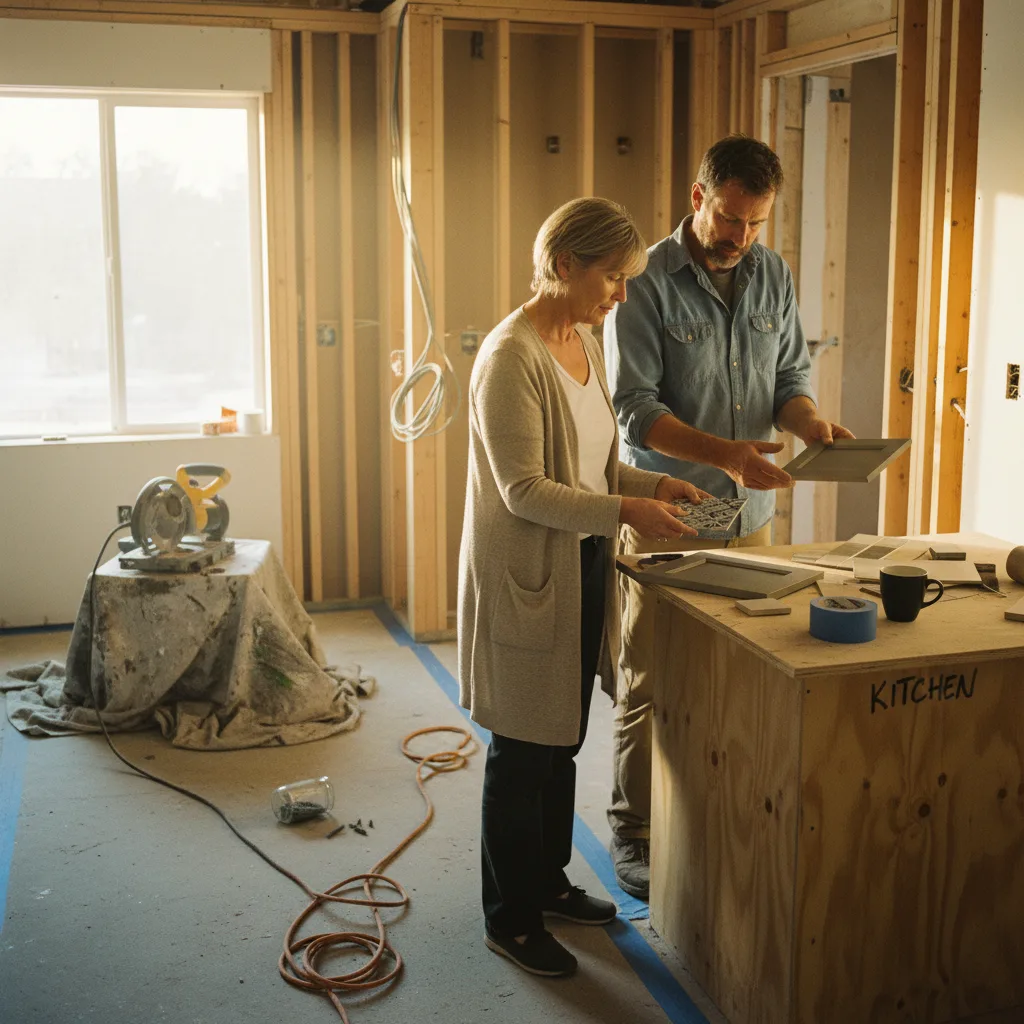
Quartzite is a premium material, typically ranging from $90 to $220+ per square foot installed. The price is driven by the rarity and beauty of the specific stone, as well as the costs of quarrying and transportation. Fabrication is also more expensive. Because of its hardness, it requires specialized diamond cutting tools and more time to cut and polish, increasing labor costs. This is especially true in regions with specific building codes, like California's seismic requirements, which can add complexity to island installations. Homeowners are not just paying for the stone; they are paying for the artistry required to shape it.
The Verdict: Quartzite vs. Quartz Countertop
So, is quartzite better than quartz? The honest answer is that it depends entirely on your lifestyle, aesthetic priorities, and tolerance for maintenance. This isn't a simple contest of which is stronger, but which is a better fit for the life you live.
Choose Quartz if: You have a busy family, prioritize ease of maintenance above all else, and value a consistent, predictable aesthetic. If the thought of a wine stain or a missed sealing schedule causes you anxiety, quartz is your peace of mind. It’s the pragmatic choice for a beautiful, highly functional kitchen that works as hard as you do.
Choose Quartzite if: You view your kitchen as a statement, desire a unique and natural centerpiece, and are comfortable with a small amount of annual maintenance. If you love the story and character of natural materials and want a surface with unparalleled hardness and heat resistance, quartzite is the clear winner. It’s an investment in natural art that also happens to be a countertop.
Renology Take
The debate between quartz and quartzite is a perfect reflection of a larger shift in home design. For a decade, we sought perfection: flawless surfaces, predictable patterns, and minimal upkeep. Quartz was the material of the moment. Now, we are seeing a return to character, texture, and the perfectly imperfect beauty of natural materials. The rise of quartzite, with its wild veining and geological story, signals a craving for authenticity. The choice you make isn't just about durability; it's about whether you want your kitchen to be a space of engineered serenity or one of natural, unrepeatable drama. The countertop has become the ultimate tell for where you stand on design in 2026.
Sources & methodology
How Renology builds this guide
Renology combines public permit and labor signals, supplier pricing, remodeler quote patterns, and editorial review of comparable projects. Cost references are planning ranges, not fixed bids, because site conditions, materials, access, permits, and finish level can change the final price.
- Benchmarked against the Renology Cost Index, related service guides, and the Renology Methodology.
- Reviewed for local market context when a local market is available.
- Focused on kitchen scope, materials, timeline, contractor risk, and budget drivers.
Get 3 kitchen bids in 48 hours.
Our editors already vetted kitchen remodelers. Answer 4 questions and we send 3 written bids inside 48 hours, with the real price for your scope, not their inflated first-call number.
- Free, no commission
- Pre-screened locally
- Bids inside 48 hours
Takes about 60 seconds. We'll text you when bids arrive.