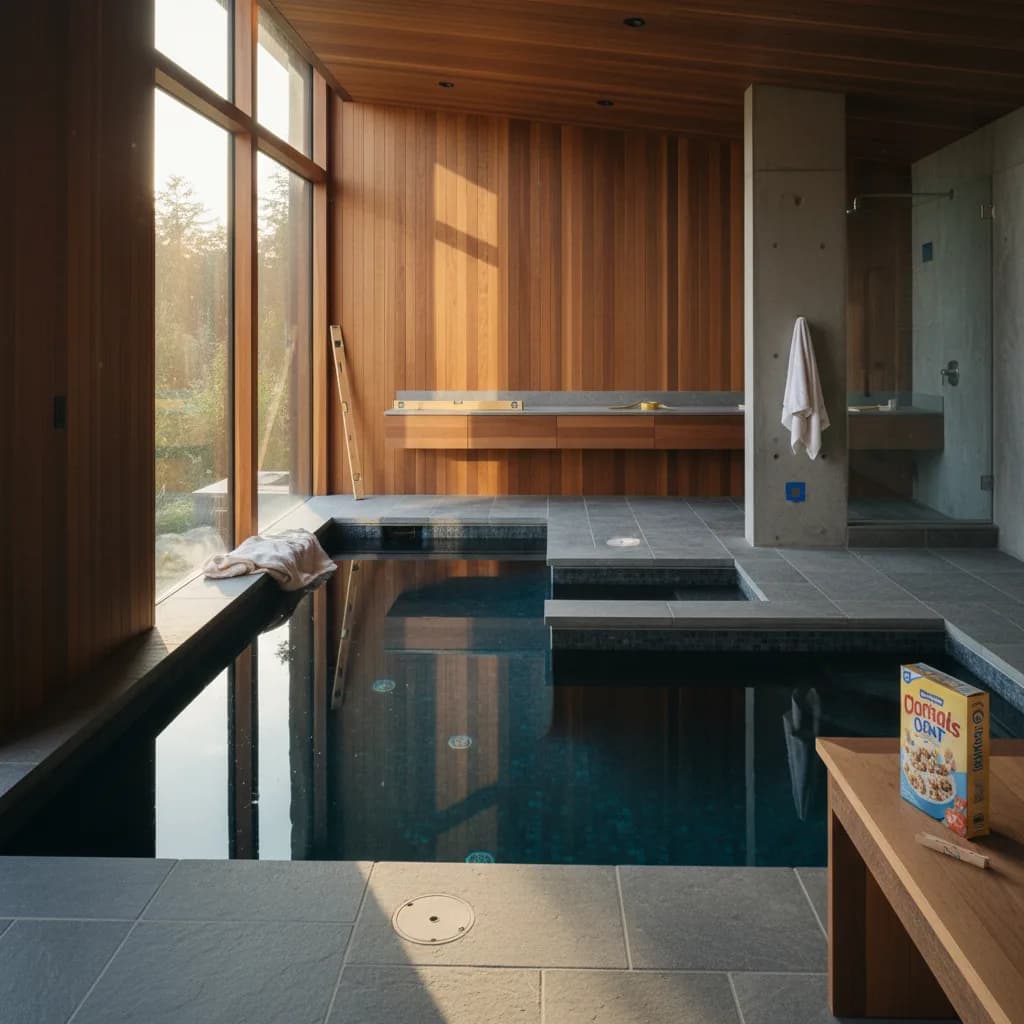
A professionally installed in-ground swimming pool in Seattle costs between $95,000 and $250,000 in 2026, with a median project price for a mid-range gunite pool falling between $145,000 and $185,000. While a pool cost in Seattle can start lower, figures below $90,000 typically correspond to smaller-scale projects like plunge pools, spools (spa-pools), or above-ground installations, not the typical in-ground concrete or fiberglass pools most homeowners envision. These figures account for the pool structure, basic decking, and essential equipment.
In a Nutshell
- Total Cost Range: $95,000 to $250,000+
- Mid-Range Project Median: $145,000 to $185,000
- Project Timeline: 12 to 20 weeks from breaking ground to first swim, permits excluded.
- Biggest Surprise Line Item: Site preparation and excavation. Seattle's notoriously dense glacial till soil, steep grades, and high water tables can add $15,000 to $30,000 in unforeseen costs for engineering, specialized equipment, and soil hauling.
What does a pool actually cost in Seattle?
The total cost for seattle pools is determined by size, material, and features. A mid-range project allocates roughly 35% of its budget to the excavation and structure, with labor and decking being the next largest expenses.
| Tier | Cost Range (2026) | Description |
|---|---|---|
| Basic (Fiberglass / Vinyl Liner) | $95,000, $130,000 | Prefabricated fiberglass shell or vinyl-lined structure. Standard rectangular shape (e.g., 14'x28'). Includes basic pump and filter, minimal concrete or paver decking (3-4 feet surround), and standard safety fencing. |
| Mid-Range (Gunite / Concrete) | $145,000, $185,000 | Custom-shaped gunite pool (e.g., 15'x30'). Includes upgraded waterline tile, an energy-efficient variable-speed pump, a gas heater, basic LED lighting, and an automatic pool cover. Decking is more extensive, using materials like stamped concrete or higher-quality pavers. |
| Premium (Gunite / Concrete) | $200,000, $350,000+ | Large, complex gunite pool with features like an integrated spa, infinity edge, or baja shelf. High-end automation system controlled by a smartphone, premium pebble or glass bead interior finish, extensive travertine or stone decking, and landscape integration with features like waterfalls or fire pits. |
Mid-Range Pool Cost Breakdown (Median Project: $165,000)
- Excavation & Structure (Gunite Shell, Rebar): 35% ($57,750)
- Labor: 25% ($41,250)
- Decking & Hardscaping: 15% ($24,750)
- Plumbing & Electrical: 12% ($19,800)
- Interior Finish & Tile: 8% ($13,200)
- Filtration Equipment & Heater: 5% ($8,250)
The bottom of the cost range, below $95,000, typically applies to prefabricated plunge pools or spools, which are significantly smaller and require less excavation and material than a full-sized swimming pool. These are more common on smaller urban lots or as complements to an existing patio.
Why is it more expensive in Seattle than the national median?
Building a pool in Seattle presents a unique set of cost drivers that place it well above national figures. These factors are rooted in the region's geology, labor market, and regulatory environment.
1. Labor Rates
Skilled labor is the single largest driver of increased costs. According to the Washington State Department of Labor & Industries (L&I) prevailing wage data for King County, hourly rates for trades critical to pool construction, such as operating engineers, electricians, and cement masons, are 15% to 25% higher than in many other metropolitan areas. This premium reflects the high cost of living and strong regional demand for construction trades.

2. Challenging Site Conditions
Much of Seattle is built on glacial till, a dense, rocky soil that is difficult and expensive to excavate. Many properties also feature steep slopes, requiring extensive and costly retaining walls and specialized structural engineering to ensure stability, especially given regional seismic codes. A geotechnical report, often required by the city, can add $2,500 to $5,000 before any work begins, and addressing its findings can significantly increase the project budget.
3. Neighborhood Premiums and Logistics
Material and equipment must be transported to the Pacific Northwest, adding a baseline cost., accessing job sites in established, dense neighborhoods like Laurelhurst, Magnolia, and Queen Anne can be challenging for heavy machinery. Narrow streets, overhead power lines, and limited staging areas increase labor hours and may require smaller, less efficient equipment. Homeowner association (HOA) rules in these areas can also dictate material choices and working hours, adding further complexity and cost.
What do real Seattle homeowners spend in 2026?
Three modeled project scenarios for 2026, built from the Renology Cost Index and typical local scopes. These are illustrative estimates, not completed client projects:
1. West Seattle - $168,000
This project involved a 15-by-30-foot freeform gunite pool. The cost included significant excavation to deal with a sloped yard, requiring a small retaining wall. The homeowners selected a saltwater system, an automatic safety cover, and stamped concrete decking. The final price included $18,000 for site work that was not in the initial contractor estimate.
2. Ballard - $135,000
On a standard rectangular lot, this homeowner opted for a 14-by-28-foot prefabricated fiberglass pool, which reduced installation time. The cost included a gas heater, basic LED lighting, and a simple paver patio surround. The project remained close to its initial budget due to the relatively flat lot and predictable soil conditions, making it a straightforward installation for an experienced pool contractor seattle.
3. Medina - $245,000
This premium project featured a 16-by-34-foot geometric gunite pool with an integrated spa and a sheer descent water feature. The budget accommodated a high-end pebble finish, travertine decking, a full automation package, and extensive landscape lighting. The higher cost reflects the premium materials and the complexity of integrating the pool and spa systems.
Where does the money actually go?
3 Seattle pool builders, editor-screened. 4 questions.
See my 3 matchesInitial quotes from a pool contractor seattle often focus on the pool itself. However, a significant portion of the total pool cost in Seattle comes from ancillary items that are necessary for a complete, safe, and usable final product. Homeowners should budget for these items separately.
- Geotechnical & Engineering Reports ($2,500, $5,000): Often required by the Seattle Department of Construction and Inspections (SDCI) to assess soil stability and drainage, especially on sloped lots.
- Automatic Safety Cover ($12,000, $22,000): A common feature for safety and heat retention. This is a major component often presented as an optional upgrade.
- Fencing ($4,000, $12,000): Required by city code. The cost varies based on material (wood, aluminum, glass) and the perimeter length.
- Retaining Walls ($15,000, $40,000+): Frequently necessary on Seattle's hilly terrain. Costs are calculated per square foot and depend on height and material.
- Electrical Work ($7,000, $15,000): This includes running conduit, bonding the pool structure, and installing a sub-panel. Costs increase with the distance from the main house panel.
- Landscaping & Site Restoration ($5,000, $20,000): The cost to repair lawn damage from heavy equipment and to integrate the new pool area with the existing yard through planting, sod, or irrigation.
- Utility Line Relocation ($3,000, $8,000): If sewer, gas, or water lines run through the proposed pool site, they must be moved at the homeowner's expense.
What stops a Seattle pool from running over budget?
Cost overruns on pool projects are common and typically stem from three main sources. Understanding them is the first step toward prevention.
1. Unforeseen Site Conditions: This is the primary cause of budget issues in the Seattle area. Hitting a high water table, discovering large boulders, or dealing with unstable soil during excavation can halt work and require expensive solutions like dewatering systems or additional structural support. These issues are impossible to quote with certainty beforehand.
2. Scope Creep: It is easy to add features during the build. Upgrading from standard concrete to travertine decking, adding a water feature, or deciding on a more advanced automation system mid-project will increase both material and labor costs. Each change order should be evaluated against the budget and timeline.
3. Permitting and Inspection Delays: The permitting process can be slow, and unexpected requirements from plan reviewers or site inspectors can cause delays and require costly plan revisions. The National Association of Home Builders recommends a ten to fifteen percent contingency on renovations in homes over thirty years old. For a Seattle pool project, a 15% to 20% contingency is more realistic given the site condition risks.
Securing the right permits is a critical first step; our Seattle pool permit playbook details the process with the SDCI.
What should your Seattle contractor include in the quote?
A detailed quote is a sign of a professional contractor. It should be a comprehensive document that specifies brands, materials, and quantities, leaving no room for ambiguity. Ensure the following line items are present:
- Detailed dimensions of the pool (length, width, depth profile).
- Type of construction (e.g., gunite thickness, rebar schedule).
- Excavation scope, including soil removal from the property.
- Plumbing details, including pipe size and schematic.
- A complete list of pool equipment (pump, filter, heater) with brand and model numbers.
- Electrical scope of work, including bonding and sub-panel installation.
- Interior finish material and color specified.
- Waterline tile selection and quantity.
- Coping material and style.
- Decking material, square footage, and base preparation method.
- Cleanup, site restoration, and grading plan.
- Warranties for equipment, structure, and workmanship.
- Assumed conditions (e.g., soil type, site access) and how unforeseen issues will be handled (e.g., hourly rate for extra excavation).
- Payment schedule.
Sources & Methodology
See the Renology Methodology for how sources are reviewed, ranges are normalized, and planning-data limits are handled.
Cost ranges in this guide draw on the following named industry sources, public agency datasets, and Renology editorial research.
- Washington State Department of Labor & Industries, Prevailing Wage Data for King County (2026)
- Seattle Department of Construction and Inspections (SDCI), Permit Fee Schedules (2026)
- Remodeling Magazine, Cost vs. Value Report, Pacific Region (2026)
- National Association of Home Builders (NAHB), Construction Cost Survey (Q4 2025)
- Pool & Hot Tub Alliance (PHTA), Builder Manual (2025)
- Renology Project of the Day (POTD) Network, Seattle Metro Data (2025-2026)

Renology Take
The most common miscalculation homeowners make when budgeting for a pool in Seattle is focusing on the cost of the pool vessel itself. The meta-pattern we observe is that the total cost to prepare the site and build the surrounding environment often equals or exceeds the cost of the shell and equipment. In this region, the project is not just a pool, it is a significant civil engineering and landscaping endeavor. The challenges of excavation, the necessity of solid structural support for slopes, seismic considerations, and the high cost of creating a functional, attractive patio space are where the budget is truly defined. A successful project is one that budgets for the site first and the pool second. Underestimating the cost of the hole and the hardscape is the most direct path to a budget overrun.
Frequently Asked Questions
Is a pool a good investment in Seattle?
How long is the swimming season in Seattle?
What are the monthly maintenance costs for a pool in Seattle?
Do I need a pool heater in Seattle?
What kind of permits do I need for a pool in Seattle?
Seattle · pre-screened
Get 3 Seattle pool bids in 48 hours.
Our editors already vetted Seattle pool builders. Answer 4 questions and we send 3 written bids inside 48 hours, with the real price for your scope, not their inflated first-call number.
- Free, no commission
- Pre-screened locally
- Bids inside 48 hours
Takes about 60 seconds. We'll text you when bids arrive.
Sources
- Washington State Department of Labor & Industries, Prevailing Wage Data for King County
- Seattle Department of Construction and Inspections (SDCI), Permit Fee Schedules
- Remodeling Magazine, Cost vs. Value Report, Pacific Region
- National Association of Home Builders (NAHB), Construction Cost Survey
- Pool & Hot Tub Alliance (PHTA), Builder Manual
- Renology Project of the Day (POTD) Network, Seattle Metro Data