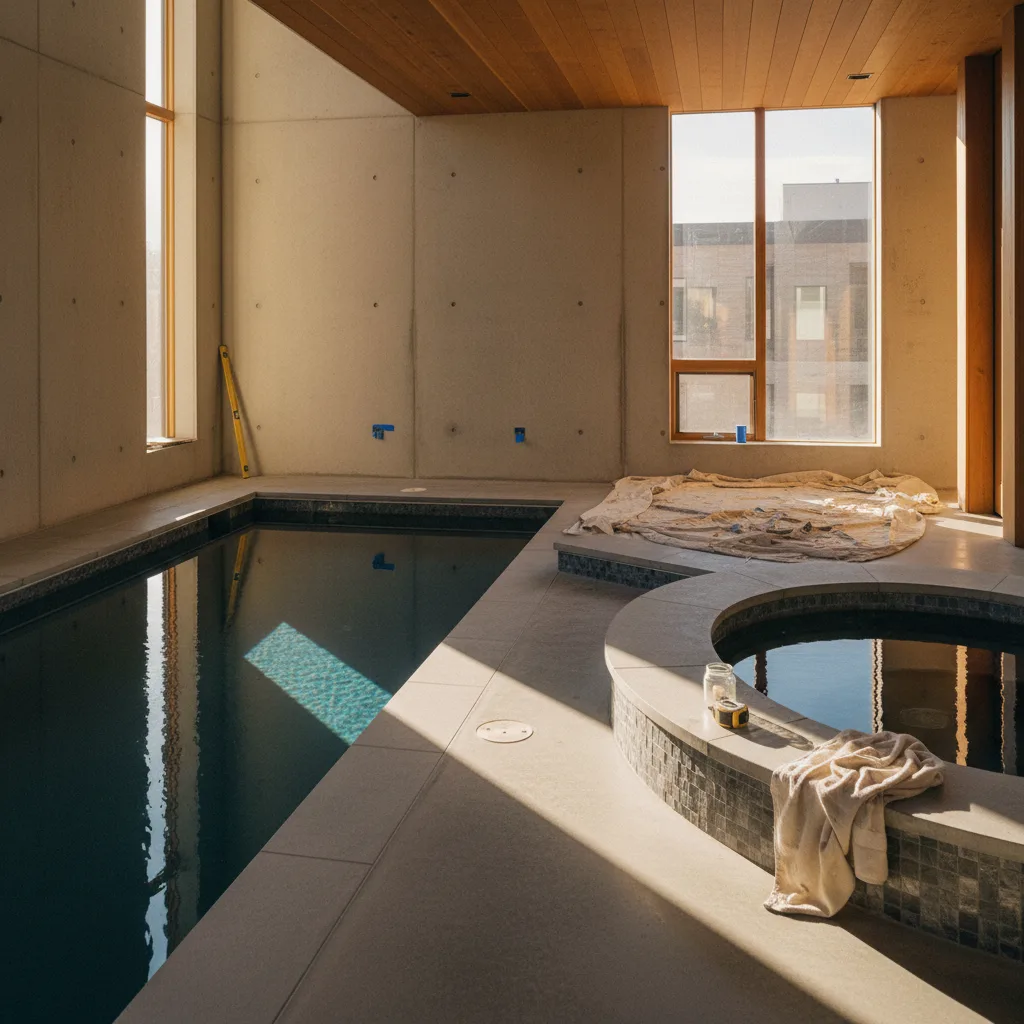
A new in-ground swimming pool in Denver costs between $75,000 and $125,000 for a mid-range gunite or fiberglass project in 2026. The total project cost, including decking, fencing, and landscaping, lands between $95,000 and $160,000 for most homeowners. Costs can start lower, in the $55,000 to $80,000 range, for a basic vinyl liner pool or a small cocktail pool, often called a spoolie. However, the median expenditure for a complete backyard transformation centers around $110,000, according to Renology project data for the Denver metro area.
In a Nutshell
- Total Project Cost Range: $55,000 to $250,000+
- Typical Mid-Range Cost: $95,000, $160,000 (including essential landscaping and fencing)
- Project Timeline: Ten to sixteen weeks from excavation to first swim, weather permitting.
- Biggest Surprise Line Item: Excavation and soil remediation. Denver's expansive clay soil often requires over-excavation and structural fill, costing $8,000 to $20,000 more than in areas with stable soil.
What does a pool actually cost in Denver?
The final price tag for a Denver pool is determined by size, materials, and features. We've compiled data from local contractors and recent projects to outline three common budget tiers. These figures represent the pool shell and essential equipment; add another 20-40% for decking, fencing, and landscaping to get the all-in cost.
| Tier | Cost Range (Pool Only) | Common Specifications |
|---|---|---|
| Basic | $55,000, $80,000 | Vinyl liner pool, standard shape (e.g., rectangle), basic pump and filter, minimal concrete decking, halogen lights. |
| Mid-Range | $80,000, $150,000 | Gunite or fiberglass shell, custom shape, upgraded plaster or aggregate finish, variable-speed pump, heater, salt chlorine generator, LED lighting, larger patio area (pavers or stamped concrete). |
| Premium | $150,000, $250,000+ | Custom gunite design, infinity or perimeter-overflow edge, attached spa, pebble finish, automated controls, in-floor cleaning system, water features (waterfalls, deck jets), extensive hardscaping, and integrated outdoor living space. |
A typical mid-range, $110,000 pool project budget breaks down as follows, according to data from the Pool & Hot Tub Alliance (PHTA):
- Excavation & Structure (Shell): 35%
- Labor: 25%
- Decking & Coping: 15%
- Plumbing & Electrical: 10%
- Filtration & Equipment: 10%
- Finishes (Plaster, Tile): 5%
The bottom of the cost range typically applies to a simple vinyl liner pool on a level lot with easy access, not the gunite or fiberglass pools that constitute the majority of new installations in the region.
Why is a pool more expensive in Denver than surrounding regions?
Three primary factors contribute to higher pool construction costs in the Denver metro area compared to national figures.
1. Labor Rates: The demand for skilled construction labor in Denver consistently outpaces supply, driving up wages. According to the Colorado Department of Labor and Employment's data for the Denver-Aurora-Lakewood MSA, median hourly wages for critical trades like equipment operators, electricians, and plumbers are 10-18% higher than in other Colorado metro areas. This premium is passed directly into the project's labor line item, which can account for a quarter of the total cost.
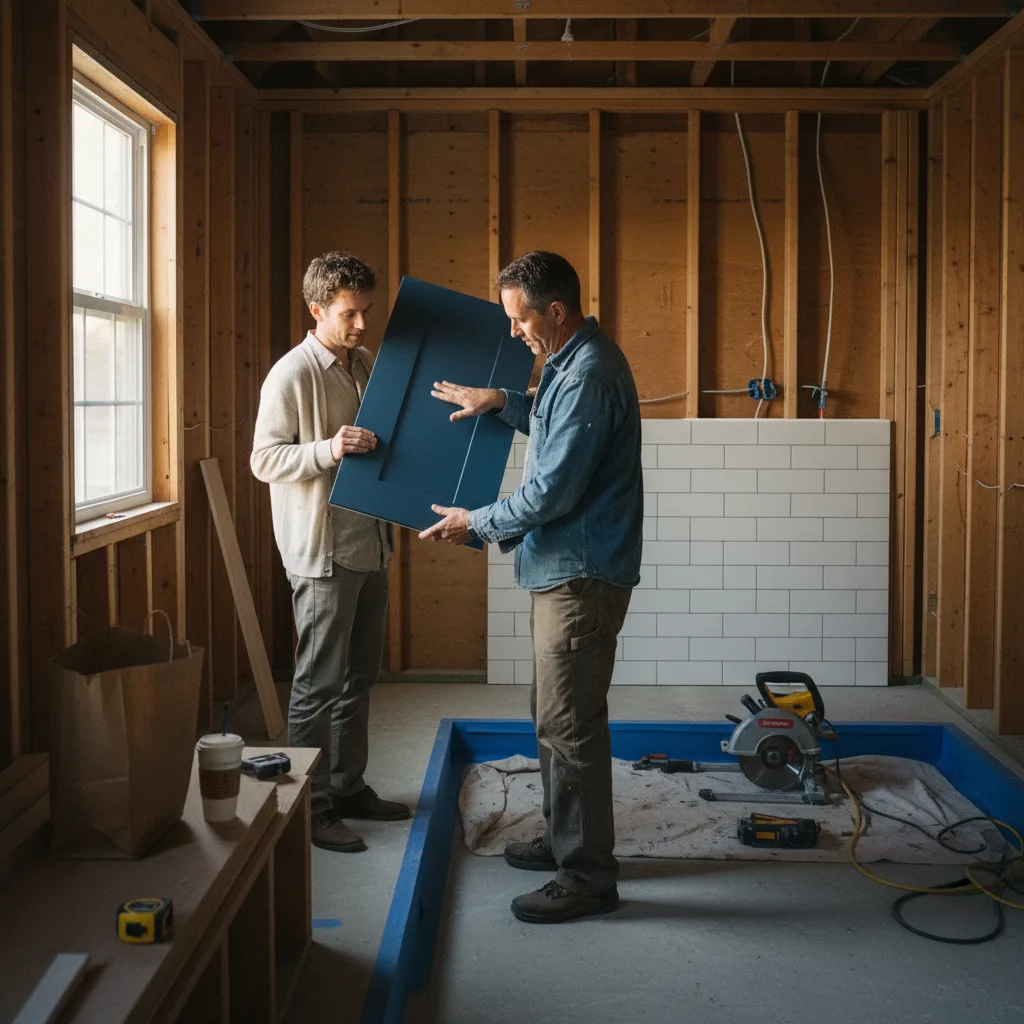
2. Geology and Climate: Denver is known for its expansive clay soil, which swells when wet and shrinks when dry. This geological reality requires significant site work, including over-excavating by several feet and backfilling with structural fill material to create a stable base for the pool shell. This step alone can add $8,000 to $20,000 to a project., the region's freeze-thaw cycles necessitate deeper plumbing lines, thicker shell construction, and more durable materials for decking and coping to prevent cracking and heaving.
3. Neighborhood and Logistical Premiums: Building in established, dense Denver neighborhoods like Cherry Creek, Washington Park, or the Highlands presents logistical challenges. Smaller lots, limited street access for heavy machinery, and stricter zoning regulations increase the time and complexity of a project. Contractors often build in a logistical premium of 5-10% to account for smaller equipment, manual labor for material transport, and navigating neighborhood constraints.
What do real Denver homeowners spend in 2026?
Three modeled project scenarios for 2026, built from the Renology Cost Index and typical local scopes. These are illustrative estimates, not completed client projects:
Project 1: Washington Park - $138,000
A 15x30 foot fiberglass pool with an integrated spa. The project included a salt chlorine generator, a variable-speed pump, and an automatic safety cover. The surrounding patio was finished with travertine pavers, and a new 6-foot cedar privacy fence was required by code. The final cost included extensive soil remediation due to highly expansive clay.
Project 2: Central Park - $112,500
This project featured a 16x32 foot rectangular gunite pool with a simple white plaster finish and a classic waterline tile. The homeowner opted for a gas heater to extend the swimming season. The package included stamped concrete decking, basic LED lighting, and connection to an existing electrical subpanel. The level lot and good access kept excavation costs near the median.
Project 3: Highlands Ranch - $96,000
A cost-conscious build featuring a 14x28 foot vinyl liner pool. The scope included a standard equipment package, a simple concrete cantilever edge coping, and a large broom-finish concrete deck. The homeowner handled the final landscaping and sod repair separately to manage costs, bringing the contractor's portion of the project below the $100,000 mark.
Where does the money actually go?
3 Denver pool builders, editor-screened. 4 questions.
See my 3 matchesA pool contractor's initial quote often covers the pool itself, but the total budget must account for many necessary items typically excluded from the base price. Homeowners should budget for these line items separately.
- Fencing: Denver building code requires a non-climbable fence of at least four feet with self-latching gates. Cost: $8,000, $20,000.
- Automatic Safety Cover: A highly recommended feature for safety and heat retention. Cost: $12,000, $25,000.
- Landscaping and Irrigation Repair: Restoring the yard after heavy equipment access. Cost: $5,000, $15,000.
- Electrical Subpanel: Most homes require a new subpanel to handle the load from the pump, heater, and lighting. Cost: $2,500, $5,000.
- Soil Haul-Away: The cost to remove the 10-15 truckloads of excavated dirt. Cost: $3,000, $8,000.
- Gas Line for Heater: Running a dedicated gas line from the meter to the equipment pad. Cost: $1,500, $4,000.
- Permitting Fees: Based on project valuation, paid to Denver Community Planning and Development. Cost: $1,500, $4,000.
- Initial Water Fill: Can require one to two truckloads of water. Cost: $500, $1,200.
What stops a Denver pool from running over budget?
Three issues account for the majority of budget overruns on pool projects in Denver.
1. Unforeseen Site Conditions: This is the most common cause. Hitting a high water table, encountering large boulders, or discovering more expansive soil than anticipated during excavation requires immediate and costly solutions, from dewatering systems to additional engineering. These are not knowable until digging begins.
2. Scope Creep: It is easy to add features during construction. Deciding to add a spa, upgrade the deck material from concrete to pavers, or install a water feature mid-project can add tens of thousands of dollars and extend the timeline. Lock in your full scope before the first shovel hits the ground.
3. Material and Equipment Allowances: Some quotes use allowances for items like tile or decking material. If you select a product that costs more than the specified allowance, the difference is added to your final bill. Always confirm if allowances are based on retail or contractor pricing and what specific products they cover. The National Association of Home Builders recommends a ten to fifteen percent contingency on renovations in homes over thirty years old.
How do I get the right permits for a pool in Denver?
Building a pool in Denver requires a structural permit from the Denver Community Planning and Development department, along with separate electrical and sometimes mechanical (for gas heaters) permits. The process involves submitting detailed plans prepared by an engineer. For a full walkthrough of the application process, required inspections, and timelines, see our guide: The Denver Pool Permit Playbook 2026.
What should your Denver contractor include in the quote?
A detailed quote is the foundation of a successful project. Ensure your pool contractor Denver provides a line-item proposal that specifies the following:
- Project dimensions, including depth profile and total water volume.
- Excavation scope, including assumptions about soil conditions and cost for haul-away.
- Structural specifications: Rebar schedule (size and spacing), and shell thickness (gunite) or manufacturer/model (fiberglass).
- Plumbing details: Pipe size, number of skimmers and returns.
- Equipment list: Manufacturer and model numbers for the pump, filter, heater, and any sanitizing system.
- Electrical scope: Cost to run conduit and wire from the main panel to a new subpanel at the equipment pad.
- Coping and waterline tile: Material type and linear/square footage included in the price.
- Decking: Square footage, material (e.g., broom-finish concrete, pavers), thickness, and reinforcement specifications.
- Interior finish: Material type (e.g., standard white plaster, quartz aggregate) and color.
- Cleanup and site restoration plan.
- Warranty information for both workmanship and equipment.
- A clear statement of exclusions (e.g., fencing, landscaping, permit fees).
- Payment schedule tied to project milestones.
- Projected start and completion dates.
Renology Take
The primary source of homeowner dissatisfaction in Denver pool projects stems from the difference between the cost of the pool and the cost of the finished backyard. Pool builders sell and quote pools. Homeowners, however, envision a completed outdoor living space. The gap between these two scopes, which includes fencing, landscaping, lighting, and sometimes retaining walls, can represent 30-50% of the pool's cost. This delta is rarely detailed in the initial sales process. The most successful projects are those where the homeowner secures a comprehensive budget for the entire backyard environment, not just the water-containing vessel, before signing a contract. Understanding the all-in cost from day one prevents the budget overruns and surprise expenses that can tarnish the experience.
Sources & Methodology
Renology reviews public permit and labor signals, supplier pricing, remodeler quote patterns, comparable projects, the Renology Cost Index, and the Renology Methodology. Cost references are planning ranges for Denver pool projects, not fixed bids.
- Denver Community Planning and Development, Permit Fee Schedule, 2026
- Colorado Department of Labor and Employment, Denver-Aurora-Lakewood MSA Occupational Employment and Wage Statistics, 2025-2026
- Pool & Hot Tub Alliance (PHTA), 2026 Construction Survey
- Remodeling Magazine, 2026 Cost vs. Value Report, Mountain Region
- National Association of Home Builders (NAHB), Construction Cost Survey, 2026
- HomeAdvisor/Angi, Denver Pool Installation Cost Data, 2026
- Renology Project of the Day (POTD) Network, Denver Metro Data, 2025-2026
Denver · pre-screened
Get 3 Denver pool bids in 48 hours.
Our editors already vetted Denver pool builders. Answer 4 questions and we send 3 written bids inside 48 hours, with the real price for your scope, not their inflated first-call number.
- Free, no commission
- Pre-screened locally
- Bids inside 48 hours
Takes about 60 seconds. We'll text you when bids arrive.