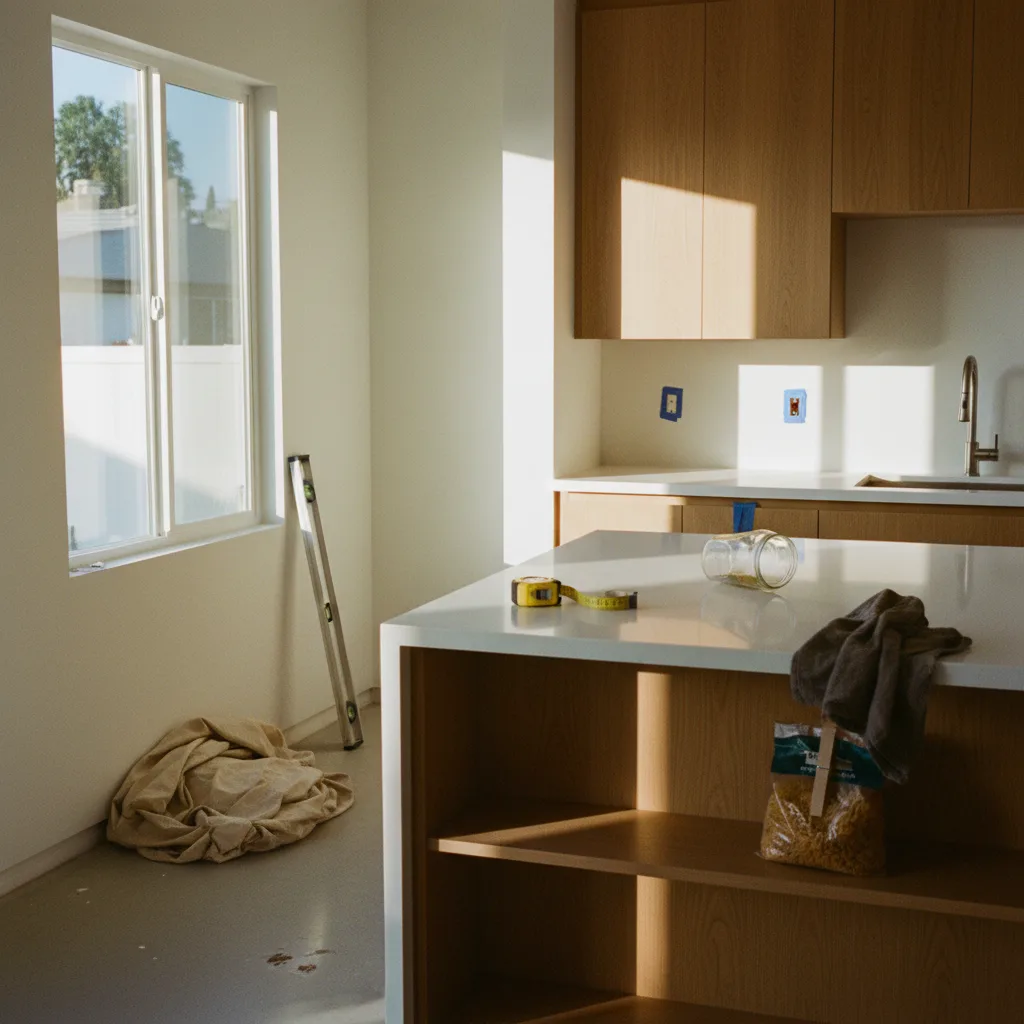
A full kitchen remodel in Los Angeles costs between $75,000 and $180,000, with a median project cost of approximately $115,000 for 2026. Costs can start lower, in the $45,000 to $65,000 range, for cosmetic updates in a smaller condominium or a straightforward refresh of an existing layout without moving walls or utilities. These figures reflect the high labor rates, material expenses, and stringent regulatory requirements specific to the Los Angeles metro area, which consistently rank among the highest in the United States.
In a Nutshell
- Total Cost Range: $45,000 (condo refresh) to $250,000+ (high-end custom with structural changes).
- Typical Mid-Range Project: $95,000, $145,000 for a 180-220 square foot kitchen.
- Project Timeline: Eight to sixteen weeks from demolition to final inspection, not including the design and permitting phase which can add two to four months.
- Biggest Surprise Cost: Mandatory Title 24 energy compliance upgrades (lighting, ventilation, insulation), often adding $4,000, $7,000 not itemized in initial bids.
What does a kitchen remodel actually cost in Los Angeles?
The cost of Los Angeles kitchens is best understood across three tiers of investment. The scope of work, material quality, and appliance grade are the primary drivers of cost. The National Kitchen & Bath Association (NKBA) provides benchmarks for these tiers, which we have adjusted for the Los Angeles market in 2026.
| Tier | Cost Range (2026) | Scope & Materials |
|---|---|---|
| Basic / Refresh | $45,000, $75,000 | Stock cabinets, laminate or entry-level quartz countertops, vinyl flooring, basic appliance package, direct replacement of fixtures. No layout changes. |
| Mid-Range | $75,000, $150,000 | Semi-custom cabinets, mid-grade quartz or granite countertops, engineered wood or tile flooring, upgraded appliance package, kitchen island, some electrical and plumbing relocation. |
| Premium / Custom | $150,000, $250,000+ | Fully custom cabinetry, natural stone countertops (marble, quartzite), high-end integrated appliances, structural changes (wall removal), significant plumbing and electrical rerouting. |
A typical mid-range project budget in Los Angeles breaks down as follows, according to data from Renology's contractor network:
- Cabinetry & Hardware: 35%
- Labor & Installation: 25%
- Appliances: 15%
- Countertops: 10%
- Plumbing & Electrical: 10%
- Finishes (Flooring, Backsplash, Paint): 5%
The bottom of the range, the sub-$75,000 project, is typically reserved for a cosmetic refresh or a small galley kitchen in a condominium, where the footprint is fixed and major systems do not require extensive upgrades.
Why is a kitchen remodel more expensive in Los Angeles?
Three primary factors drive the higher cost of Los Angeles kitchens compared to national figures: labor rates, neighborhood-specific logistics, and a complex regulatory environment.
First, skilled labor is a significant cost driver. According to the California Department of Industrial Relations prevailing wage data for Los Angeles County, journeyman electricians and plumbers command hourly rates of $70 to $110, and skilled carpenters and cabinet installers bill at $60 to $95 per hour. These rates are thirty to fifty percent higher than in many other major metropolitan areas. A qualified kitchen contractor in Los Angeles must carry substantial insurance and worker's compensation, costs which are passed on to the client.
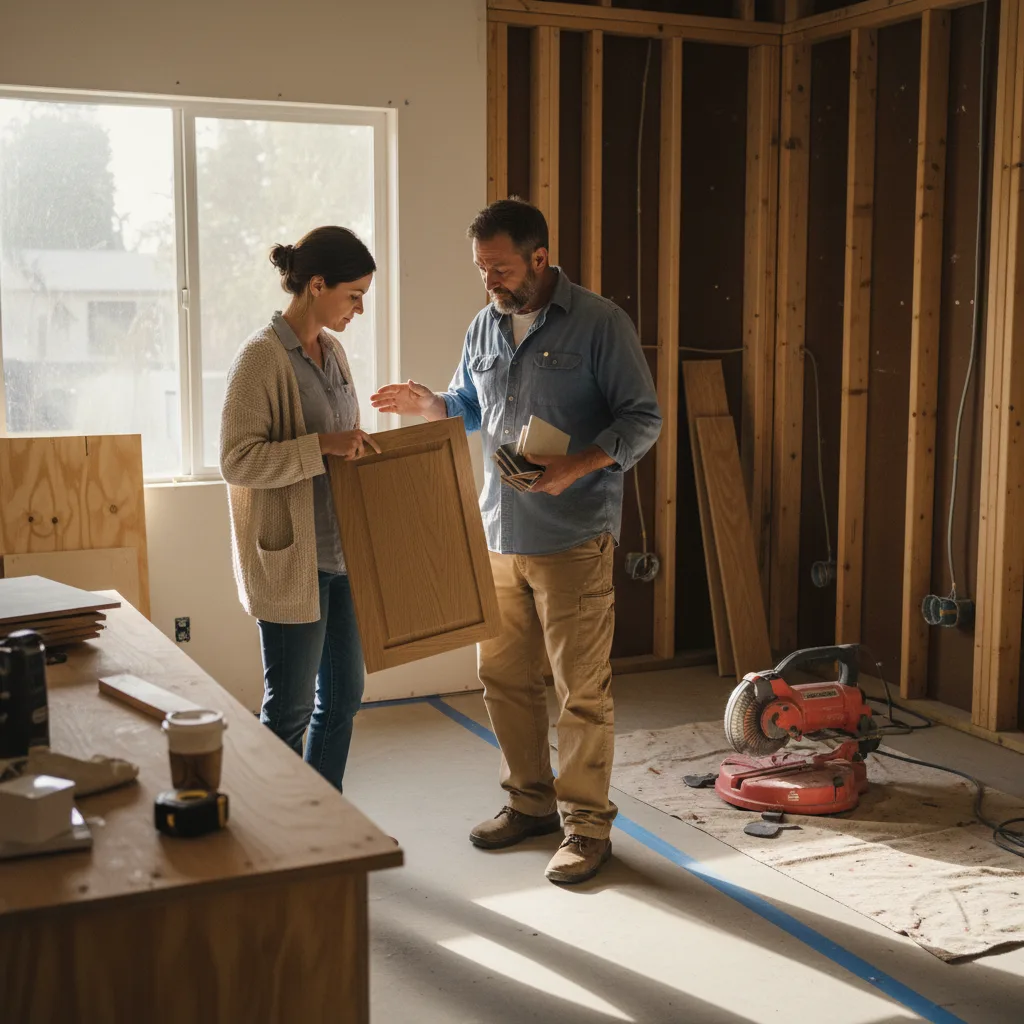
Second, neighborhood premiums affect the final price. A project in Santa Monica or Silver Lake will often carry a ten to twenty percent premium over an identical project in Sherman Oaks or Burbank. This is due to logistical challenges like limited street parking for trades, difficult site access, longer travel times for crews, and the higher overhead costs associated with operating in these desirable areas. Contractors price these factors into their bids.
Third, regulatory compliance adds layers of cost. California's Title 24 energy code mandates specific standards for insulation, window efficiency, lighting (high-efficacy fixtures are required), and mechanical ventilation. projects in older homes often trigger seismic retrofitting requirements or the need for asbestos and lead paint abatement, adding thousands to the budget before any aesthetic work begins. Plan check and permit fees from the Los Angeles Department of Building and Safety (LADBS) are also substantial.
What do real Los Angeles homeowners spend in 2026?
Three representative projects from 2026, scoped similarly, reconstructed from Renology's Project of the Day network and used here in aggregate form:
1. Sherman Oaks Ranch House: $118,000
This project involved a 180-square-foot kitchen in a 1960s home. The layout remained the same, but all finishes were replaced. The scope included semi-custom Shaker cabinets, quartz countertops, a new stainless steel appliance package, and updated LED lighting to meet Title 24. The original oak floors were refinished to save costs. The project required a minor electrical panel upgrade to support new appliances, which added $4,500 to the total.
2. Silver Lake Bungalow: $142,000
In this 150-square-foot kitchen, the homeowners wanted to respect the 1930s architecture. This meant custom cabinetry with period-appropriate details, which increased the cabinet budget by thirty percent. They chose a higher-end appliance package and a durable quartzite countertop. The project also uncovered knob-and-tube wiring, necessitating a full electrical rewire of the kitchen and adjacent rooms, a common issue in older Los Angeles homes. Access for deliveries was difficult, adding a small logistical premium.
3. Mar Vista Open-Concept: $131,000
The goal for this 220-square-foot space was to create an open-plan kitchen and dining area. A non-load-bearing wall was removed, which required engineering sign-off and more extensive drywall and flooring work. The project featured a large island with a waterfall edge countertop, a significant line item. To stay within budget, the homeowners opted for mid-grade appliances and sourced their own tile backsplash, handling that portion of the work themselves.
Where does the money actually go?
3 Los Angeles kitchen remodelers, editor-screened. 4 questions.
See my 3 matchesMany initial quotes from a kitchen contractor in Los Angeles focus on the visible items like cabinets and countertops. Homeowners should budget for these often-unlisted expenses, which are necessary for a complete and legal renovation.
- LADBS Permit Fees: $1,500, $4,000. This includes plan check, multiple inspections, and the final permit card.
- Architectural or Designer Fees: 3-10% of the project cost ($3,000, $15,000) for detailed plans required for permitting and construction.
- Structural Engineering: $2,500, $5,000 if you plan to remove or alter any walls, a common goal in Los Angeles kitchens.
- Hazardous Material Abatement: $2,000, $8,000 for testing and professional removal of asbestos (common in flooring and drywall) or lead paint found in homes built before 1978.
- Electrical Panel Upgrade: $3,000, $6,000. Modern kitchens with induction cooktops and high-draw appliances often require more power than an older 100-amp panel can provide.
- Temporary Kitchen Setup: $500, $1,500 for renting a microwave, hot plate, and setting up a temporary sink during the 8-16 week construction period.
- Debris Haul-Away & Disposal: $1,000, $2,500. Dumpster rental and disposal fees are a real project cost.
What stops a Los Angeles kitchen from running over budget?
Three main issues typically cause budget overruns in Los Angeles kitchen projects. Understanding them is the first step to prevention.
First is scope creep. Adding a 'small' change mid-project, like deciding to add a pot filler or upgrade to a different countertop material, has a cascading effect. It can require new plumbing lines, different cabinet support, and schedule changes for multiple trades, each adding cost and delay. Finalize all decisions before demolition begins.
Second are unforeseen conditions behind the walls. In the older housing stock of areas like Echo Park and Highland Park, it is common to find outdated plumbing, termite damage, or unpermitted previous work once drywall is removed. The National Association of Home Builders recommends a ten to fifteen percent contingency on renovations in homes over thirty years old. In Los Angeles, a fifteen to twenty percent contingency is more realistic.
Third, material and appliance selection can break a budget. Falling in love with a specific Italian range or a single slab of Calacatta marble that is backordered for months can halt a project. This not only increases the material cost but also incurs holding costs as the contractor must pay for idle crews or reschedule them, often at a premium. Confirm availability of all key items before signing the contract.
What should your Los Angeles contractor include in the quote?
A detailed scope of work is your best defense against unexpected costs. A quote from a reputable kitchen contractor Los Angeles should be a multi-page document that clearly itemizes the following. For a detailed guide on navigating the city's requirements, see our Los Angeles Kitchen Permit Playbook.
- Scope of Demolition and Debris Removal
- Framing or Structural Modifications
- Plumbing Rough-in and Final Fixture Installation
- Electrical Rough-in, Panel Work, and Final Fixture Installation
- HVAC Modifications (for new range hoods)
- Insulation and Vapor Barrier Installation
- Drywall Hanging, Taping, and Finishing
- Cabinet Sourcing, Delivery, and Installation
- Countertop Templating, Fabrication, and Installation
- Flooring Installation and Finishing
- Tile Backsplash Installation
- Painting of all Walls, Ceiling, and Trim
- Appliance Delivery and Installation
- Final Cleanup and Site Protection
Renology Take
The fundamental misunderstanding that drives budget and timeline issues for Los Angeles kitchens is the gap between a homeowner's aesthetic goals and the city's structural and safety requirements. Many homeowners budget for cabinets, countertops, and appliances, the visible components of the project. The real costs, however, are often dictated by what the Los Angeles Department of Building and Safety (LADBS) requires to bring a 1950s structure up to 2026 code. This includes mandatory electrical system upgrades, Title 24 energy compliance, and sometimes seismic retrofitting. The most successful projects are those where the homeowner acknowledges from the outset that one-third of their budget may be allocated to these non-negotiable, invisible infrastructure upgrades. This mindset shift from a purely cosmetic exercise to a comprehensive building systems update is key.
Sources & Methodology
Renology reviews public permit and labor signals, supplier pricing, remodeler quote patterns, comparable projects, the Renology Cost Index, and the Renology Methodology. Cost references are planning ranges for Los Angeles kitchen projects, not fixed bids.
- Remodeling Magazine, 2025 Cost vs. Value Report (Pacific Region)
- National Association of Home Builders (NAHB), Remodeling Market Index, Q1 2026
- California Department of Industrial Relations, Prevailing Wage Determinations for Los Angeles County, 2026
- Los Angeles Department of Building and Safety (LADBS), Permit Fee Schedule, 2026
- National Kitchen & Bath Association (NKBA), 2026 Design & Cost Trends Report
- Houzz & Home, 2025 U.S. Renovation Market Survey
- Renology, Project of the Day Network Data, 2024-2026
Sources & methodology
How Renology builds this guide
Renology combines public permit and labor signals, supplier pricing, remodeler quote patterns, and editorial review of comparable projects. Cost references are planning ranges, not fixed bids, because site conditions, materials, access, permits, and finish level can change the final price.
- Benchmarked against the Renology Cost Index, related service guides, and the Renology Methodology.
- Reviewed for Los Angeles market context when a local market is available.
- Focused on kitchen scope, materials, timeline, contractor risk, and budget drivers.
Los Angeles · pre-screened
Get 3 Los Angeles kitchen bids in 48 hours.
Our editors already vetted Los Angeles kitchen remodelers. Answer 4 questions and we send 3 written bids inside 48 hours, with the real price for your scope, not their inflated first-call number.
- Free, no commission
- Pre-screened locally
- Bids inside 48 hours
Takes about 60 seconds. We'll text you when bids arrive.