
You want to build a deck or pergola in Seattle. You're thinking about summer evenings, grilling, a place for the kids. Your contractor's brochure says four to six weeks. I'm here to tell you the truth: from the first call to your architect to the final sign-off from the city inspector, plan on 12 to 24 weeks. For complex projects on a hillside in Magnolia, it can be longer. The timeline can start lower for simple, ground-level decks that don't require a permit, but most projects that add real value need a full plan review. The single biggest delay unique to Seattle isn't just the rain. It's the combination of the Seattle Department of Construction & Inspections (SDCI) review queue and whatever surprise our glacial till soil decides to serve up when we start digging footings.
In a Nutshell
- Total Timeline: 12 to 24 weeks is a realistic range from design start to project completion for a permitted deck and pergola in Seattle. Simple, non-permitted projects can be faster, while projects in Environmentally Critical Areas will take longer.
- The Four Phases: Every project follows the same path. Phase 1 is Design and Permitting. Phase 2 is Site Prep and Foundation. Phase 3 is Framing and Rough-In. Phase 4 is Finishes and Final Inspection. The paperwork takes as long as the physical work.
- Biggest Delay Risk: The SDCI plan review is the longest single period of waiting. After that, discovering poor soil conditions or rot in your home's existing structure during demolition are the most common on-site delays.
- Contingency is Not Optional: Plan for the unexpected. The National Association of Home Builders recommends a ten to fifteen percent contingency fund for renovations. In Seattle, with its older housing stock and challenging terrain, I tell my clients to lock that fifteen percent away and pretend it doesn't exist.
Phase 1: Design and Permits (Weeks 1, 8)
This is the foundation of your project, and it happens entirely on paper. Rushing here is the most expensive mistake you can make. The goal is a set of permit-ready plans that an SDCI plan checker can approve on the first pass. This phase involves your architect or designer creating drawings that detail the deck's size, location, and materials. A structural engineer then calculates the loads, specifying footing sizes, beam dimensions, and connection hardware required to create a continuous load path from the deck boards down to the soil. As the homeowner, your job is to be decisive. Changes made after the plans are submitted to SDCI create costly delays. The most common holdup is an incomplete application. SDCI will send it back with a correction notice, pushing you to the back of the queue. For any property near a steep slope, wetland, or shoreline, the city will flag it for an Environmentally Critical Areas (ECA) review, which can add months and require specialized reports from geotechnical engineers. This is where a good local architect or permit expediter earns their fee. They know the Seattle-specific amendments to the International Residential Code and what the city's plan checkers look for. Don't start interviewing a decks pergola contractor in Seattle until these plans are nearly complete.
Phase 2: Site Prep and Foundation (Weeks 9, 10)
Once you have an approved permit from SDCI, the physical work begins. This phase is about preparing the ground for the new structure. It starts with demolition of any existing deck or patio. Then, the layout for the new footings is staked out. Before any digging, your contractor must call 811 to have public utilities marked. Private lines, like irrigation or power to a detached garage, are the homeowner's responsibility to locate. The primary task is excavating for the concrete footings that will support the deck's posts. In Seattle, this is where surprises happen. You might hit a massive glacial erratic boulder just below the surface, or find the soil is much less stable than assumed, requiring deeper or wider footings than specified on the plan. This triggers a call to the engineer and a potential change order. A formal soil report is rarely required for a simple deck, but on hillside lots, it's cheap insurance. Once holes are dug, the inspector is called for a footing inspection *before* any concrete is poured. They verify depth and placement. A failed inspection here, often due to water in the hole or insufficient depth, means a 24-hour delay at minimum. The primary utility companies involved are Seattle City Light and Puget Sound Energy if you're running new electrical or natural gas lines.
Phase 3: Framing and Rough-In (Weeks 11, 13)
With the footings poured and cured, the deck's skeleton goes up. This phase is the most visually dramatic. The structure rises from the ground, and you can finally walk on it and get a sense of the space. The process starts with attaching a ledger board to the house. This is the single most critical connection; deck collapses are almost always ledger failures. The IRC has very specific requirements for flashing, bolts, and placement. I've torn off too many pre-2000 decks in Ballard held on with just nails. After the ledger is set, the posts, beams, and joists are installed, creating the frame that will support the decking. If your project includes a pergola, its posts and beams are typically integrated at this stage. This is also when the trades run their lines. An electrician will rough-in conduit for lighting or outlets, and a plumber will run gas lines for a grill or fire pit. Each of these trades requires a separate permit and inspection. The phase concludes with the framing inspection. The city inspector arrives with their clipboard and tape measure, checking joist spacing, hardware, and the overall structural integrity against the approved plans. Their signature on the inspection card is your permission to move on to the next phase.
Phase 4: Finishes and Final Inspection (Weeks 14, 16)
This is where the structure becomes a deck. The focus shifts from heavy framing to the details you'll see and touch every day. The first major task is installing the decking boards. Whether it's pressure-treated cedar, a hardwood like Ipe, or a composite material from a brand like Trex or TimberTech, the installation requires precision for consistent spacing and clean lines. Next come the railings and stairs, which are major safety components. Seattle's building code is strict about guardrail height (a minimum of 36 inches for residential), baluster spacing (no more than a 4-inch sphere can pass through), and stair geometry (consistent riser height and tread depth). If a pergola is part of the design, its rafters or shade elements are installed now. Finally, electricians and other trades return to install the finish fixtures: step lights, outlet covers, gas grill connections. The project concludes with the final inspection. The SDCI inspector returns for a comprehensive review, checking that every detail matches the plans and meets code, from the graspability of the handrail to the GFCI protection on the outlets. Once they sign off on the inspection card for the last time, the project is officially complete. Your contractor can then walk you through the punch list, addressing any minor cosmetic issues before final payment is made.
Information Gain: Navigating Seattle's Environmentally Critical Areas (ECAs)
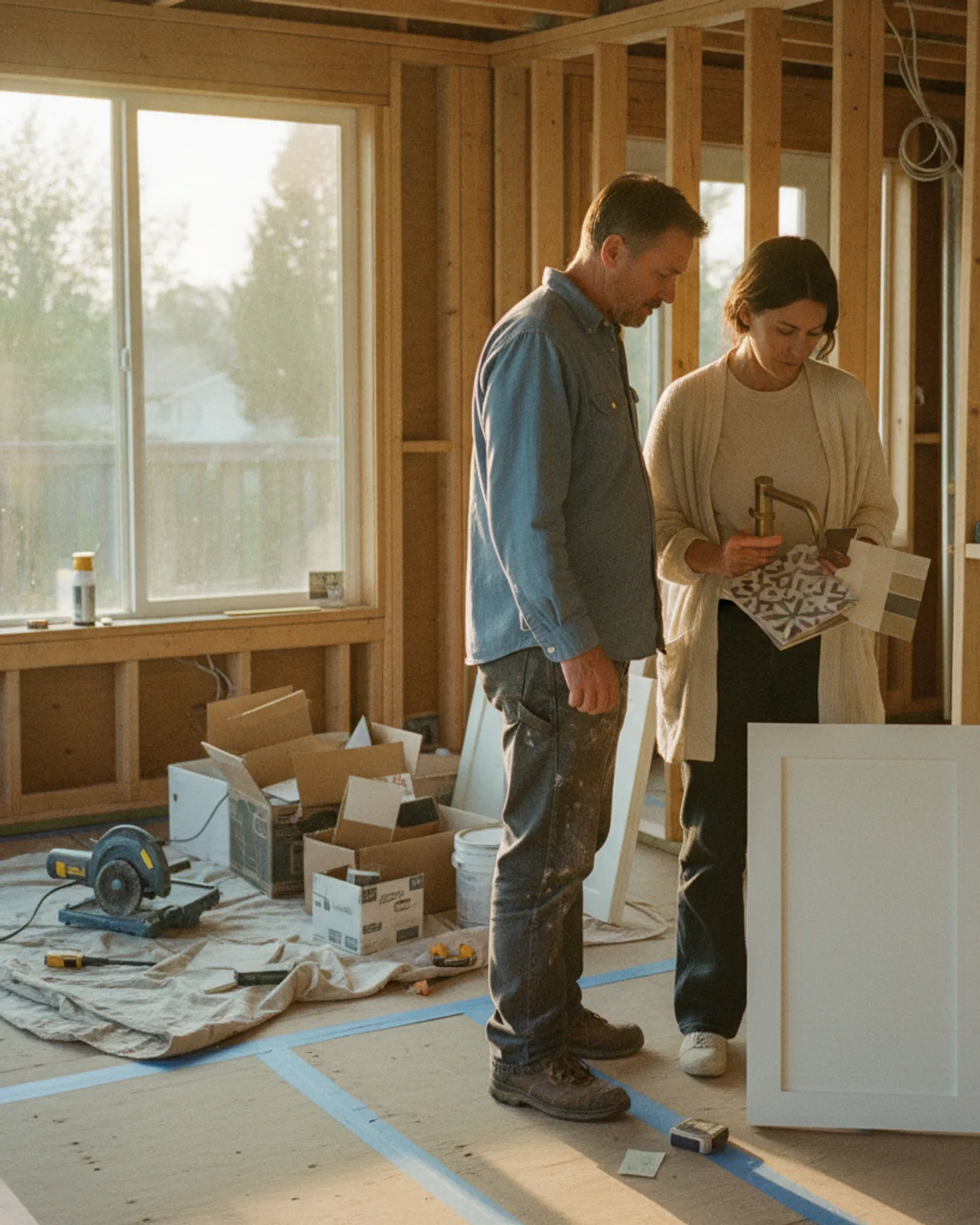
Most articles about deck building timelines assume you're working on a flat, stable lot. In Seattle, that's a dangerous assumption. Many properties, especially those with desirable views in neighborhoods like Queen Anne, Magnolia, and West Seattle, are located within what the city defines as Environmentally Critical Areas, or ECAs. This is the single biggest factor that can blow up a standard project timeline and budget. An ECA can be a steep slope, a liquefaction zone, a wetland, or a shoreline. You can check your property on the SDCI's online GIS map before you even hire a designer. If your proposed deck falls within an ECA buffer, it triggers a far more rigorous, lengthy, and expensive permitting process. A standard over-the-counter permit review might take a few weeks; an ECA review can easily take six months or more. You will be required to hire a licensed geotechnical engineer to produce a detailed report on soil stability, slope, and drainage. Their recommendations are not suggestions, they are requirements. This often means the simple concrete pier footings in a standard plan are no longer sufficient. The engineer may specify much deeper drilled concrete piers, grade beams, or helical piles that screw deep into the earth to reach a stable soil layer. These engineered foundations can add tens of thousands of dollars to the decks pergola seattle cost. The plans will also require much more detailed drainage and erosion control measures. For the homeowner, this means the design phase is longer, the engineering costs are higher, the permit review is an exercise in patience, and the foundation work is more invasive and expensive. Ignoring this possibility until you've already paid for a design is a common and costly mistake.
Three Representative Projects from 2026
Three modeled project scenarios for 2026, built from the Renology Cost Index and typical local scopes. These are illustrative estimates, not completed client projects:
- Magnolia View Deck: A 450 sq. ft. multi-level deck built with Ipe hardwood and a custom steel cable railing system to preserve views of Puget Sound. The project was on a steep slope, requiring a full geotechnical report and engineered concrete piers. The scope included a built-in pergola with integrated lighting and gas lines for a fire pit. This was a high-end project with a focus on longevity and maximizing property value. Total timeline was driven by the ECA review. Total Cost: $115,000. Total Weeks: 28.
- Ballard Craftsman Deck & Pergola: A 300 sq. ft. attached deck made from high-quality cedar, designed to match the home's classic style. The project included a substantial cedar pergola over half the deck for shade and architectural interest. Railings were wood with black metal balusters. The lot was flat and permitting was straightforward through SDCI. This represents a very common, high-quality mid-range project for the area. Total Cost: $55,000. Total Weeks: 16.
- West Seattle Bungalow Ground-Level Deck: A 250 sq. ft. freestanding composite deck (Trex) built less than 30 inches off the ground. Because it was not attached to the house and was low-profile, it did not require a full building permit from SDCI, though zoning rules for lot coverage still applied. This project focused on low maintenance and usability, creating an outdoor patio space. The timeline was dictated purely by contractor availability and material delivery. Total Cost: $28,000. Total Weeks: 6.
What Can Compress This Timeline
The homeowner who saves six weeks does these three things before signing a contract. First, they hire an architect or designer independently. They work with them to create a complete, buildable, permit-ready set of plans. This means all the decisions about size, shape, materials, and lighting are made and locked in before the project goes out to bid. This eliminates the lengthy back-and-forth that happens when design happens concurrently with bidding. Second, they choose readily available materials. Custom-milled railings or special-order decking from overseas can add eight weeks of lead time before the first board is even cut. A pragmatic homeowner goes to a local supplier like Dunn Lumber, sees what's in stock, and designs around those proven materials. Third, they get on a good contractor's schedule early. The best decks pergola contractor seattle crews are booked six to nine months out. Signing a contract in October for a May start date ensures you are a priority, not a squeeze-in. Rushing to find a contractor in April for a June start guarantees you'll get their B-team, if you can find a good one at all.
What Blows It Up
Three things turn a 16-week project into a 25-week headache. The first is scope creep. Deciding to add a hot tub halfway through framing doesn't just mean a bigger deck; it means new engineering, a permit revision, and significant electrical work. Scope-lock is your friend. The second is discovering rot. When we pull the siding off a 1940s home in Fremont to install a ledger board, we might find the rim joist and sill plate have turned to dust from decades of moisture. This stops all work. Now we're doing structural house repair, which requires a permit revision and can add a week or more. The third, and most common in Seattle, is an unforeseen site condition. Hitting a high water table two feet down when digging footings in a rainy April is a classic problem. It means we have to stop, pump the holes, and wait for a dry spell, or switch to a more expensive foundation system. The National Association of Home Builders recommends a ten to fifteen percent contingency on renovations in homes over thirty years old. I consider it mandatory.
What Should Be in Your Contractor's Schedule
A handshake and a start date is not a schedule. A professional contractor will provide a written project schedule with key milestones. It's your primary tool for holding the project accountable. If a schedule is vague, so is the contractor's commitment. Your schedule should be part of the contract and include, at a minimum, these line items:
Renology Take
Everyone focuses on the construction phase. The part where you see trucks and hear saws. That's typically only half the total timeline, or less. The marketing timeline of '4-6 weeks' a contractor might mention in a sales pitch refers only to this on-site period, and it assumes perfect weather, no inspection delays, and no surprises. The realistic timeline, the one that governs your life and your budget, starts the day you hire a designer. The invisible work of design, engineering, and permitting is where projects are made or broken. In Seattle, this front-end phase is longer and more complex than in many other cities. A well-built deck is an addition to your home. It has a foundation, a structure, and it must safely carry loads. It's not outdoor furniture. Giving the planning and permitting process the time and attention it requires is the only way to ensure the final product is safe, legal, and durable for the next thirty years of Seattle rain.
Sources & Methodology
Renology reviews public permit and labor signals, supplier pricing, remodeler quote patterns, comparable projects, the Renology Cost Index, and the Renology Methodology. Cost references are planning ranges for Seattle deck projects, not fixed bids.
- Seattle Department of Construction & Inspections (SDCI), "Decks, Fences and Arbors" guide, 2026
- Washington State Department of Labor & Industries, "King County Prevailing Wage Data", 2026
- International Code Council, "International Residential Code (IRC) with Seattle Amendments", 2024 Edition
- Remodeling Magazine, "Cost vs. Value Report, Seattle, WA", 2025
- National Association of Home Builders (NAHB), "Remodeling Market Index (RMI)", Q4 2025
- Dunn Lumber Company, "PNW Decking Material Guide", 2026
- Puget Sound Business Journal, "Regional Construction Trends Report", 2026
- Renology Project of the Day (POTD) Network, "Seattle MSA Project Data", 2023-2026
- American Wood Council, "Prescriptive Residential Wood Deck Construction Guide (DCA6)", 2021
This article is from The Renology Magazine, the renovation magazine and contractor-advisory for homeowners in Southern California, San Diego, and Greater Seattle. Want more renovation breakdowns? Search "The Renology Magazine" on Google.
Frequently Asked Questions
How long does a deck and pergola build in Seattle really take?
What is the average cost for decks and pergolas in Seattle in 2026?
Can I live in the home during construction?
What's the longest single phase of a deck build?
Can I fast-track the permits in Seattle?
Do I need a permit for a simple pergola or ground-level deck in Seattle?
How does Seattle's weather impact the construction timeline?
What are the best decking materials for the Seattle climate?
Seattle · pre-screened
Get 3 Seattle deck bids in 48 hours.
Our editors already vetted Seattle deck builders. Answer 4 questions and we send 3 written bids inside 48 hours, with the real price for your scope, not their inflated first-call number.
- Free, no commission
- Pre-screened locally
- Bids inside 48 hours
Takes about 60 seconds. We'll text you when bids arrive.
Sources
- Seattle Department of Construction & Inspections (SDCI), "Decks, Fences and Arbors" guide
- Washington State Department of Labor & Industries, "King County Prevailing Wage Data"
- International Code Council, "International Residential Code (IRC) with Seattle Amendments"
- Remodeling Magazine, "Cost vs. Value Report, Seattle, WA"
- National Association of Home Builders (NAHB), "Remodeling Market Index (RMI)"
- Dunn Lumber Company, "PNW Decking Material Guide"
- Puget Sound Business Journal, "Regional Construction Trends Report"
- Renology Project of the Day (POTD) Network, "Seattle MSA Project Data"
- American Wood Council, "Prescriptive Residential Wood Deck Construction Guide (DCA6)"