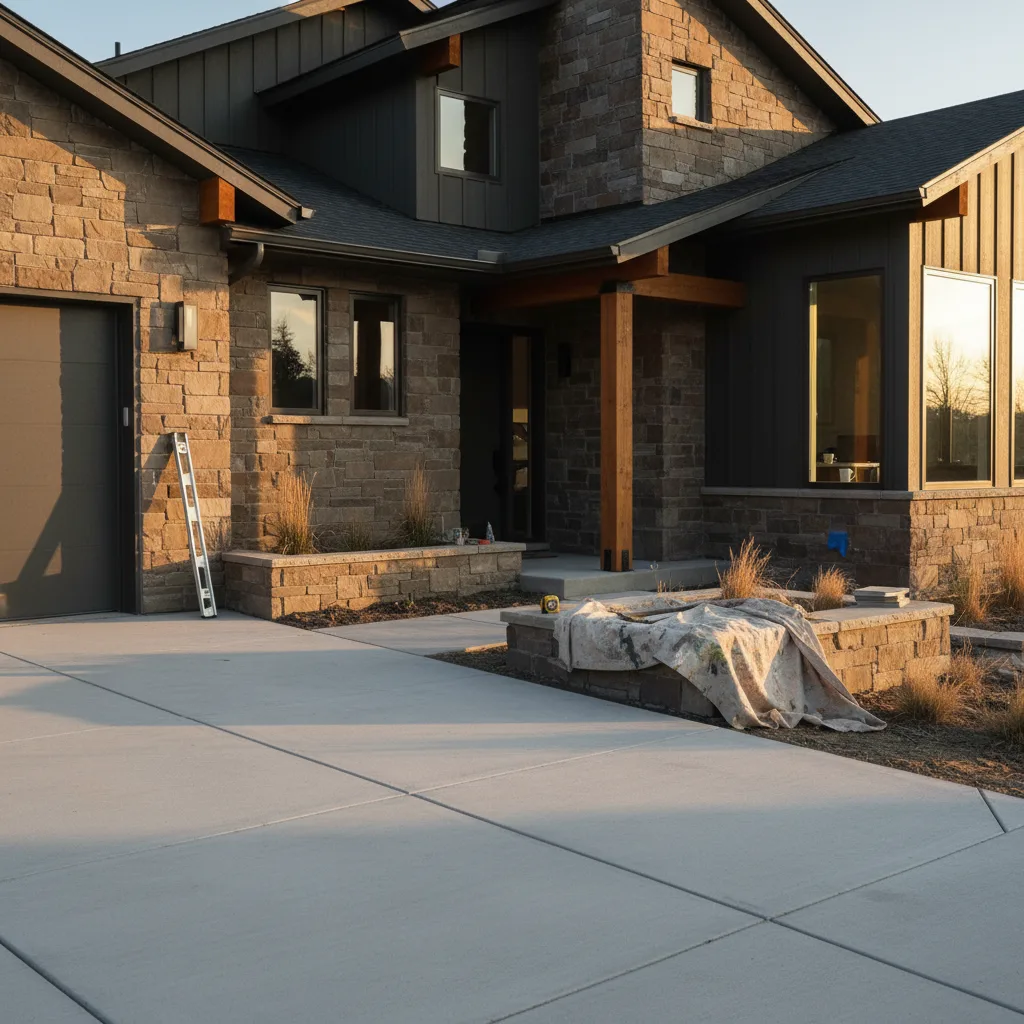
A new driveway in Denver costs between $9,000 and $22,000 for a standard two-car concrete installation in 2026. The median project cost sits at $15,500. This range reflects a full replacement including demolition, site preparation, and professional installation. Costs can start lower, from $4,000 to $7,000, for smaller projects like an asphalt overlay, a simple gravel driveway, or a single-car pad replacement. Premium projects using heated pavers or decorative stamped concrete can exceed $60,000 depending on size and complexity.
In a Nutshell
- Total Cost Range: $4,000 to $60,000+
- Typical Mid-Range Project: $12,500, $18,500 for a 600-square-foot broom-finish concrete driveway.
- Project Timeline: Four to eight days, including demolition, grading, curing, and cleanup.
- Biggest Surprise Line Item: Excavation and soil remediation. Addressing Denver's expansive clay soil can add $2,000, $5,000 to the base cost of site preparation.
What does a driveway actually cost in Denver?
The total cost for a Denver driveway is determined by three main factors: material choice, the extent of site preparation required, and the total square footage. Below are three tiers of project costs for a typical 600-square-foot, two-car driveway.
| Tier | Description | Cost Range (2026) |
|---|---|---|
| Basic | Asphalt replacement or new gravel installation. Minimal grading, no significant drainage work. | $4,000, $9,000 |
| Mid-Range | Standard broom-finish concrete driveway. Includes removal of old driveway, proper sub-base preparation, and wire mesh or rebar reinforcement. | $9,000, $22,000 |
| Premium | Stamped or colored concrete, interlocking pavers, or a heated system. May include extensive drainage, retaining walls, or significant landscape integration. | $22,000, $60,000+ |
For a median mid-range concrete driveway project costing $15,500, the budget allocation is typically:
- Labor: 40% ($6,200)
- Materials (Concrete & Reinforcement): 30% ($4,650)
- Site Prep & Excavation: 15% ($2,325)
- Permits & Fees: 5% ($775)
- Equipment Rental: 5% ($775)
- Debris Removal & Hauling: 5% ($775)
The bottom of the cost range, around $4,000, typically represents a resurfacing project or a new gravel installation on an already level and prepared site, not a full replacement which is the more common scope of work for homeowners.
Why is it more expensive in Denver than surrounding regions?
Installing a driveway in Denver proper often costs ten to twenty percent more than in outlying suburbs or other parts of Colorado. This premium is a result of specific labor costs, geological challenges, and logistical factors within the city.
1. Skilled Labor Rates: The Denver metro area has a high demand for skilled construction labor. According to the Colorado Department of Labor and Employment's occupational wage data for the Denver-Aurora-Lakewood MSA, experienced concrete finishers and heavy equipment operators command higher wages than in other parts of the state. This direct labor cost, plus associated insurance and overhead, is a primary driver of the total project price.
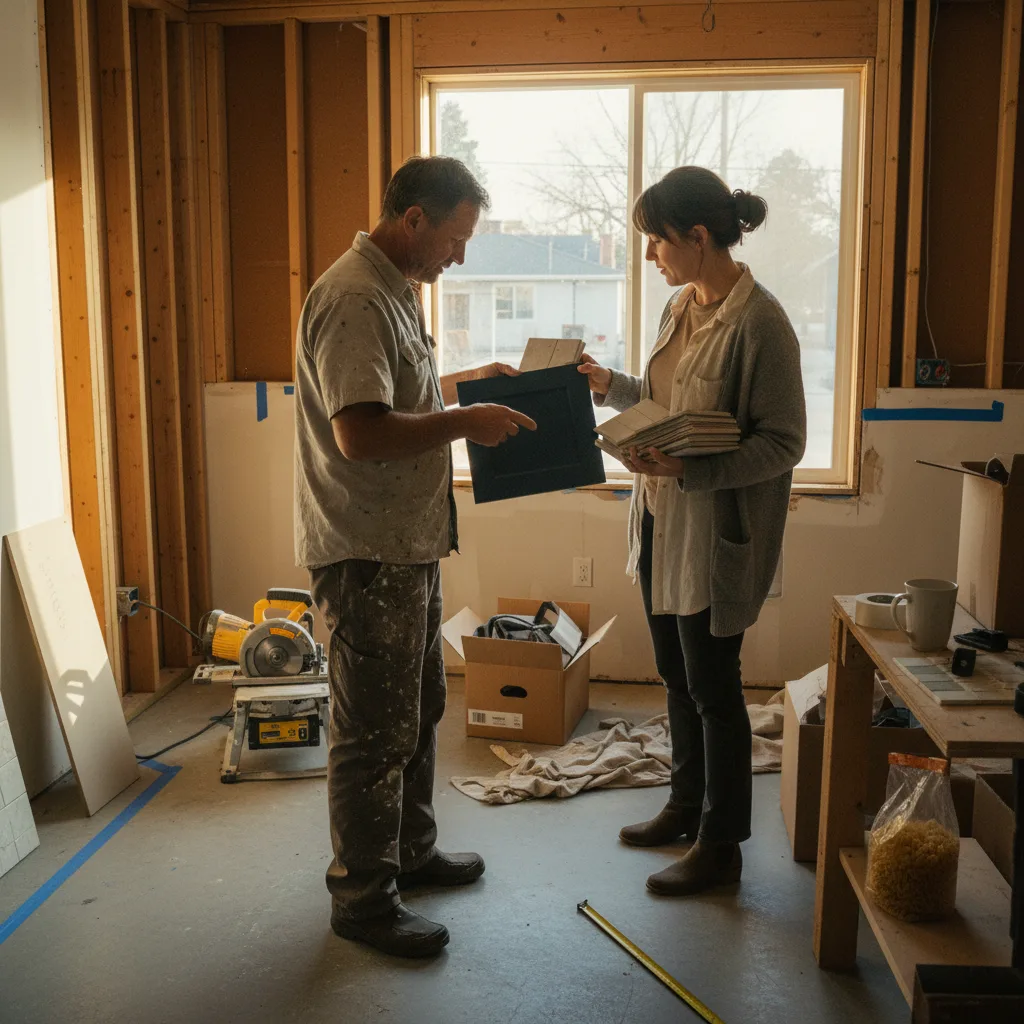
2. Soil and Climate Conditions: Denver is known for its expansive clay soils, particularly Bentonite. This soil swells significantly when wet and shrinks when dry, which can destroy a poorly prepared driveway. Proper installation in Denver requires deeper excavation (10-16 inches vs. 6-8 inches elsewhere), the removal of native soil, and its replacement with engineered structural fill like road base. This adds significant material and labor costs., the region's intense freeze-thaw cycles necessitate higher-strength concrete (4,500 PSI is common) and solid reinforcement to prevent cracking and spalling.
3. Neighborhood Premiums and Logistics: Operating in established, dense neighborhoods like Cherry Creek or Washington Park introduces logistical costs. Limited street parking for equipment, tighter access for concrete trucks, and stricter municipal regulations for traffic control and work hours increase the contractor's operating costs, which are passed on to the homeowner. Higher property values in these areas also correlate with higher contractor demand and pricing.
What do real Denver homeowners spend in 2026?
Three modeled project scenarios for 2026, built from the Renology Cost Index and typical local scopes. These are illustrative estimates, not completed client projects:
- Washington Park ($17,800): This project involved replacing a cracked, 550-square-foot asphalt driveway with standard 4,500 PSI broom-finish concrete. The scope included demolition, hauling, excavation of 12 inches of clay soil, installation of a six-inch road base subgrade, rebar reinforcement, and a simple French drain along the garage apron to manage water runoff.
- Central Park (formerly Stapleton) ($31,500): For a newer home, the owners opted for a 650-square-foot paver driveway. The cost included extensive site work to ensure a stable base, the pavers themselves, polymeric sand, edge restraints, and the specialized labor required for paver installation. The higher cost reflects the premium materials and more labor-intensive process.
- Highlands ($11,200): This was a replacement of a failing asphalt driveway of approximately 600 square feet. The homeowner chose asphalt again to manage costs. The project included milling the old surface, repairing and re-compacting the existing sub-base which was in decent condition, and laying a new three-inch layer of hot-mix asphalt. The cost was lower due to less extensive excavation and the lower material cost of asphalt compared to concrete.
Where does the money actually go?
3 Denver driveway contractors, editor-screened. 4 questions.
See my 3 matchesA contractor's initial quote often covers the basics, but several necessary line items may not be explicitly detailed. Homeowners should budget for these potential costs, which are critical for a long-lasting driveway in Denver.
- Extensive Excavation for Clay Soil: Standard quotes may assume minimal excavation. If deep pockets of expansive soil are found, removal and replacement can add $1,500, $4,000.
- Sub-base and Compaction: The cost of bringing in and properly compacting six to ten inches of Class 6 road base is a critical, and sometimes understated, expense. This can be $2,000, $3,500 of the total cost.
- Drainage Solutions: Managing water is key. Installing a channel drain, French drain, or dry well to prevent water from pooling near the foundation can cost $1,800, $5,000.
- Permitting Fees: A permit for a new driveway or curb cut from Denver Community Planning and Development can range from $300 to $800, depending on the scope.
- Curb Cut Modification: If you are widening the driveway entrance, modifying the public curb and sidewalk requires a separate permit and specialized work, costing $2,500, $6,000.
- Tree Root Removal: If existing tree roots have damaged the old driveway, removing them and installing root barriers to prevent future damage can cost $500, $2,500.
- Concrete Pumping Truck: For sites with difficult access where a concrete truck cannot get close, a pump truck may be required, adding $700, $1,200 to the project.
- Thickened Edges and Apron: A properly installed driveway has thickened edges (10-12 inches deep) and a reinforced apron at the garage and street for durability. This requires more concrete and labor, often a hidden part of the material cost.
What stops a Denver driveway from running over budget?
Driveway projects exceed their budgets for predictable reasons. Understanding them ahead of time is the best defense against cost overruns.
1. Unforeseen Site Conditions: This is the most common cause of budget issues for Denver driveways. The contractor may discover extremely poor soil conditions, buried debris from previous construction, or shallow utility lines once excavation begins. These issues require immediate and costly solutions not included in the original scope. The National Association of Home Builders recommends a ten to fifteen percent contingency on renovations in homes over thirty years old.
2. Scope Creep: It is easy to expand the project once work has started. A homeowner might decide to add a walkway, a new patio slab, or upgrade from a broom finish to a more expensive stamped pattern. While these additions can be worthwhile, they were not part of the initial bid and will increase the final cost and timeline.
3. Inadequate Drainage Planning: A quote that seems too low may have skimped on a proper drainage plan. Discovering after the first rainstorm that water now pools against your garage foundation will require expensive, post-installation fixes like cutting in a channel drain. Proper grading and drainage must be part of the initial plan.
Planning Your Project and Permits
Most driveway replacements in Denver require a permit to ensure they comply with regulations for grading, materials, and public right-of-way. For a detailed guide on navigating the local requirements, see our guide: [/guides/denver-driveways-permit-playbook-2026](/guides/denver-driveways-permit-playbook-2026).
What should your Denver contractor include in the quote?
A detailed quote is the foundation of a successful project. A professional driveway contractor in Denver should provide a written estimate that itemizes the following:
- Project total square footage.
- Scope of demolition and cost of hauling away old material.
- Depth of excavation and details on soil removal.
- Type, depth, and compaction method for the sub-base material (e.g., 6 inches of compacted Class 6 road base).
- Type and placement of reinforcement (e.g., #4 rebar on an 18-inch grid).
- Specified concrete strength in PSI (Pounds per Square Inch), typically 4,000-4,500 PSI for Denver.
- Specified concrete thickness (e.g., 4 inches minimum).
- Details on thickened edges and aprons.
- Finish type (e.g., broom finish, exposed aggregate, stamped pattern).
- Plan for control joints (location and depth).
- Curing method and application of sealant.
- Details of any drainage systems being installed.
- Proof of liability insurance and worker's compensation.
- A clear payment schedule and project timeline.
Renology Take
Homeowners often focus on the visible surface material, debating the merits of pavers versus stamped concrete. This is a mistake. The longevity of a Denver driveway is almost entirely determined by the unseen work below the surface. The meta-pattern we see in failed projects is a fixation on aesthetics at the expense of engineering. A beautiful but cheap installation will fail within five to seven years due to Denver's unforgiving soil and climate. A homeowner's time is better spent questioning a contractor about their sub-base preparation, compaction methods, and drainage plan than debating stamp patterns. Investing an extra fifteen to twenty percent in the foundation of the driveway, the part you will never see, is what prevents catastrophic failure and protects the much larger cost of the project itself.
Sources & Methodology
Renology reviews public permit and labor signals, supplier pricing, remodeler quote patterns, comparable projects, the Renology Cost Index, and the Renology Methodology. Cost references are planning ranges for Denver driveway projects, not fixed bids.
- Colorado Department of Labor and Employment, Denver-Aurora-Lakewood MSA Occupational Wage Data (2025)
- Remodeling Magazine, 2026 Cost vs. Value Report
- Denver Community Planning and Development, Permitting Fee Schedule (2026)
- National Association of Home Builders (NAHB) Construction Cost Survey (2025)
- Home Depot Pro, Regional Concrete and Aggregate Material Cost Survey (Q4 2025)
- Renology Project of the Day (POTD) Network, Denver Metro Data (2024-2026)
Denver · pre-screened
Get 3 Denver driveway bids in 48 hours.
Our editors already vetted Denver driveway contractors. Answer 4 questions and we send 3 written bids inside 48 hours, with the real price for your scope, not their inflated first-call number.
- Free, no commission
- Pre-screened locally
- Bids inside 48 hours
Takes about 60 seconds. We'll text you when bids arrive.