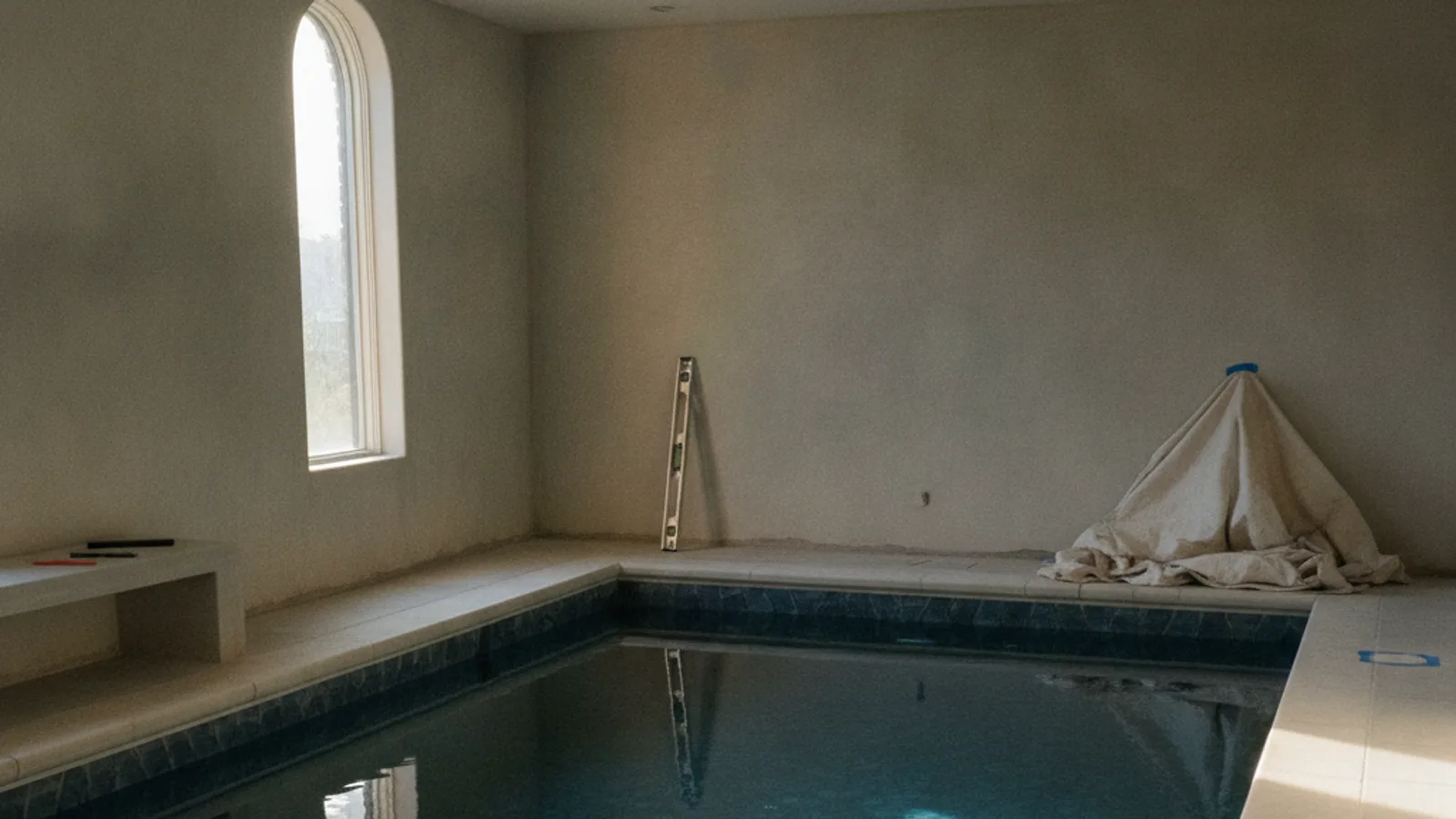
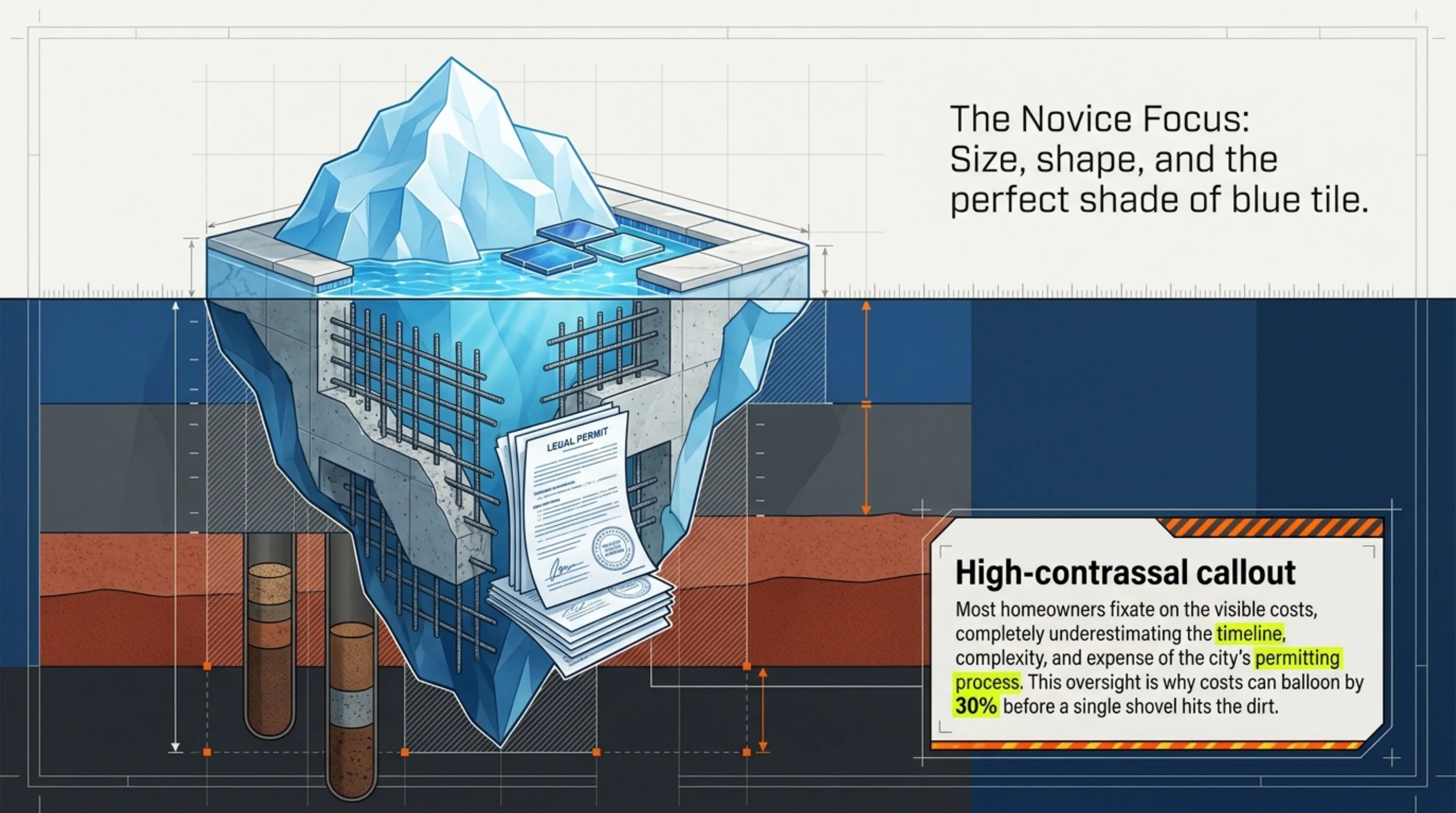
Planning a new pool in San Francisco? Your first thought is likely about size, shape, and the perfect shade of blue tile. That's a mistake. The first, and most critical, question is about paperwork. Most homeowners fixate on the visible costs of construction and finishes, completely underestimating the timeline, complexity, and expense of the city's permitting process. This oversight is the number one reason a pool cost in San Francisco can balloon by thirty percent before a single shovel hits the dirt.
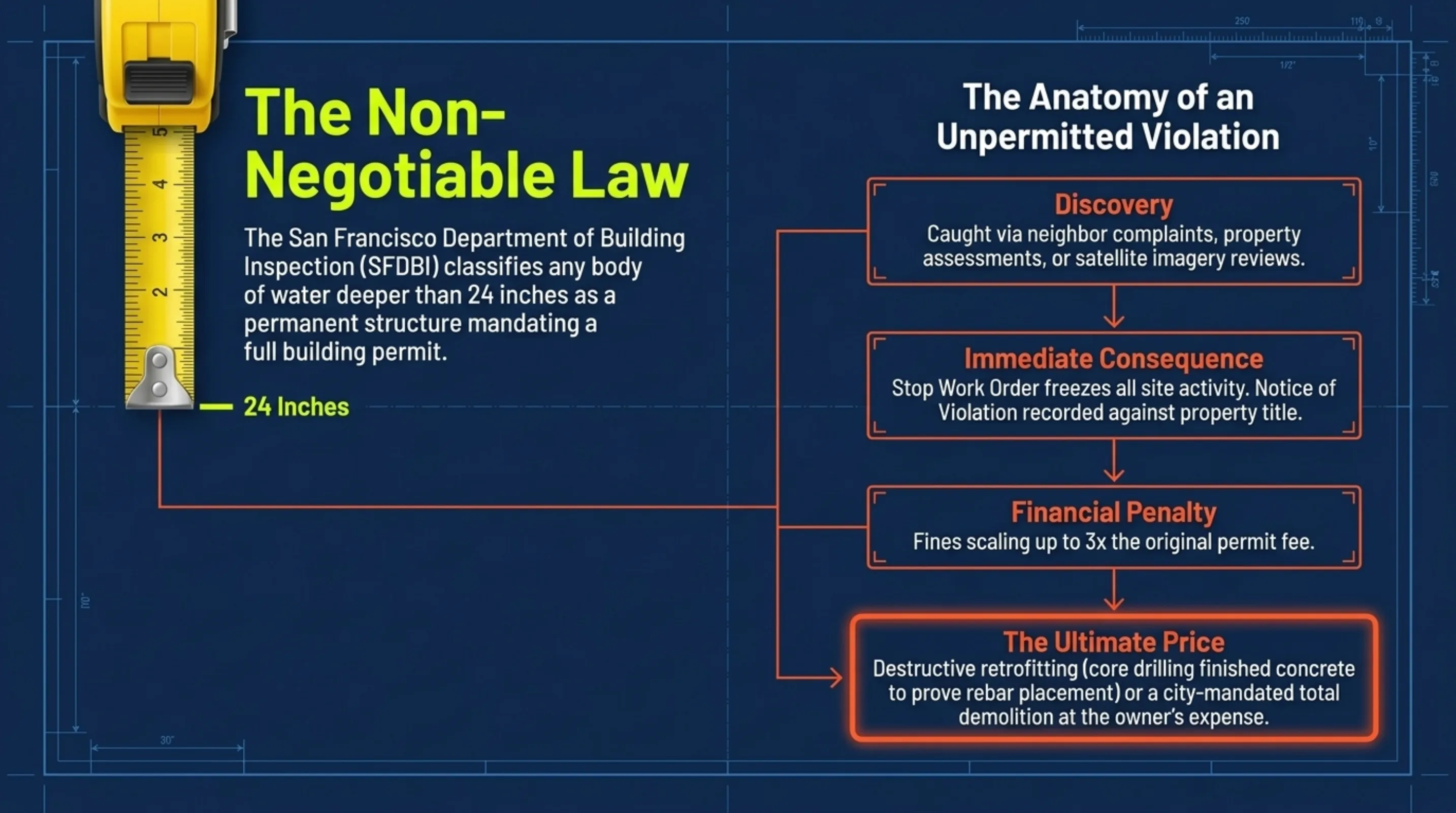
Yes, you absolutely need a permit to build a swimming pool in San Francisco. The San Francisco Department of Building Inspection (SFDBI) classifies any new in-ground or above-ground pool deeper than 24 inches as a permanent structure. This requires a full building permit, complete with architectural, structural, and often geotechnical plans reviewed and approved before any work begins.
Why San Francisco Pool Permits Are Not Optional
Skipping the permit process for a pool installation is a high-stakes gamble you will lose. The San Francisco Department of Building Inspection (SFDBI) has a notoriously solid enforcement division. Most unpermitted work gets discovered through neighbor complaints, satellite imagery reviews during property assessments, or when you eventually try to sell the property. The consequences are severe. You’ll face a Stop Work Order, which freezes all activity on site. Then come the penalties, often triple the original permit fee. Finally, you’ll be required to retroactively permit the work, which can involve demolishing finished sections to prove code compliance for things like rebar placement and plumbing. In a worst-case scenario, if the installation cannot meet seismic or setback codes, the city can order a complete removal at your expense. A permitted project ensures compliance with the California Building Code (CBC), protecting your family’s safety and your home’s long-term value. Don't even consider proceeding without one. A professional pool contractor in San Francisco will refuse to work without an approved permit, which is a clear sign of their legitimacy.
What a San Francisco Pool Permit Actually Costs
The cost of the permit itself is a fraction of the total pre-construction expense. Most homeowners are surprised to learn that the fees for professional reports and plans dwarf the city's filing fees. While total project costs can start lower for simple installations like a pre-fabricated spa on an existing concrete pad, a typical in-ground pool project involves significant upfront investment in documentation. Expect a multi-layered fee structure that covers everything from initial plan review to final inspection. The total pre-construction documentation and city fee package for a new pool in San Francisco typically lands between $15,000 and $35,000 before any construction begins. Here’s a typical breakdown:
- City Permit & Plan Check Fees (SFDBI): $4,000 - $9,000
- Geotechnical & Soils Report: $5,000 - $12,000
- Structural Engineering Plans: $6,000 - $15,000
- Architectural/Site Plans: $3,000 - $7,000
These figures, based on 2024 and 2025 project data from the SFDBI permit database, reflect the city's rigorous requirements for seismic safety and soil stability. Underestimating these soft costs is a common and costly mistake. For a detailed breakdown of what to expect, read our complete guide to the San Francisco pools permit playbook for 2026.
The Real Cost of Building a Pool in San Francisco
The total pool cost in San Francisco goes far beyond permits and planning. The city's challenging terrain, small lot sizes, and high labor rates make it one of the most expensive places in the country to build. The all-in cost for a professionally installed in-ground gunite pool in San Francisco typically ranges from $120,000 to $250,000 or more. The final price depends on size, access to the site, material choices, and features like integrated spas, automatic covers, or advanced lighting systems. Labor is a significant driver of this cost. According to the California Department of Industrial Relations prevailing wage data for San Francisco County, skilled trades like concrete finishers and electricians command hourly rates that are 20-30% higher than the national average. This premium reflects the high cost of living and operating a business in the Bay Area. Site access is another major factor. If your home in Noe Valley or Glen Park has limited access, requiring smaller equipment or manual excavation, labor hours can increase dramatically. Factor in landscaping, decking, and fencing, and the total project investment can easily approach the cost of a major home addition.
Three Representative Pool Projects from 2026
Three modeled project scenarios for 2026, built from the Renology Cost Index and typical local scopes. These are illustrative estimates, not completed client projects:
- The Sea Cliff Plunge Pool: $145,000. A small, 10x18-foot concrete plunge pool on a tight property line. The primary cost driver was a complex shoring plan and deep piers required by the geotechnical report due to sandy, unstable soil. Finishes were simple: a standard white plaster interior and pre-cast concrete coping. The project required extensive coordination with neighbors to manage construction access.
- The Pacific Heights Family Pool: $220,000. A 15x30-foot rectangular pool with an integrated spa and automatic cover. The site had moderate access, but the project triggered a design review due to its visibility from the street. The budget included a significant allowance for structural engineering to integrate the pool shell with the home's existing foundation on a sloped lot. Finishes included a PebbleTec interior and travertine decking.
- The St. Francis Wood Entertainment Oasis: $310,000. A large, freeform pool with a waterfall feature, baja shelf, and high-end finishes. The cost was driven by extensive site work, including the removal of mature trees and re-grading a significant portion of the yard. The budget included a full outdoor kitchen, Ipe wood decking, and a comprehensive landscape lighting package, making the pool part of a larger outdoor renovation. This project's pool cost in San Francisco was elevated by these luxury additions.
Common Reasons for Permit Delays and Budget Overruns
Most San Francisco pool projects go over budget by twenty to thirty percent. The reasons are predictable. The homeowners who stay on track anticipate the hurdles before they happen. The number one delay is an incomplete or inaccurate submittal package to the SFDBI. The city's plan checkers are meticulous; any missing detail on structural plans or energy compliance forms will result in a rejection, sending you to the back of the review queue and adding months to your timeline. The second major issue is unforeseen geological conditions. Your geotechnical report might recommend standard piers, but excavation reveals serpentine rock, requiring more expensive drilling and specialized equipment. This is where a contingency fund is essential. The National Association of Home Builders recommends a ten to fifteen percent contingency on renovations in homes over thirty years old. For a pool project in San Francisco's tricky soil, twenty percent is safer. Finally, neighborhood design reviews, especially in areas with active homeowner associations or specific zoning overlays, can add significant time and cost if your plans require revisions to meet aesthetic guidelines.
Finding the Right Pool Contractor in San Francisco
3 San Francisco pool builders, editor-screened. 4 questions.
See my 3 matchesChoosing your pool contractor is the most important decision you'll make. Most homeowners get one or two quotes and pick the cheapest. This is a recipe for disaster. A low bid often signals an inexperienced contractor who hasn't accounted for the true cost of SF's regulations. The right pool contractor in San Francisco will have a deep portfolio of local projects and a dedicated permit runner who understands the SFDBI's process. Here’s how to choose: Get three detailed quotes. Check three recent local references. Visit one finished job in person. When reviewing quotes, look for line-item detail, not a single lump-sum number. A professional bid will break out costs for excavation, steel, gunite, plumbing, electrical, and finishes. Ask pointed questions about their experience with seismic requirements and waterproofing in the Bay Area's marine climate. Verify their license and insurance are active and appropriate for the scale of your project. This diligence upfront prevents massive headaches later.
The Role of Geotechnical and Structural Engineers
In San Francisco, a pool is not just a vessel for water; it's a significant structural and geological undertaking. You cannot get a permit without involving two key specialists: a geotechnical engineer and a structural engineer. The geotechnical engineer investigates the soil on your property. They drill boreholes to analyze the soil composition, stability, and groundwater levels. Their findings are compiled into a detailed geotechnical report, which dictates the foundation requirements for the pool. This isn't optional; it's a city mandate to prevent pools from sliding, cracking, or sinking. The structural engineer then uses the geotechnical report to design the pool shell itself. They specify the thickness of the concrete, the size and spacing of the steel rebar, and any required drainage or shoring systems to ensure the structure can withstand the immense pressure of the water and the seismic forces of an earthquake. These two roles are non-negotiable and represent a significant portion of your pre-construction budget. Trying to cut corners here will guarantee a permit denial from the SFDBI.
Information Gain: What Your Contractor Isn't Telling You About Finishes
Most contractors talk about pool finishes in terms of color and texture. That’s surface-level thinking. In San Francisco, you must think about chemistry and climate. The city's persistent coastal fog and salt-laden air create a uniquely challenging environment for pool materials. Most standard pool coping, like porous travertine or pre-cast concrete, will absorb this moisture. If not sealed with a high-quality impregnating sealer like Dry-Treat STAIN-PROOF, you’ll see efflorescence (white, chalky residue) and spalling within five years. Your choice of tile grout is equally critical. Standard cementitious grout will quickly stain and degrade from the damp conditions. Specify an epoxy grout, like Laticrete SpectraLOCK Pro, for waterline tile. It’s non-porous and will resist mildew and chemical erosion. For metal components, like ladders or drain covers, never accept standard 304 stainless steel. The salt in the air will cause tea-staining and pitting. Insist on marine-grade 316L stainless steel for any metal element. The same goes for trim pieces. If your design includes a tile edge, use a profile from Schluter-Systems made of 316L stainless. These material specifications add a small percentage to the upfront pool cost in San Francisco but prevent premature failure and costly repairs down the road.
Navigating SFDBI and the Planning Department
Getting a pool permit in San Francisco means dealing with at least two city agencies: the San Francisco Department of Building Inspection (SFDBI) and the SF Planning Department. The Planning Department is your first stop. They review your project for compliance with zoning regulations, including property line setbacks, lot coverage limits, and any neighborhood-specific design guidelines. This is where projects in historic districts or on prominent corner lots can face extra scrutiny. Once Planning gives you the green light, your application moves to the SFDBI. Here, plan checkers from multiple divisions (structural, electrical, plumbing, mechanical) will review your construction documents for code compliance. The key to a smooth process is a perfectly prepared application. A single missing form or unclear detail on the plans will get your project flagged, adding weeks or even months to your review time. Experienced local contractors and architects understand this. They know exactly how SFDBI wants to see plans formatted and which specific forms are required, which is why hiring a team with a proven San Francisco track record is invaluable. Don't try to manage this process yourself unless you have extensive experience with municipal bureaucracy.
San Francisco-Specific Pool Regulations to Know
Building a pool in San Francisco comes with a unique set of rules driven by seismic activity and dense urban living. The California Building Code has specific chapters on swimming pool construction, but SFDBI often has stricter interpretations. First, seismic engineering is paramount. Your structural plans must show how the pool shell is designed to handle lateral and vertical ground movement without cracking. This often involves more steel rebar and thicker concrete than in non-seismic zones. Second, property line setbacks are strictly enforced. In most residential districts, a pool must be at least five feet from any side or rear property line, and often further from the main house. There is very little room for variance here. Third, safety is non-negotiable. Your permit will not be finalized until you install multiple layers of protection, typically including a perimeter fence of at least five feet with a self-closing, self-latching gate; an approved safety cover (like an automatic vinyl cover); and alarms on all doors and windows leading from the house to the pool area. These aren't suggestions, they are legal requirements for final inspection sign-off. Planning for these from day one prevents costly retrofitting later.
Frequently Asked Questions About San Francisco Pool Permits
How long does the permit process take in San Francisco?
The timeline for securing a pool permit in San Francisco is longer than most homeowners expect. For a straightforward project with a complete and accurate application package, you should budget six to nine months from initial submission to permit issuance. This timeframe can easily extend to a year or more if your project requires variances, has a complex structural design, or is located in a sensitive historic or coastal zone. The process involves sequential reviews by the Planning Department and then multiple divisions within the SFDBI. A single request for additional information from any one of these departments can pause the process and add weeks to the clock. The homeowners who plan for a full year of permitting for their pool san francisco 2026 project are the ones who are least likely to be frustrated by the reality of the city's thorough, but slow, review system.
Can I apply for the permit myself as an owner-builder?
While technically possible under California law for you to act as an owner-builder, it is strongly discouraged for a project as complex as a swimming pool in San Francisco. The application requires highly technical documents, including wet-stamped plans from licensed structural and geotechnical engineers. You would be personally responsible for ensuring every detail of these plans complies with the intricate and ever-changing California Building Code and San Francisco-specific amendments. Any error or omission will lead to lengthy delays., as an owner-builder, you assume all legal liability for the project, including worker safety and construction defects. Most homeowners lack the expertise to manage the SFDBI review process and the complex sequence of required inspections. Hiring a licensed, insured pool contractor in San Francisco who manages the permitting is a far safer and more efficient path.
What happens if I build a pool without a permit?
Building a pool without a permit in San Francisco is a serious violation with severe financial and legal consequences. The SFDBI will issue a Stop Work Order and a Notice of Violation, which gets recorded against your property title, creating a cloud that prevents sale or refinancing. You will be required to pay penalty fees, often two to three times the original permit cost. Then, you must hire licensed professionals to create “as-built” plans of the unpermitted work and submit them for a retroactive permit. This often requires destructive testing, such as core drilling the concrete shell to verify rebar placement, which you must pay to have done and then repaired. If any part of the construction is found to violate code, the city can mandate its demolition and reconstruction. In short, the cost and stress of remediation will far exceed the cost of doing it correctly from the start.
Do I need a permit for a small hot tub or spa?
Yes, in almost all cases. The rule in San Francisco is that any body of water deeper than 24 inches requires a permit. This includes most pre-fabricated hot tubs and in-ground spas. In addition to a building permit for the structure itself, you will also need separate electrical and plumbing permits for the associated hookups. The electrical work is particularly scrutinized and must be performed by a licensed electrician to ensure it meets all safety codes related to grounding and GFCI protection for installations near water. If the spa is installed on a new or existing deck, the deck's structure must also be permitted and proven capable of supporting the immense weight of the water-filled spa, which can easily exceed 4,000 pounds. Don't assume a “portable” spa is exempt; if it's connected to permanent wiring, it needs a permit.
Are there special rules for pools in historic districts like Pacific Heights?
Yes, absolutely. If your home is in a designated historic district, like Pacific Heights or Presidio Heights, or is individually landmarked, any exterior alteration, including adding a pool, is subject to a higher level of review. Your project will require a Certificate of Appropriateness (COA) from the Historic Preservation Commission before you can even apply for a building permit from SFDBI. The commission will review your plans to ensure the pool's location, design, and associated features (like fencing and decking) are compatible with the historic character of the property and the district. This process adds significant time, often three to six months, and may require you to make design concessions, such as using specific materials or hiding equipment from public view. Hiring an architect with specific experience in historic preservation in San Francisco is critical for navigating this complex and subjective review process successfully.
What kind of inspections are required during construction?
A pool installation in San Francisco requires a series of inspections at critical stages of construction. Your permit is not final until every one of these has been passed. A typical sequence includes: a pre-excavation site inspection, an inspection of the steel rebar placement before the concrete shell is sprayed, a pre-plaster inspection of all plumbing and electrical bonding, and a final inspection once all safety features (fences, alarms, covers) are installed and operational. An SFDBI inspector must visit the site and sign off at each of these milestones. Failing an inspection means work stops until the issue is corrected and a re-inspection is passed. This is why it is so important to work with a contractor who knows the code inside and out. They will build it correctly the first time, ensuring a smooth inspection process and preventing costly delays to your project timeline.
Sources & Methodology
See the Renology Methodology for how sources are reviewed, ranges are normalized, and planning-data limits are handled.
Cost ranges in this guide draw on the following named industry sources, public agency datasets, and Renology editorial research.
- San Francisco Department of Building Inspection (SFDBI) Permit Database (2025)
- California Department of Industrial Relations, Prevailing Wage Data (2026)
- National Association of Home Builders (NAHB) (2024)
- California Building Code (CBC), Title 24 (2022)
- San Francisco Planning Department, Zoning Regulations (2025)
- American Society of Civil Engineers (ASCE) 7-22 (2022)
- Laticrete International, Inc. Technical Data Sheets (2026)
- Schluter-Systems Product Specifications (2026)
Renology Take
Most homeowners focus on the physical object: the concrete shell, the tile, the water. They see the permit as a bureaucratic hurdle to be cleared. This is the core mistake. In San Francisco, the permit process *is* the project. It’s where the critical decisions are made. The geotechnical report dictates the engineering, the engineering dictates the cost, and the city's review timeline dictates your entire schedule. The homeowners who have a successful, on-budget experience are the ones who shift their mindset. They invest heavily in the pre-construction phase, hiring the best local team of engineers and architects they can find. They treat the plan set not as a formality for the city, but as the essential blueprint for their investment. They understand that a well-prepared, meticulously detailed submission to SFDBI isn't about appeasing a bureaucrat; it's the ultimate form of risk management for one of the most expensive and complex additions you can make to a home in this city.
This article is from The Renology Magazine, the renovation magazine and contractor-advisory for homeowners in Southern California, San Diego, and Greater Seattle. Want more renovation breakdowns? Search "The Renology Magazine" on Google.
Frequently Asked Questions
How long does the pool permit process take in San Francisco?
Can I apply for a San Francisco pool permit myself as an owner-builder?
What happens if I build a pool in San Francisco without a permit?
Do I need a permit for a hot tub or spa in San Francisco?
Are there special rules for pools in historic districts like Pacific Heights?
What kind of inspections are required during a pool installation?
San Francisco · pre-screened
Get 3 San Francisco pool bids in 48 hours.
Our editors already vetted San Francisco pool builders. Answer 4 questions and we send 3 written bids inside 48 hours, with the real price for your scope, not their inflated first-call number.
- Free, no commission
- Pre-screened locally
- Bids inside 48 hours
Takes about 60 seconds. We'll text you when bids arrive.
Sources
- San Francisco Department of Building Inspection (SFDBI) Permit Database
- California Department of Industrial Relations, Prevailing Wage Data
- National Association of Home Builders (NAHB)
- California Building Code (CBC), Title 24
- San Francisco Planning Department, Zoning Regulations
- American Society of Civil Engineers (ASCE) 7-22
- Laticrete International, Inc. Technical Data Sheets
- Schluter-Systems Product Specifications