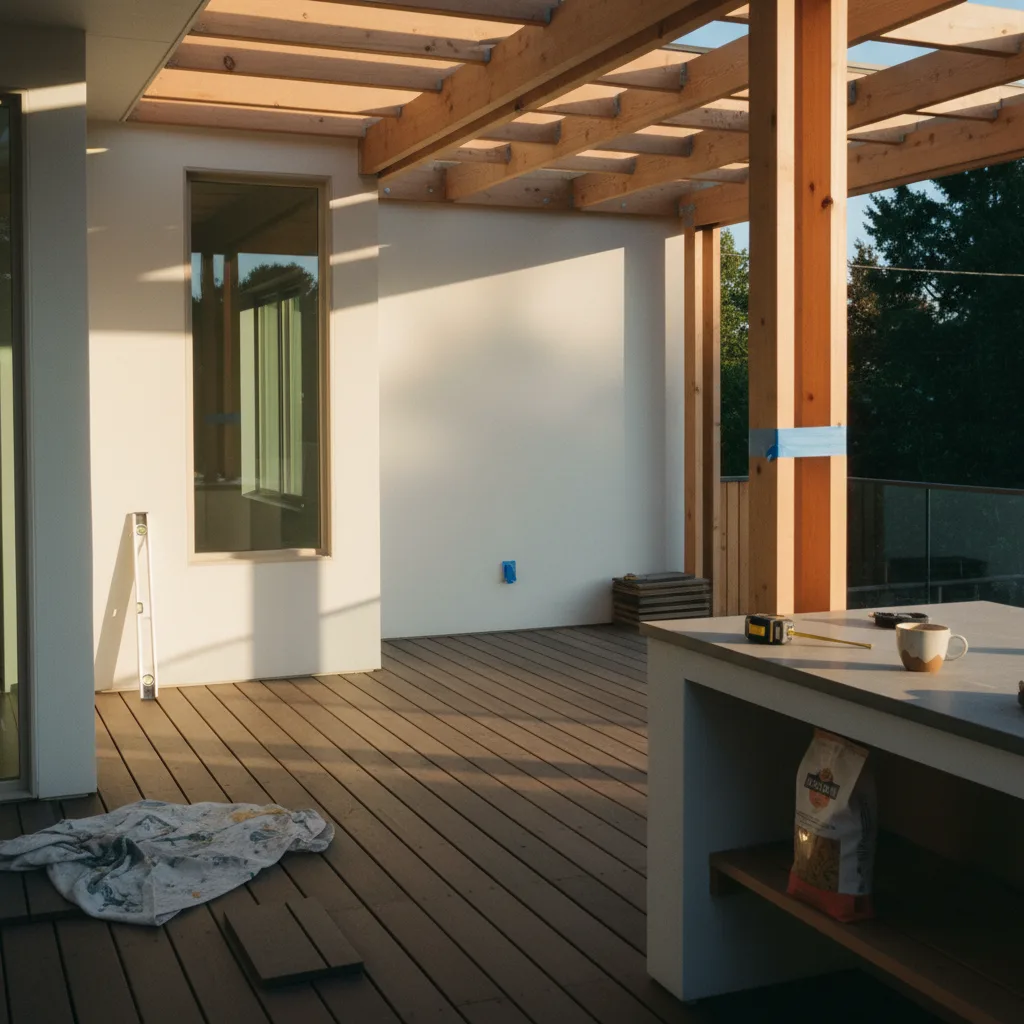
A professionally built deck and pergola in Seattle costs between $15,000 and $35,000 for a typical mid-range composite deck with a simple cedar pergola. The full cost range for decks and pergolas in Seattle for 2026 is wide, from $15,000 for a simple ground-level platform to over $120,000 for a multi-level structure with premium materials and integrated lighting. Costs can start lower for small condo balcony refreshes or resurfacing an existing structure, but a new build typically begins around $15,000. These figures account for Seattle's higher-than-average labor and material costs, driven by regional demand and specific building code requirements for the Pacific Northwest climate.
In a Nutshell
- Total Cost Range: $15,000, $120,000+
- Typical Mid-Range Project: $15,000, $35,000 for a 320-square-foot composite deck with a cedar pergola and railings.
- Project Timeline: Four to eight weeks from final design approval to completion, including permitting.
- Biggest Surprise Line Item: Foundation and footing costs, which can run $4,500 to $9,000 due to Seattle's hilly terrain and seismic code requirements.
What Does a Deck and Pergola Actually Cost in Seattle?
The cost of building a deck and pergola in Seattle is segmented by project scope, material choice, and site complexity. We have compiled data from local contractors and the 2026 Remodeling Magazine Cost vs. Value Report to create three representative tiers.
| Tier | Cost Range (2026) | Typical Scope & Materials |
|---|---|---|
| Basic | $22,000, $35,000 | 12'x16' pressure-treated wood deck, simple railings, ground-level, basic pressure-treated wood pergola. |
| Mid-Range | $15,000, $35,000 | 16'x20' composite deck (e.g., Trex Select), aluminum railings, simple cedar pergola, minimal site prep, includes stairs. |
| Premium | $75,000, $120,000+ | 400+ sq. ft. multi-level Ipe or premium composite deck (e.g., TimberTech AZEK), custom metal and glass railings, complex hardwood pergola with polycarbonate cover, integrated LED lighting, outdoor kitchen pre-wiring. |
A typical mid-range project's budget breaks down as follows, according to data from the National Association of Home Builders (NAHB):
- Materials (Decking, Frame, Pergola): 45%
- Labor: 35%
- Permits & Design Fees: 8%
- Site Prep & Foundation: 7%
- Finishes & Hardware: 5%
The bottom of the cost range, below $15,000, typically applies to resurfacing an existing, structurally sound deck frame with new boards or building a small, non-permitted ground-level platform deck without a pergola, not a full new construction project.
Why Is Building a Deck More Expensive in Seattle?
Costs for decks and pergolas in Seattle are consistently 15-25% higher than the national median. This premium is attributable to three primary factors: labor rates, material requirements dictated by the climate, and logistical challenges tied to the city's topography.
First, skilled labor is a significant cost driver. According to 2026 Washington State L&I contractor licensing and labor rate data, a journeyman carpenter in the Seattle-Tacoma-Bellevue MSA commands an hourly wage of $45 to $65. This rate doesn't include contractor overhead, insurance, and profit, which brings the billed rate to $90, $140 per hour. This is substantially higher than in other parts of the state.
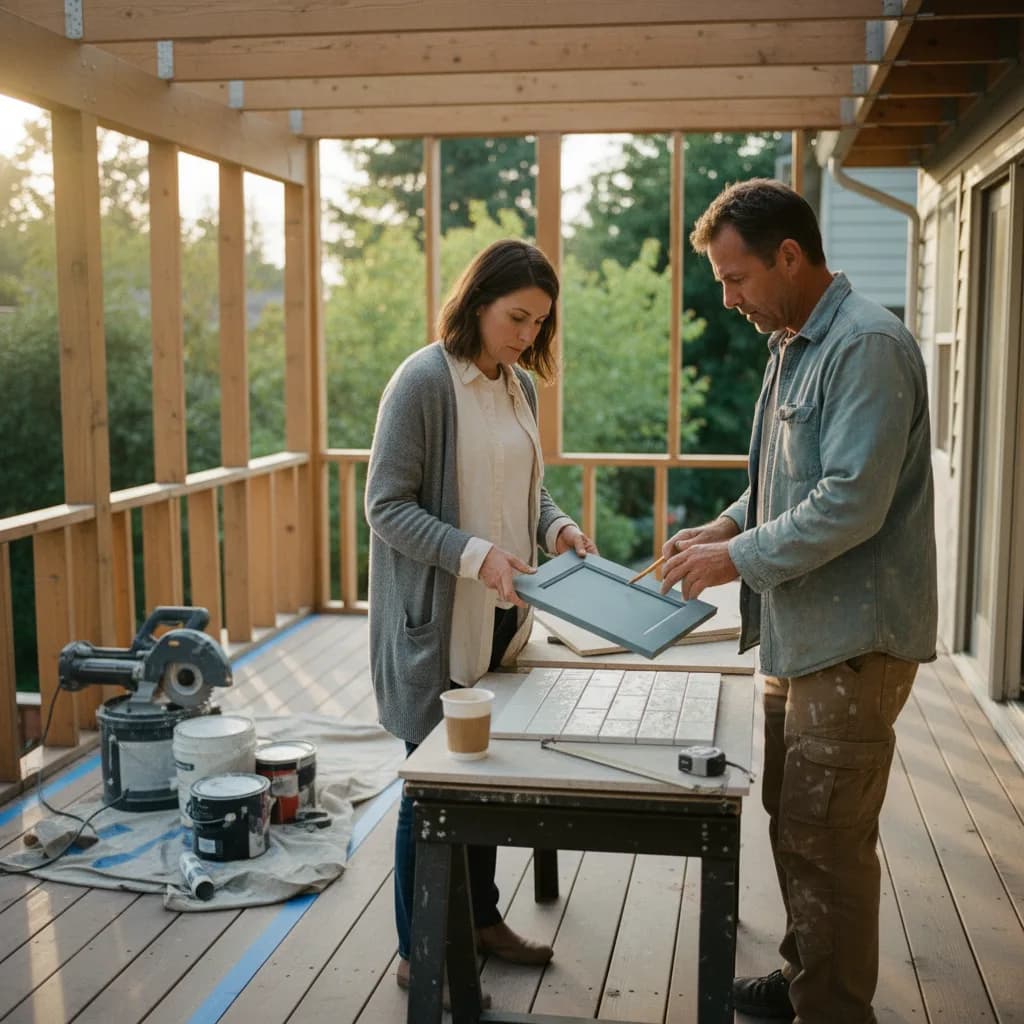
Second, the Pacific Northwest's wet climate demands more solid and expensive materials. To prevent rot and water damage, contractors strongly recommend pressure-treated lumber rated for ground contact for the substructure, along with high-quality composite decking or dense, rot-resistant woods like cedar. These materials carry a premium., seismic building codes require more substantial footings and structural hardware, adding to material and labor expenses.
Finally, neighborhood premiums and site access play a large role. Building in hilly neighborhoods like Queen Anne or Magnolia often requires extensive site preparation, grading, and more complex foundation work. Limited street parking and narrow access can also increase labor hours for material handling. A project in these areas can cost 10-15% more than an identical one on a flat lot in a neighborhood like Ballard or Wedgwood.
What Do Real Seattle Homeowners Spend in 2026?
Three modeled project scenarios for 2026, built from the Renology Cost Index and typical local scopes. These are illustrative estimates, not completed client projects:
- West Seattle: $46,500. This project involved replacing a deteriorating 300-square-foot cedar deck with a new composite deck using Trex Enhance. The scope included new concrete footings, a pressure-treated frame, aluminum cable railings for an unobstructed Puget Sound view, and a simple 10'x12' cedar pergola. The cost included demolition and haul-away of the old deck.
- Capitol Hill: $59,000. A 350-square-foot rooftop deck on a townhouse required a floating deck system built on pedestals to protect the roof membrane. The material was a premium composite from TimberTech's AZEK line. The project included a custom-fabricated steel and cedar pergola, integrated planter boxes, and low-voltage lighting. Higher costs were driven by crane rental for lifting materials and the specialized installation method.
- Sammamish: $72,000. This larger 450-square-foot project featured a multi-level Ipe hardwood deck connecting the home to a sloping backyard. It required significant grading and retaining walls. The deck included wide, cascading stairs, glass panel railings, and a large 16'x20' Western Red Cedar pergola with a polycarbonate roof for rain protection. The premium was due to the expensive Ipe material, extensive site work, and the complexity of the multi-level design.
Where Does the Money Actually Go?
3 Seattle deck builders, editor-screened. 4 questions.
See my 3 matchesInitial quotes from a decks pergola contractor in Seattle may not capture all costs. Homeowners should budget for these often-overlooked line items:
- Architectural or Structural Plans: $1,500, $4,000. Required for most decks over 200 square feet or attached to the house.
- Permit Fees (SDCI): $800, $2,500. The Seattle Department of Construction and Inspections fees are based on project valuation.
- Demolition and Debris Removal: $1,000, $3,000. Tearing down and disposing of an old deck is rarely included in a per-square-foot building estimate.
- Site Grading or Leveling: $1,200, $5,000. Necessary for sloped lots common in Seattle to ensure proper drainage and a stable foundation.
- Footing Excavation and Concrete: $3,500, $8,000. Labor and materials for digging and pouring concrete footings to meet seismic and frost-line depth codes.
- Waterproofing and Flashing: $600, $1,500. Critical for ledger board attachment to the house to prevent water intrusion, a common failure point in the rainy Seattle climate.
- Staining or Sealing (for wood): $900, $2,200. A necessary step to protect cedar or pressure-treated wood from moisture, typically done a few months after construction.
- Final Landscaping and Cleanup: $750, $2,500. Repairing lawn damage from construction and integrating the new deck into the existing yard.
What Stops a Seattle Deck Project from Running Over Budget?
Three issues commonly cause budget overruns on Seattle deck and pergola projects. First is unforeseen site conditions. Discovering poor soil stability, large roots, or underground utilities during excavation can halt work and require costly engineering solutions. Second, material price volatility, especially for specialty woods like cedar and Ipe, can impact the final cost if materials are not purchased and locked in early. Third, and most common, is scope creep. Adding features like built-in benches, lighting, or a larger pergola midway through the project will invariably increase both material and labor costs.
To mitigate these risks, a detailed plan and a contingency fund are essential. The National Association of Home Builders recommends a ten to fifteen percent contingency on renovations in homes over thirty years old. For a $50,000 deck project, this means setting aside an additional $5,000 to $7,500.
What Should Your Seattle Contractor Include in the Quote?
A detailed, fixed-price quote is your best protection against unexpected costs. Ensure your contractor provides a document that itemizes the following. Navigating the permitting process with the Seattle Department of Construction and Inspections (SDCI) is a critical step; for a complete guide, review our breakdown at /guides/seattle-decks-pergolas-permit-playbook-2026.
- A detailed scope of work, including final dimensions.
- Specific material lists (e.g., "Trex Transcend in Spiced Rum," not just "composite decking").
- Cost of demolition and debris disposal.
- Site preparation and grading plan.
- Details on footing depth, diameter, and concrete specifications.
- Framing material specifications (e.g., pressure-treated #2 grade lumber).
- Ledger board attachment method, including flashing and waterproofing details.
- Hardware specifications (e.g., galvanized or stainless steel).
- Railings and stairs design and materials.
- Pergola design, materials, and attachment method.
- Responsibility for securing permits and scheduling inspections.
- A clear payment schedule tied to project milestones.
- Projected start and completion dates.
- A statement of warranty for both labor and materials.
Sources & Methodology
See the Renology Methodology for how sources are reviewed, ranges are normalized, and planning-data limits are handled.
Cost ranges in this guide draw on the following named industry sources, public agency datasets, and Renology editorial research.
- Remodeling Magazine, 2026 Cost vs. Value Report (Seattle, WA) (2026)
- National Association of Home Builders (NAHB) (2026)
- Seattle Department of Construction and Inspections (SDCI), Permit Fee Schedule (2026)
- Washington State Department of Labor & Industries (L&I), Prevailing Wage Data (2026)
- Trex Company, LLC., Professional Deck Builder Cost Calculator (2026)
- Renology Project of the Day (POTD) Network, Seattle MSA Data (2025-2026)
Renology Take
The most significant pattern we see in Seattle deck projects is a mismatch between homeowner expectations for longevity and their initial material choices. The persistent dampness of the Pacific Northwest is unforgiving to improperly specified or installed materials. Many budget-focused projects opt for pressure-treated wood decking or lower-tier composites, only to face rot, mold, or warping within seven to ten years. The ledger board connection to the house is another frequent point of failure. A few thousand dollars saved upfront can lead to a $15,000 repair bill down the line. The wisest cost allocation in this climate is not on cosmetic features but on the unseen elements: a solid, well-drained foundation, high-quality ground-contact lumber for the frame, meticulous flashing, and premium, low-maintenance decking materials. These choices dictate whether a deck is a 10-year liability or a 30-year asset.
Frequently Asked Questions
Is a wood or composite deck better for the Seattle climate?
Do I need a permit for a deck or pergola in Seattle?
How much value does a new deck and pergola add to a Seattle home?
What is the best time of year to build a deck in Seattle?
Seattle · pre-screened
Get 3 Seattle deck bids in 48 hours.
Our editors already vetted Seattle deck builders. Answer 4 questions and we send 3 written bids inside 48 hours, with the real price for your scope, not their inflated first-call number.
- Free, no commission
- Pre-screened locally
- Bids inside 48 hours
Takes about 60 seconds. We'll text you when bids arrive.
Sources
- Remodeling Magazine, 2026 Cost vs. Value Report (Seattle, WA)
- National Association of Home Builders (NAHB)
- Seattle Department of Construction and Inspections (SDCI), Permit Fee Schedule
- Washington State Department of Labor & Industries (L&I), Prevailing Wage Data
- Trex Company, LLC., Professional Deck Builder Cost Calculator
- Renology Project of the Day (POTD) Network, Seattle MSA Data