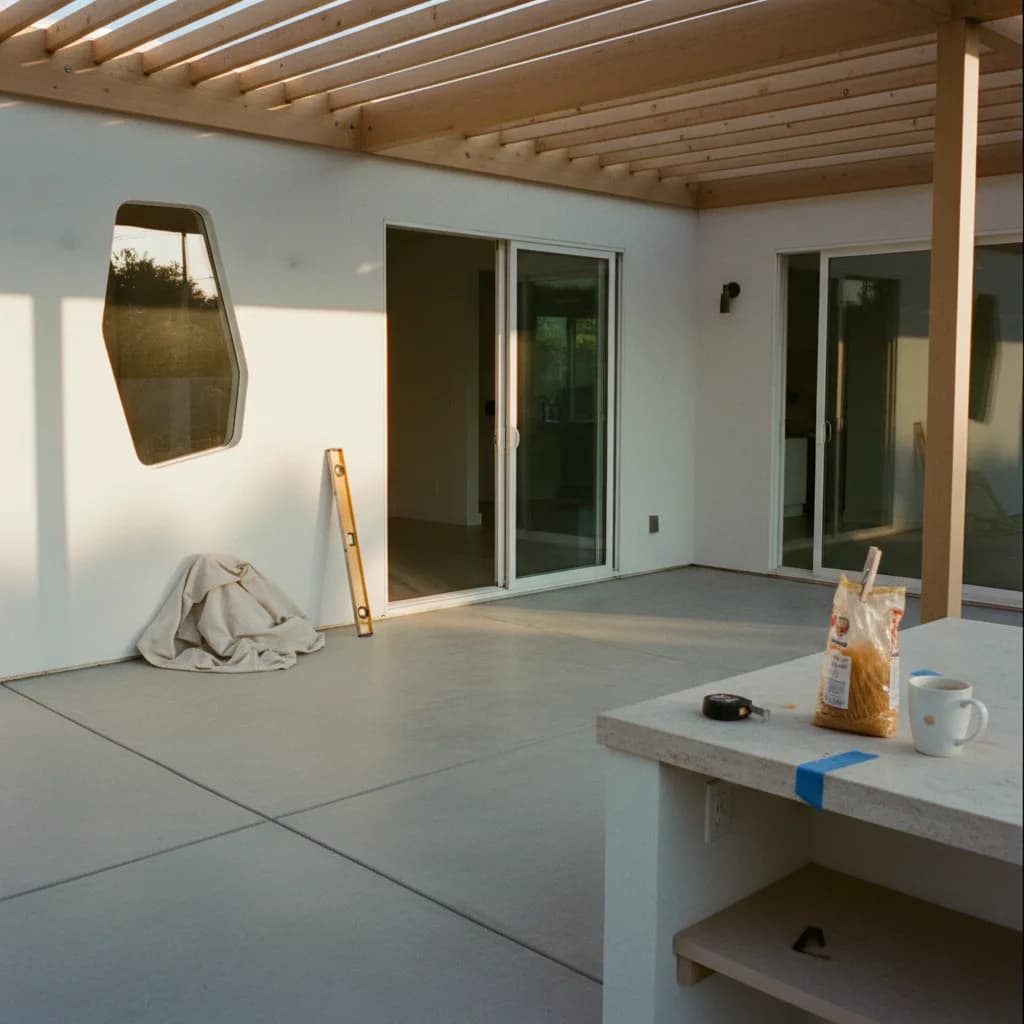
Building a deck and pergola in Los Angeles costs between $36,000 and $54,000 for a median 300-square-foot composite project in 2026. Costs can start lower, in the $15,000 to $22,000 range, for a simple pressure-treated wood deck replacement on a smaller footprint, often seen in condominium patios or townhomes. For expansive, multi-level Ipe hardwood decks with integrated lighting and custom pergolas, budgets frequently exceed $100,000. These figures reflect the total project cost, including materials, labor, and permitting specific to the Los Angeles metro area.
In a Nutshell
- Total Cost Range: $15,000 to $120,000+
- Typical Mid-Range Project: $36,000, $54,000 for a 300 sq. ft. composite deck with a standard pergola.
- Project Timeline: Six to twelve weeks from final design approval to completion, with permitting often representing three to five weeks of that duration.
- Biggest Surprise Line Item: Structural engineering plans and soil reports required for hillside properties, which can add $4,000 to $9,000 before any construction begins.
What does a decks and pergola project actually cost in Los Angeles?
The total cost of a Los Angeles decks and pergola project is determined by three factors: square footage, material selection, and structural complexity. A project's scope can be categorized into three tiers, with the mid-range representing the most common build for a single-family home.
| Tier | Scope & Materials | Typical Cost Range (2026) |
|---|---|---|
| Basic | ~200 sq. ft. pressure-treated pine deck, simple design, standard railings, no pergola. | $15,000, $22,000 |
| Mid-Range | ~300 sq. ft. composite deck (Trex, TimberTech), aluminum railings, standard 10'x12' wood or vinyl pergola. | $36,000, $54,000 |
| Premium | 400+ sq. ft. multi-level hardwood (Ipe, Cumaru) deck, custom steel pergola, built-in lighting, seating, and outdoor kitchen elements. | $80,000, $120,000+ |
For a typical mid-range project, the budget allocation is as follows:
- Materials (decking, framing, hardware): 45%
- Labor: 35%
- Permits, Design & Engineering: 10%
- Site Preparation & Demolition: 5%
- Finishes (railings, lighting): 5%
The bottom-of-range case, a basic pressure-treated wood deck, typically involves replacing an existing structure of similar size where foundations are already in place, minimizing site work and engineering requirements.
Why is it more expensive in Los Angeles than the national median?
A decks and pergola project in Los Angeles costs 20% to 35% more than the national median reported by publications like Remodeling Magazine. This premium is driven by a combination of labor rates, regulatory requirements, and local site complexities.
1. Labor Rates: The primary cost driver is skilled labor. According to the California Department of Industrial Relations prevailing wage data for Los Angeles County, journeyman carpenters command hourly rates of $65 to $95, including benefits. This is substantially higher than in other regions, and specialized installers for high-end composite or hardwood systems command a further premium. A reliable decks pergola contractor in Los Angeles must carry significant insurance and workers' compensation coverage, the costs of which are passed to the client.

2. Regulatory and Seismic Codes: The Los Angeles Department of Building and Safety (LADBS) has stringent requirements. Any deck more than 30 inches above grade requires a permit, architectural plans, and structural calculations. For homes in hillside areas, such as in Sherman Oaks or the Hollywood Hills, seismic building codes dictate deeper, more solid concrete footings and specific hardware (e.g., galvanized steel connectors) to withstand ground movement, adding 15% to 25% to the structural framing cost.
3. Material and Neighborhood Premiums: Proximity to the coast in neighborhoods like Santa Monica or Mar Vista necessitates the use of corrosion-resistant stainless steel hardware, a more costly option., contractors often build in a logistical premium for projects in densely populated areas with difficult site access, limited parking for crews, and stricter construction hours. Many Los Angeles homeowners also have a preference for premium, fire-resistant materials, especially in designated Wildland-Urban Interface (WUI) zones, which come at a higher price point.
What do real Los Angeles homeowners spend in 2026?
Three modeled project scenarios for 2026, built from the Renology Cost Index and typical local scopes. These are illustrative estimates, not completed client projects:
1. Eagle Rock - $41,500: This project involved replacing a deteriorating 250-square-foot wood deck with a mid-range composite material (Trex Select). The scope included new pressure-treated framing, code-compliant footings, and a simple black aluminum railing system. The homeowner opted out of a pergola to stay within budget. The permitting process with LADBS took four weeks.
2. Culver City - $88,000: For a home with a larger yard, this project featured a 350-square-foot Ipe hardwood deck. The premium cost was driven by the material choice and the inclusion of a custom-built 12'x16' attached cedar pergola. The design also incorporated built-in benches, two sets of stairs, and low-voltage LED riser lights, which required coordination with an electrician and connection to the LADWP service.
3. Studio City - $19,500: This was a straightforward deck replacement on a hillside property. The existing foundation and structural posts were deemed sound by an engineer, saving significant costs. The project scope was limited to removing the old 200-square-foot deck boards and railings and installing new pressure-treated pine decking and a simple wood railing to match the home's rustic style. Because the structure was not altered, the permit was more streamlined.
Where does the money actually go?
3 Los Angeles deck builders, editor-screened. 4 questions.
See my 3 matchesInitial quotes from a decks pergola contractor in Los Angeles often focus on the major items like decking and labor. However, several other line items are necessary for a complete, code-compliant project. Homeowners should ensure these are accounted for in their budget.
- Structural Engineering Plans: $1,500, $4,000. Required by LADBS for nearly all new decks.
- Geotechnical or Soils Report: $2,500, $5,000. Often required for projects on hillsides or in areas with expansive soil.
- Permit Fees: $800, $2,500. This includes plan check, inspection, and issuance fees from LADBS.
- Demolition and Debris Haul-Away: $1,500, $3,500. The cost to safely dismantle and dispose of an old deck or concrete patio.
- Site Grading and Drainage: $1,000, $4,000. Necessary to ensure water flows away from the new foundation and the home's structure.
- Outdoor Electrical Work: $2,500, $6,000. For outlets, lighting, or ceiling fans on a pergola. This requires a separate permit and a licensed electrician.
- Upgraded Hardware: $750, $2,000. The cost premium for stainless steel or other corrosion-resistant fasteners required in coastal areas.
- Final Cleanup and Landscaping Repair: $500, $1,500. Budget for repairing lawn or garden damage caused during construction.
What stops a Los Angeles decks and pergola project from running over budget?
Budget overruns on outdoor construction projects typically stem from three main sources: unforeseen site conditions, scope changes, and administrative delays.
First, discovering poor soil quality, underground utilities, or large rock formations during excavation for footings can halt work and require costly engineering changes. Second, scope creep is common. A homeowner might decide to add built-in seating, upgrade to a more expensive material, or add a gas line for a fire pit after the project has started. Each change introduces new material and labor costs. Third, delays in the permitting process with LADBS or with homeowner association architectural reviews can extend timelines, leading to increased labor costs or material price escalations. The National Association of Home Builders recommends a ten to fifteen percent contingency on renovations in homes over thirty years old.
Navigating Los Angeles Deck and Pergola Permits
Securing the correct permits is a critical step that dictates the project timeline and ensures the final structure is safe and legal. Navigating the Los Angeles Department of Building and Safety requires a clear strategy, which we detail in our guide: Los Angeles Decks & Pergolas Permit Playbook 2026. This guide explains when a permit is required, what documents you need, and how to prepare for inspections.
What should your Los Angeles contractor include in the quote?
A detailed, fixed-price quote is the best tool to prevent misunderstandings and control the decks pergola los angeles cost. Your contractor's proposal should explicitly itemize the following:
- Scope of work, including square footage and dimensions.
- Demolition and disposal of any existing structures.
- Site preparation, including any required grading.
- All costs associated with the permit application and management process.
- Engineering fees, if required.
- Footing specifications: depth, diameter, and concrete PSI.
- Framing material specifications (e.g., pressure-treated Douglas Fir, grade, and spacing).
- Decking material brand, color, and series (e.g., Trex Transcend in Spiced Rum).
- Fastener type (e.g., hidden clips or color-matched screws).
- Railing system material and design.
- Pergola material, dimensions, and design.
- Stair construction details.
- Details on any built-in features like benches or planters.
- A clear payment schedule tied to project milestones.
- A projected start date and estimated duration.
Sources & Methodology
See the Renology Methodology for how sources are reviewed, ranges are normalized, and planning-data limits are handled.
Cost ranges in this guide draw on the following named industry sources, public agency datasets, and Renology editorial research.
- California Department of Industrial Relations, Los Angeles County Prevailing Wage Data (2026)
- Remodeling Magazine, Cost vs. Value Report (2025)
- Los Angeles Department of Building and Safety (LADBS), Permit Fee Schedule (2026)
- National Association of Home Builders (NAHB), Housing Market Index (Q4 2025)
- Southern California Outdoor Living Cost Survey (2025)
- Trex Company, LLC, Professional Deck Builder Pricing Guide (2026)
- Renology Project of the Day (POTD) Network Data (2023-2026)
Renology Take
The most common point of failure in budgeting for a Los Angeles deck project is underestimating the cost of the substructure and administrative overhead. Homeowners fixate on the visible surface material, comparing the per-square-foot cost of composite versus Ipe, but this is often less than half of the total expenditure. In Los Angeles, the real costs are hidden below the surface: seismic-compliant footings, engineered plans to satisfy LADBS, extensive framing lumber, and the high cost of insured, licensed labor. A deck is not a surface; it is a structure. Budgeting for the structural and regulatory components first, and the aesthetic components second, is the key to a successful project that adds lasting value. The decks pergola los angeles 2026 market demands a focus on safety and compliance as much as on style.
Frequently Asked Questions
How much does a pergola alone cost to build in Los Angeles?
What decking material has the best value in Southern California?
Do I need a permit for a deck in Los Angeles?
Can I build a deck in a high fire risk zone in Los Angeles?
How much value does a new deck add to a Los Angeles home?
Los Angeles · pre-screened
Get 3 Los Angeles deck bids in 48 hours.
Our editors already vetted Los Angeles deck builders. Answer 4 questions and we send 3 written bids inside 48 hours, with the real price for your scope, not their inflated first-call number.
- Free, no commission
- Pre-screened locally
- Bids inside 48 hours
Takes about 60 seconds. We'll text you when bids arrive.
Sources
- California Department of Industrial Relations, Los Angeles County Prevailing Wage Data
- Remodeling Magazine, Cost vs. Value Report
- Los Angeles Department of Building and Safety (LADBS), Permit Fee Schedule
- National Association of Home Builders (NAHB), Housing Market Index
- Southern California Outdoor Living Cost Survey
- Trex Company, LLC, Professional Deck Builder Pricing Guide
- Renology Project of the Day (POTD) Network Data