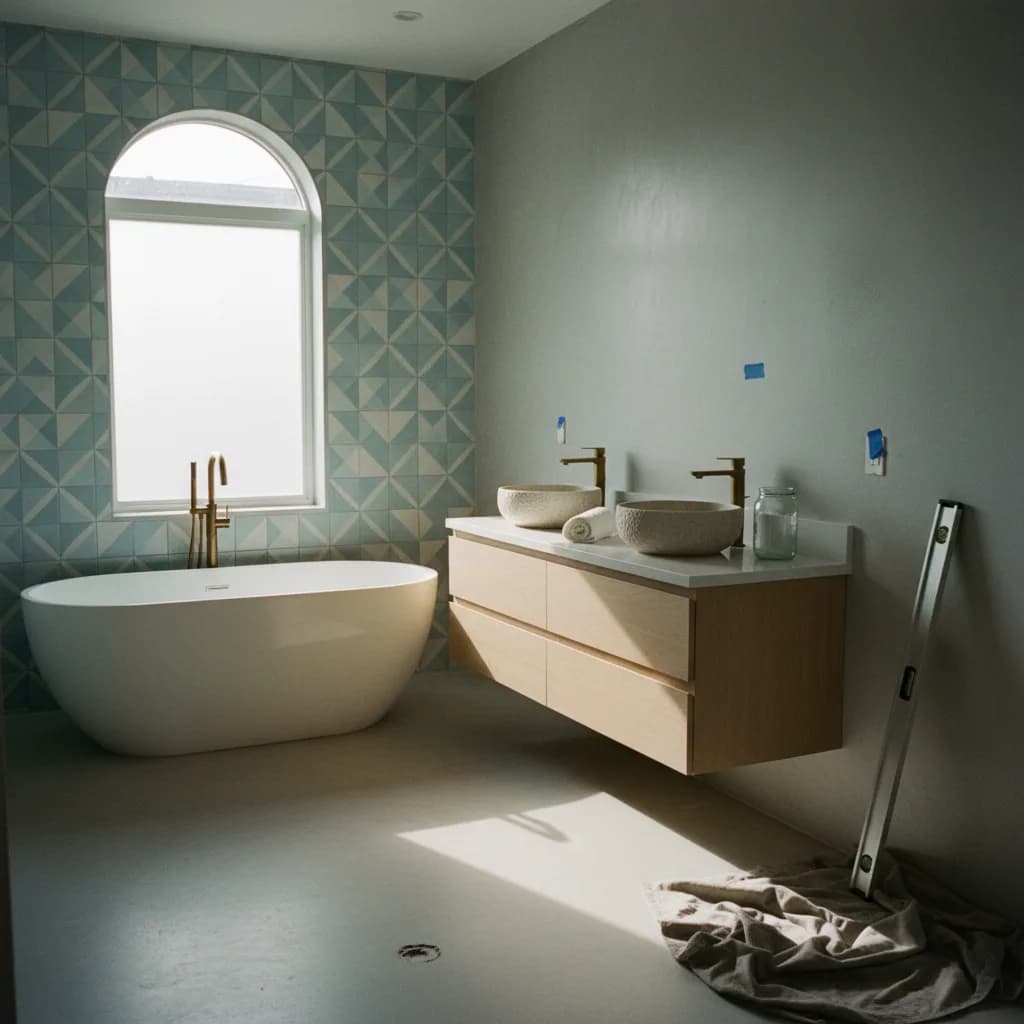
A full bathroom remodel in Miami costs between $38,000 and $55,000 for a typical 5x8 foot space in 2026. This range reflects a mid-grade project involving a full gut renovation. Costs can start lower, from $18,000 to $29,000, for cosmetic updates or smaller condominium bathrooms where plumbing stacks are fixed. For high-end primary suites in neighborhoods like Coral Gables or Miami Beach, budgets frequently exceed $70,000. These figures, based on an analysis of local contractor bids and material costs, place Miami projects approximately twelve to eighteen percent above the national median.
In a Nutshell
- Total Cost Range: $18,000 to $95,000+
- Mid-Range Project (5x8 ft): $38,000, $55,000
- Typical Timeline: Four to nine weeks
- Biggest Surprise Line Item: Waterproofing and ventilation systems, often costing $2,500, $5,000 more than homeowners expect due to Miami's high humidity and stringent building codes.
What does a bathroom remodel actually cost in Miami?
The final cost of a Miami bathroom project is determined by the scope of work, material quality, and labor complexity. We have segmented project costs into three common tiers based on 2026 data from Renology's contractor network and local material suppliers.
| Tier | Cost Range (5x8 ft Bathroom) | Scope of Work |
|---|---|---|
| Basic (Refresh) | $18,000, $29,000 | New vanity top, faucet, toilet; reglazed tub; new pre-fabricated shower enclosure; vinyl plank or ceramic tile flooring; paint. Plumbing remains in place. |
| Mid-Range (Full Gut) | $38,000, $55,000 | Full demolition; new layout possible; custom or semi-custom vanity; quartz countertop; porcelain tile floor and shower surround; frameless glass door; new toilet, tub, and fixtures; updated electrical and ventilation. |
| Premium (Luxury) | $70,000, $95,000+ | Layout reconfiguration; high-end custom cabinetry; natural stone slabs; curbless shower with multiple heads; freestanding tub; smart toilet; premium fixtures; extensive lighting plan; structural modifications. |
A mid-range project's budget typically breaks down as follows: labor (35%), tile and tilework (20%), plumbing fixtures and fittings (15%), cabinetry and vanity (12%), electrical (8%), countertops (5%), and permits and fees (5%). The bottom-of-range case, often seen in condominium refreshes, assumes no plumbing is moved and relies on builder-grade materials to keep costs below $30,000. These projects represent a smaller fraction of the market for detached single-family homes.
Why is it more expensive in Miami than surrounding regions?
Three primary factors drive costs for Miami bathrooms above those in other Florida markets. These are, in order of impact: specialized labor rates, stringent building codes, and neighborhood-specific premiums.
1. Labor Rates and Skill Scarcity
Skilled trade labor is in high demand across South Florida. According to the U.S. Bureau of Labor Statistics for the Miami-Fort Lauderdale-West Palm Beach MSA, median hourly wages for skilled construction trades are consistently higher than in other parts of the state. Plumbers, electricians, and especially tile setters with experience in complex waterproofing systems command premium rates. A licensed and insured bathroom contractor in Miami will bill for this expertise, with labor often comprising 30-40% of the total project cost, compared to a 25-30% allocation in less dense markets.

2. Hurricane Codes and Material Costs
Miami-Dade County has some of the strictest building codes in the nation, largely due to its designation as a High-Velocity Hurricane Zone (HVHZ). This affects bathroom remodels directly. Any exterior window replacement requires impact-rated glass, which can cost $1,800 to $3,500 per window versus $700 to $1,200 for a standard window. the constant exposure to humidity and salt air necessitates the use of corrosion-resistant fixtures, strong waterproofing membranes like Kerdi or RedGard, and powerful ventilation systems, all of which carry higher material and installation costs.
3. Neighborhood Premiums and Logistics
Contractor pricing varies significantly by neighborhood. Work in high-density, affluent areas like Brickell, Coral Gables, and Miami Beach carries a premium of ten to twenty percent. This is due to logistical challenges like limited parking for work vehicles, restricted work hours in condominium buildings, difficult material delivery, and higher insurance requirements. Homeowner association review processes in these areas can also add time and administrative costs to a project.
What do real Miami homeowners spend in 2026?
Three modeled project scenarios for 2026, built from the Renology Cost Index and typical local scopes. These are illustrative estimates, not completed client projects:
- Coconut Grove Guest Bath ($41,500): A 6x9 foot guest bathroom in a 1970s home required a full gut. The project included replacing cast iron plumbing lines discovered behind the wall, installing a new vanity with a quartz top, porcelain tile throughout, a new tub with a tiled shower niche, and a high-capacity exhaust fan ducted to the exterior. The cost included all labor, materials, and permits.
- Brickell Condo Primary Bath ($52,000): This project in a high-rise involved converting a tub/shower combo into a large, curbless walk-in shower with a linear drain. Due to condo regulations, all work was contained within the existing footprint. Costs were driven by high-end Italian porcelain tile, a custom floating vanity, premium fixtures from Grohe, and the extensive waterproofing required. Logistical fees and limited work hours added approximately 15% to the labor cost.
- Kendall Hall Bath ($36,000): A standard 5x8 foot hall bathroom update. The homeowners kept the existing layout to control costs. The project included a new prefabricated vanity, a new toilet, a reglazed cast-iron tub, a new shower valve and fixtures, ceramic tile on the floor, and a simple subway tile shower surround. This project represents a typical mid-range remodel focused on modernizing aesthetics without major system changes.
Where does the money actually go?
3 Miami bathroom remodelers, editor-screened. 4 questions.
See my 3 matchesContractor quotes often group costs into broad categories. Homeowners should be aware of specific line items that can add thousands to a budget but are sometimes omitted from initial estimates. These frequently include:
- Permitting Fees: $900, $2,500. This covers the application with the Miami-Dade Department of Regulatory and Economic Resources (RER) or the local municipal building department, plus any necessary drawings or plan reviews.
- Demolition and Debris Removal: $1,500, $3,000. The cost to gut the existing space and legally dispose of the materials.
- Waterproofing System: $2,000, $4,500. A critical step in Miami. This includes liquid-applied membranes, sheet membranes (like Schluter-Kerdi), and flood testing to ensure a watertight shower assembly.
- Plumbing Modifications: $2,500, $6,000. Moving a toilet, drain, or shower valve requires opening walls and floors, significantly increasing labor costs.
- Electrical Updates: $1,800, $4,000. Bringing wiring up to code, adding GFCI outlets, installing new lighting, and adding a dedicated circuit for a heated floor or smart toilet.
- Ventilation Upgrades: $1,000, $2,500. Installing a new, properly sized and vented exhaust fan is required by code and essential for controlling moisture.
- Unexpected Structural or Mold Remediation: $2,000, $7,000+. Discovering water damage, termite damage, or mold after demolition requires immediate and costly remediation before new work can begin.
What stops a Miami bathroom project from running over budget?
According to data from the National Kitchen & Bath Association (NKBA), nearly one in three bathroom remodels exceeds its budget. In Miami, the causes are typically consistent.
1. Unforeseen Conditions: Homes in South Florida, especially older ones, can hide problems like corroded pipes, outdated electrical wiring, or extensive mold growth behind walls. Once demolition begins, these issues must be addressed to meet code, immediately adding to the project cost and timeline. The National Association of Home Builders recommends a ten to fifteen percent contingency on renovations in homes over thirty years old.
2. Scope Creep: This occurs when homeowners decide to add or upgrade features after the project has started. For example, changing from a standard toilet to a wall-hung model, or adding a steam shower feature mid-project. Each change order introduces new material and labor costs, and can cause a cascade of delays.
3. Material Selections and Delays: Choosing high-end or custom-ordered tile, fixtures, or vanities can strain a budget. Many specialty items sourced from Europe or Asia can face significant shipping delays at the Port of Miami, potentially halting work for weeks while labor costs accumulate.
Securing the right permits is a critical step in defining your project scope and preventing costly stop-work orders. You can learn more in our guide to local bathroom permits.
What should your Miami contractor include in the quote?
A detailed, fixed-price quote is the best tool to prevent misunderstandings and budget overruns. A professional quote from a Miami bathroom contractor should itemize the following:
- Detailed scope of work, including drawings or plans.
- Proof of license and insurance (general liability and workers' compensation).
- Cost of permits and responsibility for securing them.
- Site protection plan (dust barriers, floor coverings).
- Demolition and debris hauling/disposal fees.
- All plumbing work, including specific fixtures and valve types.
- All electrical work, including lighting, outlets, and ventilation.
- Framing, drywall, and insulation work.
- Waterproofing system specifications (e.g., brand, method).
- Tile, stone, and other surface installation, including grout and sealant.
- Cabinetry/vanity installation details.
- Countertop fabrication and installation.
- Painting and finishing schedule.
- A clear payment schedule tied to project milestones.
Renology Take
The most significant pattern we observe in Miami bathroom remodels is a disconnect between aesthetic desires and environmental necessities. Homeowners budget for the visual elements, like tile and fixtures, but consistently underestimate the cost of the systems required to make a bathroom last in a subtropical, coastal climate. The core of a successful Miami bathroom is not the designer vanity, but the strong waterproofing, high-CFM ventilation, and corrosion-resistant materials. Allocating an insufficient portion of the budget, typically less than fifteen percent, to these non-visible systems is the primary cause of premature failure, mold growth, and costly secondary repairs within five to seven years. A budget built around resilience first, and aesthetics second, is the most reliable path to a project that is both beautiful and durable.
Sources & Methodology
Renology reviews public permit and labor signals, supplier pricing, remodeler quote patterns, comparable projects, the Renology Cost Index, and the Renology Methodology. Cost references are planning ranges for Miami bathroom projects, not fixed bids.

- Remodeling Magazine, 2025 Cost vs. Value Report (projected to 2026)
- National Association of Home Builders (NAHB), Remodeling Market Index, Q4 2025
- U.S. Bureau of Labor Statistics, Occupational Employment and Wage Statistics, Miami-Fort Lauderdale-West Palm Beach, FL MSA, May 2025 Data
- Miami-Dade County Department of Regulatory and Economic Resources (RER), Permit Fee Schedule, 2026
- National Kitchen & Bath Association (NKBA), 2026 Design Trends Report
- South Florida Construction Cost Index, Q1 2026 (proprietary local survey)
- Renology Project of the Day (POTD) Network, Miami Metro Data, 2024-2026
Frequently Asked Questions
How long does a bathroom remodel take in Miami?
Do I need a permit for a bathroom remodel in Miami?
What is the ROI on a Miami bathroom remodel?
How can I save money on my Miami bathroom cost?
How do I choose a good bathroom contractor in Miami?
Miami · pre-screened
Get 3 Miami bathroom bids in 48 hours.
Our editors already vetted Miami bathroom remodelers. Answer 4 questions and we send 3 written bids inside 48 hours, with the real price for your scope, not their inflated first-call number.
- Free, no commission
- Pre-screened locally
- Bids inside 48 hours
Takes about 60 seconds. We'll text you when bids arrive.
Sources
- Remodeling Magazine, 2025 Cost vs. Value Report
- National Association of Home Builders (NAHB), Remodeling Market Index
- U.S. Bureau of Labor Statistics, Occupational Employment and Wage Statistics, Miami-Fort Lauderdale-West Palm Beach, FL MSA
- Miami-Dade County Department of Regulatory and Economic Resources (RER), Permit Fee Schedule
- National Kitchen & Bath Association (NKBA), 2026 Design Trends Report
- South Florida Construction Cost Index, Q1 2026
- Renology Project of the Day (POTD) Network, Miami Metro Data