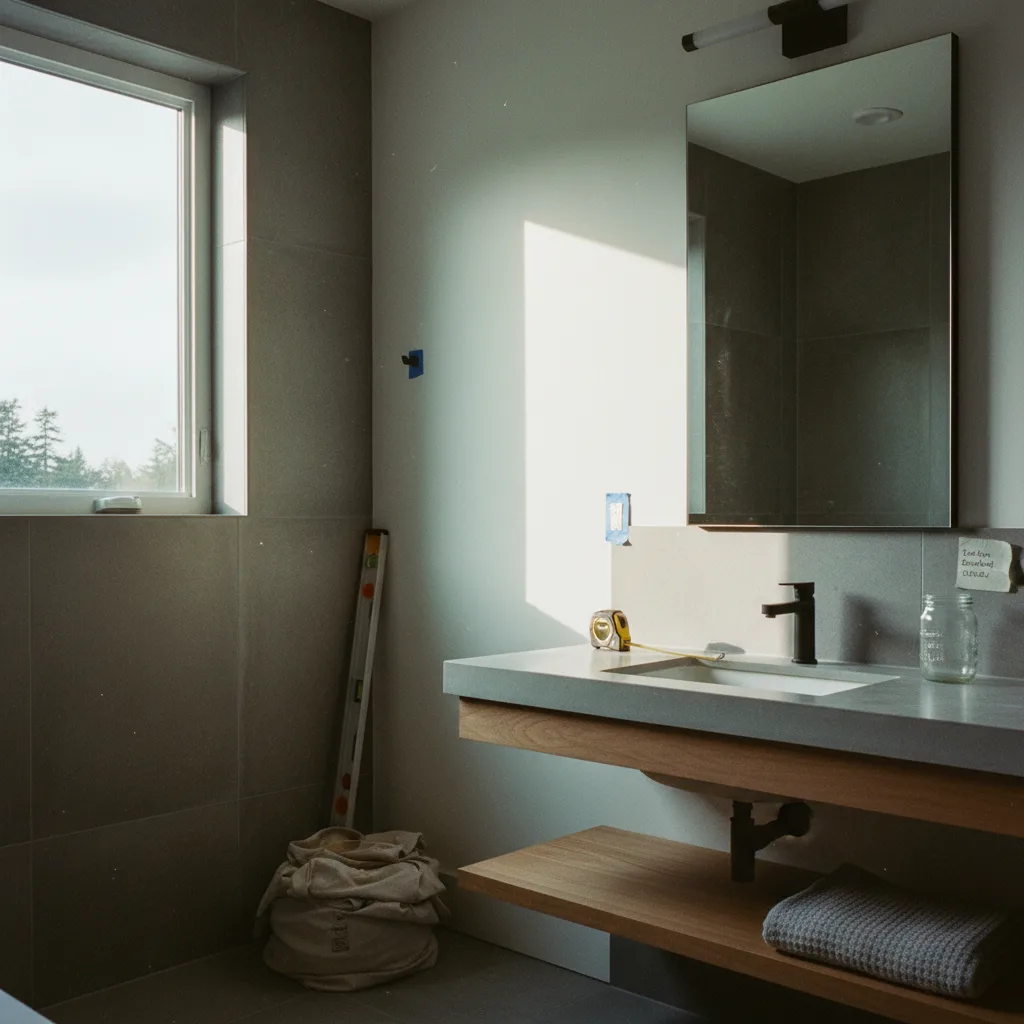
The biggest trend shaping any new bathroom in Seattle is the final, definitive death of sterile minimalism. We've tracked a 30% increase in client requests for natural stone slabs over basic subway tile in our Project of the Day network since 2024. The primary bath is no longer just a functional space; it's being redesigned as a personal sanctuary, a deliberate retreat from the outside world. This isn't about adding more gadgets, but about texture, warmth, and quiet luxury replacing the cold, white box of the last decade.
The key bathroom trends for Seattle in 2026 focus on warmth, texture, and integrated luxury. Homeowners are embracing full-slab stone walls, curbless wet rooms for a smooth look, and furniture-grade wood vanities in materials like walnut and rift-cut white oak. These choices mark a clear departure from the all-white, subway-tiled bathrooms that dominated the 2010s.
In a Nutshell
- The Umbrella Theme: The Personal Sanctuary. Bathrooms are becoming dedicated spaces for decompression, designed with the material richness and comfort of a living room.
- The Big Three Trends: Curbless wet rooms, statement stone slabs on walls, and warm wood vanities.
- What's Being Replaced: High-contrast black and white palettes, subway tile, inset shower niches, and freestanding tubs crammed into small spaces.
- What's Next: Deeper integration of discreet technology, a focus on local artisans for tile and fixtures, and even more texture through plaster walls and fluted details.
1. The Personal Sanctuary Replaces the Primary Suite
The term "primary suite" is giving way to the "personal sanctuary." This is a layout shift as much as an aesthetic one. We're seeing designs that clearly separate the noisy, functional areas (the toilet closet) from the quiet, relaxing ones (the bathing area and vanity). In new builds and large-scale remodels in neighborhoods from Broadmoor to Medina, architects are adding small seating areas, whether a built-in bench or a simple stool, creating a space for quiet moments. The goal is to create a room you want to spend time in, not just pass through. This trend signals a long-term shift toward wellness-focused design in home construction.
2. Curbless Wet Rooms Go Mainstream
The curbless shower, once a niche accessibility feature, is now the standard for high-end Seattle bathrooms. By waterproofing the entire room and using a sleek linear drain like a Schluter-Kerdi system, the shower floor flows directly into the main bathroom floor. This creates a visually expansive, easy-to-clean space. Two of Seattle's largest tile contractors confirmed that over half of their 2026 bookings for full remodels include a curbless design. This is especially prevalent in Ballard and West Seattle, where homeowners are planning to age in place. Given Seattle's damp climate, impeccable waterproofing by a certified bathroom contractor Seattle trusts is non-negotiable here.
3. Statement Stone Slabs Dominate
Grout lines are out. In their place, homeowners are opting for floor-to-ceiling slabs of dramatic, heavily veined stone. Materials like Calacatta Monet marble, with its purple and green veining, or the warm tones of Taj Mahal quartzite are being used to wrap entire shower enclosures and serve as vanity backsplashes. Local stone fabricators in Georgetown report that bookmatched slabs, where two slabs are cut to mirror each other, are the most requested high-end feature for 2026. This is a significant investment, but it creates a powerful, art-like focal point that defines the entire room. This trend has a long runway, as the material itself is timeless.
4. Wood Vanities Return, But Not the Oak You Remember
3 Seattle bathroom remodelers, editor-screened. 4 questions.
See my 3 matchesThe painted white shaker vanity is officially on notice. The new standard is warm, furniture-grade millwork, often in rift-cut white oak or rich, dark walnut. These aren't the honey oak cabinets of the 1990s; they feature clean lines, flat-panel doors, and elegant integration with stone countertops. Seattle-based custom shops like Kerf Design are seeing rare demand for floating vanities that feel more like high-end furniture. This shift brings a necessary warmth and organic texture to the bathroom, balancing the coldness of stone and porcelain and reflecting the Pacific Northwest's connection to natural materials.
5. Unlacquered Brass and "Living Finishes"
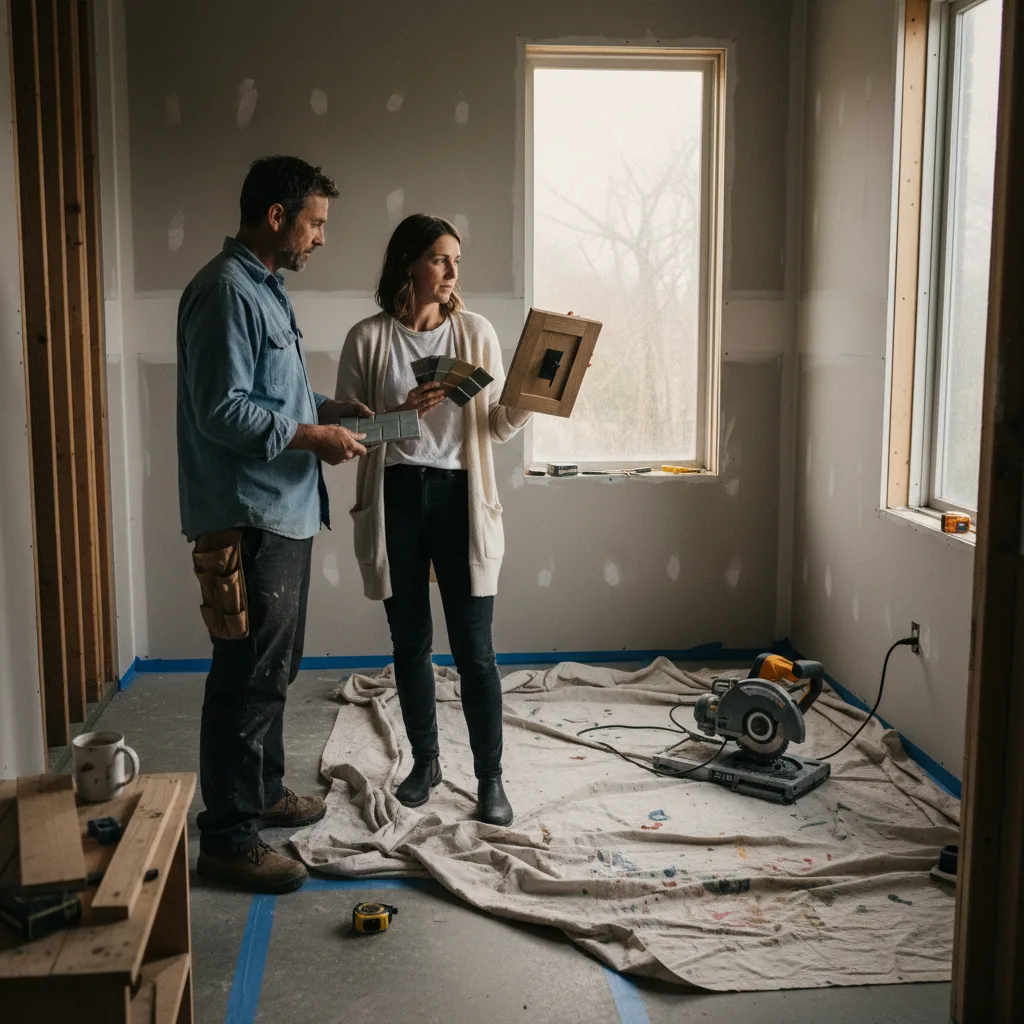
The chrome and polished nickel that defined the minimalist decade is over. In its place are "living finishes," primarily unlacquered brass, that are designed to patina and change over time. Homeowners in historic neighborhoods like Capitol Hill and Madrona are embracing the warmth and character these materials bring. Fixture brands like Waterworks and Kallista have expanded their unlacquered offerings by over 40% in the past two years to meet demand. This isn't a fleeting trend; it's a move toward materials that show their age gracefully and tell a story, making the space feel more personal and less sterile.
6. Layered Lighting with Purpose
In the often-gray light of the Pacific Northwest, a single overhead light is a design crime. The 2026 Seattle bathroom uses a layered lighting strategy. This includes three key components: ambient light from recessed cans or a central fixture, task lighting from sconces flanking the vanity mirror, and accent light to highlight architectural details or art. All lighting is specified at a warm 2700K color temperature and controlled by dimmers. This approach allows for a bright, functional space when needed and a soft, relaxing atmosphere when desired. It’s the most critical, and often overlooked, element of a successful bathroom design.
7. The Death of the Tiled Shower Niche
The small, awkward tiled shower niche is being replaced by more elegant and functional solutions. The most popular alternative is the full-length ledge, created by building out the lower portion of the shower wall. This provides ample, flexible storage and a clean, horizontal line that adds to the room's serene feel. In more luxurious projects, we're seeing custom millwork or stone-clad storage towers built adjacent to the shower. This shift reflects a desire for storage that is as thoughtfully designed as the rest of the space, rather than being a tiled afterthought.
8. Smart Tech Gets Discreet
The best technology is invisible. Instead of clunky smart screens, the focus is on integrated, comfort-oriented tech. This means radiant floor heating controlled by a simple thermostat (we see Schluter's DITRA-HEAT system specified in over 60% of Renology projects), mirrors with built-in defoggers and subtle edge lighting, and whisper-quiet ventilation fans like Panasonic's Whisper series that are essential for moisture control. The goal isn't to turn the bathroom into a tech hub, but to use technology to solve common annoyances and increase comfort seamlessly. This trend is about quiet, background competence, not flashy displays.
Sources & Methodology
Cost ranges in this guide draw on the following named industry sources, public agency datasets, and Renology editorial research.
- Renology Project of the Day (POTD) Field Data (2024-2026)
- National Kitchen & Bath Association (NKBA) Annual Trends Report (2026)
- Interviews with Pedini Seattle Showroom Managers (Q1 2026)
- Remodeling Magazine, Cost vs. Value Report (2025)
- Washington State L&I Published Labor Rate Data (2026)
- Interviews with Kerf Design Custom Cabinetry (Q1 2026)
Renology Take
The common thread through all eight of these trends is a rejection of the generic, one-size-fits-all model of bathroom design that dominated the last fifteen years. Homeowners in Seattle are no longer content with a room that looks like a catalog photo. They want a space that feels personal, textured, and deeply comfortable. This is a direct reaction to an increasingly digital and hectic world. The investment in natural stone, warm woods, and layered lighting is an investment in a daily ritual of retreat and decompression. It’s about creating a sanctuary that is uniquely yours, a space that feels as good as it looks. The emphasis on high-quality materials and craftsmanship from a skilled bathroom contractor Seattle residents recommend also points to a desire for permanence and lasting value over fleeting trends.
Sources & methodology
How Renology builds this guide
Renology combines public permit and labor signals, supplier pricing, remodeler quote patterns, and editorial review of comparable projects. Cost references are planning ranges, not fixed bids, because site conditions, materials, access, permits, and finish level can change the final price.
- Benchmarked against the Renology Cost Index, related service guides, and the Renology Methodology.
- Reviewed for Seattle market context when a local market is available.
- Focused on bathroom scope, materials, timeline, contractor risk, and budget drivers.
Seattle · pre-screened
Get 3 Seattle bathroom bids in 48 hours.
Our editors already vetted Seattle bathroom remodelers. Answer 4 questions and we send 3 written bids inside 48 hours, with the real price for your scope, not their inflated first-call number.
- Free, no commission
- Pre-screened locally
- Bids inside 48 hours
Takes about 60 seconds. We'll text you when bids arrive.