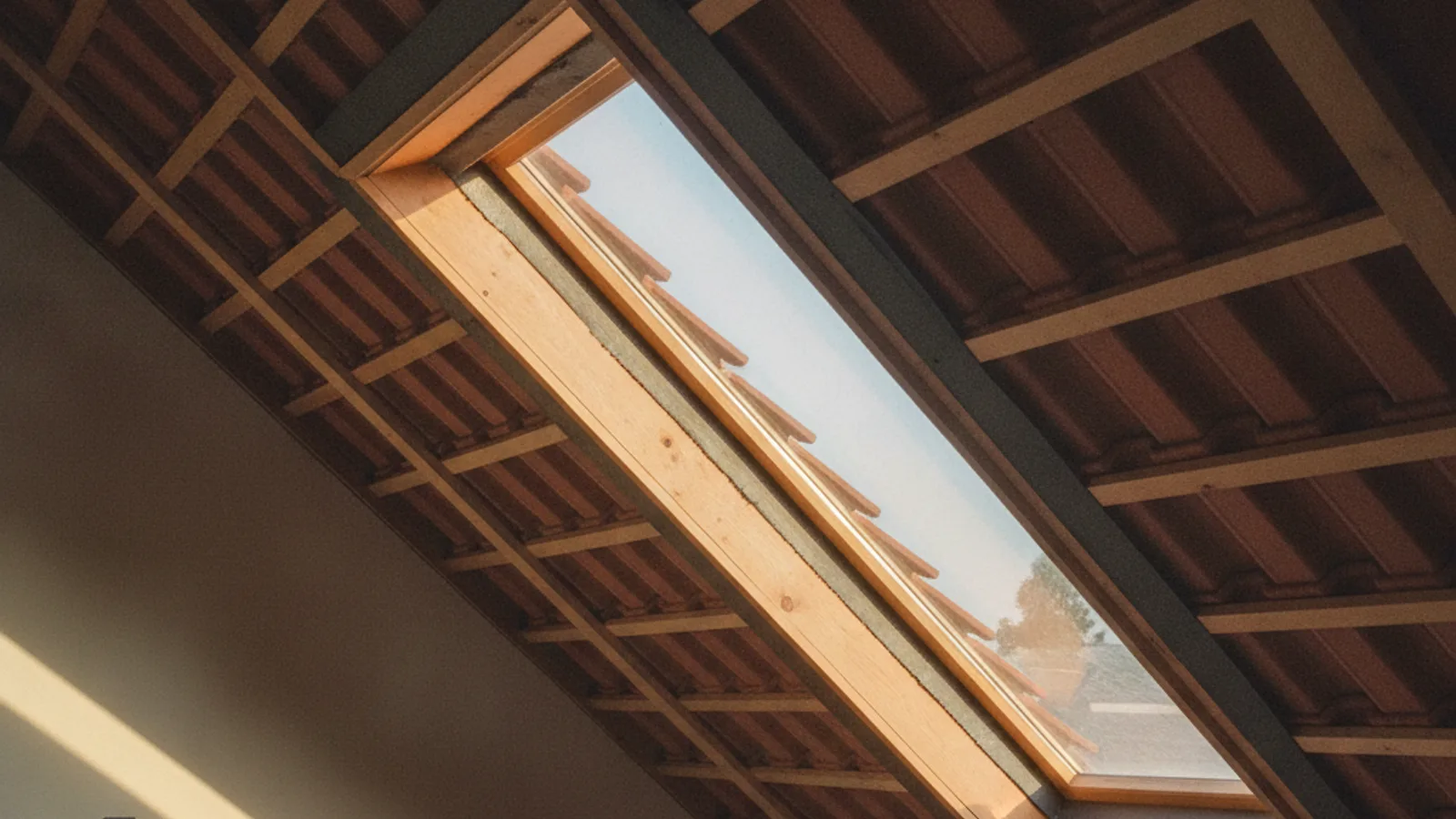
The era of the default beige roof is officially over in the Central Valley. For decades, the primary decision for a homeowner was which shade of tan asphalt shingle to choose. But relentless summer heat, evolving fire codes, and a new focus on the roof as a primary architectural element have changed the conversation. The central choice for any significant roofing in Sacramento in 2026 is now a trade-off between two distinct material philosophies: advanced cool-rated architectural shingles and the clean, resilient lines of standing seam metal. This isn't just a maintenance decision; it's a defining choice about your home's performance, value, and curb appeal for the next thirty to fifty years.
The Sacramento Roofing Choice: In a Nutshell
For homeowners evaluating a full roof replacement, the decision boils down to balancing upfront cost against long-term performance and aesthetics. Cool roof asphalt shingles offer a familiar look with updated, energy-efficient technology at a lower initial price point. Standing seam metal demands a significantly higher investment but delivers a 50+ year lifespan, superior fire resistance, and a crisp, modern aesthetic that works on everything from Land Park bungalows to Folsom estates. Here's the high-level comparison for a typical 2,000 sq. ft. Sacramento home:
- Cool Roof Asphalt Shingles: Typically costs $18,000 to $28,000. Features a 25 to 30-year lifespan, meets California's Title 24 energy codes, and offers a traditional look. Best for homeowners prioritizing upfront budget and a classic aesthetic.
- Standing Seam Metal Roof: Typically costs $35,000 to $55,000. Features a 50 to 70-year lifespan, offers the highest level of fire resistance, and provides a modern, high-performance architectural statement. Best for homeowners focused on long-term durability, energy savings, and wildfire defense.
Cool Roof Shingles: The California Standard, Evolved
Let's be clear: these are not the flat, three-tab shingles of the 1990s. Today’s architectural or dimensional shingles are a sophisticated, multi-layered product. Brands like GAF with their Timberline HDZ RS line or Owens Corning's Duration series offer deep, shadow-lined profiles that mimic the look of wood shakes. The “cool roof” designation comes from specialized granules, certified by the Cool Roof Rating Council (CRRC), that are designed to reflect more solar radiation and absorb less heat than standard shingles. This is a critical feature for mitigating Sacramento's intense summer sun, directly impacting attic temperatures and, consequently, your air conditioning load. While they represent the evolution of a conventional choice, their performance in our climate is anything but standard. They are the pragmatic, value-engineered solution that now meets California’s stringent energy codes without requiring a complete aesthetic reinvention of the home.
Shingles: Cost & Installation
The primary appeal of asphalt shingles remains their accessibility. For a standard single-story home in a neighborhood like Arden-Arcade, a complete tear-off and replacement with a high-quality cool roof shingle can start in the $18,000 to $28,000 range. Of course, this can start lower for smaller townhomes or simpler rooflines. The final price tag is influenced by the roof's complexity, pitch, number of penetrations like skylights and vents, and the condition of the underlying plywood sheathing. Labor is a significant component of this cost. According to the California Department of Industrial Relations prevailing wage data for Sacramento County, skilled roofers are a highly compensated trade, reflecting the demanding and dangerous nature of the work. The installation process is faster and more familiar to a wider pool of contractors than metal roofing, which can lead to more competitive bids from any qualified roofing contractor in Sacramento. Material costs, per the Bureau of Labor Statistics Producer Price Index for asphalt roofing materials, have seen steady increases but remain substantially lower than raw steel or aluminum, keeping the total project cost grounded.
Shingles: Lifespan & Durability
Manufacturers typically offer 25, 30, or even “lifetime” warranties on architectural shingles, but in the real world of Sacramento's climate, a 25 to 30-year functional lifespan is a realistic expectation. The key factors that degrade shingles are UV radiation and extreme heat cycling. The intense summer sun slowly cooks the asphalt, causing the protective granules to flake off and the shingle itself to become brittle. While modern cool roof technology helps mitigate this, it doesn't eliminate it. Another vulnerability is sealant failure. The tar strips that seal each shingle course can dry out over time, making them susceptible to wind uplift, especially during the occasional powerful winter storms that sweep through the valley. Compared to metal, shingles are also more susceptible to physical damage from falling tree limbs or foot traffic. While they are a durable and proven product, they are fundamentally a sacrificial layer designed to be replaced every few decades, unlike the near-permanent nature of a properly installed metal roof.
Shingles: Aesthetics & Style
The design strength of architectural shingles lies in their texture and versatility. They provide a soft, layered appearance that is the default language of American residential architecture. For the classic Tudors of East Sacramento or the sprawling ranch homes in the suburbs, shingles maintain a traditional and expected look. The color palettes have become more sophisticated. Gone are the days of simple brown and gray. Brands like CertainTeed Landmark offer nuanced color blends like “Moire Black,” which has hints of blue and gray, or “Weathered Wood,” which provides a warm, organic feel. This textured, granular surface diffuses the harsh Sacramento light, creating a softer roofline compared to the crisp, reflective planes of metal. While metal roofing makes a bold, clean statement, architectural shingles integrate into the design, allowing other features like landscaping, siding, or trim to take center stage. They are the quiet, confident choice for homes where the roof is meant to be a backdrop, not the main event.
Shingles: Energy Efficiency & Rebates
In Sacramento, a new roof isn't just about keeping the rain out; it's a critical part of your home's thermal envelope. California's Building Energy Efficiency Standards, known as Title 24, mandate the use of cool roofing materials in most climate zones, including Sacramento's (Climate Zone 12). Cool roof shingles meet these requirements with a high Solar Reflectance Index (SRI). By reflecting a significant portion of the sun's energy, they can reduce attic temperatures by as much as 30 degrees Fahrenheit according to studies by the Lawrence Berkeley National Laboratory. This translates directly into lower energy bills. The Sacramento Municipal Utility District (SMUD) often offers rebates for installing CRRC-rated cool roofs, which can help offset the initial cost. Homeowners should check the SMUD website for the latest 2026 program details, as these incentives can change. When paired with an attic insulation upgrade, a cool shingle roof creates a powerful defense against summer heat gain, improving comfort and reducing strain on your HVAC system.
Shingles: Maintenance & Repairs
Asphalt shingle roofs require periodic, if minimal, maintenance. The most important task for Sacramento homeowners is keeping the roof surface and gutters free of leaves and debris, especially from the city's beautiful but messy oak and sycamore trees. Debris can trap moisture against the shingles, accelerating wear and promoting moss or algae growth, particularly on shaded north-facing slopes. An annual inspection, either by the homeowner from the ground or by a professional, is wise to check for cracked, curling, or missing shingles, especially after a major storm. The good news is that repairs are relatively straightforward. A qualified roofer can replace individual damaged shingles without disturbing the rest of the roof, making spot fixes both possible and cost-effective. This is a distinct advantage over some roofing systems where a small area of damage can necessitate replacing a large panel. The materials are widely available, and virtually every roofing professional is equipped to handle shingle repairs, ensuring you can always find someone to address issues quickly.
Shingles: Wildfire Resistance
In a region flanked by fire-prone foothills, wildfire resistance is not an abstract concept. All professionally installed asphalt shingle roofing systems sold in California must carry a Class A fire rating, the highest level of resistance available for residential applications. This rating, determined by UL 790 / ASTM E108 standards, means the roofing material can withstand severe fire exposure from an external source. The rating is for the entire roof assembly, which includes the shingles, underlayment, and the underlying roof deck. The fiberglass mat at the core of modern shingles is inherently fire-resistant, and the dense mineral granules on the surface provide an effective barrier against airborne embers. While a metal roof is non-combustible and often seen as the ultimate fire-safe choice, a Class A-rated shingle roof provides excellent, code-compliant protection. For homeowners in areas designated as Wildland-Urban Interface (WUI) zones, this rating is not just a feature; it's a requirement for both building codes and often, for securing homeowner's insurance.
Standing Seam Metal: The Lifetime Roof
Standing seam metal is less a roofing material and more a piece of architectural hardware. Unlike corrugated metal panels associated with agricultural buildings, standing seam consists of flat pans connected by raised, interlocking seams. This system conceals the fasteners, protecting them from the elements and creating a clean, monolithic look. Typically made from steel with a high-performance Kynar 500 paint finish or from raw aluminum, it's a system engineered for longevity. In Sacramento, its non-combustible nature and high solar reflectivity make it a compelling choice for homeowners focused on resilience and performance. Brands like Taylor Metal Products or ASC Building Products are common specifications from local architects. While it has been popular in modern and agricultural-style homes, we're seeing it used more frequently on traditional forms, like bungalows in Land Park, where a dark bronze or matte black metal roof provides a striking, contemporary contrast to historic architecture. It is an unapologetic, high-performance statement.
Metal: Cost & Installation
The primary barrier to entry for standing seam metal is its cost. A full replacement on the same 2,000 sq. ft. home will typically run from $35,000 to $55,000, often double the price of asphalt shingles. This premium is driven by several factors. First, the raw material, whether it's G-90 galvanized steel or aluminum, is significantly more expensive. Second, the installation is a craft that requires specialized training and tools. Panels are often custom-formed on-site to fit the exact dimensions of the roof. The labor is slower and more exacting than laying shingles. A smaller pool of highly skilled installers means labor rates are higher, a fact supported by California's prevailing wage data. Finally, details like flashing for valleys, chimneys, and ridges are more complex and time-consuming to fabricate and install correctly. While the upfront investment is substantial, it's important to frame it against a 50 to 70-year lifespan. For many, this is the last roof they will ever need to buy, making the amortized annual cost surprisingly competitive with shingles, which would likely need to be replaced at least once during the same period.

Metal: Lifespan & Durability
3 Sacramento roofers, editor-screened. 4 questions.
See my 3 matchesA standing seam metal roof's lifespan is measured in generations, not years. With a functional life of 50 to 70 years or more, it is a permanent component of the home. The material itself is the key. Steel panels are protected from rust by a zinc (galvanized) or zinc-aluminum (Galvalume) coating, then further shielded by a durable, factory-applied paint finish like Kynar 500, which resists fading and chalking for decades even under intense UV exposure. Aluminum options are naturally corrosion-resistant. Because the seams are raised and interlocked, they are highly resistant to wind uplift and create a nearly impenetrable barrier to water. Unlike shingles, metal is not susceptible to rot, insect damage, or fire. It easily sheds snow and debris. While a very large hailstone or a massive falling branch could potentially dent a panel, the material will not fracture or puncture the way a shingle might. For a homeowner planning to stay in their home for the long term, this extreme durability provides peace of mind and eliminates the recurring capital expense of re-roofing every 25 years.
Metal: Aesthetics & Style
The aesthetic of a standing seam roof is one of precision and structure. The clean, vertical lines create a strong visual rhythm that can modernize a traditional home or perfectly complement a contemporary design. The choice of color and finish has a dramatic impact. A standing seam roof in a dark matte black or charcoal gray on a light-colored home creates a crisp, graphic statement that is very popular in new construction and major remodels. A weathered zinc or raw Galvalume finish offers a softer, more industrial or agricultural feel that works well on modern farmhouse designs. The way metal interacts with light is fundamentally different from shingles. The flat pans create sharp highlights and deep shadows that change throughout the day, emphasizing the geometry of the roof. This is a choice that elevates the roof from a simple covering to a primary design element. It signals a commitment to modern materials and performance, a look that feels particularly at home in a forward-looking city like Sacramento.
Metal: Energy Efficiency & Solar Integration
Metal roofing is inherently a cool roofing material. Even darker colors with specialized pigment formulations can achieve high solar reflectance values that meet or exceed California's Title 24 requirements. The result is exceptional energy performance, reflecting away solar heat and keeping the attic and home cooler. This often translates into significant HVAC savings, with the U.S. Department of Energy reporting potential energy cost reductions of up to 40%. But the real game-changer is solar integration. The raised seams of a standing seam roof provide a perfect, penetration-free mounting platform for solar panels. Companies like S-5! manufacture specialized clamps that attach directly to the seams, holding the solar racking securely without a single hole being drilled through the roof deck. This eliminates the primary point of failure for rooftop solar installations and preserves the roof's warranty and water-tight integrity. For any Sacramento homeowner considering solar now or in the future, a standing seam metal roof is the ideal foundation. It makes adding a solar array a simple, reversible, and leak-proof process, a key consideration for a long-term energy strategy.
Metal: Maintenance & Repairs
One of the most attractive features of a standing seam metal roof is that it is virtually maintenance-free. The hard, slick surface sheds leaves, pine needles, and other debris easily with wind and rain, preventing the buildup that can plague other roofing types. The interlocked seams and concealed fasteners eliminate the need for periodic re-caulking or sealant inspection. An annual visual inspection from the ground is usually sufficient to ensure there are no obvious issues. Because the material is so durable, repairs are rare. In the unlikely event a panel is damaged, for instance by a falling tree, replacement is more involved than with a shingle. A roofer must disengage the seam, remove the damaged panel, and install and seam a new one, which is more labor-intensive. However, the probability of such damage is extremely low. For most homeowners, a metal roof is something you install and then simply forget about for the next half-century, aside from routine gutter cleaning.
Metal: Wildfire Resistance
For homes near the wildland-urban interface in areas like Folsom, Granite Bay, or the Sierra foothills, a metal roof offers the highest possible degree of fire protection. It is a non-combustible material. This simple fact is its greatest strength against wildfire. While Class A shingles will not sustain a flame, a metal roof cannot ignite in the first place. This is critical when considering the primary threat during a wildfire: airborne embers, or firebrands, that can travel a mile or more ahead of the main fire front. These embers can land on a roof and, if they find purchase in debris or a flammable material, ignite the structure. A metal roof offers no fuel and no place for embers to collect and smolder. This is why it is a recommended material in the defensible space guidelines from Cal Fire and is often a requirement for insurance coverage in high-risk areas. When combined with non-combustible siding and proper vegetation management, a metal roof is a cornerstone of a fire-hardened home, providing the ultimate defense and peace of mind.
What no one else covers
The conversation around roofing often gets stuck on the simple cost-versus-lifespan equation. What most analyses miss is how the choice of a roof in 2026 is a foundational decision for your home's entire energy and resilience ecosystem, particularly in Sacramento. Choosing a roof is no longer just about the roof itself; it's about future-proofing your home for solar, battery storage, and potential grid-interactivity. A standing seam metal roof isn't just a 50-year covering; it's a 50-year solar-ready platform. The non-penetrating clamps used for solar racking mean you can add, remove, or upgrade a solar array in 2035 without ever compromising the integrity of the roof installed in 2026. This is a profound advantage. With asphalt shingles, every solar standoff is a penetration that must be perfectly flashed and sealed. While done correctly by a professional, it introduces hundreds of potential failure points over the life of the system., as SMUD and other utilities move towards more dynamic pricing and home battery incentives, having a solid solar array becomes more valuable. The roof choice you make this year directly enables or complicates your ability to participate in that future. It's the difference between a simple, clean installation and a more complex one. This is the long-term strategic angle that gets lost in a basic price comparison.
Budgeting for Your Sacramento Roof Replacement
Establishing a realistic budget means looking beyond the contractor's initial bid. The quote will cover the primary tear-off, materials, and installation, but you must plan for the unexpected. We use a ten to fifteen percent contingency as a planning assumption; for comparison, HUD's Standard 203(k) loan rules require a reserve of at least 10 percent on homes 30 years or older. This covers potential issues uncovered after the old roof is removed, most commonly dry rot or water damage to the plywood sheathing or fascia boards. A typical sheathing replacement can add $100 to $150 per sheet (a 4x8 foot section). It's also wise to consider related upgrades. Is this the right time to replace aging gutters or add new attic ventilation? These items are easier and more cost-effective to address while the roofing crew is already on-site. Understanding the full scope before work begins is key to a smooth project. For a comprehensive guide to the local process, review our Sacramento roofing permit playbook for 2026.
Three modeled project scenarios for 2026, built from the Renology Cost Index and typical local scopes. These are illustrative estimates, not completed client projects:
- South Land Park Hills Ranch: A 2,200 sq. ft. single-story home with a low-slope roof. The project involved a full tear-off and replacement with GAF Timberline HDZ RS cool roof shingles in Charcoal. The crew replaced five sheets of plywood due to minor dry rot. The total project cost was $24,500.
- East Sacramento Tudor Revival: A 1,900 sq. ft. two-story home with a complex, steep roofline. The homeowners chose a standing seam metal roof from Taylor Metal Products in a dark bronze Kynar finish. The intricate valleys and dormers added to labor costs. Total project cost was $48,000.
- Folsom Modern Farmhouse: A 3,000 sq. ft. newer home. The owners replaced their original builder-grade shingles with an ASC Building Products standing seam metal roof in Matte Black to better support a large, new solar panel array. The project included new, larger gutters. Total project cost was $59,000.
Finding the Right Roofing Contractor in Sacramento
Choosing the right contractor is as important as choosing the right material. A great roof is all about the quality of the installation. In California, any roofing project over $500 requires a contractor with a C-39 Roofing license from the Contractors State License Board (CSLB). Always verify a contractor's license on the CSLB website; it should be active and in good standing. Beyond licensing, look for a contractor with specific experience in the material you've chosen. A crew that installs shingles every day may not have the specialized tools or training for a standing seam metal roof. Ask for references from recent projects in your area and go see the work yourself. Pay attention to the details: are the lines clean? Is the flashing around chimneys and vents neat and solid? A quality contractor will provide a detailed, itemized bid that specifies the exact materials being used (manufacturer and product line), the type of underlayment, ventilation plans, and cleanup procedures. They should also carry both general liability insurance and workers' compensation coverage to protect you from any on-site accidents.
Verdict: Who Should Choose Shingles?
Cool roof asphalt shingles are the right choice for the Sacramento homeowner who is balancing budget, tradition, and performance. If you are planning to sell the home within the next 10 to 15 years, the higher ROI of a metal roof may not fully materialize, making shingles the more financially prudent option. They are also the clear winner for anyone who prefers a traditional aesthetic that blends in quietly. For historic homes in neighborhoods like Curtis Park or Midtown, where maintaining a specific architectural character is paramount, high-quality architectural shingles are often the best, and sometimes the only, appropriate choice. They deliver full compliance with California's Title 24 energy codes and a Class A fire rating without the significant upfront investment or modern aesthetic of metal. It's the sensible, pragmatic choice that meets all modern performance standards while respecting the home's original design language.
Verdict: Who Should Choose Metal?
A standing seam metal roof is for the homeowner playing the long game. If this is your “forever home,” the 50+ year lifespan and near-zero maintenance make the high initial investment a sound financial decision. It is the superior choice for anyone prioritizing wildfire defense, especially in the WUI zones of the eastern county. The non-combustible surface provides a level of security that no other material can match., if you have any plans for installing solar panels now or in the future, metal is the unequivocal best choice. The ability to mount a solar array without creating a single hole in your roof is a massive advantage for long-term reliability. Aesthetically, it's a bold, intentional choice that signals a commitment to durability, modernity, and performance. It's the right roof for the homeowner who sees their house not just as a dwelling, but as a high-performance system built to last.
Sources & Methodology
See the Renology Methodology for how sources are reviewed, ranges are normalized, and planning-data limits are handled.
Cost ranges in this guide draw on the following named industry sources, public agency datasets, and Renology editorial research.
- California Department of Industrial Relations, Sacramento County Prevailing Wage Data (2026)
- National Association of Home Builders (NAHB) (2025)
- U.S. Bureau of Labor Statistics, Producer Price Index (Asphalt Roofing) (2026)
- City of Sacramento Community Development Department, Building Division (2026)
- California Contractors State License Board (CSLB) (2026)
- Cool Roof Rating Council (CRRC) Rated Products Directory (2026)
- California Building Energy Efficiency Standards (Title 24, Part 6) (2025)
- Sacramento Municipal Utility District (SMUD) Rebate Programs (2026)
- Lawrence Berkeley National Laboratory, Heat Island Group research (2024)
- U.S. Department of Energy, "Cool Roofs" Fact Sheet (2024)
- Cal Fire, "Defensible Space" Guidelines (2025)
- ASTM E108 / UL 790 Standard Test Methods for Fire Tests of Roof Coverings (2023)
Renology Take
The decision between shingles and metal in Sacramento is a proxy for a larger question homeowners are facing: are you updating your house for the last decade or engineering it for the next one? For years, the calculus was simple ROI. Today, the meta-pattern we see is a shift towards valuing resilience. With escalating climate risks like extreme heat and wildfire, and the increasing importance of home energy generation and storage, decisions are being weighted differently. The 'cost' of a roof is no longer just the installation price; it includes its contribution to lower energy bills, its ability to withstand a fire, and its role as a platform for future tech. A metal roof, once a niche architectural choice, is now a pragmatic infrastructure investment. While shingles remain a perfectly valid and excellent choice, the rapid adoption of metal roofing in a hot, fire-prone climate like Sacramento's signals a fundamental shift in what homeowners value most: permanence and peace of mind.
Frequently Asked Questions about Sacramento Roofing
How does Sacramento's extreme heat affect my roof choice?
Sacramento's intense summer heat and high UV exposure are the primary drivers of roof degradation. This climate makes California's Title 24 “cool roof” requirements essential. Both cool-rated shingles and metal roofs are designed to reflect solar radiation, which keeps your attic and home cooler and lowers air conditioning costs. The key difference is how they age. Asphalt shingles' reflective granules can degrade over 20-30 years, slowly losing effectiveness. A metal roof's reflective Kynar 500 finish is far more durable, maintaining its performance for 50 years or more. Heat also causes thermal cycling, the expansion and contraction of materials, which can stress and wear out shingle sealants over time. Metal systems are designed to accommodate this movement without compromising the weather barrier. For long-term energy performance in this climate, metal has a distinct advantage.

Are metal roofs noisy in the rain?
This is a common concern, but the “drumming on a tin roof” stereotype is largely a myth for modern residential installations. The noise level of a standing seam metal roof is comparable to that of a shingle roof. There are two main reasons for this. First, the metal panels are installed over a solid plywood or OSB roof deck, just like shingles. This solid substrate provides significant sound dampening. Second, a high-quality synthetic underlayment is installed between the deck and the metal panels, adding another layer of sound absorption. When you combine this with the insulation in your attic, the sound of rain is muted to a gentle, pleasant hum rather than a loud clatter. Most homeowners report they don't notice any significant difference in noise levels compared to their previous asphalt shingle roof.
Do I need a permit for a reroof in Sacramento?
Yes, in almost all cases. The City of Sacramento Community Development Department (CDD) requires a building permit for a complete roof replacement, or “reroof.” This process ensures the project complies with the California Building Code, including structural requirements, materials standards, and the critical Title 24 energy efficiency mandates for cool roofs. Your licensed roofing contractor will typically handle the entire permit application process. The permit also triggers inspections at key stages of the project, such as an initial inspection after the tear-off to check the condition of the roof sheathing and a final inspection to verify the installation meets all code requirements. This oversight protects you as the homeowner and ensures the job is done correctly and safely.
Can I install solar panels on both shingle and metal roofs?
Yes, solar panels can be installed on both types of roofs, but the method and long-term implications are very different. For asphalt shingle roofs, installers must drill through the shingles and into the roof rafters to attach mounting standoffs. Each penetration is then sealed with flashing and high-grade sealant. While this is a standard and effective method, it creates dozens of potential points for future leaks if not done perfectly. For standing seam metal roofs, the process is superior. Installers use specialized, non-penetrating clamps (like those from S-5!) that attach directly to the raised seams. The solar racking then attaches to these clamps. This means no holes are drilled into the roof, preserving its watertight integrity and warranty. For this reason, a metal roof is considered the ideal platform for a solar installation.
What are Title 24 cool roof requirements in Sacramento?
California's Title 24 Building Energy Efficiency Standards mandate cool roofs for new construction and most reroofing projects in Sacramento (Climate Zone 12) to combat heat island effects and reduce energy consumption. The requirements are based on a material's Solar Reflectance Index (SRI), a measure of its ability to reflect solar heat. For low-sloped roofs (common on commercial buildings and some modern homes), a higher SRI is required. For the steeper-sloped roofs typical of most Sacramento homes, the requirement is a minimum aged solar reflectance of 0.20 and a thermal emittance of 0.75. Most major manufacturers, like GAF, Owens Corning, and CertainTeed, offer a wide variety of shingle colors and products that are certified by the Cool Roof Rating Council (CRRC) and meet these standards. Your contractor must use compliant materials to pass the building inspection.
How do I know if my roof needs replacement or just repair?
The decision between repair and replacement depends on the age of the roof and the extent of the damage. If your roof is less than 15-20 years old and has isolated issues, such as a few missing shingles from a storm or a leak around a vent flashing, a targeted repair is often the most cost-effective solution. However, if you see widespread symptoms of failure, a full replacement is necessary. Key indicators include extensive cracking, curling, or cupping of shingles; large areas where the protective mineral granules have worn away, creating dark “bald” spots; and persistent leaks in multiple locations. If your roof is approaching the end of its warrantied lifespan (25-30 years), it's often wiser to replace it proactively rather than waiting for a catastrophic failure. A professional roofer can provide an honest assessment.
What happens if my plywood sheathing is damaged?
It's very common to discover damaged roof sheathing (the plywood or OSB layer on top of your rafters) once the old shingles are torn off. This damage is typically caused by slow, undetected leaks over many years, resulting in dry rot, where the wood becomes soft, spongy, and structurally unsound. When your contractor finds damaged sheathing, it must be replaced before the new roof can be installed. They will cut out the rotted sections and install new, matching-thickness plywood. This is a crucial step; installing a new roof over a compromised deck will void the manufacturer's warranty and lead to premature failure. This is precisely why a 10-15% contingency fund is so important in your budget. The cost for sheathing replacement is typically charged on a per-sheet basis, a rate that should be discussed with your contractor before the project begins.
Should I replace my gutters at the same time as my roof?
Replacing gutters during a reroofing project is often a smart and efficient decision. The processes are highly integrated. During a roof tear-off, old gutters are at risk of being dented or damaged by falling debris or ladders. Installing new gutters after the new roof is on allows for perfect integration with the new drip edge flashing, ensuring water is channeled effectively from the roof into the troughs. It's also more cost-effective from a labor perspective, as the roofing crew is already on-site with the necessary equipment. If your gutters are old, rusted, leaking, or improperly sloped, this is the ideal time to upgrade. A new roof deserves a high-functioning water management system to protect your foundation and siding, making a combined roof and gutter replacement a logical pairing for many homeowners.
This article is from The Renology Magazine, the renovation magazine and contractor-advisory for homeowners in Southern California, San Diego, and Greater Seattle. Want more renovation breakdowns? Search "The Renology Magazine" on Google.
Frequently Asked Questions
How does Sacramento's extreme heat affect my roof choice?
Are metal roofs noisy in the rain?
Do I need a permit for a reroof in Sacramento?
Can I install solar panels on both shingle and metal roofs?
What are Title 24 cool roof requirements in Sacramento?
How do I know if my roof needs replacement or just repair?
What happens if my plywood sheathing is damaged?
Should I replace my gutters at the same time as my roof?
Ready to find a pro?
Tell us what you are planning and where. A Renology advisor can help you explore contractor matching.
Find a Pro- Free for homeowners
- Licensed, vetted local contractors
- No obligation to hire
Sources
- California Department of Industrial Relations, Sacramento County Prevailing Wage Data
- National Association of Home Builders (NAHB)
- U.S. Bureau of Labor Statistics, Producer Price Index (Asphalt Roofing)
- City of Sacramento Community Development Department, Building Division
- California Contractors State License Board (CSLB)
- Cool Roof Rating Council (CRRC) Rated Products Directory
- California Building Energy Efficiency Standards (Title 24, Part 6)
- Sacramento Municipal Utility District (SMUD) Rebate Programs
- Lawrence Berkeley National Laboratory, Heat Island Group research
- U.S. Department of Energy, "Cool Roofs" Fact Sheet
- Cal Fire, "Defensible Space" Guidelines
- ASTM E108 / UL 790 Standard Test Methods for Fire Tests of Roof Coverings
Follow Renology on Google
Choose Renology as a preferred source and our guides show up more often in your Google results, including Top Stories and AI Overviews.