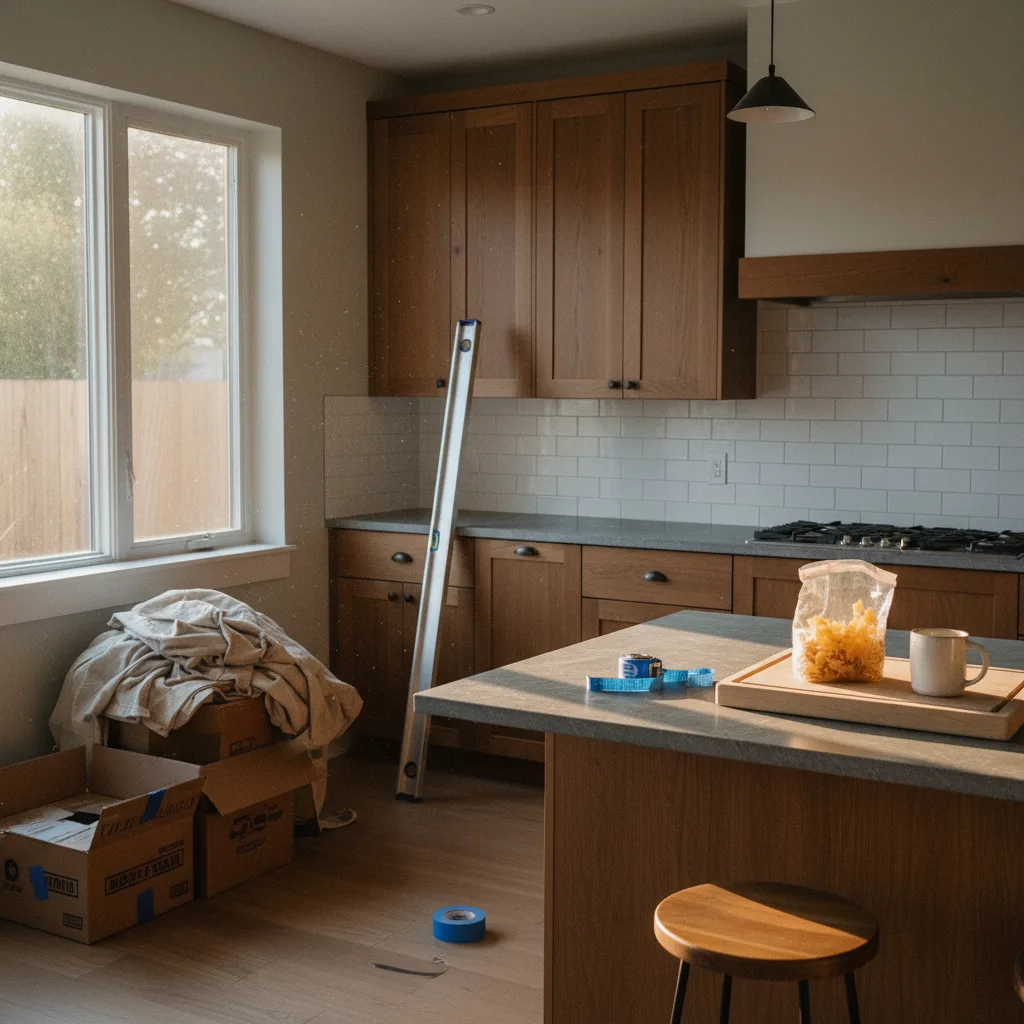
A typical kitchen project in Seattle goes over budget by twenty percent and over schedule by three weeks. Based on Renology's internal project data, that’s an average of $15,000 in unexpected costs for Seattle homeowners. The reasons are almost always predictable. The homeowners who stay on budget make their key decisions before demolition starts, not during it. This guide outlines the seven mistakes that create those overruns.
In a Nutshell
Most budget-breaking mistakes in Seattle kitchens involve a vague scope of work, rushed contractor selection, and materials that can't handle moisture. The fix? Lock in your full scope, including every finish and fixture, before a single hammer swings. This is the single most important action you can take this week to protect your budget.
Mistake #1: Not Vetting Your Contractor Properly
Most homeowners get a few quotes and pick the cheapest or the one that can start tomorrow. This is a recipe for disaster, leading to change orders, poor craftsmanship, and liens. A lowball bid often means the contractor missed something in the scope or uses cheaper, unqualified labor. Instead of focusing only on price, vet the business itself. Get three quotes. Check three references. Visit one finished job before signing.
Mistake #2: A Vague Scope of Work
Homeowners often start with a loose plan, assuming they can make decisions as they go. This leads to constant change orders, which are the primary source of budget overruns. Every change order adds cost and delays the timeline. The fix is to create a detailed scope of work document before you even talk to a kitchen contractor in Seattle. It should specify everything from the exact model of the faucet to the brand and color of grout. For a complete guide on navigating local requirements, see our Seattle Kitchen Permit Playbook.
Mistake #3: Underestimating Material and Labor Costs
Many online cost calculators don't account for Seattle's high labor rates and supply chain costs. Homeowners anchor to a national average and are shocked by local bids. A full kitchen remodel in Seattle in 2026 realistically costs between $85,000 and $160,000, though smaller condo kitchen refreshes can start lower. Higher costs are driven by local labor rates, which are detailed in Washington State L&I contractor licensing and labor rate data. Don't guess. Price every single item before you sign a contract.
Three modeled project scenarios for 2026, built from the Renology Cost Index and typical local scopes. These are illustrative estimates, not completed client projects:
- Belltown Condo ($88,500): A 150 sq. ft. kitchen refresh. Included semi-custom cabinets, quartz countertops, new appliances from Bosch, and LVP flooring. The project required moving one plumbing line, which added complexity.
- Ballard Craftsman ($145,000): A 220 sq. ft. full gut remodel. This project featured custom cabinetry, soapstone countertops, a fireclay farmhouse sink, and high-end appliances (Wolf, Sub-Zero). The electrical system required a full upgrade.
- Laurelhurst Tudor ($210,000+): A 300 sq. ft. remodel plus expansion, involving removing a load-bearing wall. Included premium custom cabinets, marble countertops, a full suite of Thermador appliances, and radiant floor heating.
Mistake #4: Choosing Materials Unfit for Seattle's Climate
3 Seattle kitchen remodelers, editor-screened. 4 questions.
See my 3 matchesHomeowners select materials based on aesthetics they see online, ignoring the Pacific Northwest's persistent dampness. Materials like certain unsealed woods, porous natural stones, or improperly installed cabinets can warp, stain, or grow mold in Seattle's humid environment. The result is premature failure and costly replacement. The solution is to prioritize performance for a damp climate. Use marine-grade plywood for cabinet boxes, specify solid waterproofing membranes like Schluter-KERDI behind your backsplash, and ensure your ventilation is oversized, not just code-minimum.
Mistake #5: Forgetting About the Old House Underneath
Many homeowners in older neighborhoods like Queen Anne and Capitol Hill budget for what they can see, not for what's behind the walls. Demolition frequently uncovers galvanized plumbing, knob-and-tube wiring, or structural issues that require immediate, expensive remediation. These surprises can halt a project for weeks and add $10,000 to $25,000 to the cost. The National Association of Home Builders recommends a ten to fifteen percent contingency on renovations in homes over thirty years old. Build this into your budget from day one. Assume you will find something unexpected.
Mistake #6: Skimping on Cabinetry and Lighting
Cabinets and lighting are the workhorses of the kitchen, yet people often cut corners here to afford a statement appliance. Cheap, particleboard cabinets will sag and delaminate within five years in Seattle's climate. A poor lighting plan makes a beautiful new kitchen feel like a cave. According to the 2026 U.S. Houzz & Home Study, these are two of the most-regretted compromises. The fix is to allocate your budget properly: 40% for cabinetry and installation, 10% for a layered lighting plan (ambient, task, accent). Get these two right, and the whole space works.
Mistake #7: Trying to Live in the House During a Gut Remodel
Homeowners think they can save money by living on-site through a major remodel. In reality, it adds stress, creates safety hazards with dust and debris, and can slow the project down as crews work around you. The hidden costs of eating out for two months, plus the productivity loss from the stress, often outweigh the price of a short-term rental. The right move for any project lasting longer than three weeks is to move out. Plan for it, budget for it, and give your contractors the clean, empty space they need to work efficiently.

Sources & Methodology
See the Renology Methodology for how sources are reviewed, ranges are normalized, and planning-data limits are handled.
Cost ranges in this guide draw on the following named industry sources, public agency datasets, and Renology editorial research.
- Renology Internal Project Cost Data, Seattle MSA (2025)
- National Association of Home Builders (NAHB), Remodeling Market Index (Q1 2026)
- Washington State Department of Labor & Industries, Prevailing Wage Data (2026)
- 2026 U.S. Houzz & Home Study: Renovation Trends (June 2026)
- National Kitchen & Bath Association (NKBA) Market Outlook (2026)
Renology Take
The meta-mistake behind all the others is rushing the planning phase. Excitement to get started pushes homeowners to sign contracts and begin demolition before the project is fully designed. This guarantees you will be making expensive decisions under pressure, with a half-finished kitchen and a contractor waiting for an answer. The single most effective way to control your kitchen cost in Seattle is to treat the project like a commercial buildout. Do not start construction until every single material, finish, fixture, and appliance has been selected, ordered, and has a confirmed delivery date. A boring binder with every detail locked down is the secret weapon to an on-time, on-budget remodel. Patience in planning pays for itself.
Frequently Asked Questions
What's the most expensive mistake in a kitchen remodel?
How do I know if my contractor is padding the quote?
When should I walk away from a kitchen contractor?
What's the fastest way to blow a kitchen budget?
Seattle · pre-screened
Get 3 Seattle kitchen bids in 48 hours.
Our editors already vetted Seattle kitchen remodelers. Answer 4 questions and we send 3 written bids inside 48 hours, with the real price for your scope, not their inflated first-call number.
- Free, no commission
- Pre-screened locally
- Bids inside 48 hours
Takes about 60 seconds. We'll text you when bids arrive.
Sources
- Renology Internal Project Cost Data, Seattle MSA
- National Association of Home Builders (NAHB), Remodeling Market Index
- Washington State Department of Labor & Industries, Prevailing Wage Data
- 2026 U.S. Houzz & Home Study: Renovation Trends
- National Kitchen & Bath Association (NKBA) Market Outlook