A poorly planned bathroom remodel in San Diego doesn't just go over budget. It blows past it. Most projects overrun their initial estimates by twenty to thirty-five percent, adding weeks of delay and frustration. For a typical full remodel, that’s an unexpected $7,000 to $15,000 mistake. A full gut renovation for a primary bathroom san diego homeowners are planning for 2026 typically runs $33,000 to $55,000 (Renology Cost Index, updated 2026-05), though costs can start lower for a simple cosmetic refresh in a condo or a small guest bath.
In a Nutshell
The average San Diego bathroom remodel costs $33,000 to $55,000 and takes four to nine weeks. The most common mistakes are underestimating labor costs, making changes mid-project, and ignoring waterproofing requirements for our coastal climate. The single most important action you can take this week is to finalize all material selections before getting binding quotes.
Mistake #1: Accepting a Vague or Incomplete Quote
Most homeowners compare quotes based on the bottom-line number. This is a trap. A low price often signals a vague scope of work, leaving you exposed to endless add-ons and change orders once demolition starts. The contractor isn't telling you that their number excludes essential items like waterproofing systems, permit fees, or high-quality ventilation. These “extras” can add thousands to the final bill. The real bathroom cost in San Diego is in the details. The fix is to demand a line-item bid that specifies every single component. This includes brand names and model numbers for fixtures, the exact type of waterproofing membrane (e.g., Schluter-KERDI vs. topical RedGard), the tile supplier, and allowances for items yet to be selected. A professional quote is a multi-page document, not a one-page estimate. If a bathroom contractor san diego provides a simple one-page summary, they are not thorough enough for your project. You should also verify their license and insurance. Get three quotes. Check three references. Visit one finished job before signing any contract. It's also critical to understand what is and isn't included in the permitting process. Our San Diego bathroom permit playbook outlines exactly what to expect from the San Diego Development Services Department (DSD).
Mistake #2: Underestimating San Diego's Labor Costs
Homeowners browse big-box stores in Mission Valley or online retailers and anchor their budget to material costs. This is fundamentally wrong. In Southern California, and especially in San Diego, skilled labor is the most significant part of your budget, often accounting for 50% to 65% of the total project cost. According to the California Department of Industrial Relations prevailing wage data for San Diego County, certified tradespeople command high hourly rates. A licensed plumber or electrician isn't cheap, and a master tile setter's skill is worth every penny. Ignoring this reality leads to budget shock. The fix is to budget for labor first. When you get a quote, ask for a rough breakdown between labor and materials. This helps you understand where your money is going and appreciate the value of a high-quality installation team. A cheaper contractor might be using less-skilled labor, which leads to installation errors, failed inspections, and a finish that looks worn out in five years instead of fifteen. Investing in a proven team is the best way to protect the value of your home, whether you're in a North Park bungalow or a La Jolla estate.
Mistake #3: Choosing Aesthetics Over Bulletproof Waterproofing
People fall in love with a specific tile or a sleek curbless shower design they saw online. They focus all their attention on the visible finishes. This is a critical error in a coastal city. San Diego's marine layer and humidity are relentless. Water will find a way. A failed waterproofing system behind your beautiful new tile can cause thousands in hidden water damage, mold remediation, and a complete re-do of the entire project. The failure often doesn't show up for a year or two, long after your contractor is gone. The fix is to obsess over the waterproofing system more than the tile. Insist on a comprehensive, integrated system from a single manufacturer like Schluter-Systems or LATICRETE. This means a full system: pre-sloped shower pan, membrane-sealed walls, a bonded flange drain, and sealed seams. A simple coat of a roll-on product like RedGard is not enough for a high-use shower in our climate. Specify the system in your contract and verify the installation method with the tile setter before they begin. It’s the most important decision you’ll make for the longevity of your bathroom.
Mistake #4: Making Design Changes After Demolition
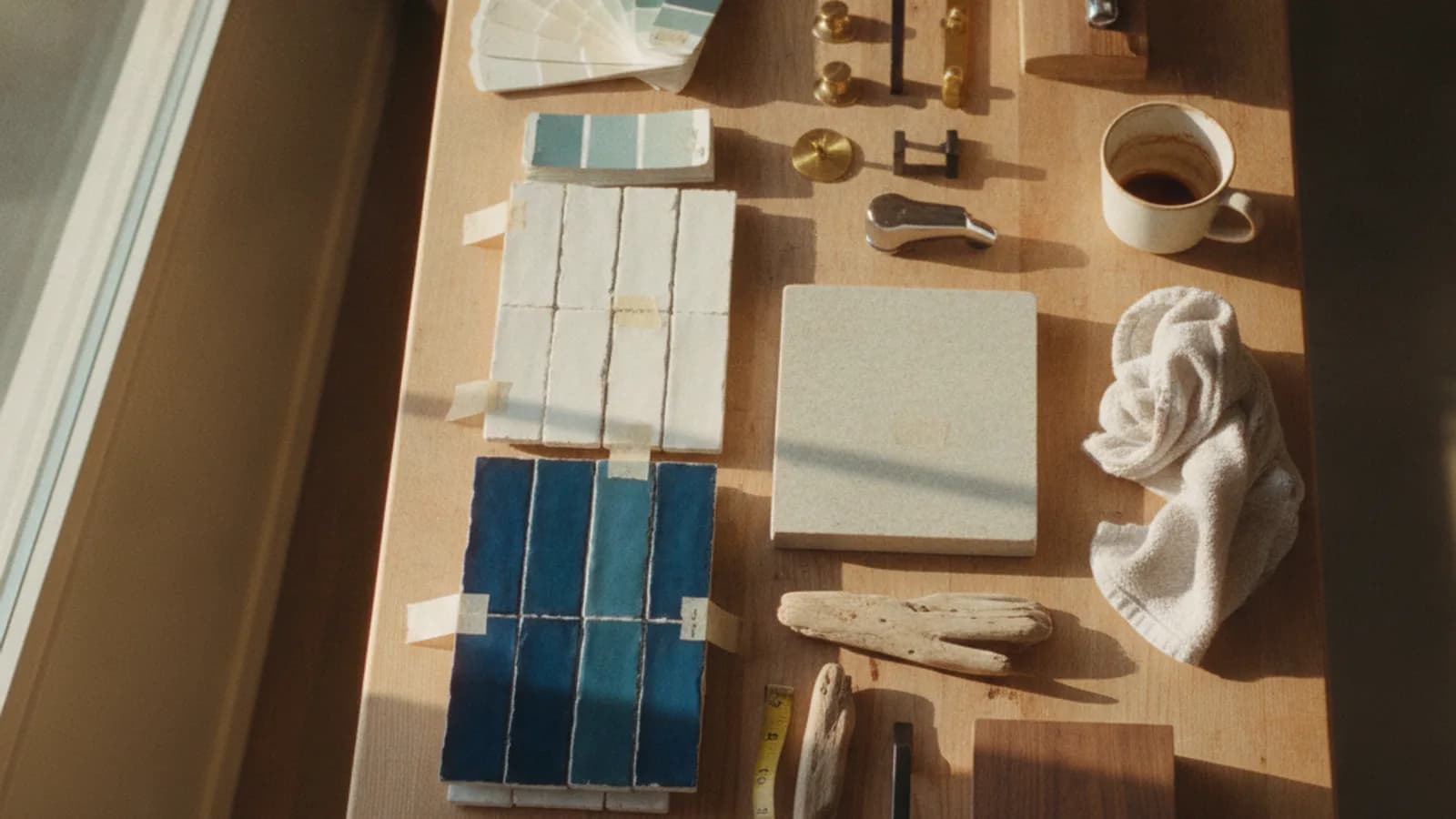
The walls are open, and suddenly you decide to move a sconce six inches, change the vanity from a single to a double, or opt for a different tile that just came in stock. This is the fastest way to destroy your budget and timeline. Contractors call this “scope creep,” and it’s driven by homeowner indecision. Each change, no matter how small it seems, triggers a cascade of consequences: new material orders, plumber and electrician callbacks, and scheduling delays that can push your project back weeks. A formal change order can add $500 to $2,500 per incident, not including the new material costs. The fix is to have the entire bathroom “built” on paper before a single hammer swings. Every single selection must be finalized, ordered, and preferably on-site before Day One. This includes:
- Tile and Grout Color (e.g., Mapei #113 Warm Gray)
- Vanity Model and Hardware
- Faucet and Shower Trim (e.g., Brizo Litze collection in Luxe Gold)
- Lighting Fixtures
- Paint Color (e.g., Benjamin Moore Chantilly Lace OC-65)
- Towel Bars and Accessories
Mistake #5: Neglecting Ventilation and Moisture Management
3 San Diego bathroom remodelers, editor-screened. 4 questions.
See my 3 matchesHomeowners either forget the exhaust fan entirely or tell their contractor to install the cheapest available model from a big-box store. This is a shortsighted mistake, especially in San Diego's coastal communities like Carlsbad or Coronado where salt air and humidity are constant battles. An undersized or poorly installed fan doesn't just lead to a foggy mirror; it allows moisture to linger, creating the perfect environment for mold and mildew growth. This can ruin new paint, warp cabinetry, and create unhealthy air quality. That peeling paint on the ceiling isn't a paint problem; it's a ventilation problem. The fix is to treat ventilation as a core mechanical system, not an afterthought. Install a high-quality, quiet fan from a brand like Panasonic or Broan that is sized correctly for your bathroom's cubic footage. The key is to ensure it is ducted to the exterior of the house, not just into the attic space. A fan with a humidity sensor that automatically turns on and off is an excellent upgrade. Proper ventilation is the unsung hero of a durable, healthy bathroom remodel, and it costs far less to do it right the first time than to remediate mold later.
Mistake #6: Hiring a Generalist for a Specialist's Job
To save money, a homeowner might hire a handyman or a general contractor who primarily builds decks or additions. This is risky. A bathroom is the most complex room in the house per square foot, involving a dense network of plumbing, electrical, waterproofing, and high-precision tile work all crammed into a small space. A generalist may not be up-to-date on the latest waterproofing techniques, local plumbing codes enforced by the San Diego DSD, or the nuances of setting large-format tile correctly. The result can be leaks, failed inspections, or a poor finish quality that devalues your investment. The fix is to hire a dedicated bathroom contractor in San Diego. You want a firm whose entire business revolves around bathrooms. They have dedicated crews, established relationships with local suppliers, and a deep understanding of the unique challenges of these projects. They know which plumbing configurations work best in older homes in South Park and which materials stand up to the salt air in Point Loma. Vet them thoroughly. Check their CSLB license, ask for proof of liability and workers' comp insurance, and speak to their recent clients. A specialist costs more upfront because they prevent expensive failures down the road.

Mistake #7: Ignoring Long-Term Finish Durability
The focus is on the look for today, not the performance in ten years. A homeowner chooses a trendy matte black fixture without asking about the finish type, or a standard MDF vanity because it looks good in the showroom. This is a mistake that reveals itself slowly. San Diego's high humidity and, near the coast, salt in the air, are brutal on finishes. That unbranded matte black showerhead will be showing scratches and hard water spots within a year. The MDF vanity will swell at the bottom edges where it meets a wet floor. The fix is to research and specify finishes engineered for harsh environments. For fixtures, look for PVD (Physical Vapor Deposition) finishes, which are far more durable than standard powder coating. For cabinetry, insist on solid wood or marine-grade plywood construction. For paint, use a product specifically formulated for high-moisture areas, like Benjamin Moore's Aura Bath & Spa. These materials might add 5-10% to the initial material cost, but they prevent you from having to replace them in five years. It's about choosing materials that age gracefully, not just look good on day one.
What No One Else Covers
Most articles on bathroom remodel mistakes focus on budgets and contractors. They miss the most insidious, long-term cost: the chemical interaction between San Diego's specific environment and your chosen materials. This is where a finish-specialist's eye is critical. First, consider our hard water. San Diego County has notoriously hard water, rich in mineral deposits. This isn't just a nuisance; it's a destructive force. Those minerals build up on glass shower doors, etch the finish on chrome fixtures, and clog aerators and showerheads. A cheap chrome faucet will look pitted and dull in three years. The counter-move is twofold: install a whole-house water softener if possible, and choose fixtures with finishes known to resist mineral buildup, like Brushed Nickel or PVD brass. Second, the sun. Many San Diego bathrooms are flooded with natural light. This intense UV exposure can fade cabinet finishes and degrade lower-quality LVP (Luxury Vinyl Plank) flooring over time, causing it to yellow or become brittle. If you have a large window, specify cabinetry with a UV-resistant topcoat and choose high-quality LVP with a thick wear layer and solid UV protection. Finally, the salt. If you live within a few miles of the coast, salt air is a real factor. It accelerates the corrosion of any exposed, low-quality metal. This includes everything from hinge screws and light fixture canopies to the frames of medicine cabinets. The fix is to specify stainless steel (316 grade is best), solid brass, or high-quality aluminum for all metal components, and ensure all finishes are from reputable brands known for their multi-layer plating processes. These environmental factors are the silent budget-killers that no one talks about until it's too late.
Representative Projects for 2026
Three modeled project scenarios for 2026, built from the Renology Cost Index and typical local scopes. These are illustrative estimates, not completed client projects:
- North Park Guest Bath ($34,500): A 5'x8' bathroom in a 1940s bungalow. The project involved a full gut, replacing old galvanized plumbing with copper, and installing a new tub/shower combo with classic subway tile. The budget included a mid-range vanity, quartz countertop, and new lighting and ventilation. The homeowner chose durable porcelain floor tile to handle heavy traffic.
- Carmel Valley Primary Bath ($52,000): A larger 10'x12' primary bathroom in a 1990s home. This project included removing a built-in tub to create a large, curbless walk-in shower with a linear drain and a full Schluter-KERDI waterproofing system. Costs were higher due to the extensive tile work, a custom double vanity, and moving a non-load-bearing wall to accommodate a larger layout.
- La Jolla Coastal Remodel ($78,000+): A high-end primary bathroom with ocean views. This budget reflects premium materials designed to withstand salt air, including PVD-coated fixtures, custom teak cabinetry, and large-format stone slabs for the shower walls. The project also required significant electrical work for heated floors and smart lighting, and structural work to enlarge a window.
Budgeting for a San Diego Bathroom Remodel
Creating a realistic budget is the first step to avoiding financial stress. For San Diego bathrooms, a good starting point is the Renology Cost Index range of $33,000 to $55,000. But where does that money go? Here’s a typical breakdown:
- Labor: 50-65%
- Materials: 20-30%
- Fixtures & Finishes: 15-20%
- Permits & Fees: 3-5%
Beyond these core costs, you must plan for the unexpected. The National Association of Home Builders recommends a ten to fifteen percent contingency on renovations in homes over thirty years old. For a $45,000 project, that's an extra $4,500 to $6,750 set aside for issues like uncovering dry rot behind the walls, finding outdated electrical wiring, or needing to abate asbestos. This isn't a slush fund; it's a necessary buffer that prevents a small problem from derailing the entire project. Smart homeowners have this contingency fund in a separate account, ready to deploy but hoping they never have to. A detailed San Diego bathroom cost guide can provide more granular detail on where these costs originate.
Sources & Methodology
See the Renology Methodology for how sources are reviewed, ranges are normalized, and planning-data limits are handled.
Cost ranges in this guide draw on the following named industry sources, public agency datasets, and Renology editorial research.
- Renology Cost Index for San Diego (2026-05)
- National Association of Home Builders (NAHB) Remodeling Market Index (Q1 2026)
- California Department of Industrial Relations, Prevailing Wage Data (2026)
- Remodeling Magazine, Cost vs. Value Report (2025)
- City of San Diego Development Services Department (DSD), Permit Fee Schedule (2026)
- National Kitchen & Bath Association (NKBA) Market Outlook (2026)
- U.S. Environmental Protection Agency (EPA), Lead-Safe Renovation Rules (2025)
- Harvard Joint Center for Housing Studies (JCHS), LIRA Report (Q1 2026)

Renology Take
The meta-mistake behind almost every bathroom remodel disaster isn't choosing the wrong tile or the wrong contractor. It's impatience. Homeowners get excited. They want to see progress. They rush to demolition before the project is fully designed, specified, and planned. This is backward. A successful remodel is ninety percent planning and ten percent execution. The best projects are completely built on paper first. Every fixture is selected, every tile is ordered, every paint color is confirmed, and every dimension is verified before the first hammer swings. This meticulous pre-construction phase feels slow, but it's what enables a fast, efficient, and on-budget construction phase. Rushing into demo without a complete plan is like starting a road trip without a map. You’ll eventually get somewhere, but it will take longer, cost more, and you won’t like where you end up.
Frequently Asked Questions
What is the most expensive mistake in a bathroom remodel?
How do I know if my San Diego contractor is padding the quote?
When should I walk away from a bathroom remodel quote?
What's the fastest way to blow a bathroom remodel budget in San Diego?
How much does it cost to get a permit for a bathroom remodel in San Diego?
What is the typical timeline for San Diego bathrooms?
Does a bathroom remodel add value to a San Diego home?
What are common hidden costs in older San Diego homes?
Ready to find a pro?
Tell us about your project and location. A Renology advisor can help you explore contractor matching.
Free for homeowners. No obligation to hire.
Find a ProSources
- Renology Cost Index for San Diego
- National Association of Home Builders (NAHB) Remodeling Market Index
- California Department of Industrial Relations, Prevailing Wage Data
- Remodeling Magazine, Cost vs. Value Report
- City of San Diego Development Services Department (DSD), Permit Fee Schedule
- National Kitchen & Bath Association (NKBA) Market Outlook
- U.S. Environmental Protection Agency (EPA), Lead-Safe Renovation Rules
- Harvard Joint Center for Housing Studies (JCHS), LIRA Report
Follow Renology on Google
Choose Renology as a preferred source and our guides show up more often in your Google results, including Top Stories and AI Overviews.