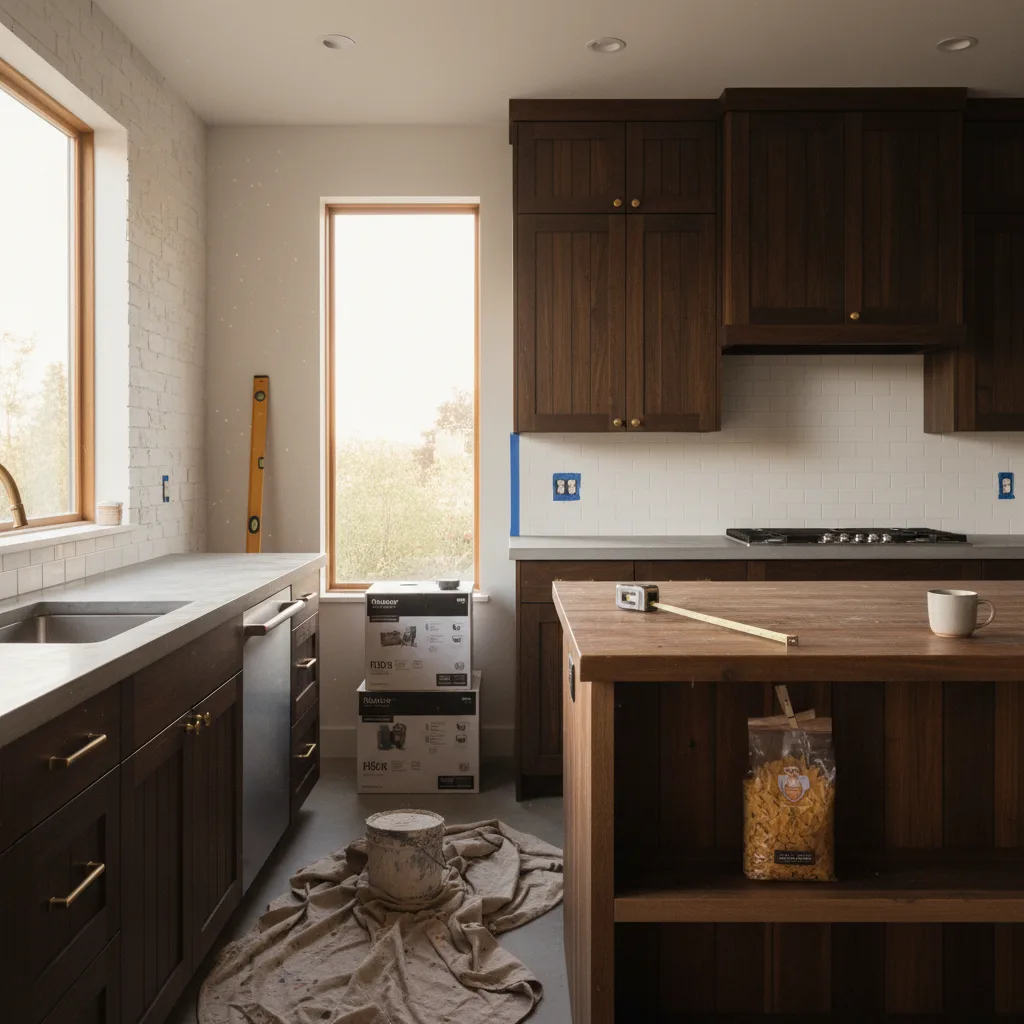
A mid-range kitchen remodel in Seattle costs between $55,000 and $90,000 in 2026, with the median project landing at $74,500. While a basic cosmetic refresh for a small condo kitchen can start lower, around $28,000, most single-family home projects involving new cabinets, appliances, and countertops fall squarely within this mid-range. Premium renovations in neighborhoods like Queen Anne or Laurelhurst regularly exceed $150,000. These figures reflect the city's high labor costs and specific building code requirements.
In a Nutshell
- Total Cost Range: $28,000 to $250,000+
- Typical Mid-Range Project: $55,000, $90,000
- Project Timeline: Six to sixteen weeks from demolition to final inspection.
- Biggest Surprise Cost: Structural work required by seismic codes or to address moisture damage found during demolition, which can add $5,000, $15,000.
What does a kitchen remodel actually cost in Seattle?
The total cost of a Seattle kitchen project is determined by the scope of work, material quality, and home size. We have categorized projects into three tiers based on data from Renology's network of Seattle kitchen contractors and the National Kitchen & Bath Association's 2026 market outlook.
| Tier | Cost Range (2026) | Typical Scope |
|---|---|---|
| Basic (Refresh) | $28,000, $50,000 | Cabinet refacing or painting, new laminate countertops, vinyl flooring, basic appliances, new sink and faucet, minor electrical work. Layout remains identical. |
| Mid-Range (Full Remodel) | $55,000, $95,000 | New semi-custom cabinets, quartz or granite countertops, mid-grade appliance package, tile backsplash, hardwood or LVP flooring, new lighting. Minor layout changes. |
| Premium (Custom) | $120,000, $250,000+ | Fully custom cabinetry, high-end stone countertops (marble, quartzite), professional-grade appliances, structural changes (removing walls), custom lighting design, luxury finishes. |
For a typical mid-range Seattle kitchen remodel costing $74,500, the budget allocation is approximately: cabinetry and hardware (35%), labor and installation (25%), appliances (15%), countertops (10%), plumbing and electrical (8%), and flooring, finishes, and fixtures (7%). The bottom-of-range cost typically applies to a cosmetic update in a condominium or a small galley kitchen, not a full remodel in a single-family home.
Why is it more expensive in Seattle than the rest of Washington?
Three primary factors drive the higher cost for Seattle kitchens compared to surrounding areas like Tacoma or Everett.
First, labor rates are substantially higher. According to Washington State Department of Labor & Industries (L&I) prevailing wage data for King County, a journey-level carpenter earns between $55 and $70 per hour, and licensed electricians and plumbers command $90 to $130 per hour. These rates, which contractors pass on in their bids, are ten to twenty percent higher than in adjacent counties.

Second, neighborhood-specific logistics and housing stock add costs. In dense neighborhoods like Capitol Hill or Ballard, parking and material staging are difficult and expensive. Homes in areas with older housing stock, such as Queen Anne, often require significant electrical and plumbing upgrades to meet modern code, along with potential seismic retrofitting, which is a common requirement for any project involving structural changes.
Third, material costs and permitting complexity are greater. Seattle's high demand for premium materials, combined with its geographic location, can increase freight costs. The Seattle Department of Construction & Inspections (SDCI) has a rigorous and often lengthy permitting process, which adds administrative hours and holding costs to a project budget.
What do real Seattle homeowners spend in 2026?
Three modeled project scenarios for 2026, built from the Renology Cost Index and typical local scopes. These are illustrative estimates, not completed client projects:
- Ballard Craftsman ($82,000): A 180-square-foot kitchen in a 1920s home. This project involved removing a non-load-bearing wall to open the space to the dining room. It featured semi-custom Shaker cabinets, quartz countertops, a farmhouse sink, and a new suite of stainless steel appliances. The cost included updating knob-and-tube wiring in the kitchen area and adding recessed lighting.
- West Seattle Mid-Century ($68,500): A 150-square-foot galley kitchen that maintained its original layout. The homeowners chose flat-panel walnut veneer cabinets to match the home's aesthetic, along with durable porcelain tile flooring. Costs were managed by keeping all plumbing and gas lines in their existing locations. The project included a new tile backsplash and energy-efficient LED under-cabinet lighting.
- South Lake Union Condo ($59,000): A 110-square-foot kitchen in a modern high-rise. The scope was limited by building rules, focusing on high-impact cosmetic changes. It included high-gloss European-style cabinets, a waterfall quartz countertop on the peninsula, and a compact, high-end appliance package. Labor costs were higher due to building access restrictions and elevator usage coordination.
Where does the money actually go?
3 Seattle kitchen remodelers, editor-screened. 4 questions.
See my 3 matchesContractor quotes often group costs into broad categories. Homeowners should anticipate several line items that are frequently omitted from initial estimates but are essential to the project.
- Permit Fees: $1,500, $4,000. This covers plan review and inspection fees from the SDCI.
- Design and Architectural Fees: $4,000, $12,000. For projects altering layouts or removing walls, a kitchen designer or architect is necessary.
- Hazardous Material Testing and Abatement: $800, $5,000. Homes built before 1980 may contain asbestos in flooring or drywall texture, or lead in paint, requiring professional testing and removal.
- Waste Disposal and Dumpster Rental: $750, $2,000. The cost to remove and legally dispose of demolition debris.
- Temporary Kitchen Setup: $500, $1,500. Costs for setting up a temporary space with a microwave, refrigerator, and temporary sink during the remodel.
- Seismic or Structural Upgrades: $3,000, $15,000+. This can involve reinforcing floor joists for a heavy island or meeting seismic code requirements when altering walls.
- Plumbing and Electrical Sub-Panel Upgrades: $2,500, $7,000. Older homes often need a new electrical sub-panel or significant re-plumbing to support modern appliances and lighting.
What stops a Seattle kitchen project from running over budget?
Three issues account for the majority of budget overruns in Seattle kitchens. The first is discovering unforeseen conditions during demolition, such as water damage, pest infestation, or faulty structural work from previous renovations. The second cause is homeowner-initiated scope creep, where small additions like adding a pot filler or upgrading an appliance package create a cascade of related costs. The third is material selection delays or backorders, which can halt progress and increase labor costs as crews wait for items to arrive.
To mitigate these risks, a financial buffer is critical. The National Association of Home Builders recommends a ten to fifteen percent contingency on renovations in homes over thirty years old. For a $75,000 kitchen, this means setting aside an additional $7,500 to $11,250 for unexpected expenses.
Finalizing all material and finish selections before work begins is the most effective strategy for preventing delays and cost increases. You can learn more about securing the right approvals in our guide to Seattle kitchen permits.
What should your Seattle contractor include in the quote?
A detailed, fixed-price quote is the foundation of a successful project. It should clearly itemize every component of the work. Insist that your kitchen contractor Seattle provides a scope of work that includes these line items:
- A detailed project description and architectural plans reference.
- Demolition and debris removal plan.
- Framing, structural modifications, and drywall installation and finishing.
- Plumbing work, including rough-in and final fixture installation.
- Electrical work, including rough-in, new circuits, and fixture installation.
- HVAC modifications if ductwork is moved.
- Insulation and vapor barrier installation.
- Cabinet supply and installation, including hardware.
- Countertop fabrication and installation.
- Appliance delivery, installation, and hookup.
- Flooring installation, including any necessary subfloor preparation.
- Backsplash and wall tile installation.
- Interior painting of walls, ceiling, and trim.
- A clear statement of allowances for items not yet selected.
Sources & Methodology
See the Renology Methodology for how sources are reviewed, ranges are normalized, and planning-data limits are handled.
Cost ranges in this guide draw on the following named industry sources, public agency datasets, and Renology editorial research.
- Remodeling Magazine, 2026 Cost vs. Value Report (Seattle, WA) (2026)
- National Kitchen & Bath Association (NKBA) 2026 Market Outlook (2026)
- Washington State Department of Labor & Industries, King County Prevailing Wage Data (2026)
- Seattle Department of Construction & Inspections (SDCI), Permit Fee Schedule (2026)
- National Association of Home Builders (NAHB), Remodeling Market Index (Q1 2026)
- Puget Sound Homebuilders Association, Regional Cost Survey (2025)
- Renology Project of the Day (POTD) Network, Seattle Metro Data (2023-2026)
Renology Take
The primary reason Seattle kitchen projects exceed their budgets is a failure to define the project's edge. Homeowners often begin with a clear idea for the kitchen itself but get drawn into “while we’re at it” additions, such as refinishing the adjacent dining room floors or replacing a nearby window. Each change, however small, introduces new dependencies and potential for delays. A successful renovation depends on a contract that not only specifies what is included but also explicitly states what is excluded. This disciplined approach to scope management, combined with a properly funded contingency, is the most reliable way to align the final cost with the initial budget. The best kitchen contractor in Seattle will help you define this boundary before the first hammer swings.
Frequently Asked Questions
How much value does a kitchen remodel add in Seattle?
How long does a full kitchen remodel take in Seattle?
Do I need a permit for a kitchen remodel in Seattle?
What is the cost difference between custom, semi-custom, and stock cabinets?
Can I save money by managing the kitchen remodel myself?
Seattle · pre-screened
Get 3 Seattle kitchen bids in 48 hours.
Our editors already vetted Seattle kitchen remodelers. Answer 4 questions and we send 3 written bids inside 48 hours, with the real price for your scope, not their inflated first-call number.
- Free, no commission
- Pre-screened locally
- Bids inside 48 hours
Takes about 60 seconds. We'll text you when bids arrive.
Sources
- Remodeling Magazine, 2026 Cost vs. Value Report (Seattle, WA)
- National Kitchen & Bath Association (NKBA) 2026 Market Outlook
- Washington State Department of Labor & Industries, King County Prevailing Wage Data
- Seattle Department of Construction & Inspections (SDCI), Permit Fee Schedule
- National Association of Home Builders (NAHB), Remodeling Market Index
- Puget Sound Homebuilders Association, Regional Cost Survey
- Renology Project of the Day (POTD) Network, Seattle Metro Data